
Free visual inspection and a written scope of work before any mitigation begins - photos, moisture readings, and drying logs go in your claim file
The scope we write is the scope we bill. Anything new gets shown to you, in writing, before we touch it.
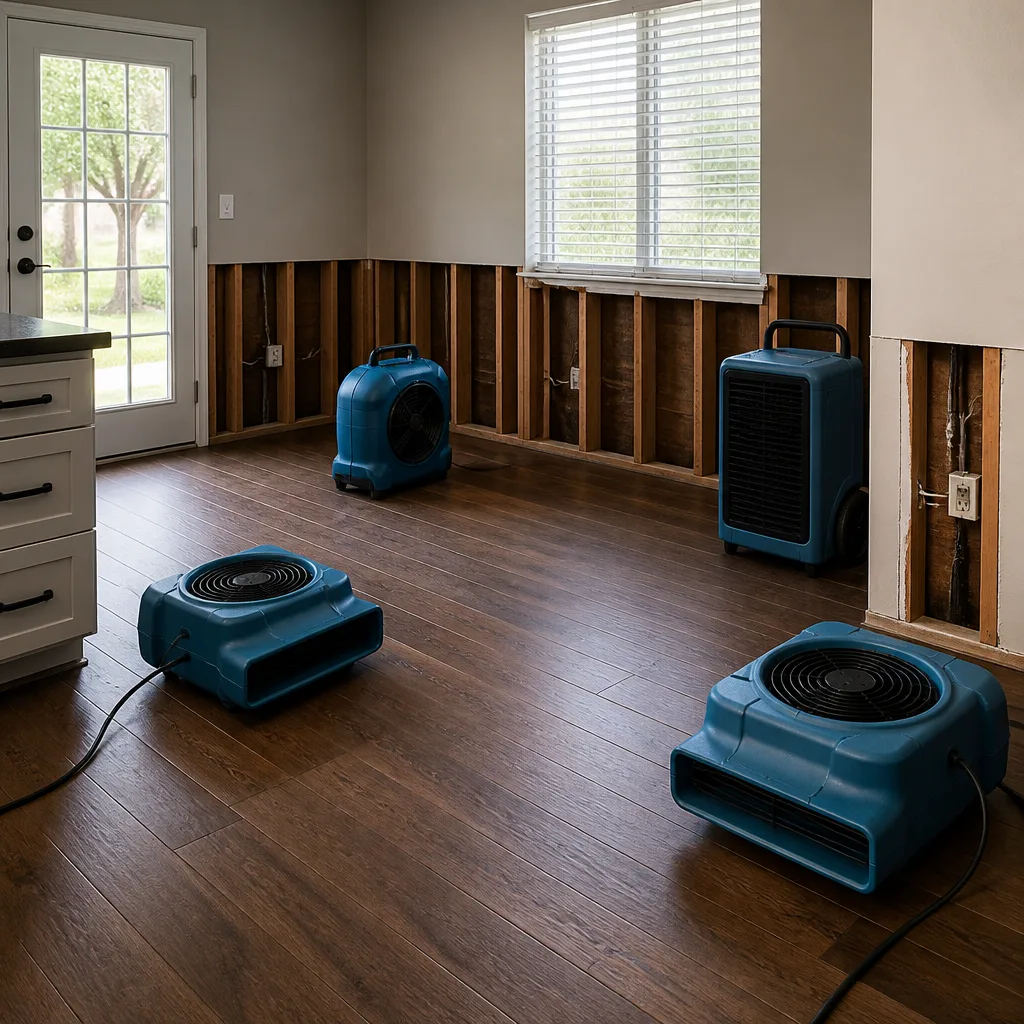
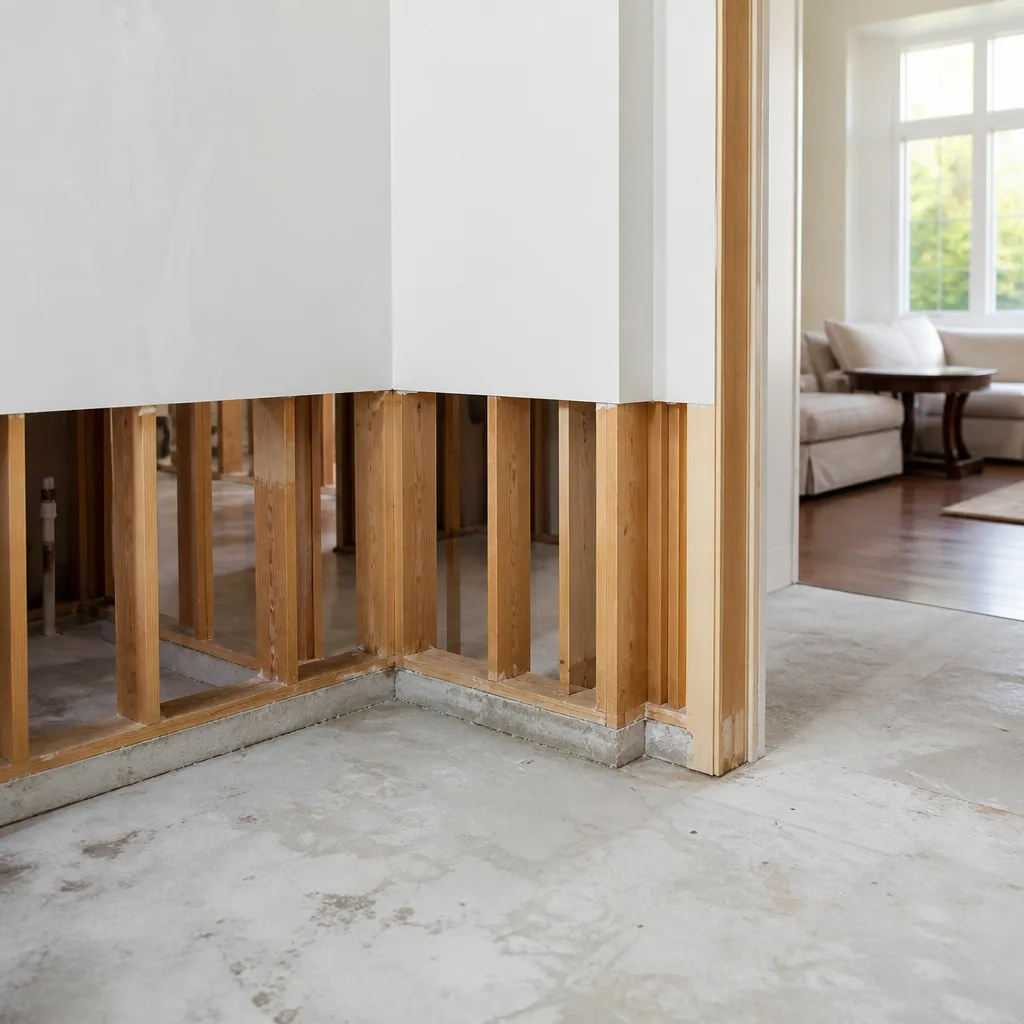
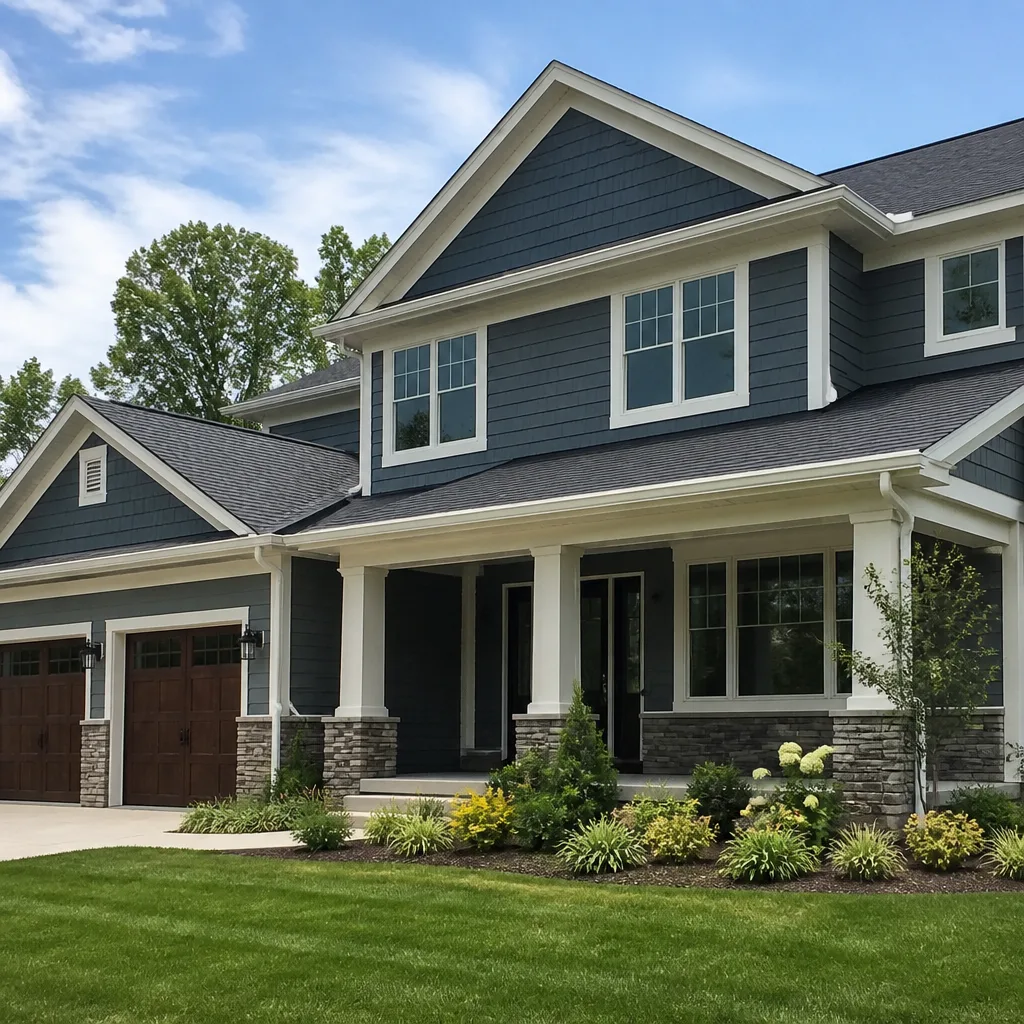
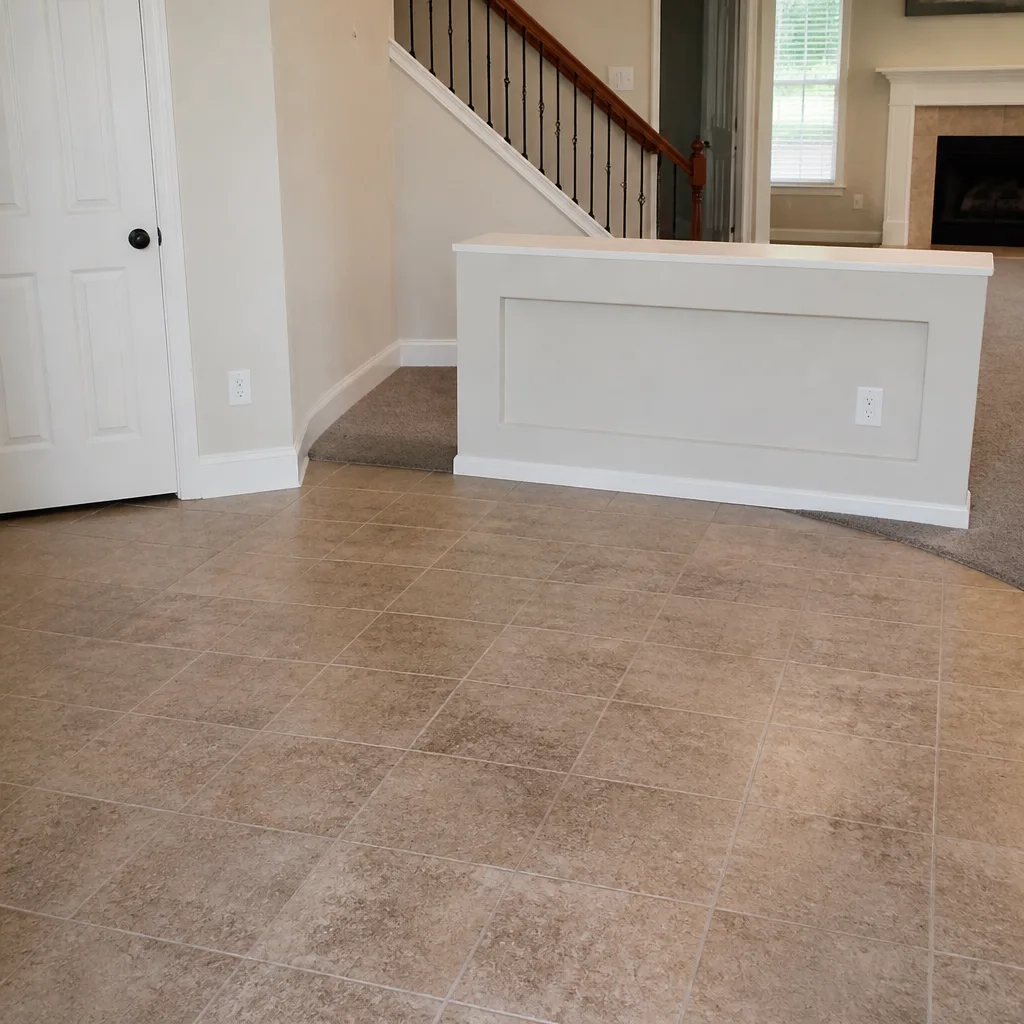
 Before
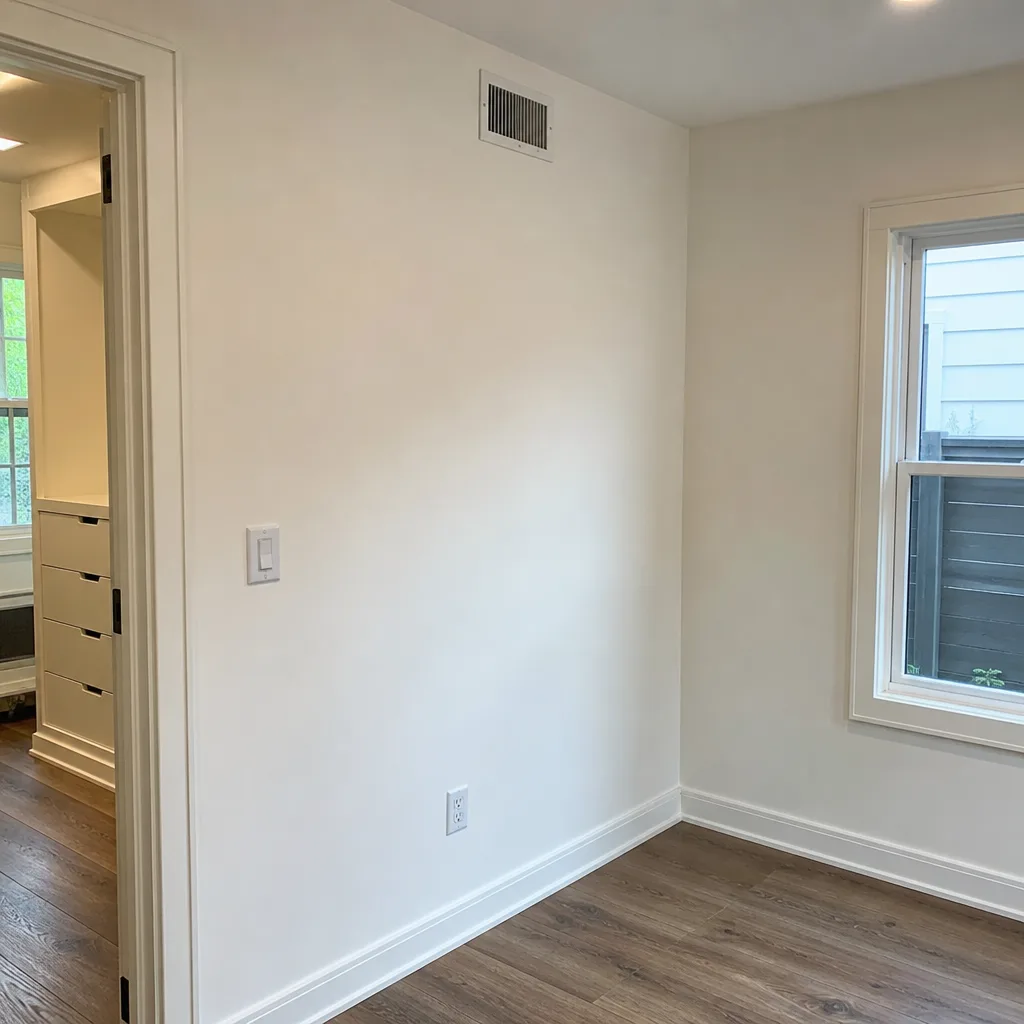 After
After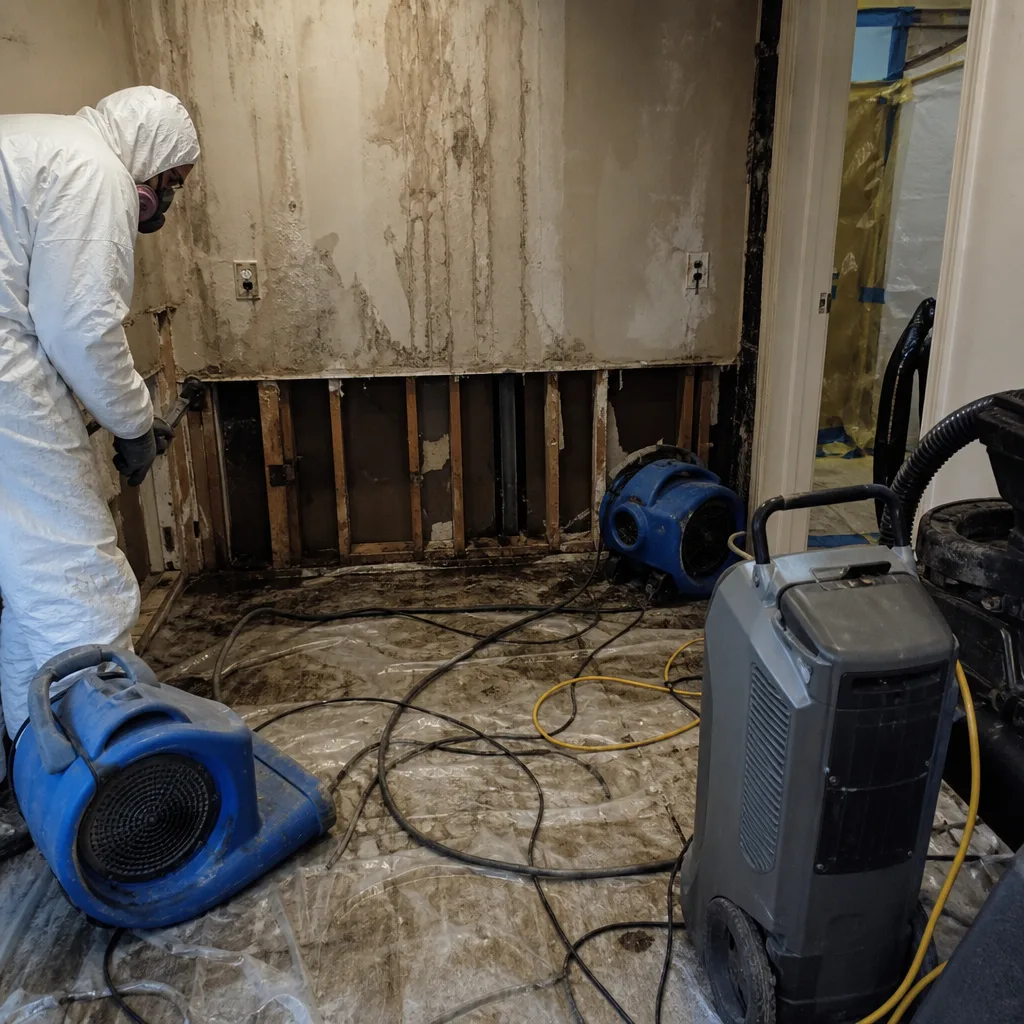 Before
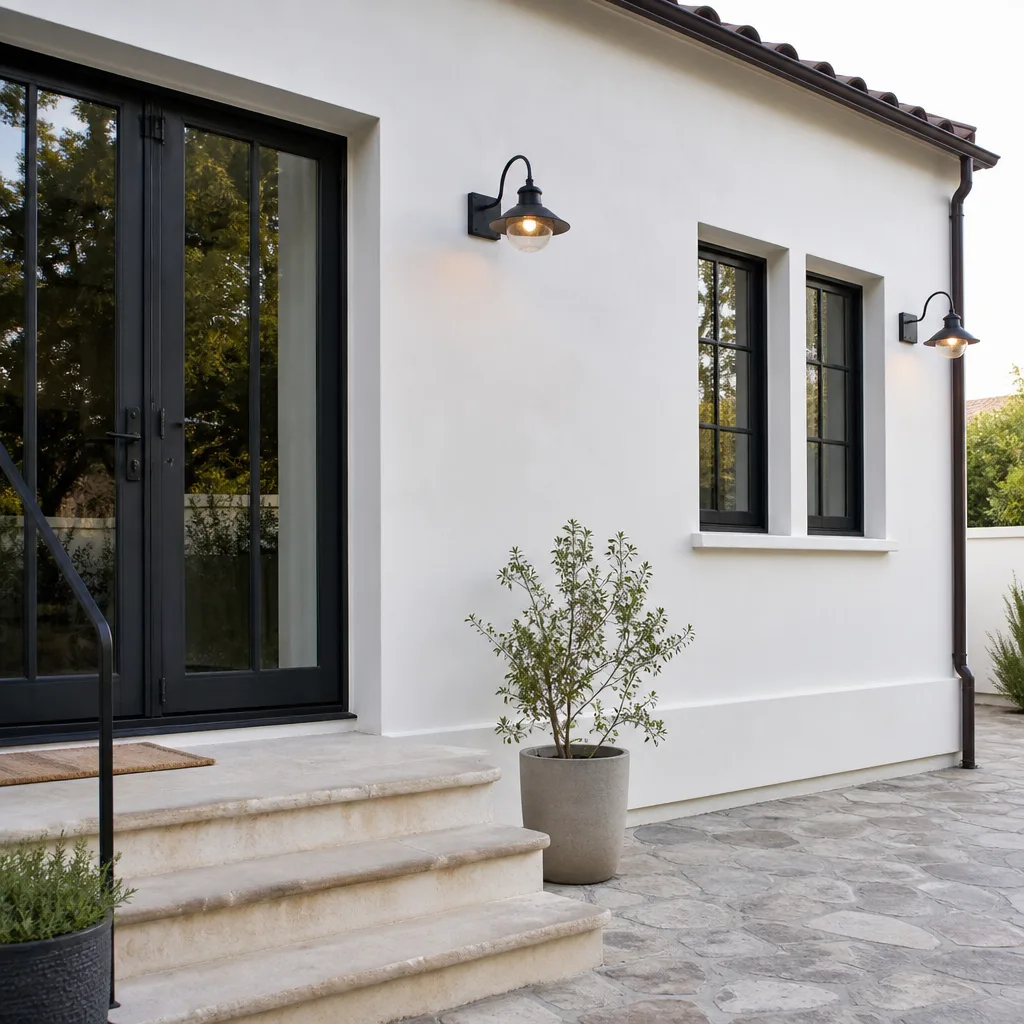 After
After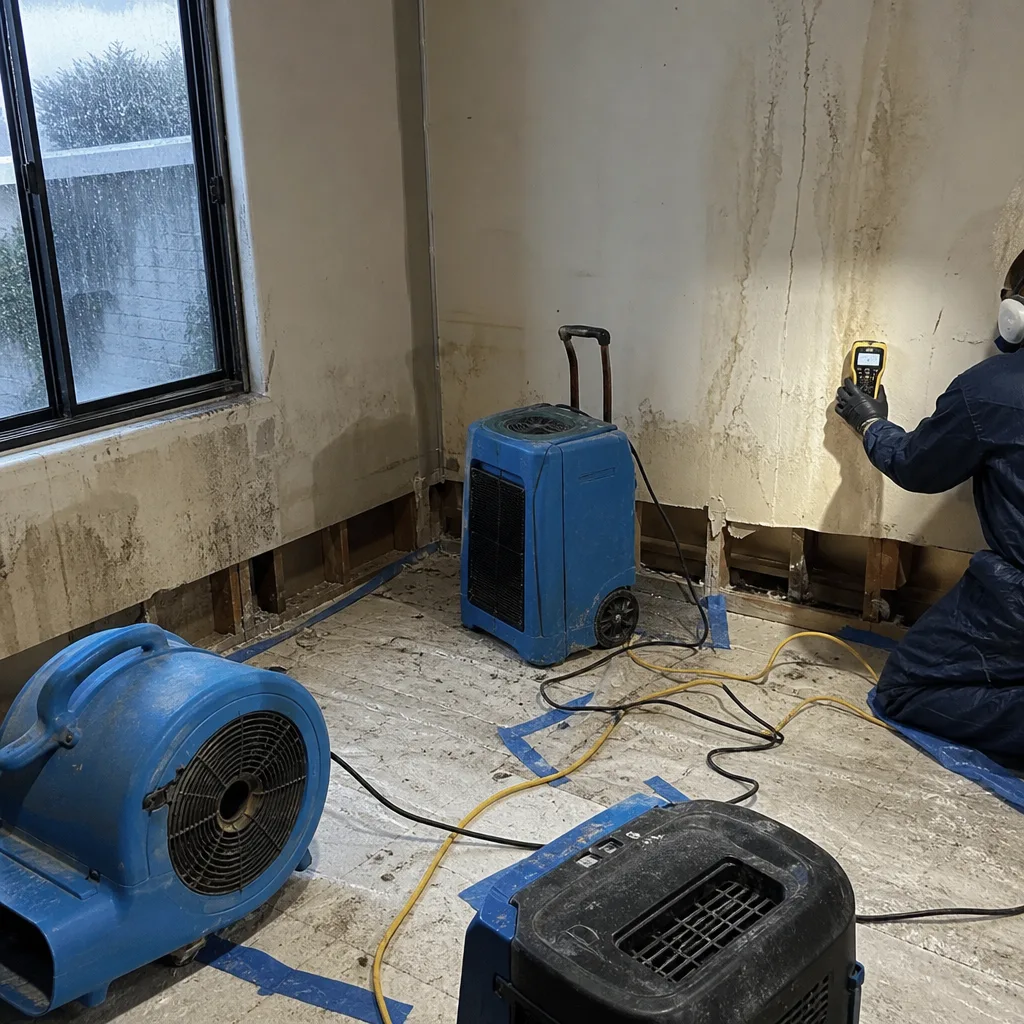 Before
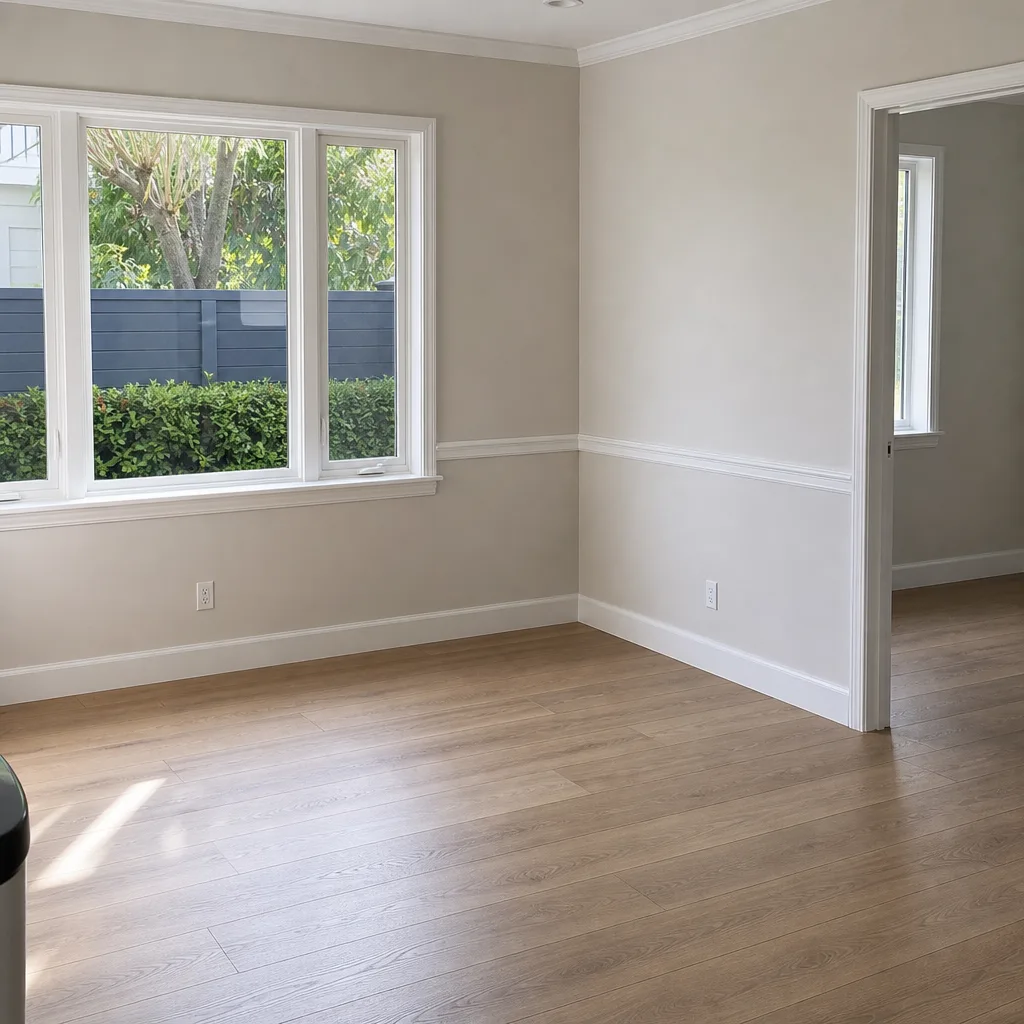 After
AfterFast, Reliable Water Damage Restoration Across Santa Monica
Water damage restoration in Santa Monica typically runs $2,800-$7,500 for a standard residential drying job, with emergency water extraction starting at $1,200-$2,400 and full structural drying adding $1,600-$5,100 depending on square footage and contamination level. Most Santa Monica properties need active dehumidification within 4-6 hours of discovery because the coastal marine layer keeps ambient humidity too high for passive drying.
We’re Back to Dry Restoration, and our crews serve Santa Monica from our Los Angeles dispatch office. We know the tight alley-load garages on Ocean Park Boulevard, the permit-only parking on Main Street, and the soft-story apartment buildings from the 1960s that dominate the rental stock between Pico Boulevard and Wilshire. When water moves in Santa Monica, it moves fast - and so do we. Call (213) 816-0810 and a live person answers, 24 hours a day, 7 days a week. No voicemail while your floors are buckling.
Why Back to Dry Restoration Is Santa Monica’s Preferred Water Damage Restoration Company
We’ve restored water damage in Santa Monica since 2011, and our file on this city is thick. Alicia Brennan founded Back to Dry after working claims adjustment and watching homeowners lose coverage fights over missing documentation. That gap is why we built The Haven Standard - a written protocol that produces the daily drying logs, photo records, and moisture readings that turn restoration invoices into payable claims.
Our Santa Monica customers find us because they read the three-star reviews. They want to know what happens when something goes sideways, and they want pricing visible before they call. Haven Standard, Clause 1: we deliver a written price before any work starts, every time, with no scope-creep additions once the crew is inside. We’ve done this on 12,000+ homes since 2011.
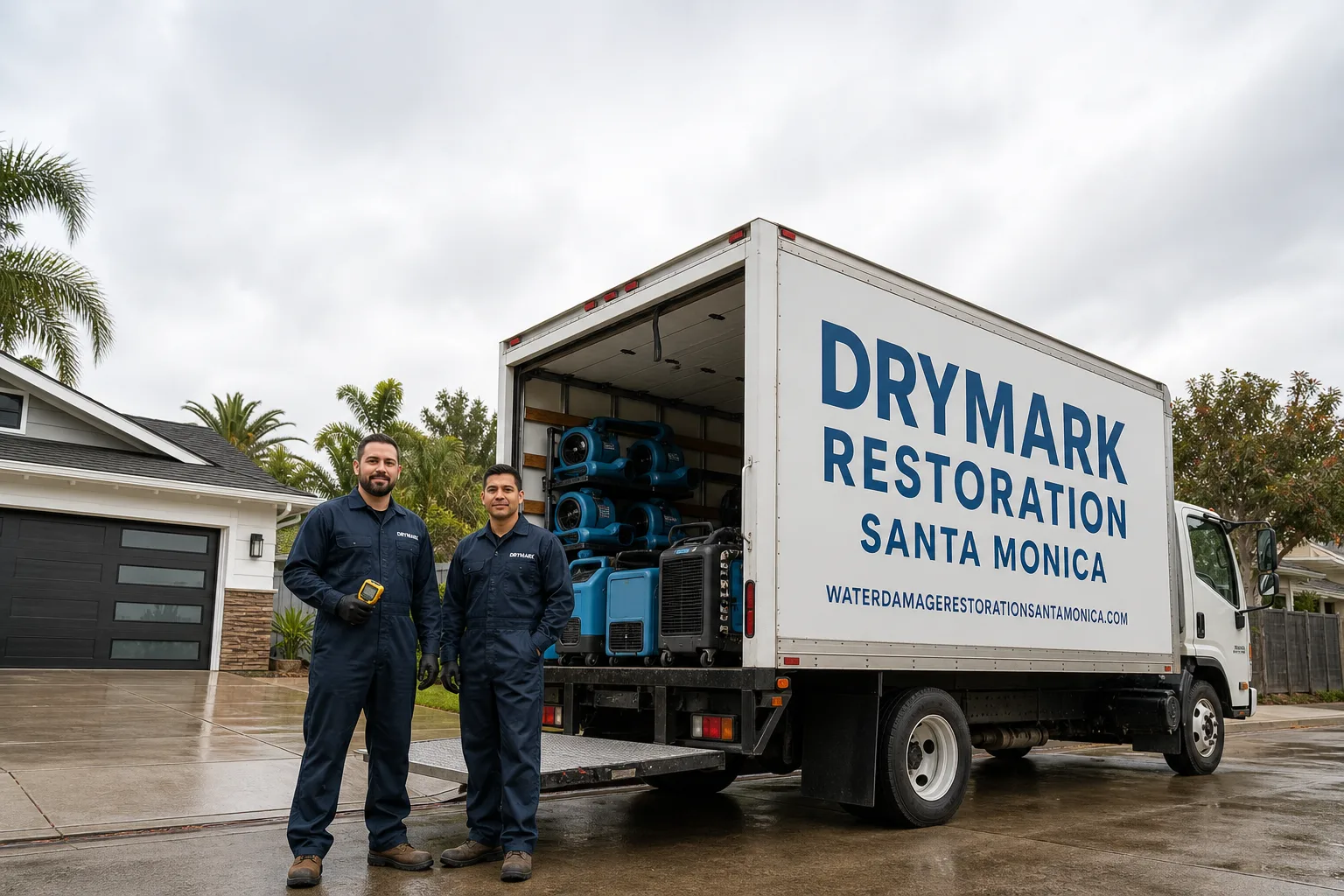
Response time to Santa Monica averages 45-90 minutes from call to on-site, depending on traffic on the 10 Freeway and Pacific Coast Highway. Our techs carry background-checked credentials, license numbers on file, and uniforms with name patches. You’ll know who’s in your home.
We understand Santa Monica’s specific risks: the marine layer that keeps relative humidity above 80-90% most mornings, the rent-controlled mid-century buildings with original galvanized plumbing, and the soft-story seismic retrofits that left thousands of wall penetrations improperly resealed. This isn’t generic water damage work. It’s Santa Monica water damage work.
Our Water Damage Restoration Services in Santa Monica
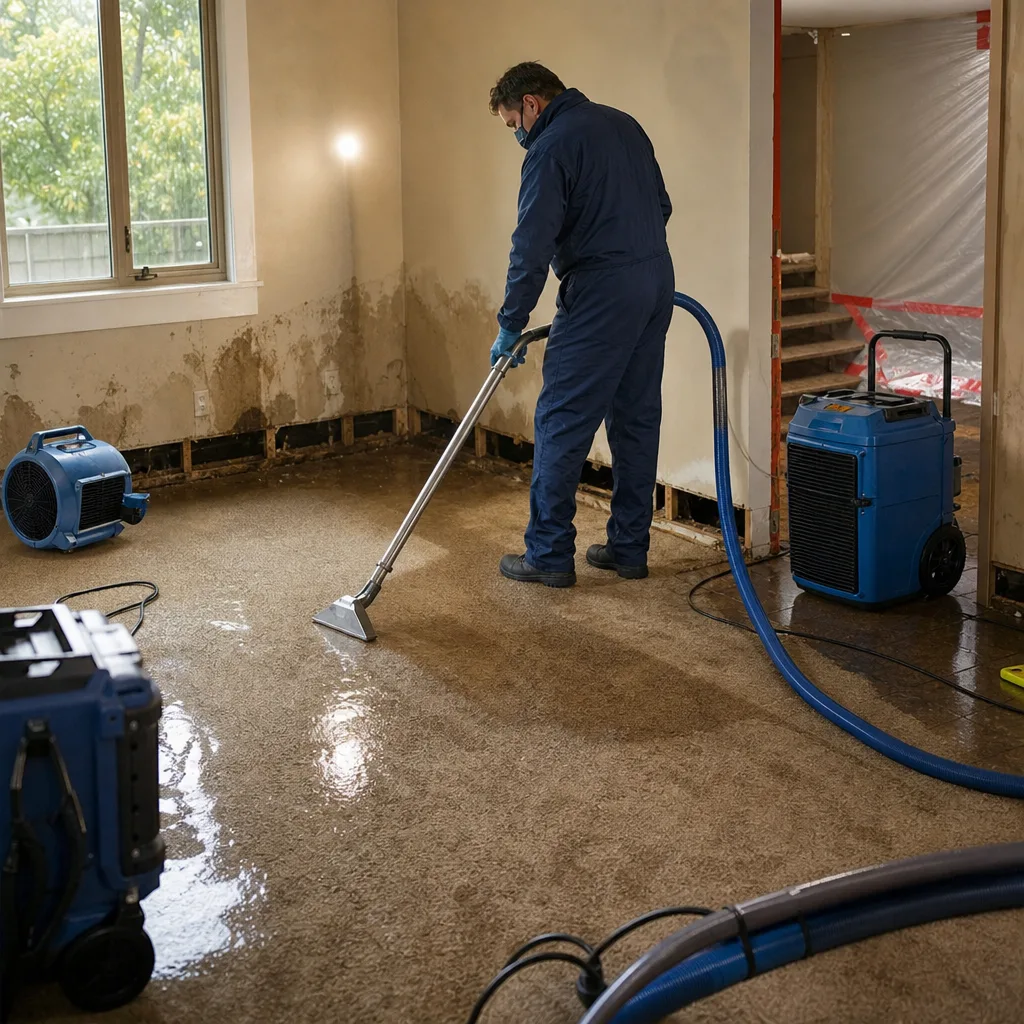
Emergency Water Extraction
When a supply line bursts at 2 a.m. in a Santa Monica townhome near Montana Avenue, standing water doesn’t wait for business hours. Our emergency water extraction teams deploy truck-mounted extraction systems and portable submersible pumps sized to the job. In Santa Monica’s dense housing, we often run hoses through second-floor balconies or alley-access points rather than block narrow garages or tenant parking. A property manager on Ocean Park Boulevard in a 1967 soft-story apartment called us after a slab leak soaked two downstairs units under a retrofit-era wall; the manager was out of the country and had a rolling-code garage opener keyed to the building’s tenant remotes, so we ran a cut hose up the alley to a second-floor balcony rather than blocking the alley or the garage ramp. Our techs heat-imaged the shear-wall penetrations, found three retrofit bolt holes that had never been resealed, and ran Phoenix and Dri-Eaz dehumidifiers with XPOWER air movers and Injectidry panel drying on the hardwood for four days. The drying logs showed the shear-wall cavity hit dry standard by day four, well inside the 24-48 hour mold-growth window on the wet drywall sections.
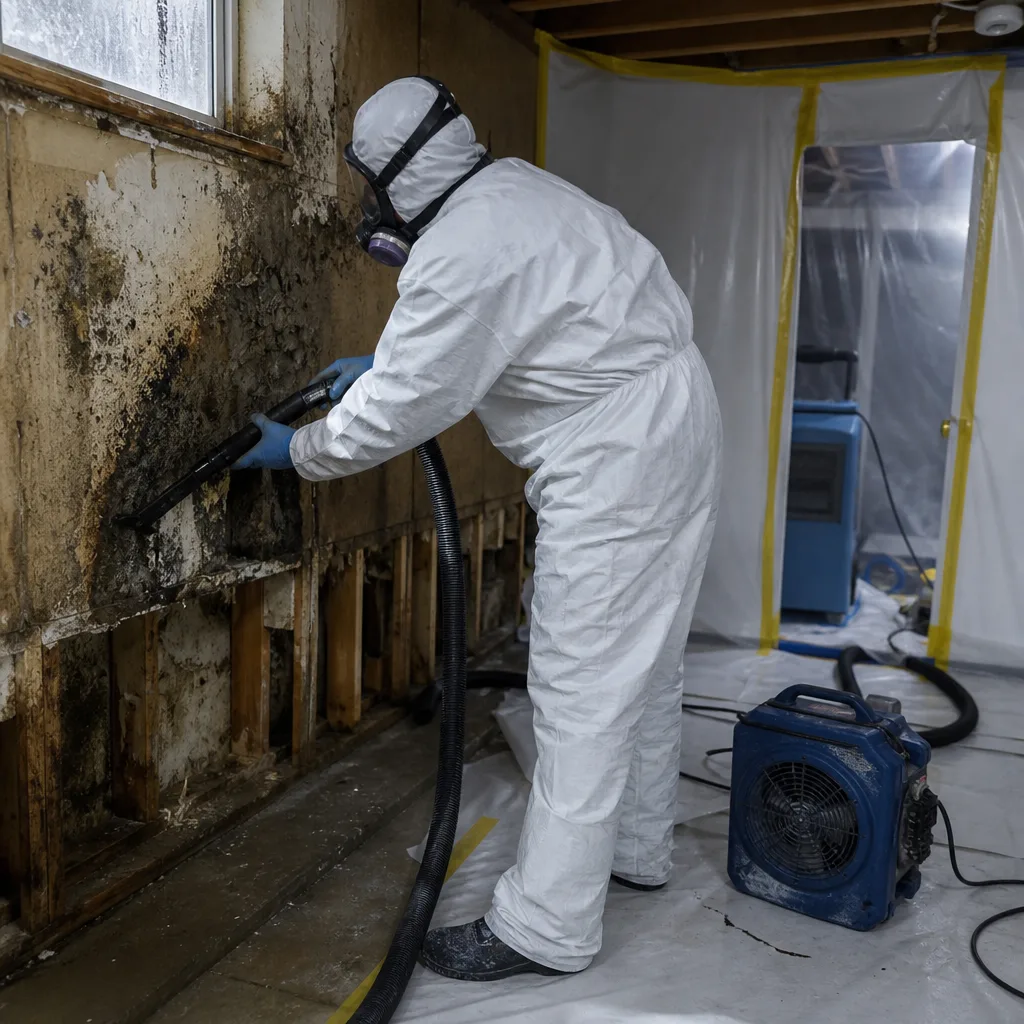
Structural Drying & Dehumidification
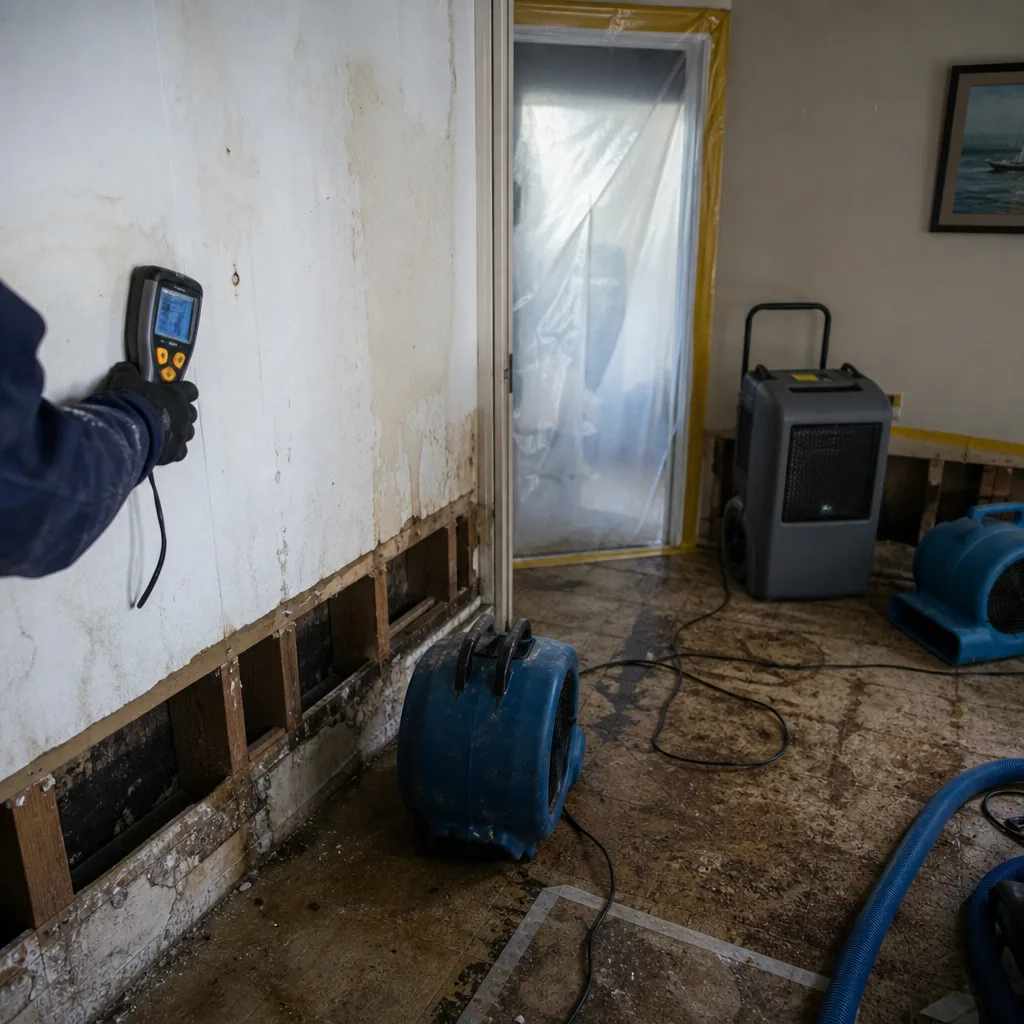
This is where Santa Monica diverges from every inland market. Standard passive drying protocols - open windows, box fans, time - fail here because the marine layer that blankets Santa Monica most mornings (and often all day May through August) maintains ambient relative humidity at 80-90%. Materials simply cannot reach dry standard against that saturated air. We go straight to aggressive industrial dehumidification on every Santa Monica job, documented to IICRC S500 standards. Our crews map moisture content in every affected material with calibrated penetrating meters, establish psychrometric targets (temperature, relative humidity, and vapor pressure differential - the measurable force that actually moves moisture out of wood and drywall), and run daily logs until we hit dry standard. The documentation becomes your insurance file.
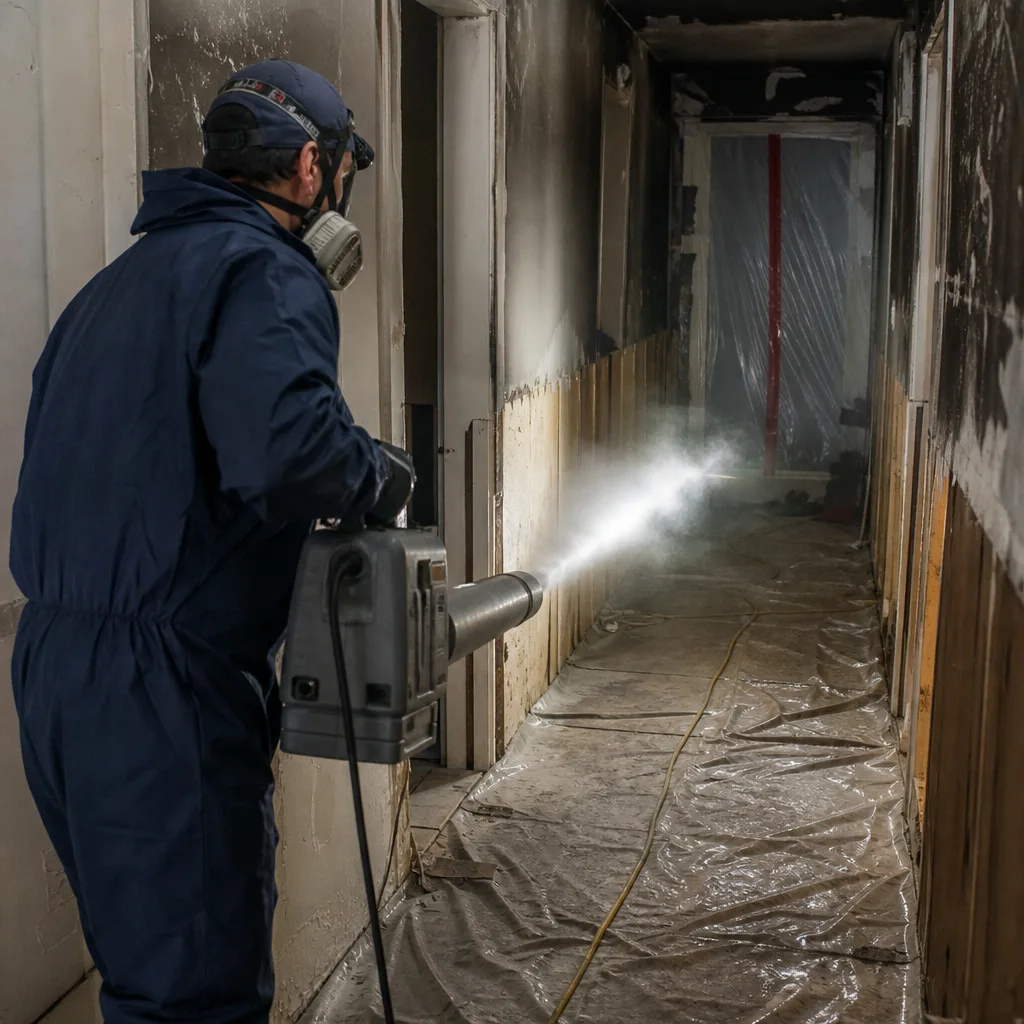
Ceiling & Roof Leak Water Damage
Santa Monica’s aging flat and built-up roofs, common on 1950s-1970s apartment buildings throughout the city, pool water rather than shed it. When El Niño winter storms arrive, low-lying streets like Pico Boulevard and Olympic Boulevard experience storm-drain overflow that compounds roof leaks with groundwater intrusion. Ceiling damage in these buildings often involves multiple unit boundaries, which means documented moisture mapping across party walls and coordinated access with neighboring tenants. We photo-document every affected surface before any material is disturbed, and we deliver that record as a standard deliverable - never an upsell.
Flood Cleanup
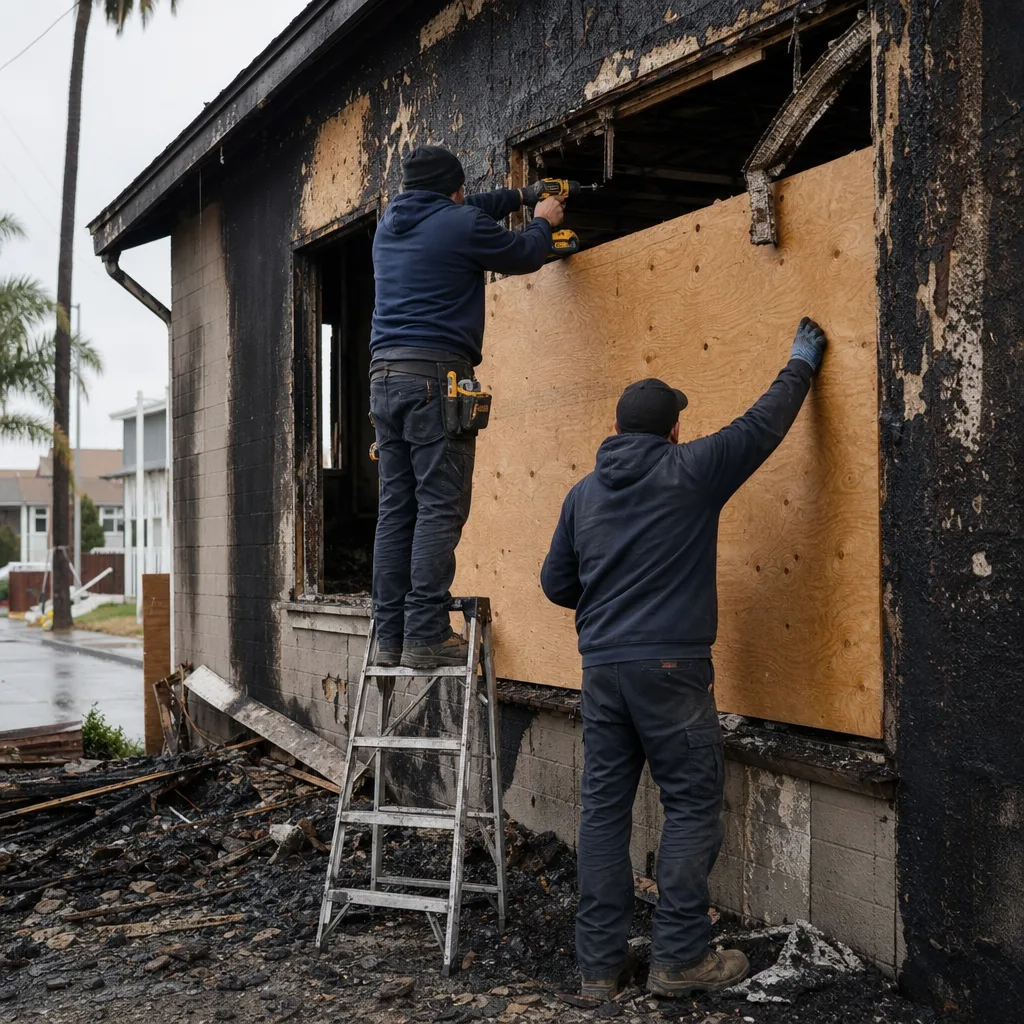
Flood cleanup in Santa Monica means distinguishing storm-drain overflow (Category 2, gray water) from seawater intrusion (Category 3, black water) and documenting that classification for your insurer. The distinction determines antimicrobial protocol, material removal requirements, and whether your policy covers the loss. We classify, document, and quote in writing before any demolition begins.
Burst Pipe Restoration
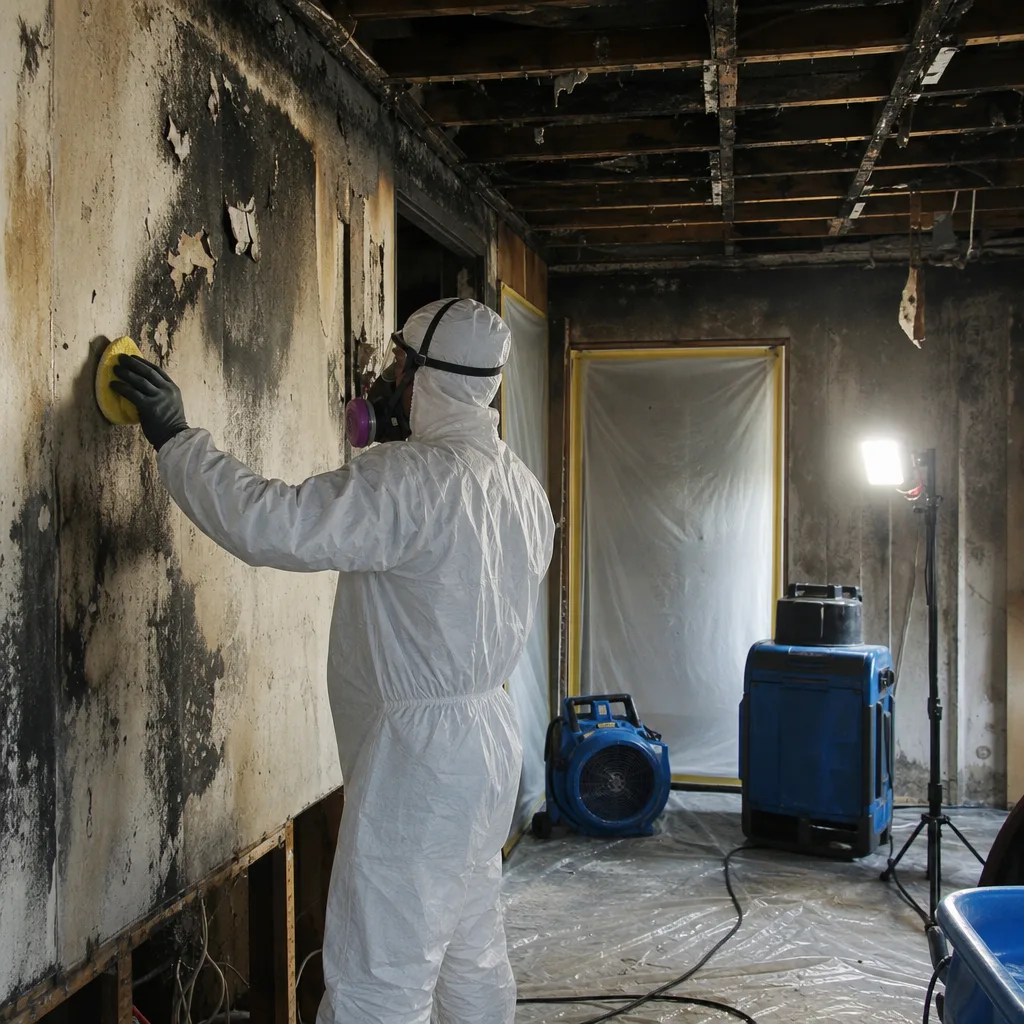
Original galvanized and early copper plumbing in Santa Monica’s rent-controlled buildings fails predictably at joints and at the slab interface. A burst pipe in these structures often means water has been migrating through wall cavities for hours before it surfaces. We use thermal imaging and non-invasive moisture meters to trace the full extent before we cut drywall, so your written scope covers the actual damage - not just what’s visible.
What happens when you call
- 1
A real person answersNo phone trees - you reach a local pro.
- 2
You get an upfront price rangeHonest numbers before anyone is dispatched.
- 3
A background-checked tech heads outLicensed & insured, dispatched right away.
- 4
You approve before work beginsNothing starts until you say go.
 Before
 After
AfterTrusted Equipment & Standards We Deploy in Santa Monica
Our Santa Monica crews run professional-grade drying systems from Phoenix, Dri-Eaz, XPOWER, B-Air, and Injectidry - equipment selected for the aggressive dehumidification this coastal climate demands. Injectidry’s panel drying systems are particularly critical in Santa Monica’s soft-story buildings, where we need to dry hardwood and subfloor assemblies without removing tenant flooring that may be subject to rent-control replacement requirements. All work is documented to IICRC, RIA, and IFA standards, producing the daily moisture logs and psychrometric data that insurers require to approve drying charges. We don’t guess at dry standard. We measure it, log it, and hand you the file.
Common Water Damage Restoration Problems We See in Santa Monica Homes
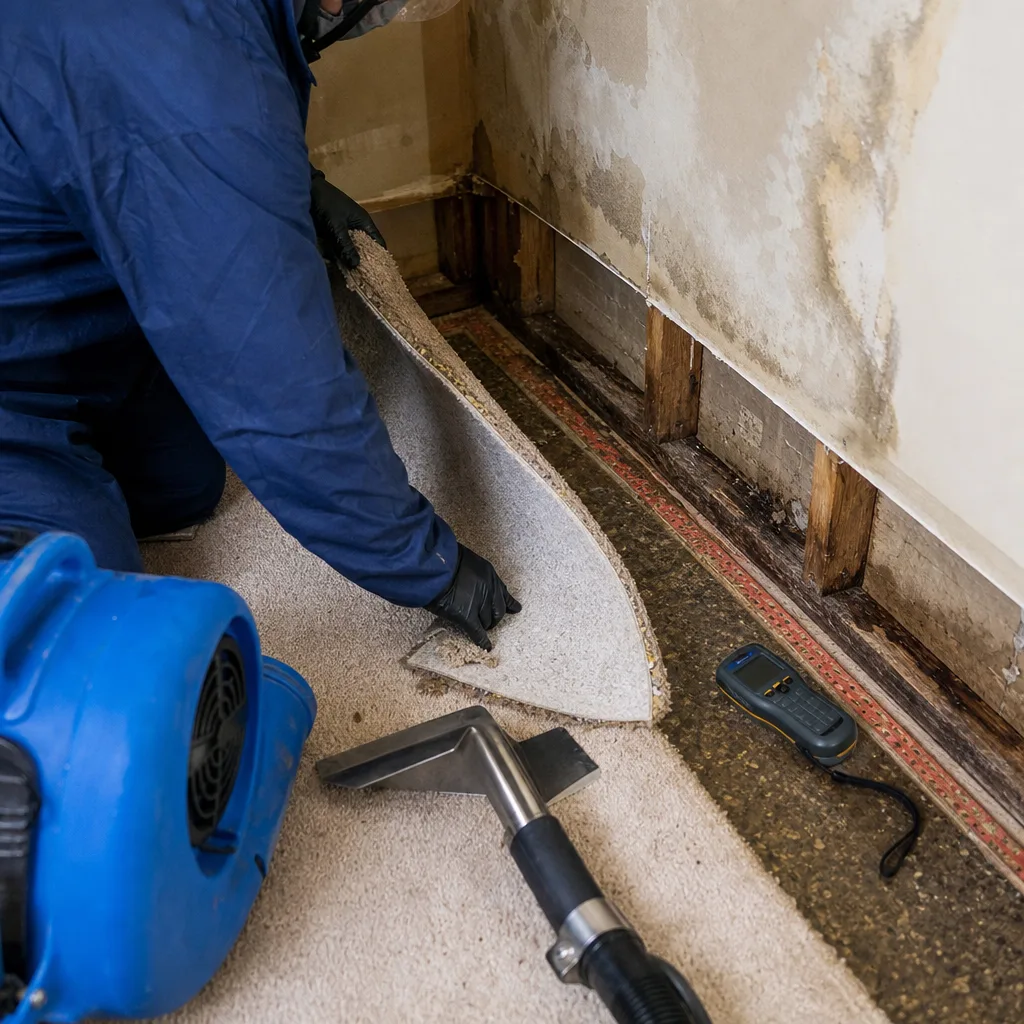
- Passive drying failure from marine-layer humidity. Crews run standard protocols that work inland, but Santa Monica’s ambient RH stays high enough that materials don’t reach dry standard before mold colonizes. We go straight to aggressive dehumidification and moisture mapping on every Santa Monica job.
- Tight urban access delaying critical first hours. Narrow townhome doors, alley-load garages with rolling-code remotes, and permit-only street parking slow equipment staging. The first 24 hours of water extraction and structural drying get lost to logistics rather than moisture if the crew doesn’t know the building type.
- Soft-story retrofit penetrations creating hidden leak pathways. Santa Monica’s mandatory seismic retrofit ordinance required structural work throughout thousands of 1960s-70s apartment buildings; our techs regularly find that retrofit-era wall penetrations were improperly resealed, feeding chronic leaks behind new shear-wall hardware that owners mistake for new damage.
- Pre-war asbestos and lead paint triggering abatement requirements. The Craftsman bungalows near the Pico neighborhood frequently contain asbestos-containing drywall compound and lead paint. A scope that looks like simple burst-pipe repair can flip into licensed abatement and containment before any pack-out or antimicrobial treatment legally proceeds.
Pricing for Water Damage Restoration in Santa Monica, CA
Here’s what water damage restoration costs in Santa Monica’s market:
| Service | Typical Range |
|---|---|
| Emergency water extraction | $1,200 - $2,400 |
| Structural drying & dehumidification | $1,600 - $5,100 |
| Category 1 (clean water) full restoration | $2,800 - $5,500 |
| Category 2 (gray water) with antimicrobial | $4,200 - $7,500 |
| Category 3 (black water) with abatement | $7,000 - $14,000+ |
| Ceiling/roof leak drying (per affected room) | $1,800 - $3,400 |
| Hardwood floor Injectidry panel drying | $800 - $2,200 per area |
Three factors push Santa Monica jobs toward the higher end: the aggressive dehumidification required by coastal humidity (more equipment, longer run times), the frequent discovery of asbestos or lead requiring licensed abatement, and the soft-story retrofit penetrations that expand the affected area beyond the obvious leak point. Every job gets a written price before work starts - Haven Standard, Clause 1 - and we offer a Free Second Opinion on any competitor’s written estimate. Call (213) 816-0810 for your exact quote; estimates are free.
We Also Serve Cities Near Santa Monica
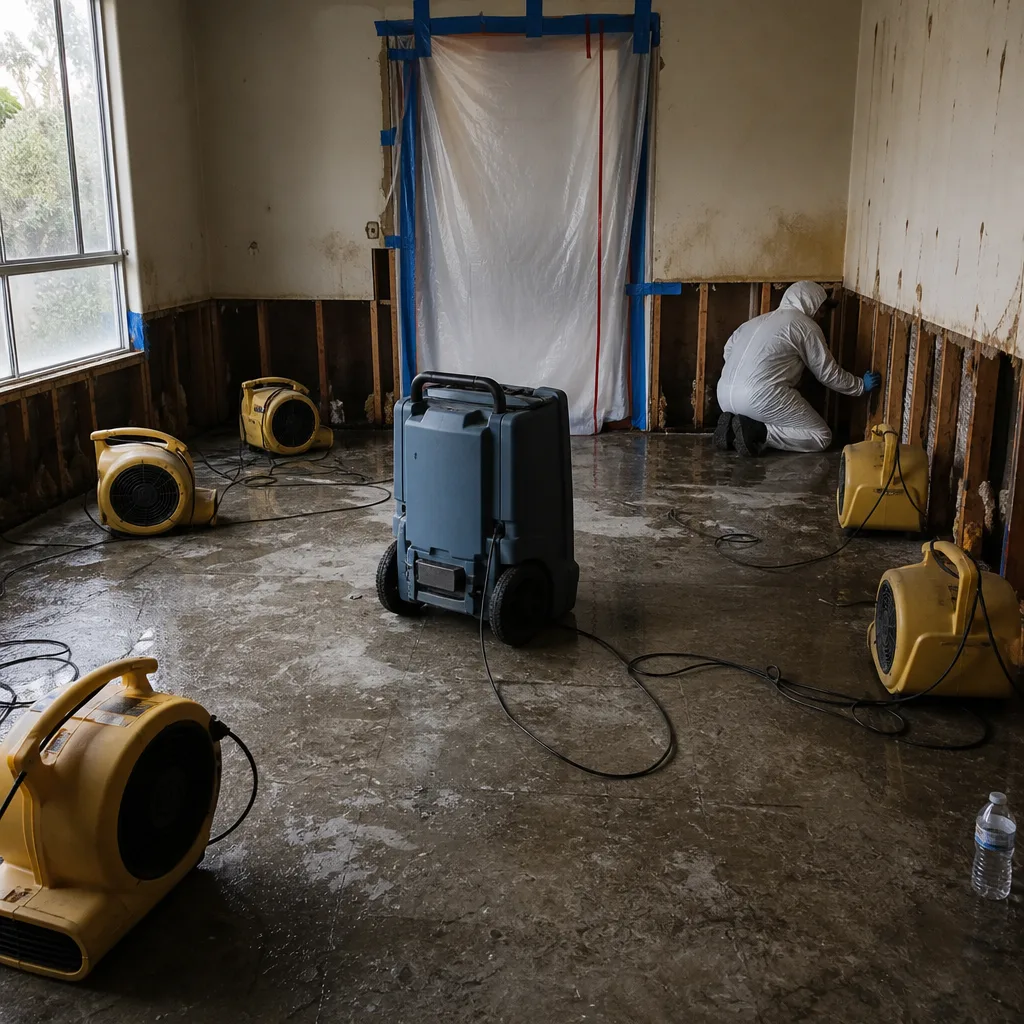
Our Water Damage Restoration teams respond throughout the Westside. We regularly handle jobs in Venice, Pacific Palisades, Marina del Rey, and Playa del Rey - each with its own coastal humidity profile, but none with Santa Monica’s particular combination of soft-story retrofit stock and rent-controlled density. If you’re in Santa Monica proper, you get the crew that knows your building type.
Serving Santa Monica, CA - Our Local Coverage Area
We’re based in the Santa Monica area and know this community well. Use the map below to see our service coverage - if you’re nearby, we can almost certainly help.
FAQs - Water Damage Restoration in Santa Monica
Within 4-6 hours. The marine layer that sits on Santa Monica most mornings keeps ambient relative humidity above 80-90% for much of the year, so even a Category 1 supply-line leak will not dry passively the way it would in Culver City or the Valley. Mold colonization begins on wet drywall in 24-48 hours at these humidity levels. We deploy Phoenix and Dri-Eaz dehumidifiers with XPOWER air movers immediately, not after a “wait and see” period. Call (213) 816-0810 and we’ll get a crew moving.
Yes. We’ve dried units accessed only by alley-load garages with rolling-code remotes, run hoses up second-floor balconies on Ocean Park Boulevard, and staged equipment on Montana Avenue with permit-parking coordination. Our techs carry portable extraction and dehumidification units sized for tight clearances, and we plan access before we dispatch. If your building has specific entry protocols, we’ll document them in your file and follow them on every visit.
Because the coastal marine layer prevents passive drying. In drier climates, a small leak might dry on its own if caught quickly. In Santa Monica, ambient humidity keeps materials wet long enough for mold spores to colonize. Add in the soft-story retrofit penetrations that create hidden moisture reservoirs behind walls, and a leak that looks minor from the living room can support extensive mold growth in the cavity. We moisture-map the full cavity on every call, not just the visible damage.
Expect that we may find improperly resealed wall penetrations from the retrofit work. Santa Monica’s mandatory soft-story ordinance required structural modifications to thousands of buildings; our techs regularly discover that bolt holes and shear-wall penetrations were never properly sealed after installation, creating chronic leak pathways behind new hardware. When we open a wall for water damage repair, we photo-document the condition of all retrofit penetrations and include any necessary resealing in your written scope. If drilling disturbed asbestos-containing drywall compound, we’ll flag that for licensed abatement before proceeding.
Yes. Category 2 (gray water, including storm-drain overflow on Pico Boulevard or Olympic Boulevard) requires antimicrobial treatment and more aggressive material removal than Category 1. Category 3 (black water, including seawater intrusion or sewage backup) demands full containment, HEPA air filtration, and often removal of porous materials that Category 2 might allow us to dry. We classify the water source on arrival, document the classification with photos, and build your written scope accordingly. Your insurer will require this documentation to approve the higher-tier protocol.
Water damage in Santa Monica doesn’t behave like water damage inland. The marine layer, the retrofit-era building stock, and the tight urban access all demand a crew that knows this specific city. We document every step, quote every job in writing before we start, and stand behind the work with our 365-Day Done Right Promise under The Haven Standard. Call (213) 816-0810 for a free estimate - a live person answers, 24 hours a day, 7 days a week.
Written by Alicia Brennan, Owner at Back to Dry Restoration, serving Santa Monica since 2011.