
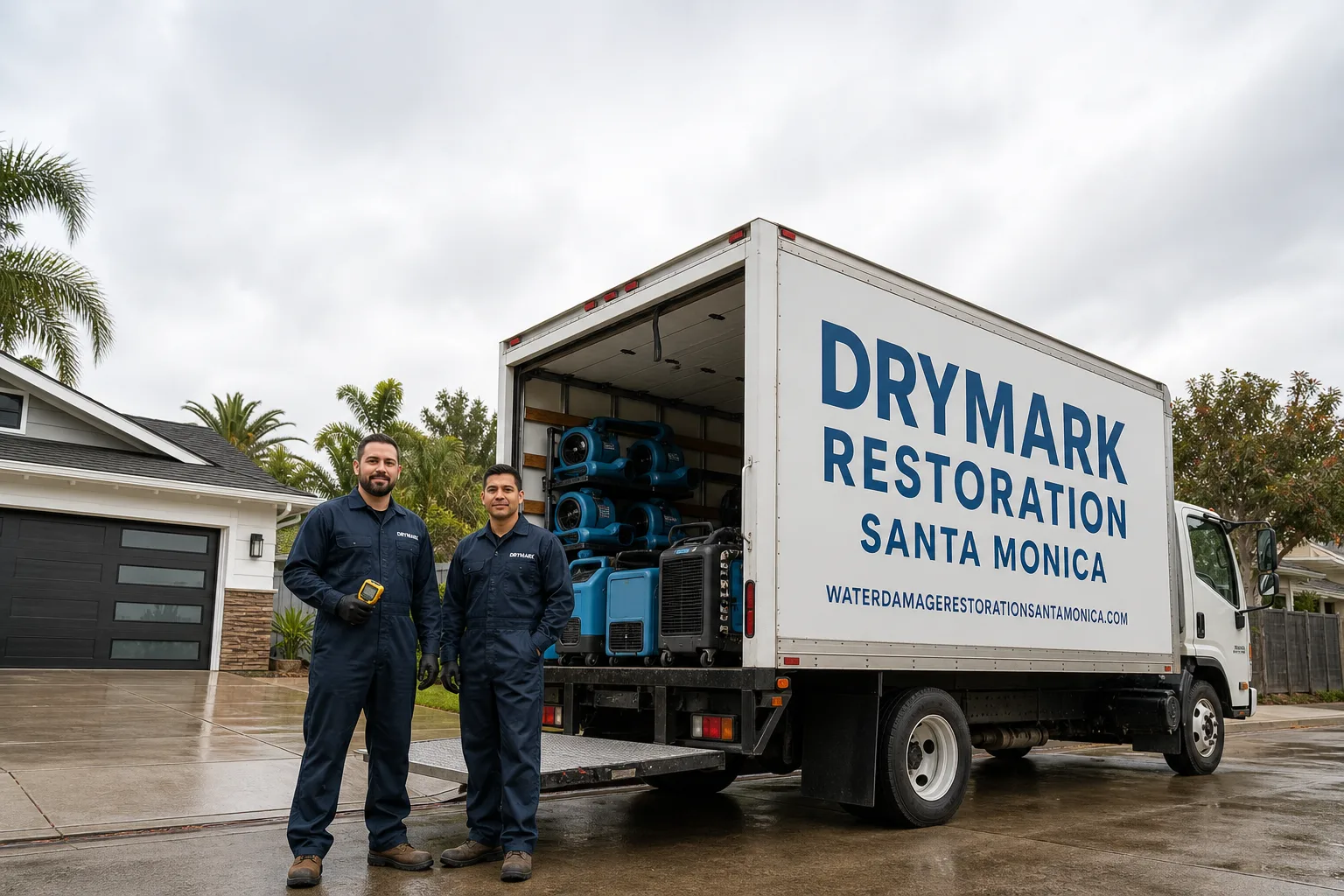
Free visual inspection and a written scope of work before any mitigation begins - photos, moisture readings, and drying logs go in your claim file
The scope we write is the scope we bill. Anything new gets shown to you, in writing, before we touch it.
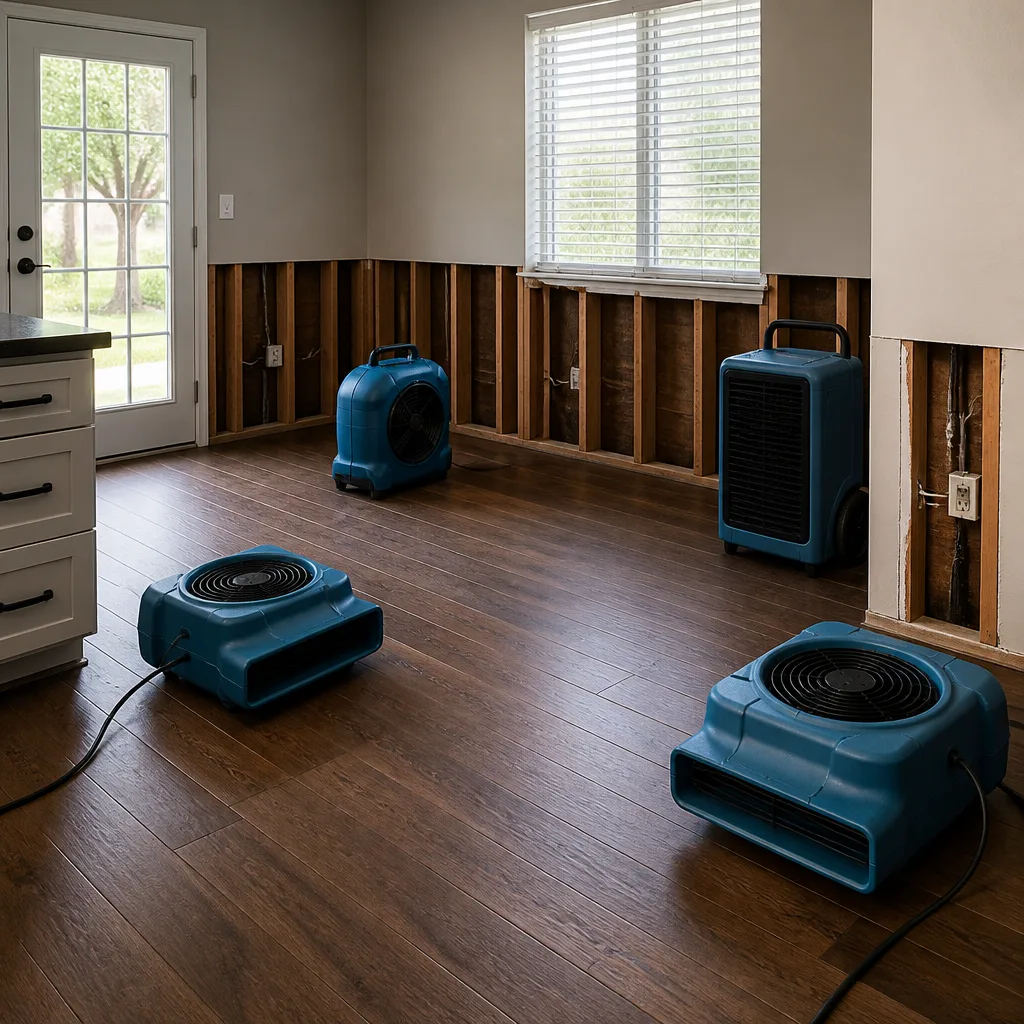
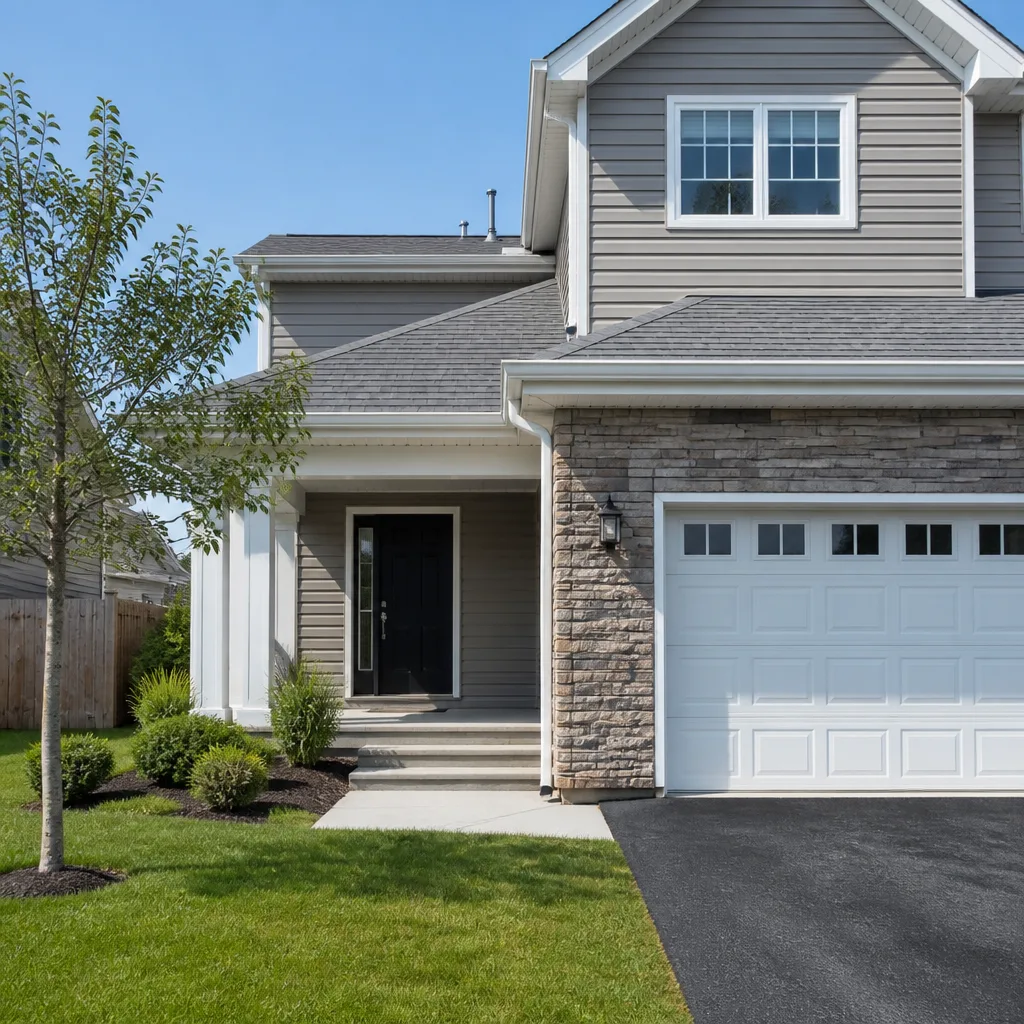
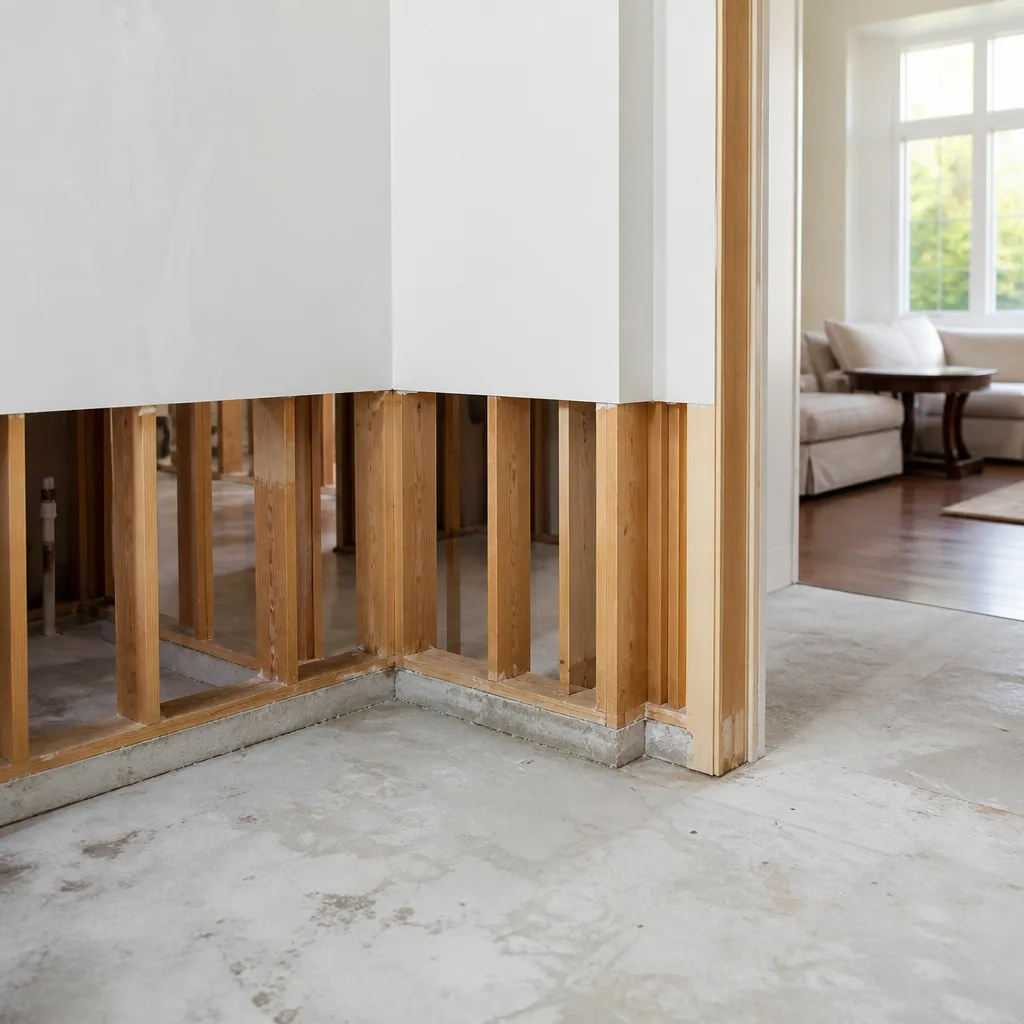
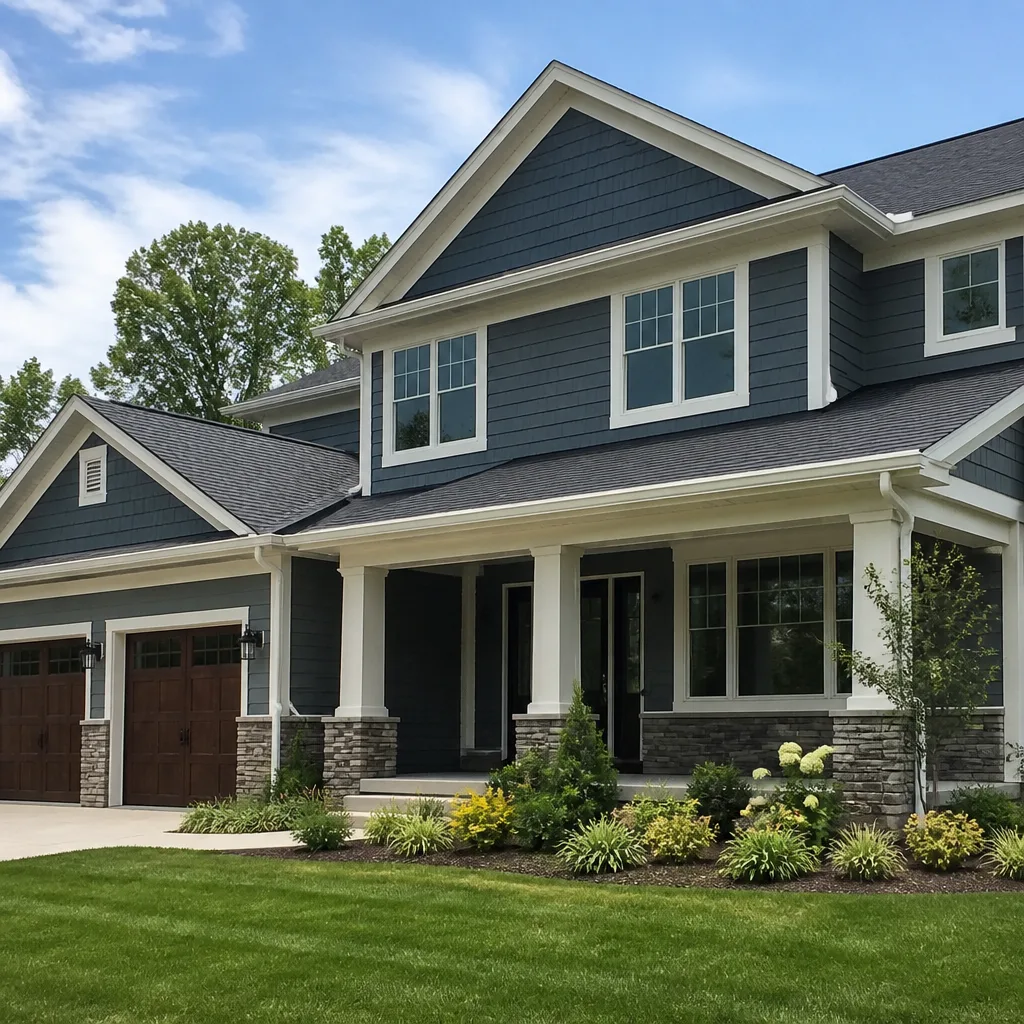
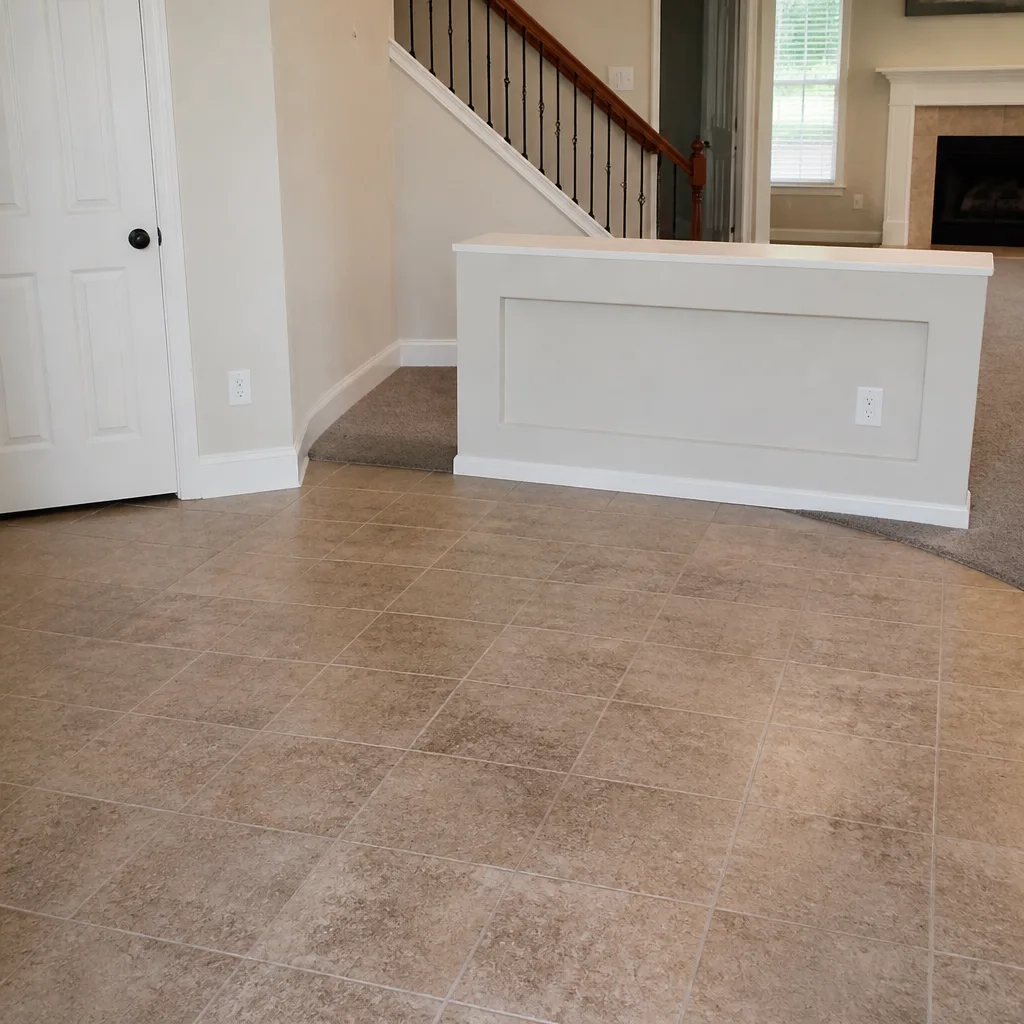
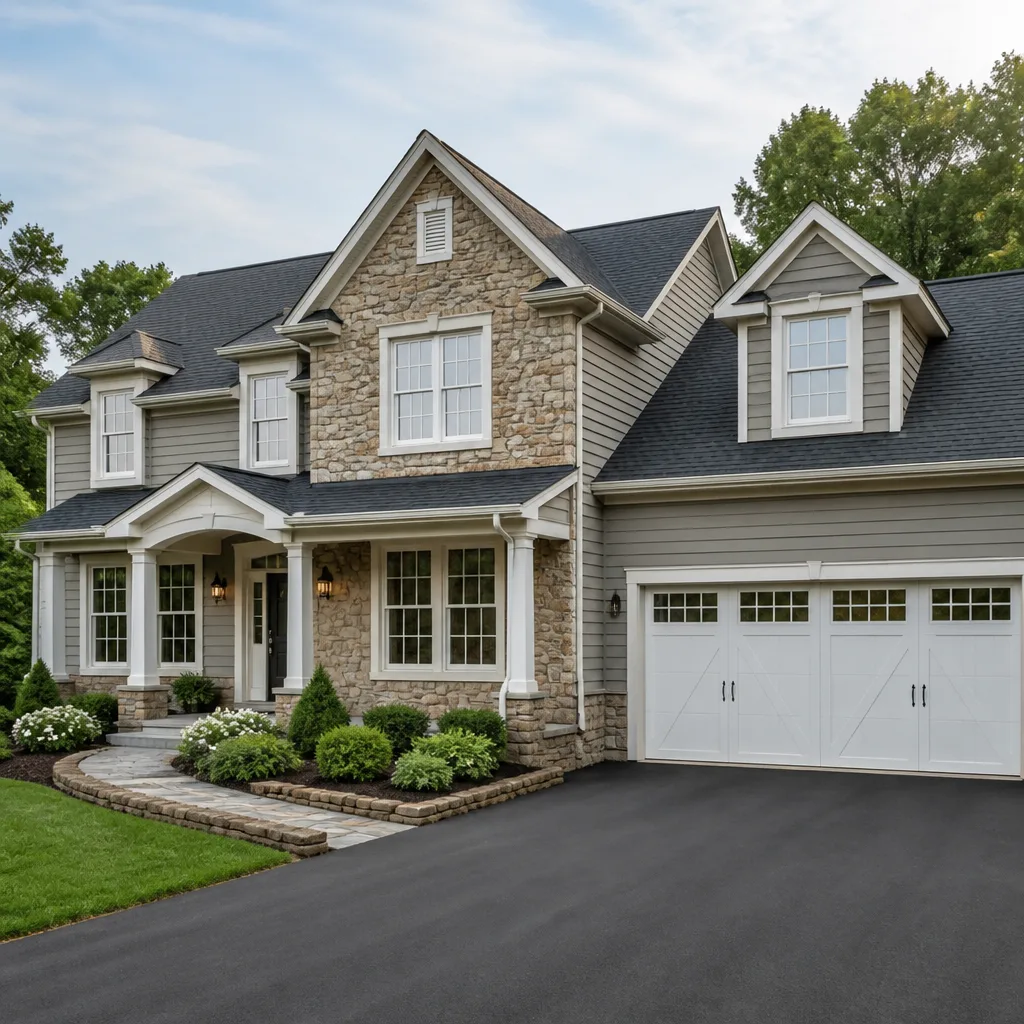
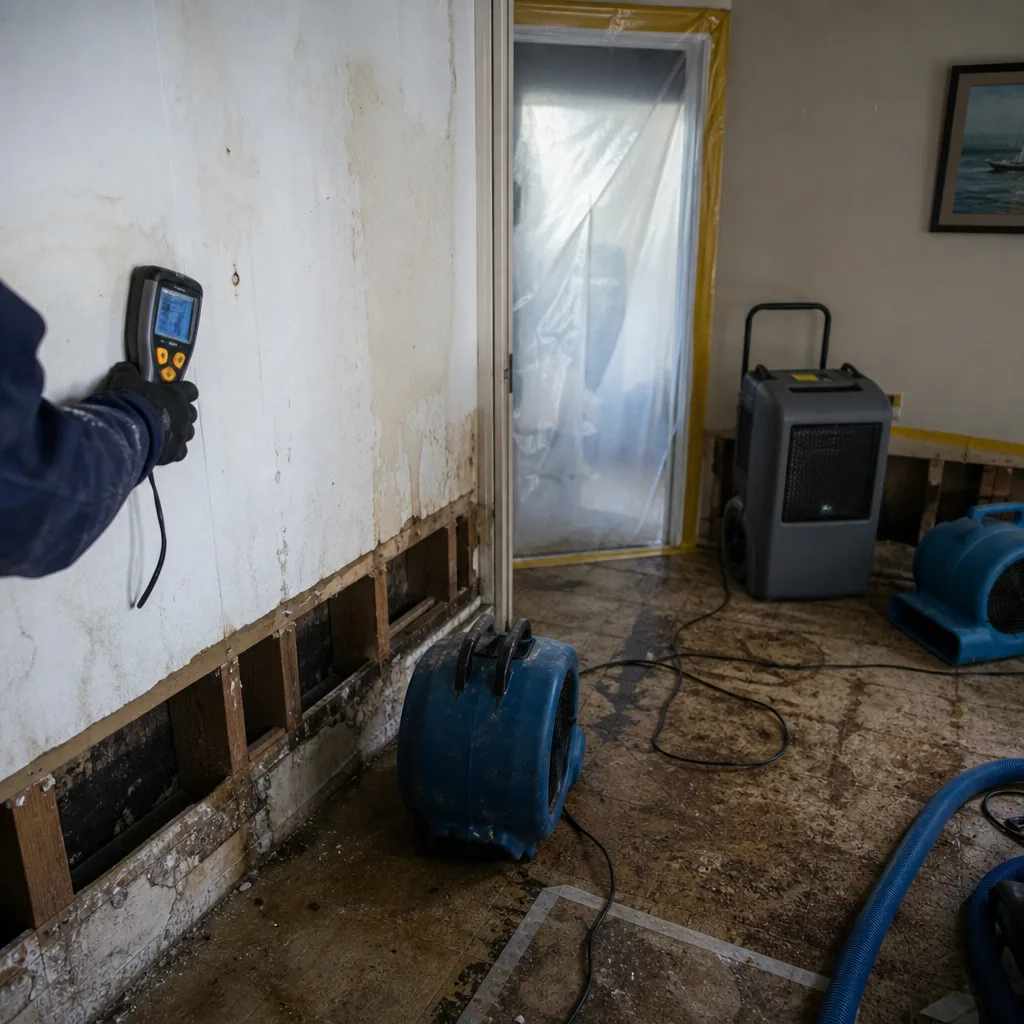 Before
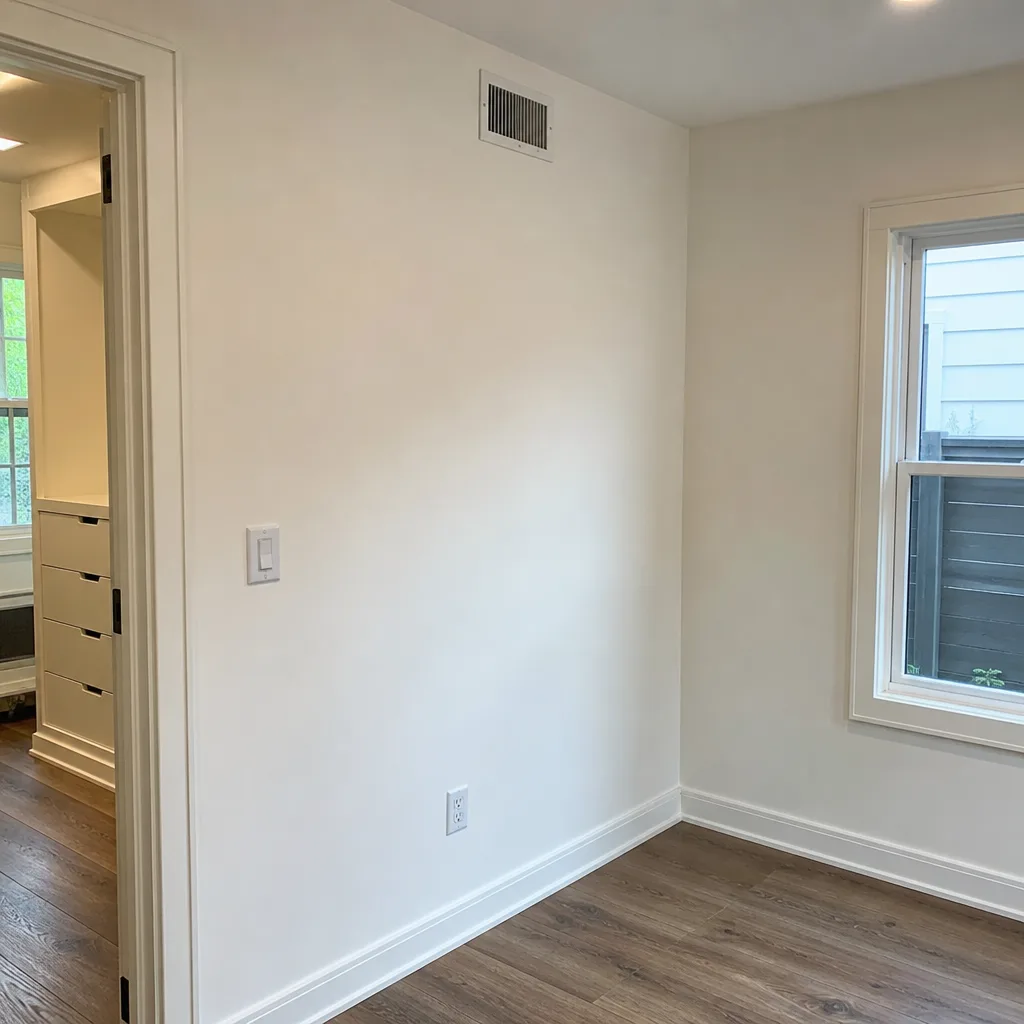 After
After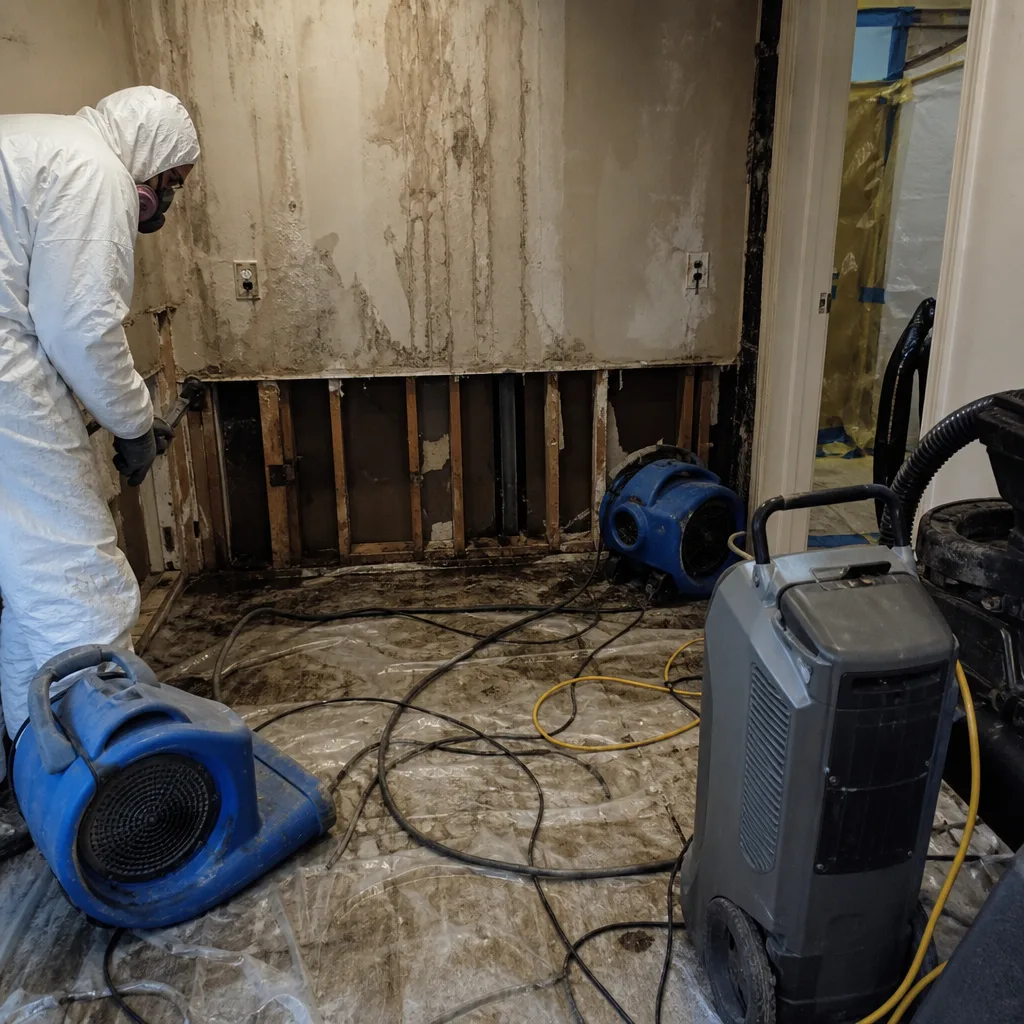 Before
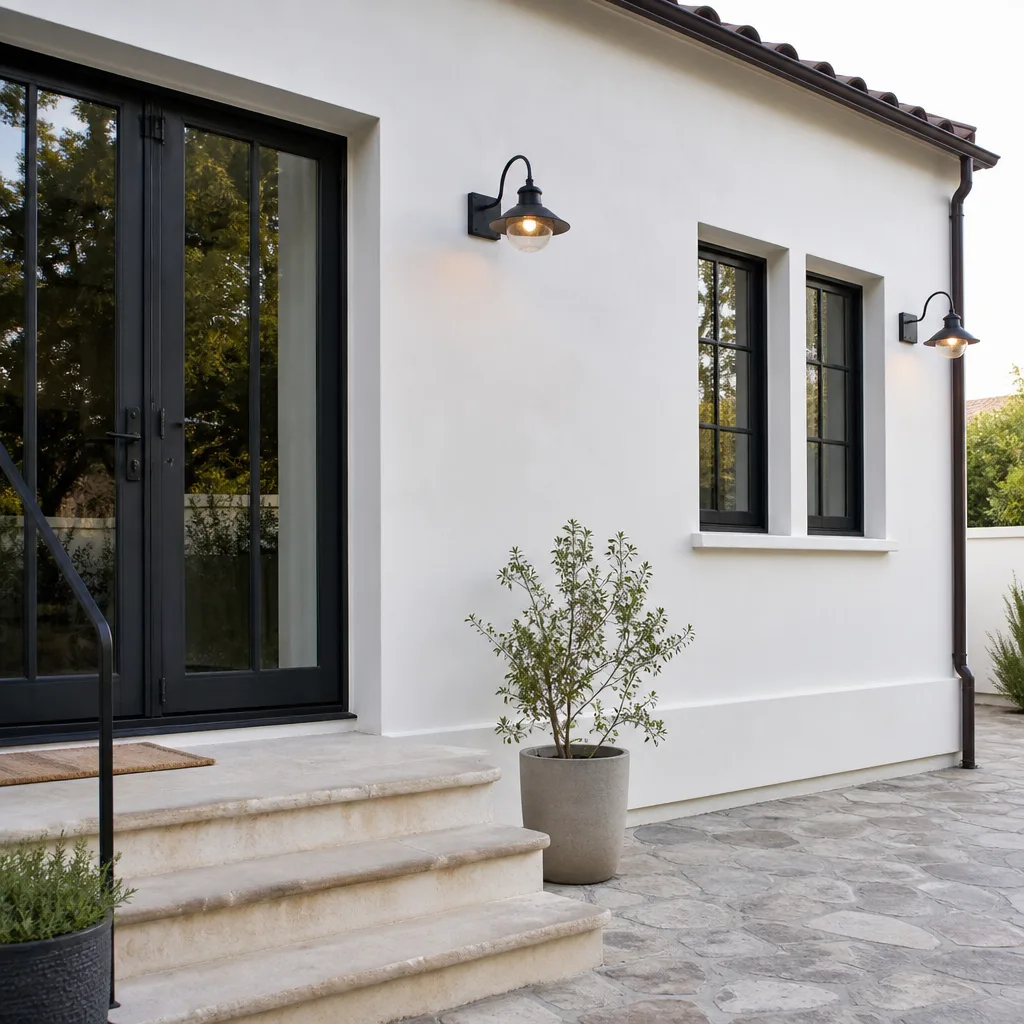 After
After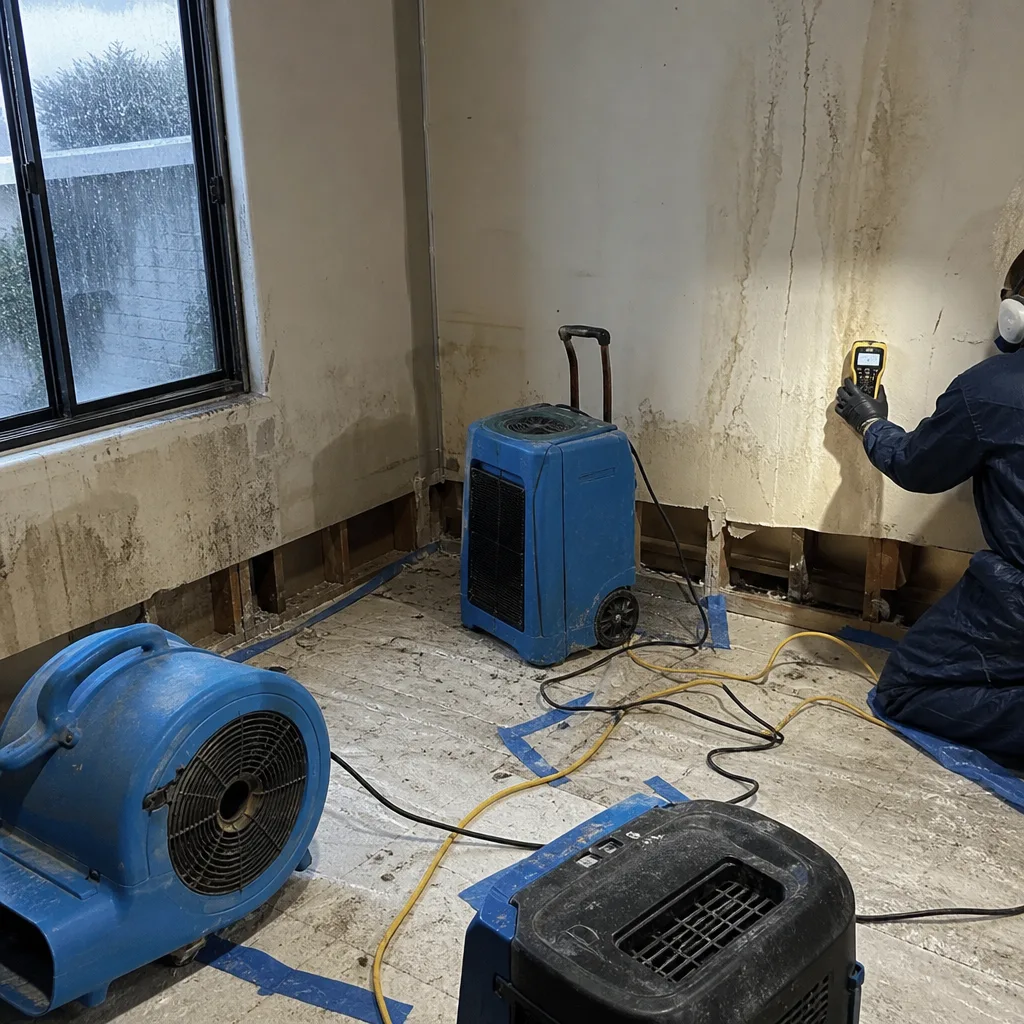 Before
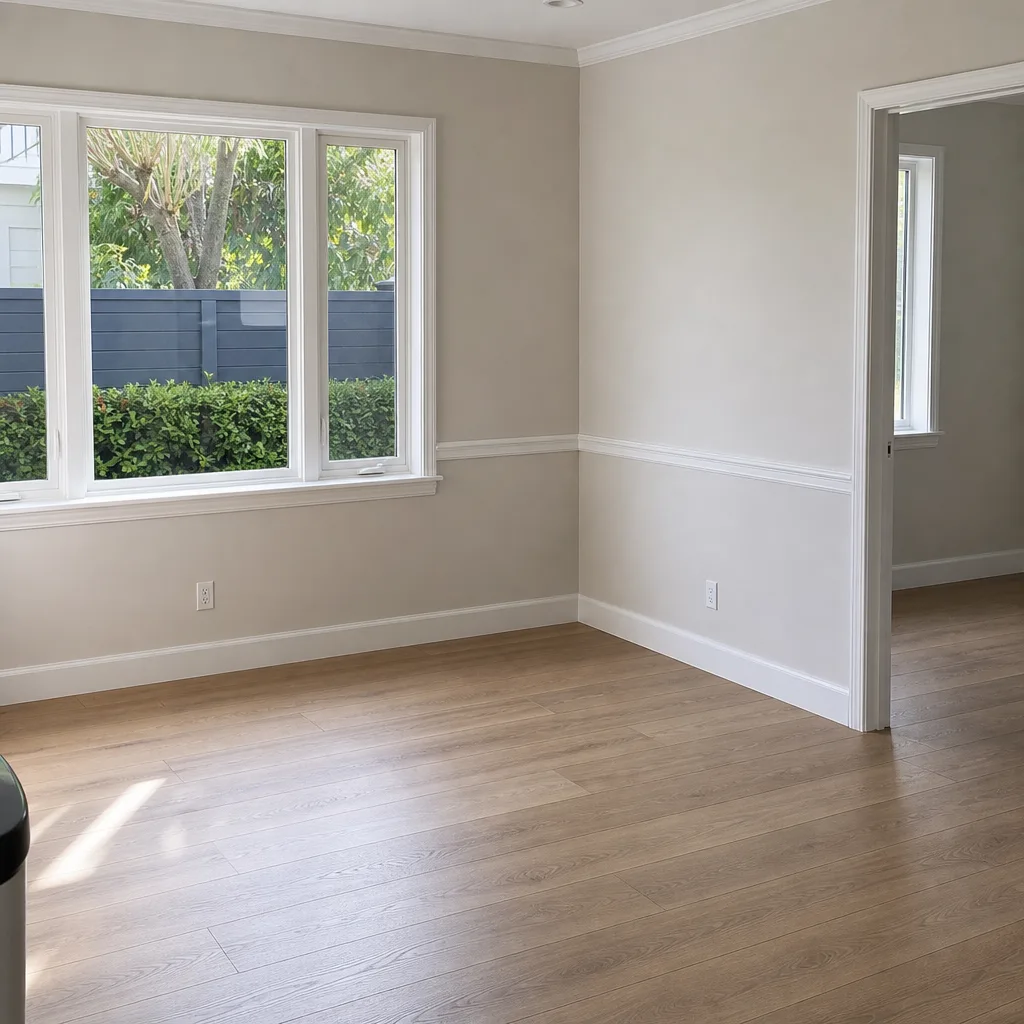 After
AfterFast, Reliable Water Damage Restoration Across Culver City
Water damage restoration in Culver City typically costs between $2,800 and $7,500 for a standard residential mitigation, with emergency extraction starting around $1,200 and full structural drying with dehumidification running $3,500-$6,000 depending on affected square footage and material type. Most jobs begin same-day when you call (213) 816-0810, and our crews are dispatched from our Los Angeles office with direct routes to Culver City neighborhoods including Carlson Park, Fox Hills, and the Washington Boulevard corridor. We also provide Fire & Smoke Damage Restoration in Culver City for homes affected by fire losses. We know the 1920s-1950s bungalows and Spanish Colonials that define this city’s housing stock, and we document every moisture reading to the standard that Culver City’s building department and your insurer both expect.
Why DryMark Restoration Santa Monica Is Culver City’s Preferred Water Damage Restoration Company
We’ve restored water-damaged homes across Culver City since 2011, and our reputation here is built on what we put in writing before anyone touches your property. Alicia Brennan founded Back to Dry Restoration as a former claims adjuster who watched too many homeowners lose coverage fights because their restoration company couldn’t produce documented moisture logs or a written scope of work. That won’t happen on our watch.
Our Culver City customers leave reviews that mention the same thing: the crew showed up named and licensed, the price was written and signed before work started, and the photo record arrived by email before the equipment left. We answer live, 24 hours a day, 7 days a week - no voicemail while water is still moving through your walls. And our Water Damage Restoration in Culver City coverage means we’re familiar with the specific challenges of marine-layer moisture in coastal-adjacent homes, not just the generic playbook for inland drying.
Our Water Damage Restoration Services in Culver City
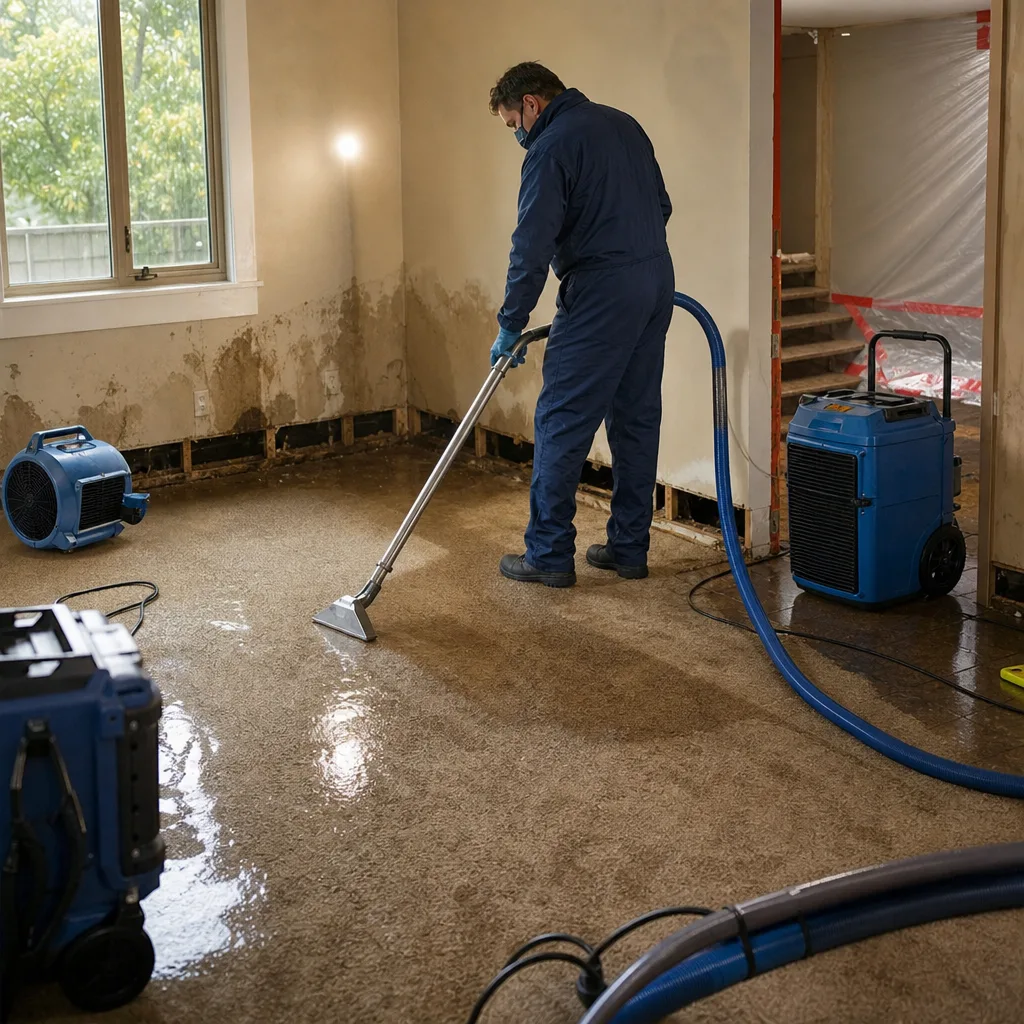
Emergency Water Extraction
A burst pipe at 2 a.m. in a Carlson Park bungalow doesn’t wait for business hours. We extract standing water with truck-mounted and portable systems, then immediately begin moisture mapping with thermal imaging and pinless meters to find what the eye can’t see. In Culver City’s older homes, water travels behind lath-and-plaster in ways that drywall houses don’t allow - we account for that in our first-hour assessment, not three days later when mold appears.
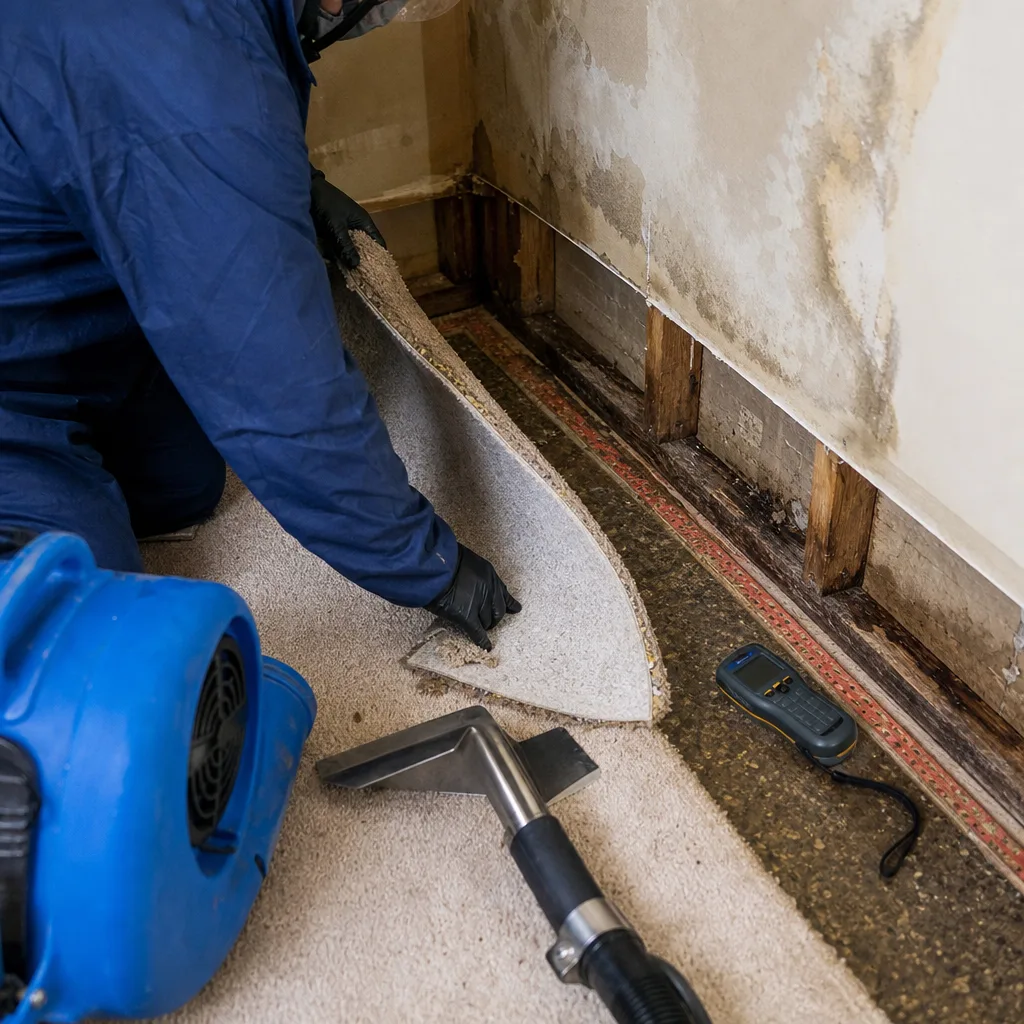
Structural Drying & Dehumidification
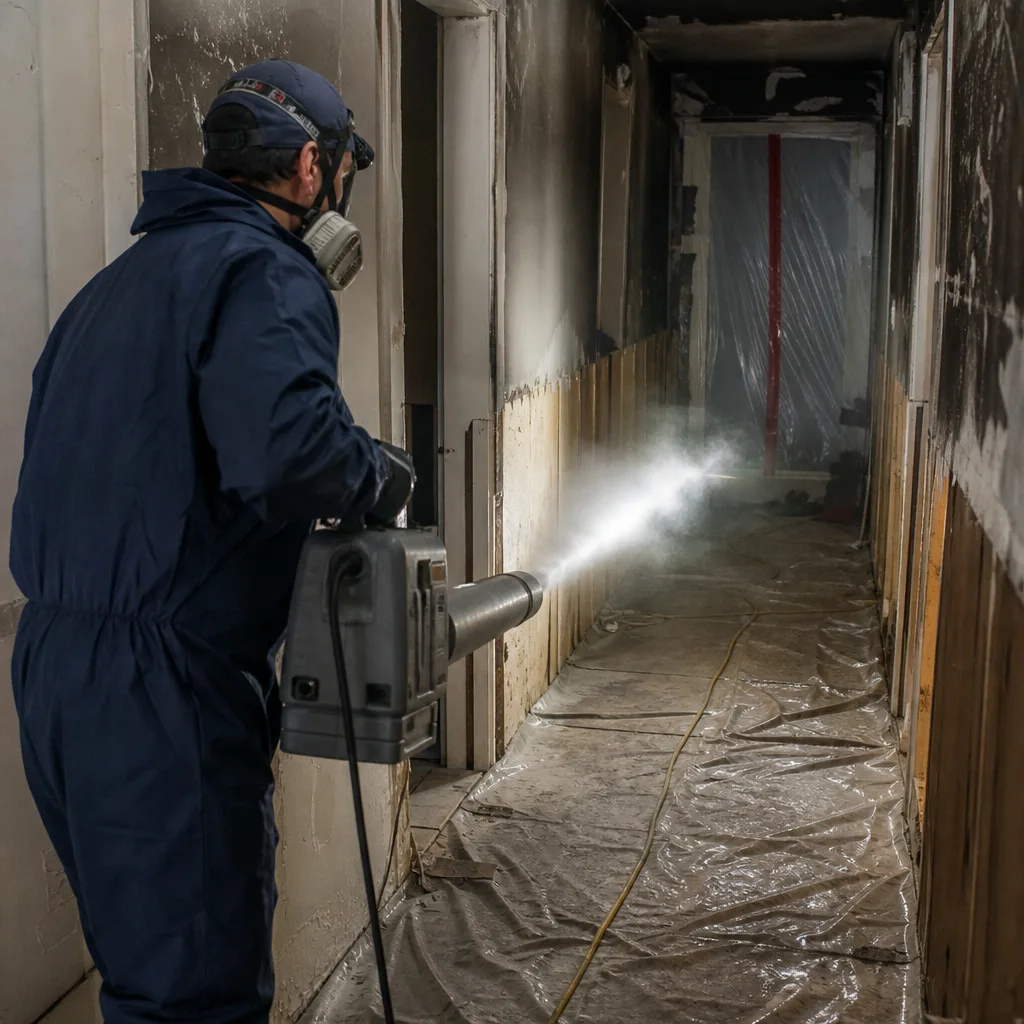
Here’s where Culver City’s geography changes the math. Our marine layer corridor keeps ambient humidity elevated long after inland cities like Inglewood have dried out, which means standard drying timelines don’t apply. We run Phoenix dehumidifiers and XPOWER air movers on calculated psychrometric schedules - that’s the science of measuring temperature, humidity, and vapor pressure to force moisture out of wood framing and plaster - and we don’t pull equipment until daily moisture logs prove materials have reached their dry standard. Tertiary drying, the final phase where we target bound water in dense materials, often runs 24-48 hours longer here than in drier microclimates. We document every reading so your insurer pays the full invoice without a coverage fight.
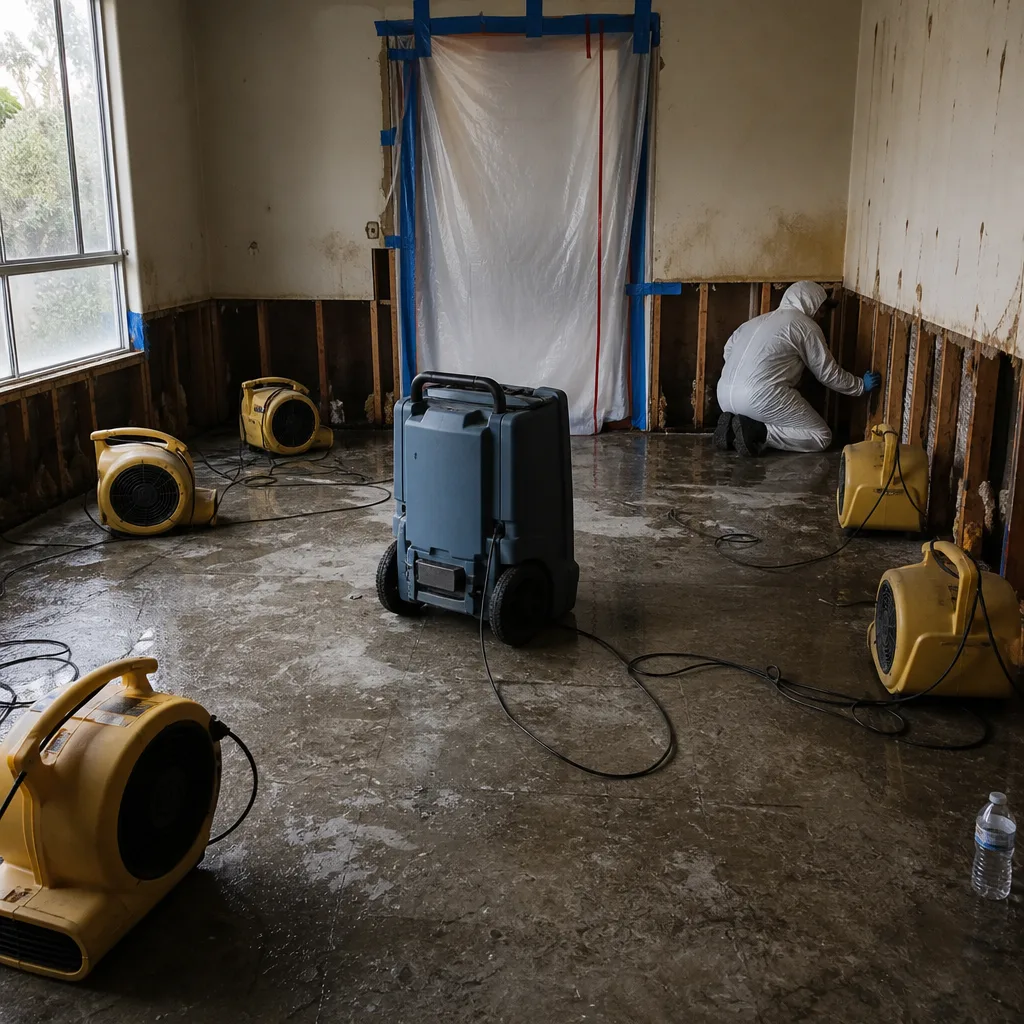
Flood Cleanup
During El Niño winters, flat parcels near Ballona Creek experience concentrated stormwater sheet-flow that infiltrates crawl spaces and slab perimeters even when streets look clear. We handle Category 3 floodwater with full PPE, antimicrobial treatment, and engineered drying plans that account for contaminated soil intrusion. Every flood cleanup in Culver City gets photo documentation before, during, and after - standard deliverable, never an upsell - because flood claims face the highest scrutiny from adjusters.
Burst Pipe Restoration
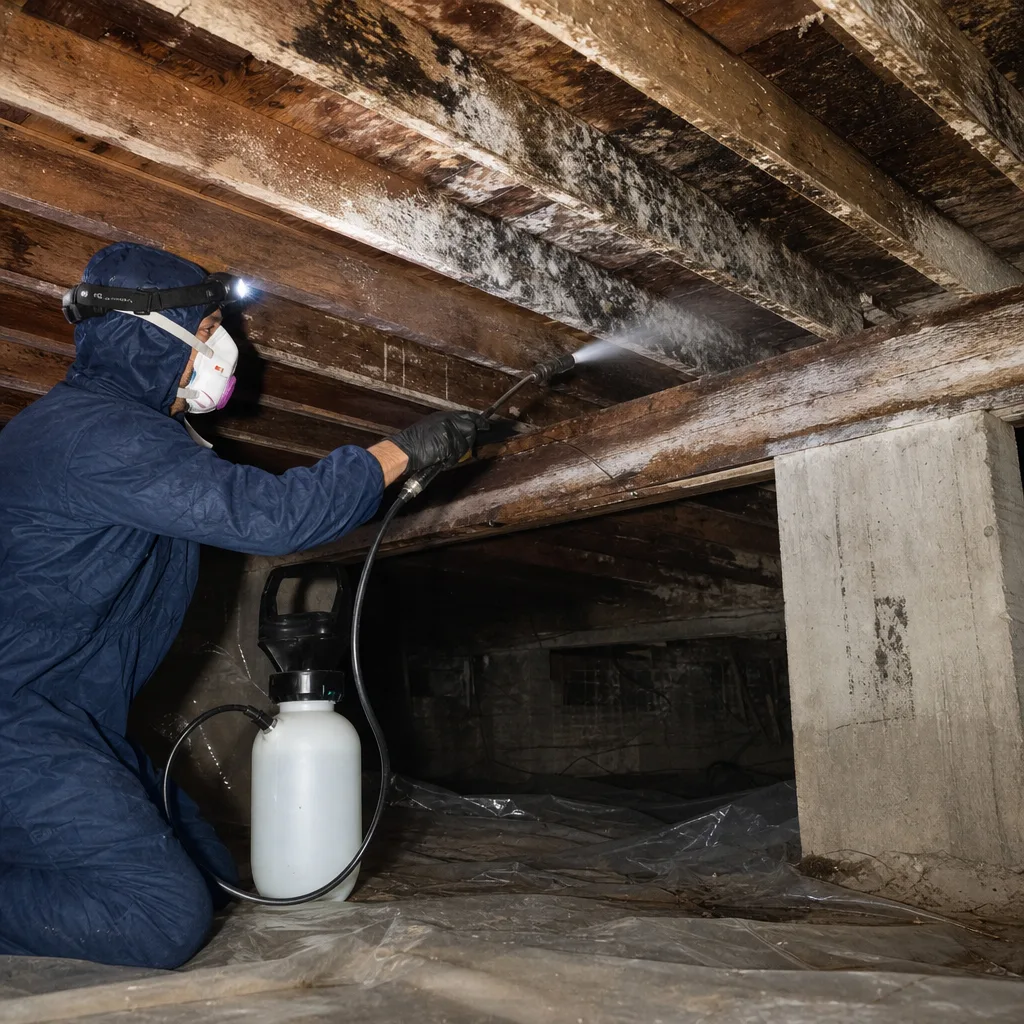
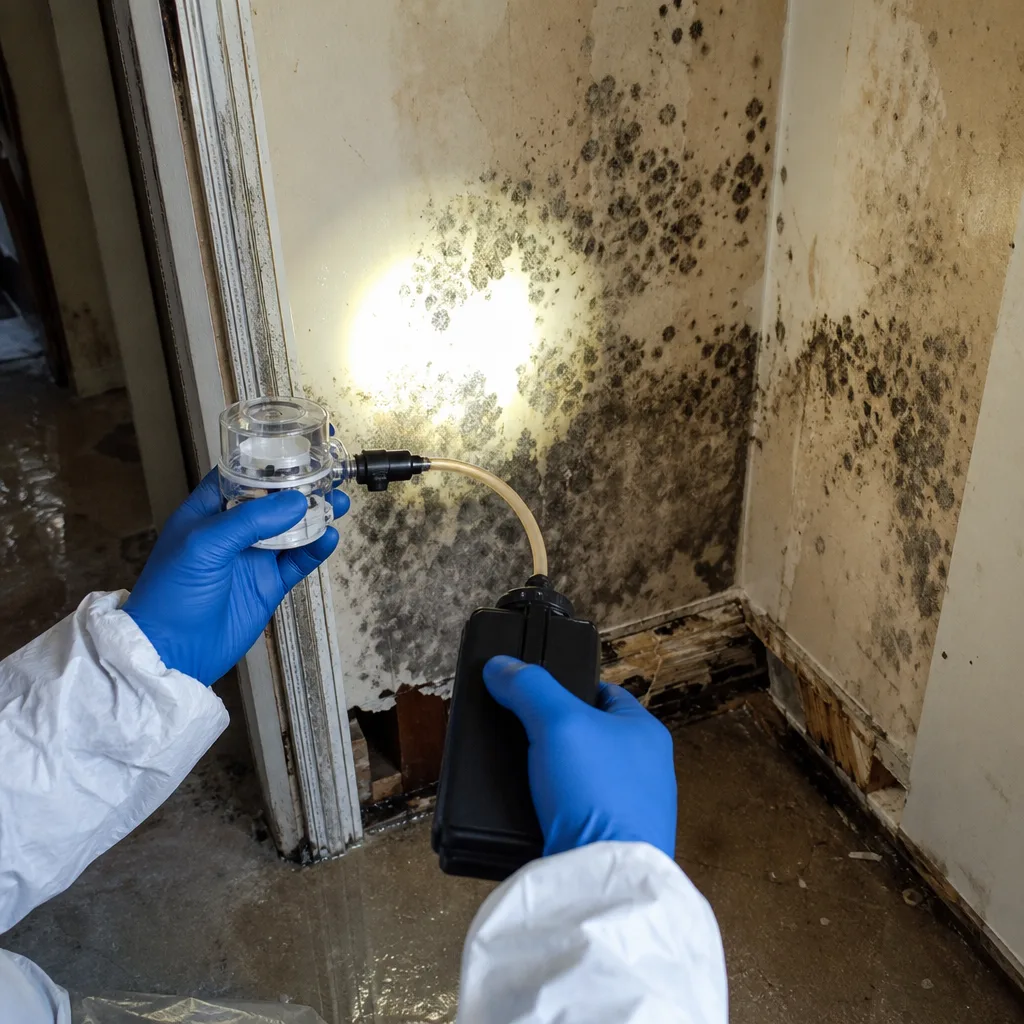
Original galvanized plumbing in Culver City’s 1920s-1950s housing stock fails predictably at joints and elbows, but the visible leak is rarely the whole story. Our crew responded to a burst galvanized supply line in a 1938 Craftsman near Carlson Park; moisture mapping with a Protimeter and thermal camera showed the visible water was a Category 1 line break, but hidden readings of 24-30% WME behind the plaster confirmed years of slow intrusion from marine layer humidity feeding mold colonies. We set containment, performed water extraction, applied antimicrobial treatment, then ran Injectidry wall-cavity drying with Phoenix dehumidifiers and air movers for four days, documenting drying logs to satisfy Culver City’s building department re-permit requirement. The homeowner avoided a full tear-out but we still had to replace a section of water-damaged baseboard and re-plaster two wall cavities under the approved scope of work. Haven Standard, Clause 1: the written price came before any of it started.
What happens when you call
- 1
A real person answersNo phone trees - you reach a local pro.
- 2
You get an upfront price rangeHonest numbers before anyone is dispatched.
- 3
A background-checked tech heads outLicensed & insured, dispatched right away.
- 4
You approve before work beginsNothing starts until you say go.
 Before
 After
AfterTrusted Brands We Service in Culver City
We deploy professional-grade drying systems from Dri-Eaz, Phoenix, XPOWER, B-Air, and Injectidry on Culver City jobs, with equipment selected for the specific moisture load of marine-layer-affected structures. Injectidry’s wall-cavity injection systems are particularly critical here - they force dry air through the voids behind original lath-and-plaster where conventional air movers can’t reach. We stock local inventory for rapid deployment, and every machine’s output is logged against IICRC and RIA standards to produce the documentation your adjuster needs. No equipment arrives unnamed or uncalibrated; we track serial numbers and maintenance records because your claim depends on that chain of custody.
Common Water Damage Restoration Problems We See in Culver City Homes
- Marine layer mold behind lath-and-plaster. Culver City’s persistent morning fog keeps crawl spaces and wall cavities measurably wetter than inland cities, accelerating mold colonization that homeowners only discover when a pipe leak finally breaks through. Thermal imaging finds it before tear-out confirms it.
- Galvanized pipe failure in original plumbing. The 1920s-1950s bungalows near Washington Boulevard and Carlson Park still run galvanized supply lines at end-of-life. A pinhole spray can saturate hidden wall cavities for days before visible staining appears, and by then the Category 1 loss has become Category 2 from microbial growth.
- Fox Hills multi-family drain line collapse. The 1970s-era complexes in this neighborhood use original cast-iron drains that are now cracking at hubs. A single unit’s backup can affect multiple floors, requiring coordinated extraction, shared-area drying, and strict containment protocols per IICRC S520.
- Ballona Creek perimeter flooding without street overflow. During intense winter storms, subsurface hydrostatic pressure pushes water through slab edges and crawl space vents in low-lying western neighborhoods. The street looks dry; your foundation isn’t.
Pricing for Water Damage Restoration in Culver City, CA
We’re transparent about numbers because Haven Standard, Clause 1 demands a written price before work begins - every time, no exceptions. In Culver City’s market, typical ranges run as follows:
- Emergency water extraction (up to 1,500 sq ft affected): $1,200-$2,400
- Structural drying with dehumidification (3-5 day protocol): $3,500-$6,000
- Wall-cavity drying with Injectidry system (per affected room): $800-$1,400
- Antimicrobial treatment and containment setup: $600-$1,200
- Category 3 flood cleanup with full PPE and disposal: $4,500-$8,500
- Baseboard and plaster repair under approved scope: $1,500-$3,500
What moves you within these ranges: affected square footage, material classification (Category 1, 2, or 3), whether lath-and-plaster tear-out is required, and whether mold remediation protocols must run parallel to drying. Every estimate is free, and we offer a Free Second Opinion on any competitor’s written estimate - bring their scope and we’ll review it at no charge. Call (213) 816-0810 for exact pricing on your specific loss.
We Also Serve Cities Near Culver City
Our crews respond throughout the Westside and South Bay from our Los Angeles dispatch office, with regular service to Culver City neighbors including Marina del Rey, Playa del Rey, Venice, and Inglewood. Each area gets the same documented approach, adjusted for local building stock and microclimate conditions - what works in dry Inglewood won’t work in fog-bound Culver City, and we calibrate accordingly.
Serving Culver City, CA - Our Local Coverage Area
We’re based in the Culver City area and know this community well. Use the map below to see our service coverage - if you’re nearby, we can almost certainly help.
FAQs - Water Damage Restoration in Culver City
Because marine layer humidity has likely been pre-conditioning your wall cavities for months or years before the leak made itself visible. In Culver City’s marine layer corridor, crawl spaces stay measurably wetter than inland cities like Inglewood, so a reported slab-perimeter leak often masks months of mold growth behind lath-and-plaster that only a thermal/moisture map reveals. We moisture-map every Carlson Park job before declaring any loss “small.” Call (213) 816-0810 and we’ll show you the readings.
Fox Hills units have cast-iron drain lines, single-pane construction, and shared wall assemblies that complicate containment and drying - a leak in Unit 3B can migrate through fire-rated assemblies into 3A and 2B before anyone notices. Carlson Park bungalows have lath-and-plaster, minimal attic ventilation, and marine-layer saturation that drives mold in hidden cavities. Different building eras, different failure modes, different protocols. Our Water Damage Restoration team scopes each accordingly.
Re-permitting for any structural repair or material replacement beyond like-for-like restoration, plus documented drying logs proving materials reached acceptable moisture content before rebuild. For historic-fabric homes near Carlson Park or Washington Boulevard, the building department may require specific plaster matching or venting improvements. We include permit coordination in our written scope when applicable, with photo documentation that satisfies both the inspector and your insurer.
Ballona Creek’s watershed concentrates stormwater sheet-flow across flat western parcels, creating hydrostatic pressure that pushes water through slab perimeters and crawl space vents while the street above drains normally. It’s subsurface flooding, not overflow, and it carries Category 3 contamination from soil and runoff. We map the moisture intrusion path with thermal imaging and design drying protocols that address the full affected area, not just the wet spot you found.
Within 24 hours for Category 1, immediately for Category 2 or 3 - but in Culver City’s marine layer climate, mold colonization can begin in 24-48 hours even on Category 1 losses because ambient humidity slows natural evaporation. We answer live 24/7 and typically begin extraction within hours of your call. The faster we start documented drying, the less likely you’ll face secondary damage that turns a mitigation job into a full remediation. Call (213) 816-0810 - estimates are free, and the written price comes before any work starts.
Written by Alicia Brennan, Owner at Back to Dry Restoration, serving Culver City since 2011.