
Free visual inspection and a written scope of work before any mitigation begins - photos, moisture readings, and drying logs go in your claim file
The scope we write is the scope we bill. Anything new gets shown to you, in writing, before we touch it.
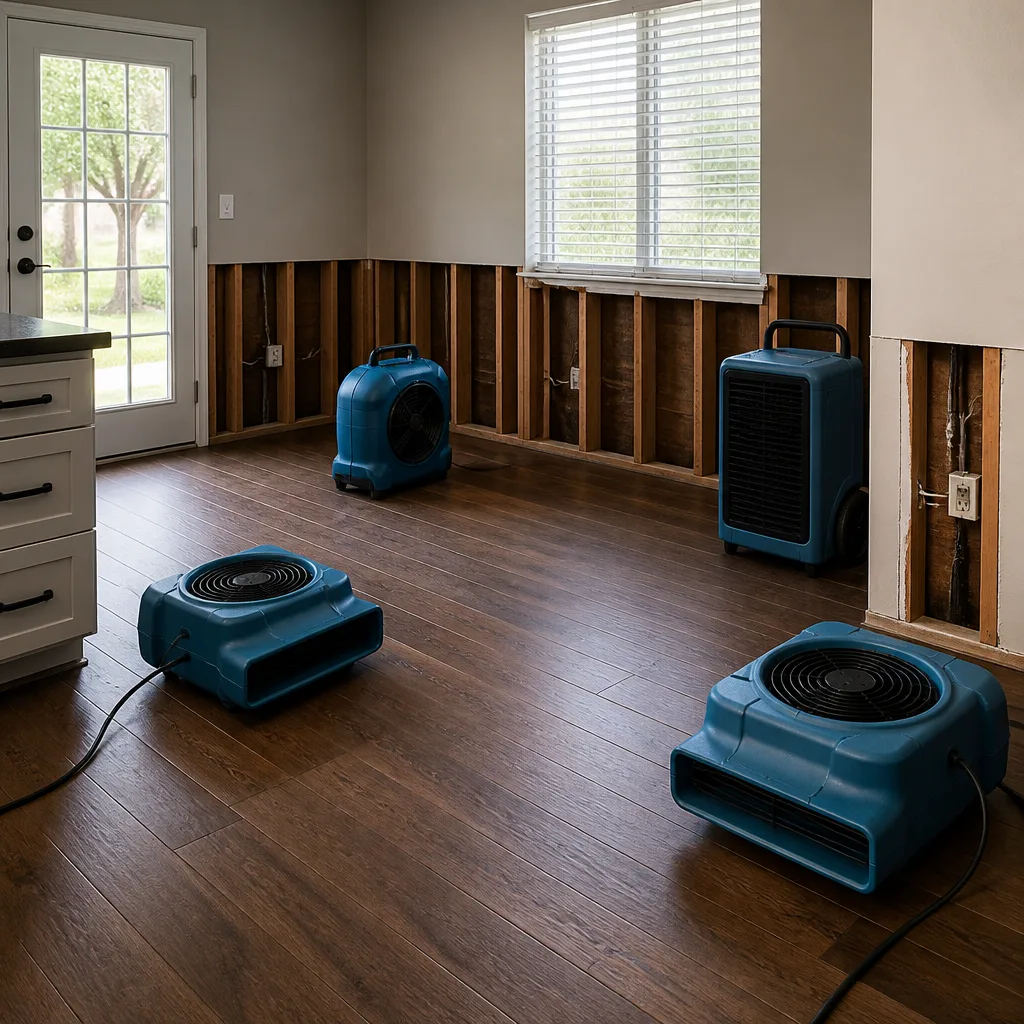
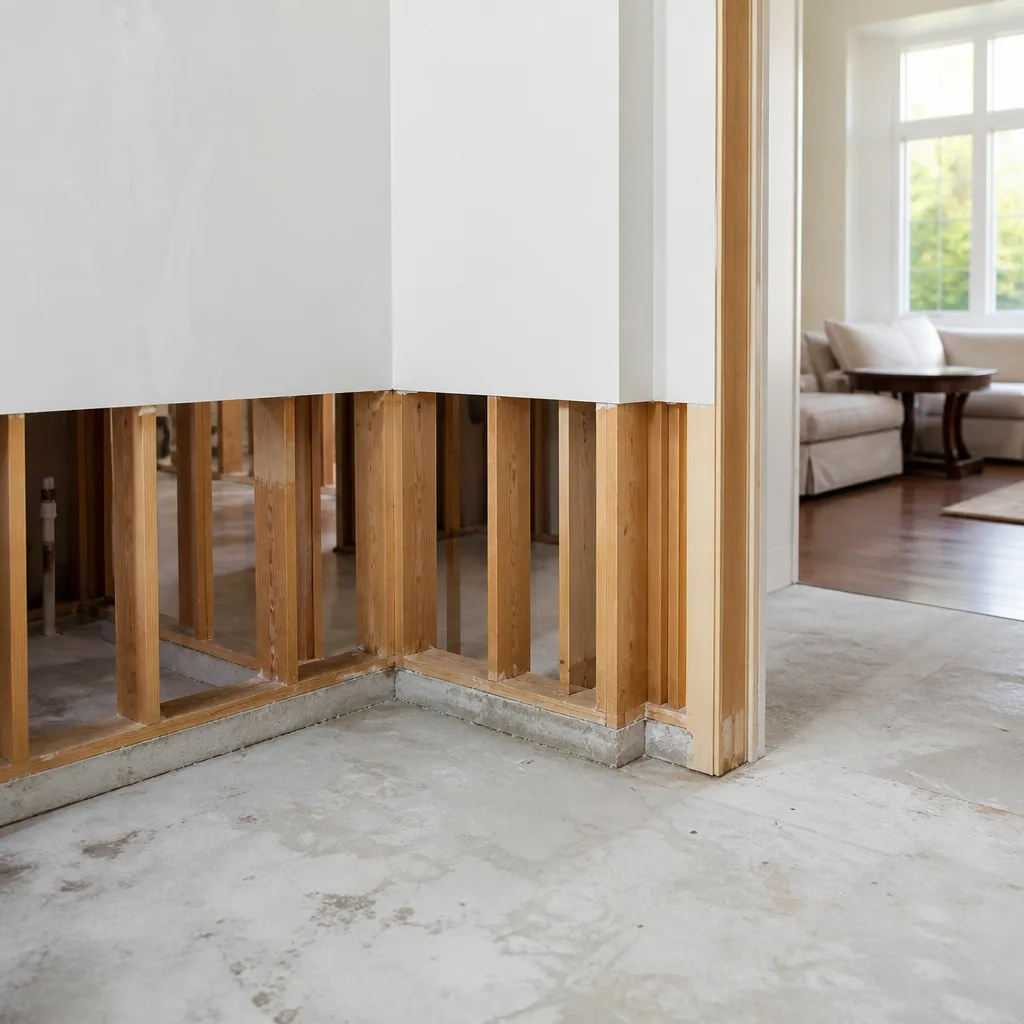
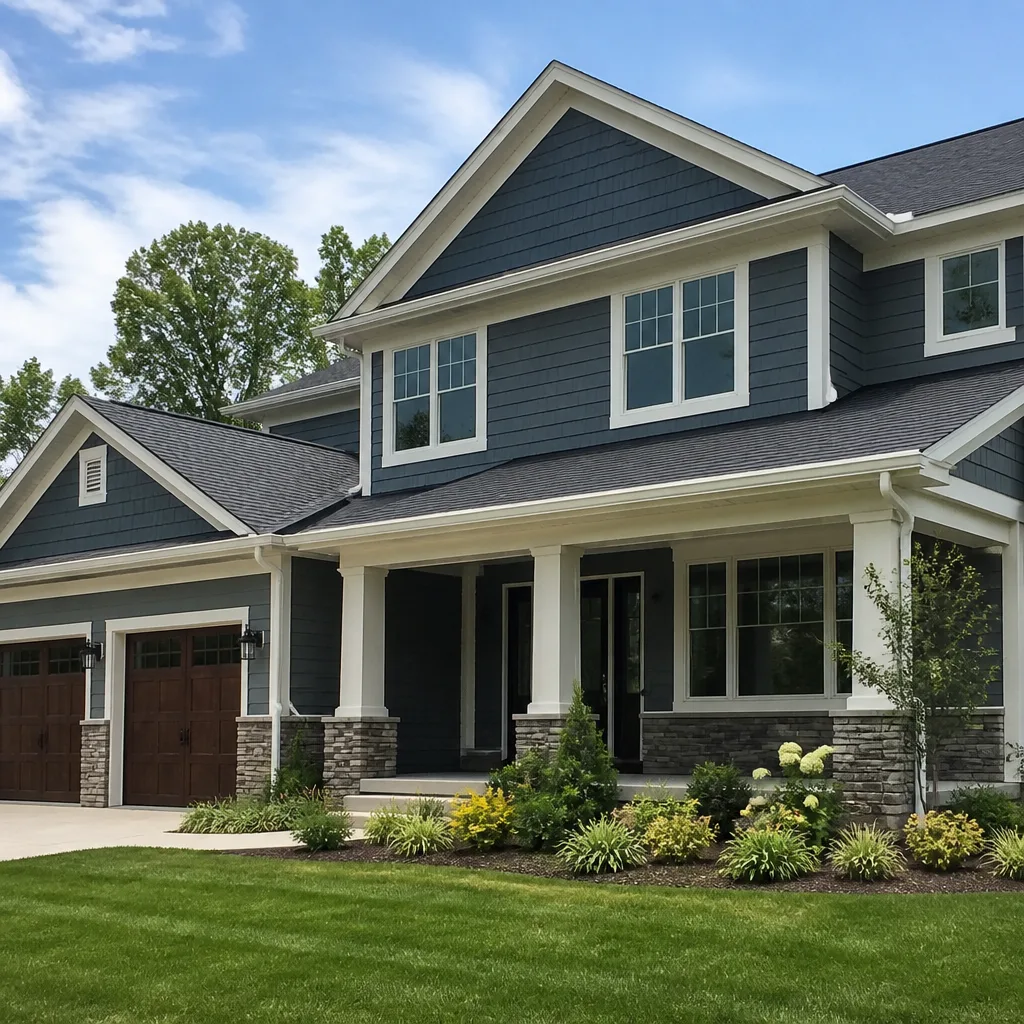
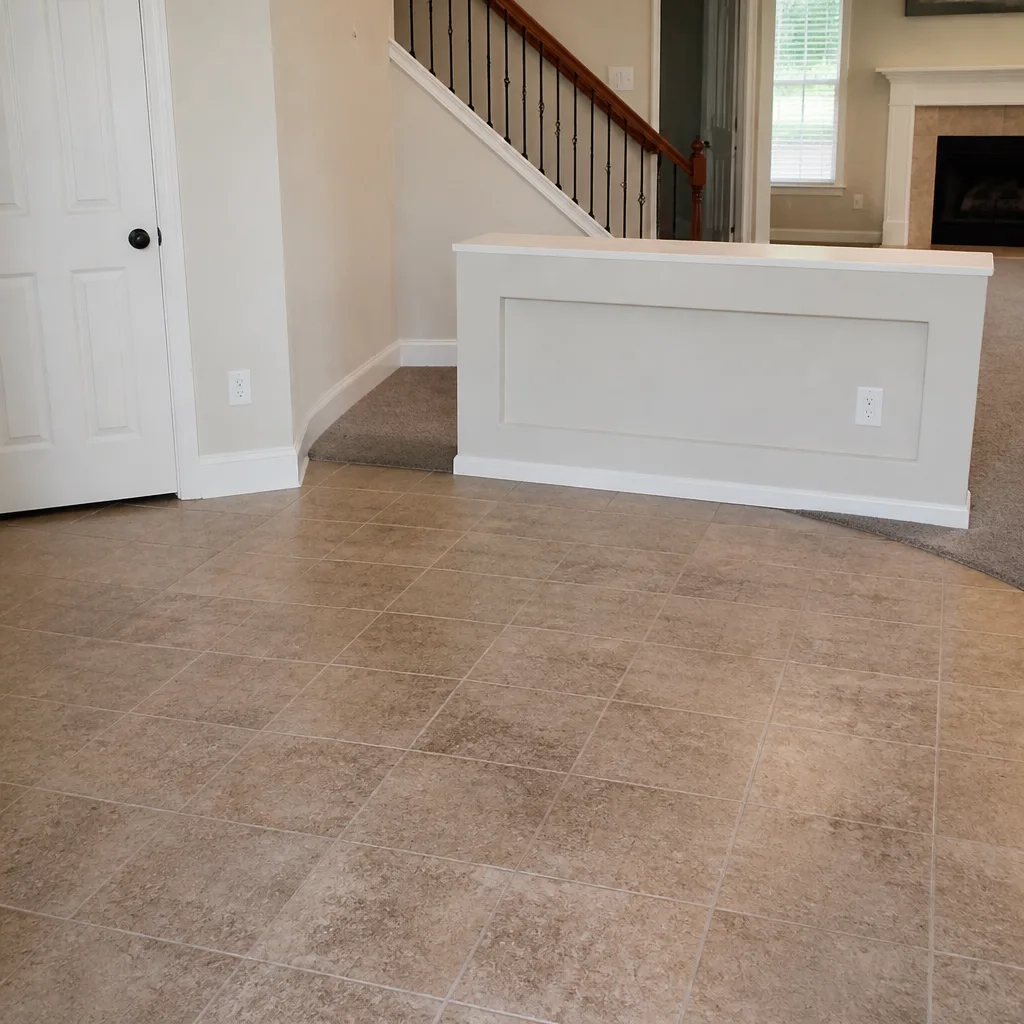
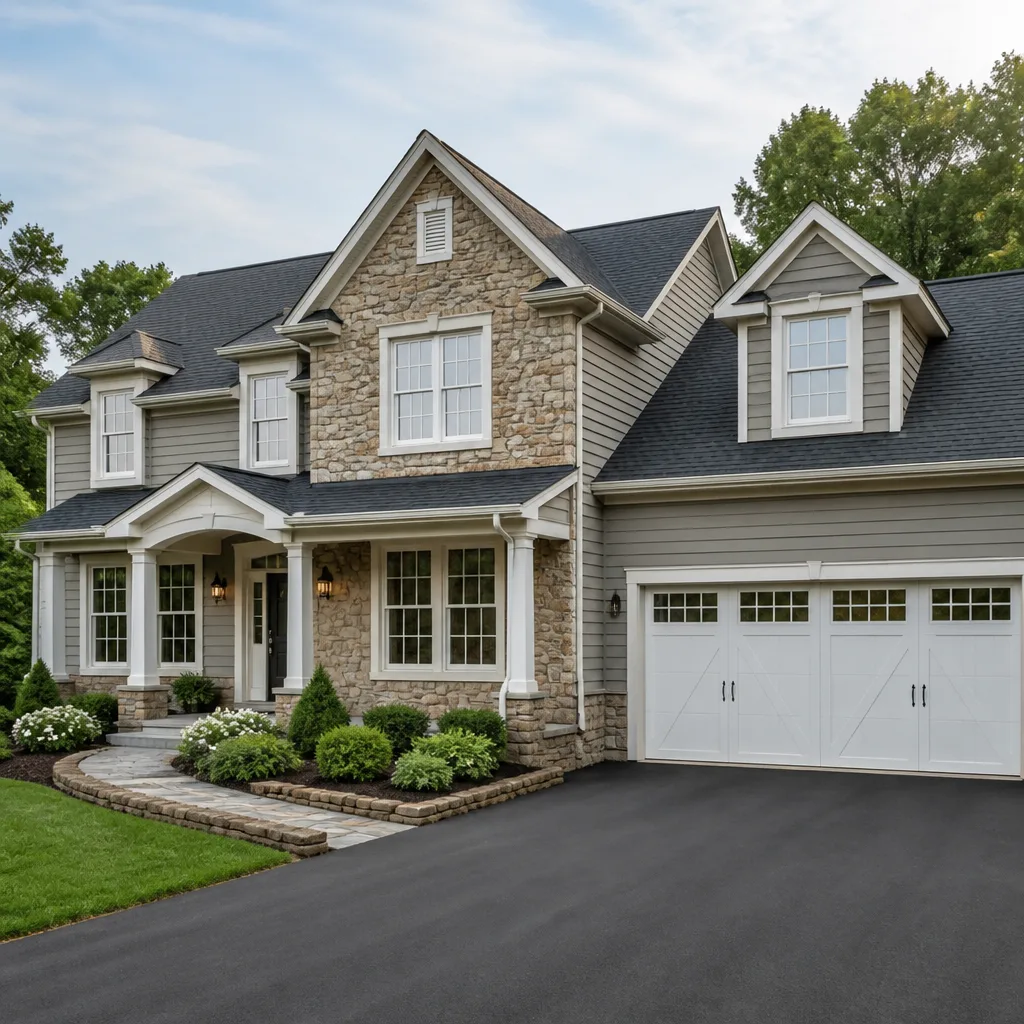
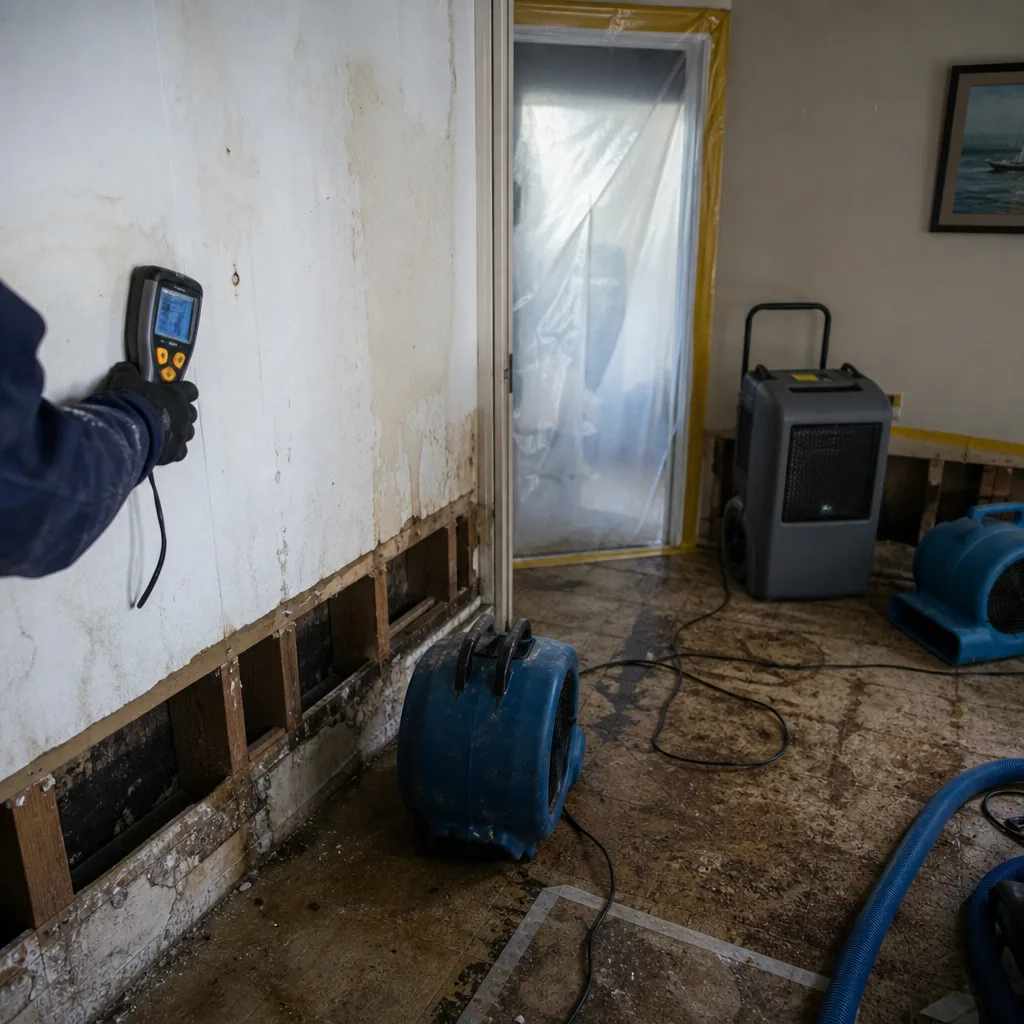 Before
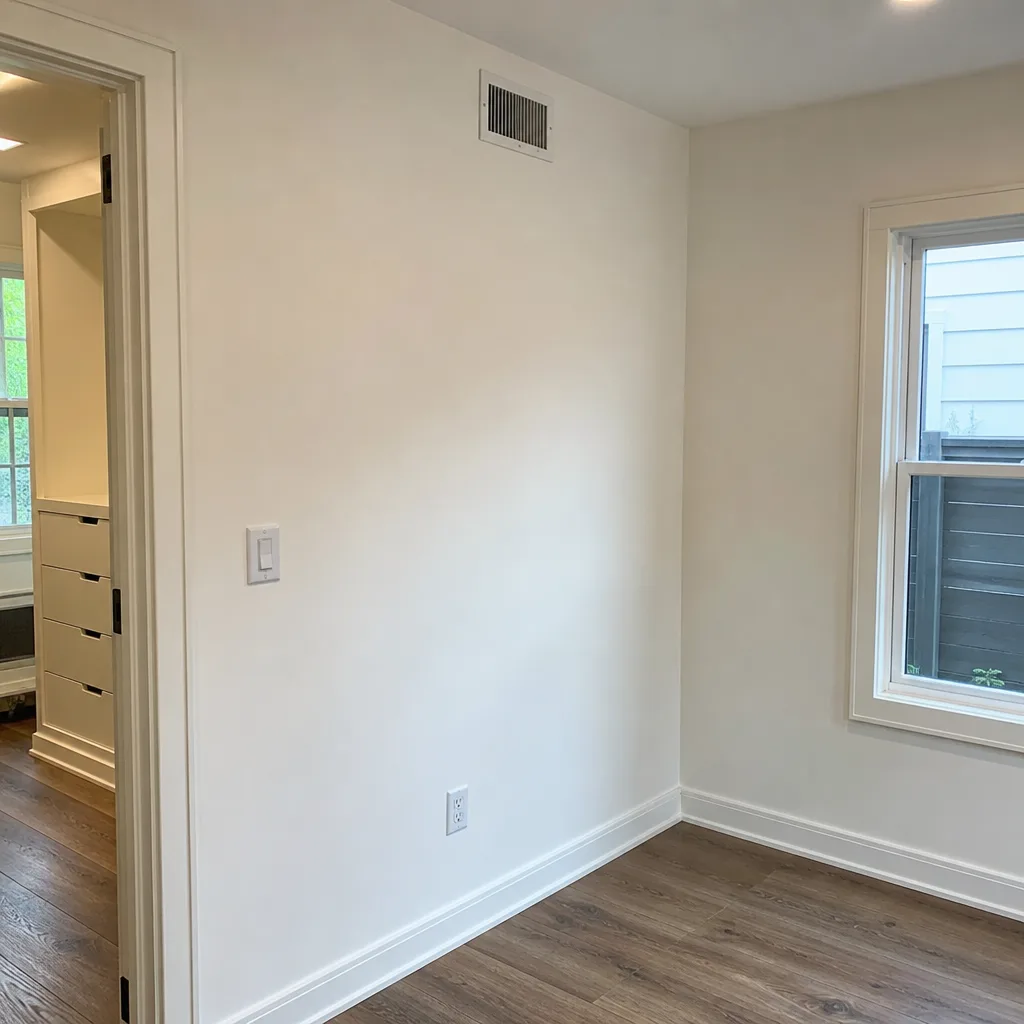 After
After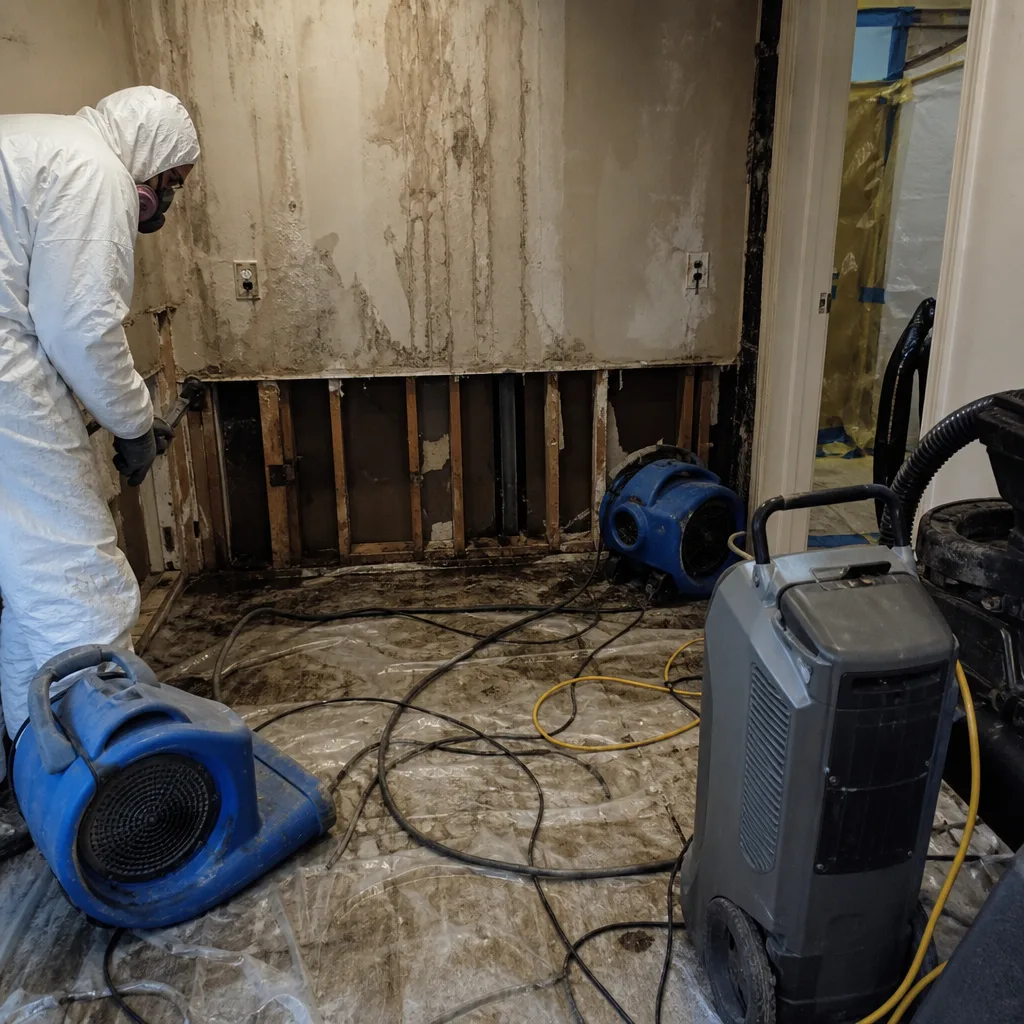 Before
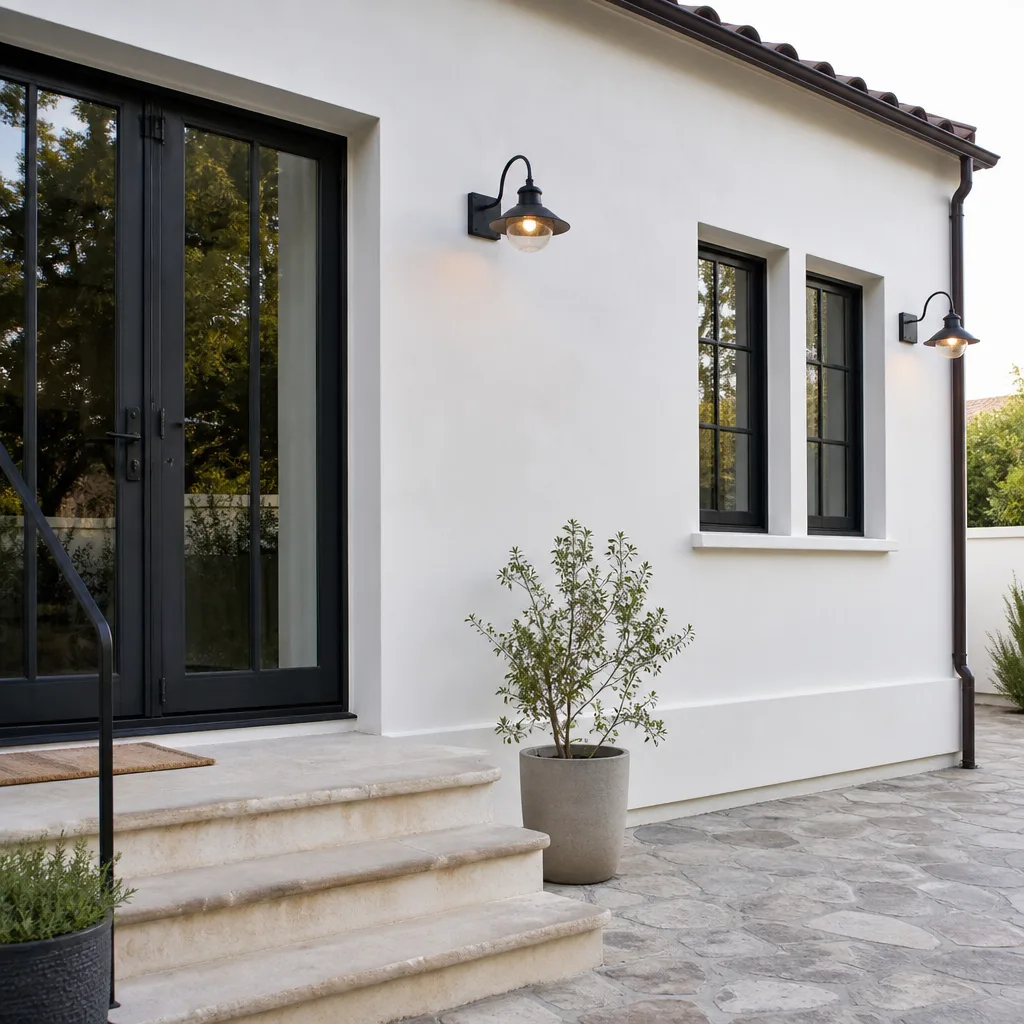 After
After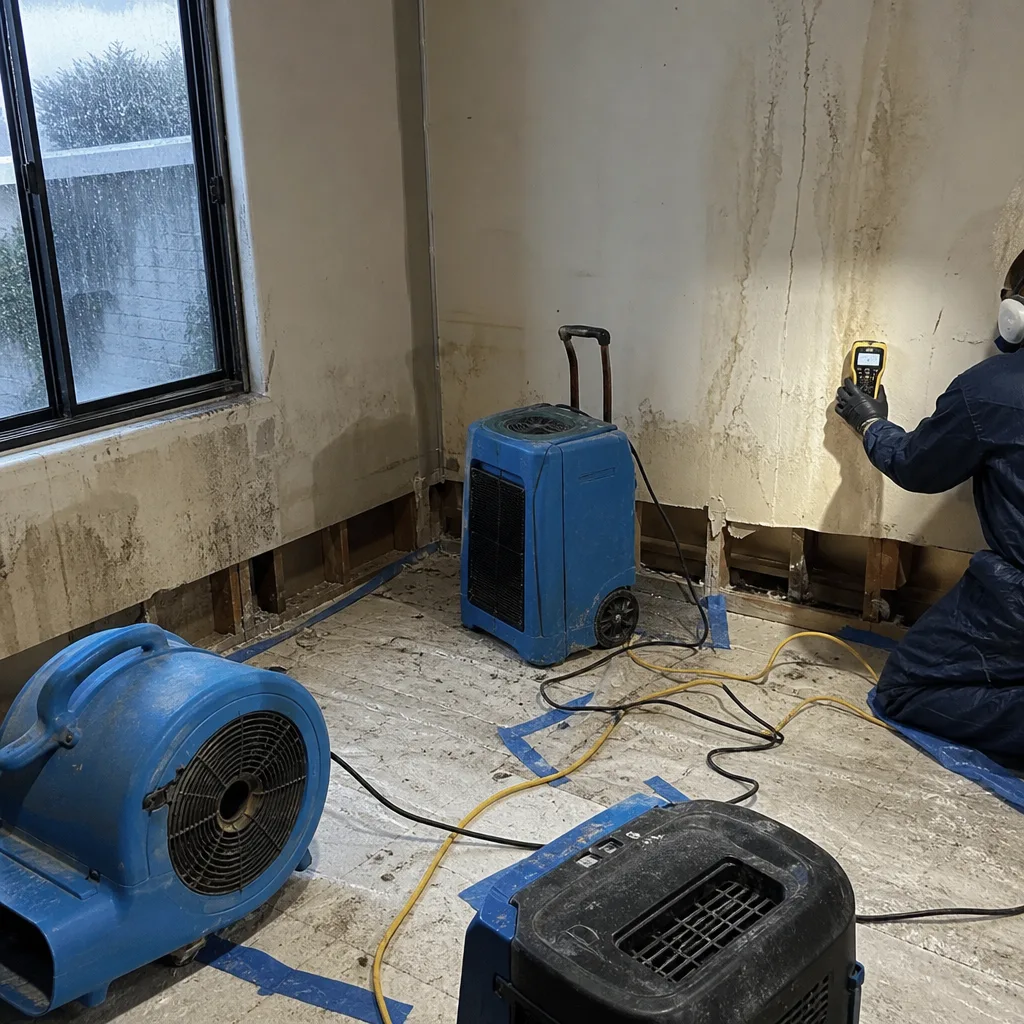 Before
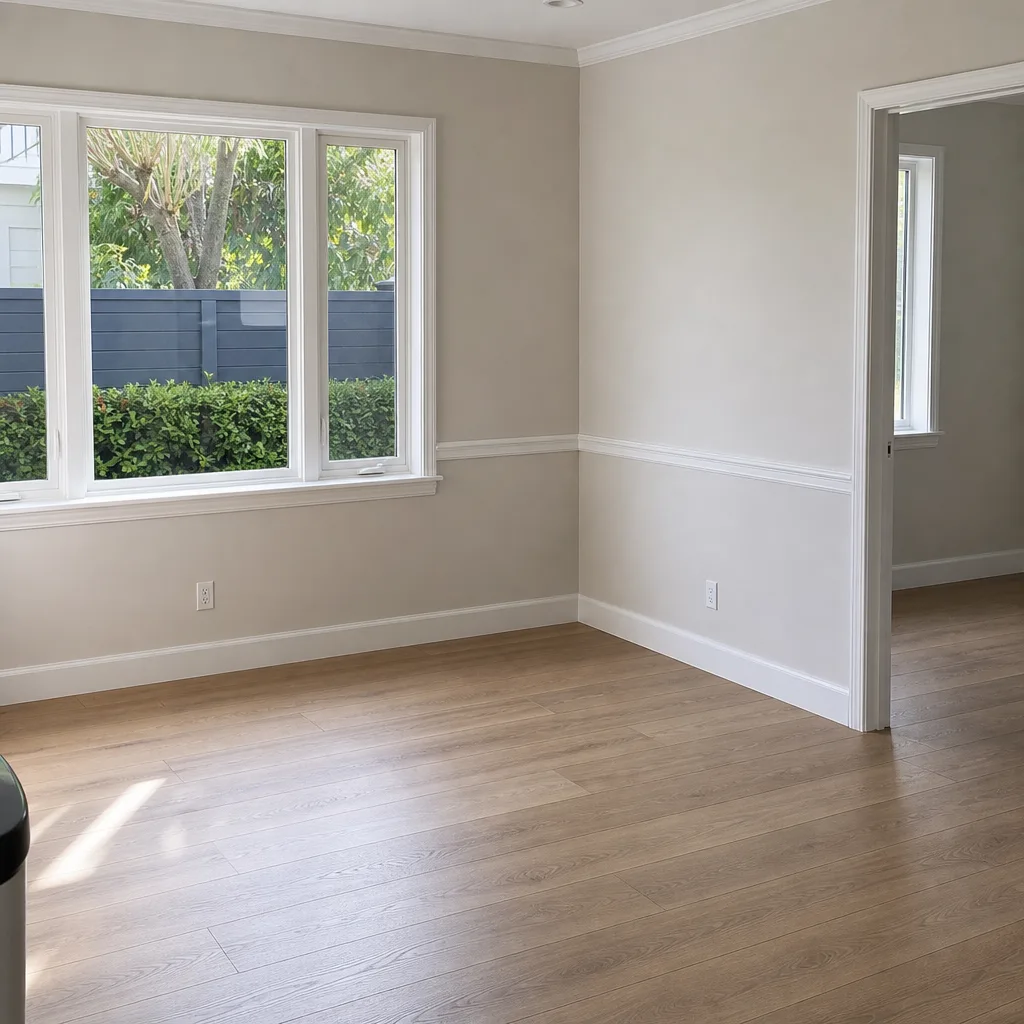 After
AfterFast, Reliable Water Damage Restoration Across Topanga
Water damage restoration in Topanga typically runs $2,800-$6,500 for a standard residential drying job, with emergency extraction starting at $1,200 and full structural drying with dehumidification averaging $3,200-$5,800 depending on square footage and contamination level. Most emergency calls in Topanga receive a crew on-site within 60-90 minutes when Topanga Canyon Boulevard is open, and our live dispatch answers every call 24 hours a day, 7 days a week at (213) 816-0810.
We know Topanga’s canyon geography because we pre-stage equipment here before red-flag warnings. When Santa Ana winds strip the chaparral bare and El Niño winter rains follow, the resulting debris flows don’t just bring water - they carry ash, char, and mud through wood-frame cabins and hillside builds that flatland crews don’t know how to scope. Our Water Damage Restoration team documents every moisture reading, every photo, and every drying log to IICRC standards so your insurer pays the claim without dispute.
Why DryMark Restoration Santa Monica Is Topanga’s Preferred Water Damage Restoration Company
We’ve restored properties from Old Topanga Canyon Road to the Tuna Canyon area since 2011, and our reputation in this canyon is built on documentation that survives adjuster review. Alicia Brennan founded Back to Dry after working as a claims adjuster and watching homeowners lose tens of thousands to sloppy scopes and missing photo records. That origin shapes every job we run in Topanga.
Our Topanga customers leave reviews mentioning the same details: the written price that arrived before anyone touched a tool, the daily moisture logs they could forward to their insurance company, and the photo record that showed exactly what was wet and exactly when it read dry. We don’t chase stars; we chase signatures on drying logs.
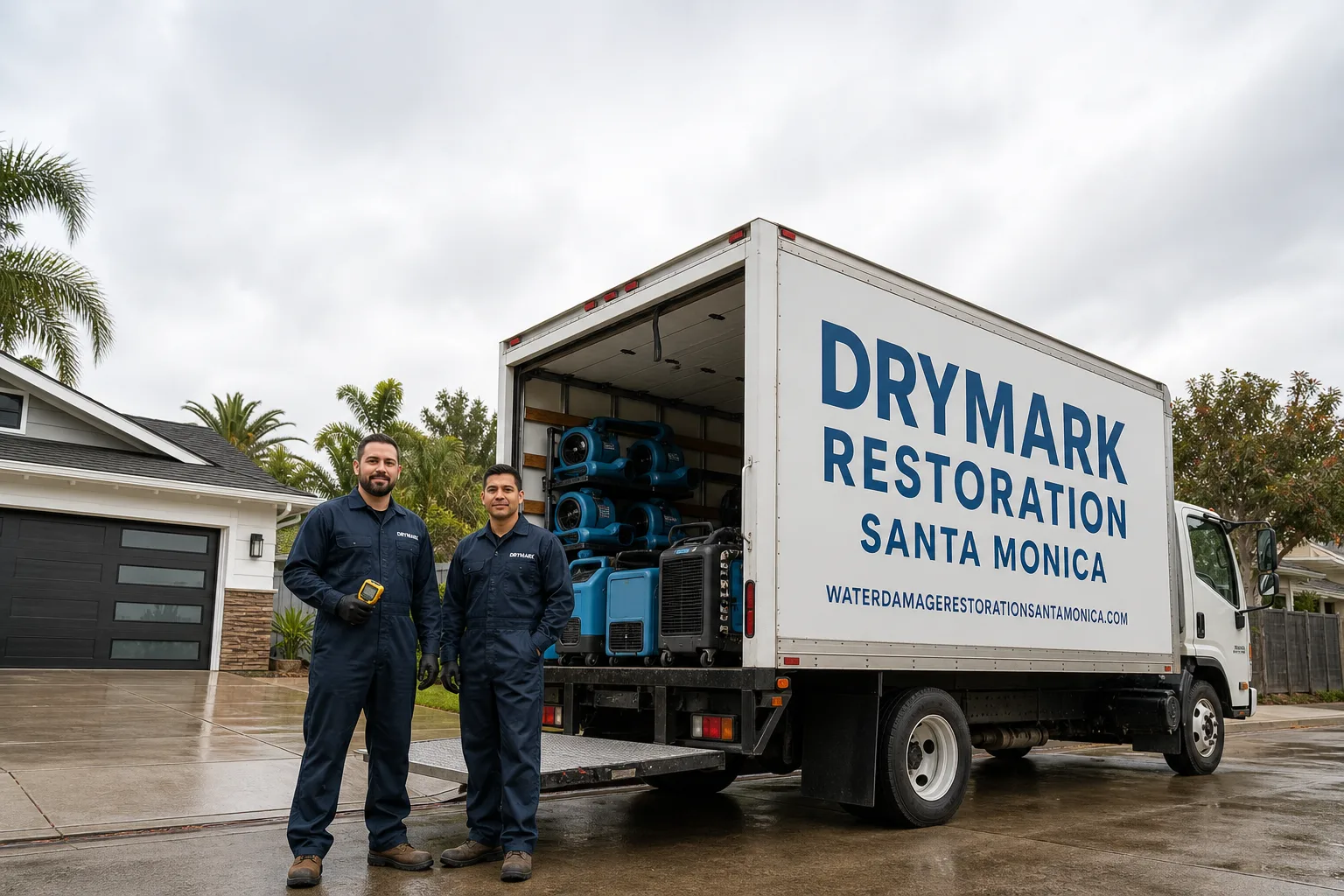
Response time to Topanga depends on canyon access. Under normal conditions, crews reach Topanga properties within 60-90 minutes of dispatch. During active red-flag warnings or when rain-driven mudslides close Topanga Canyon Boulevard, our pre-staged equipment inside the canyon keeps drying capability local even when the road is shut. That’s not a guarantee every restoration company can make here.
Our local knowledge runs deeper than geography. We know the 1950s-1970s wood-frame cabins with cedar shake roofing, the informally built additions with no original permits on file, and the private septic systems that complicate water-damage scoping when hillside saturation re-wicks moisture back into a structure after the drying logs say dry. Generic crews miss this. We log it.
Our Water Damage Restoration Services in Topanga
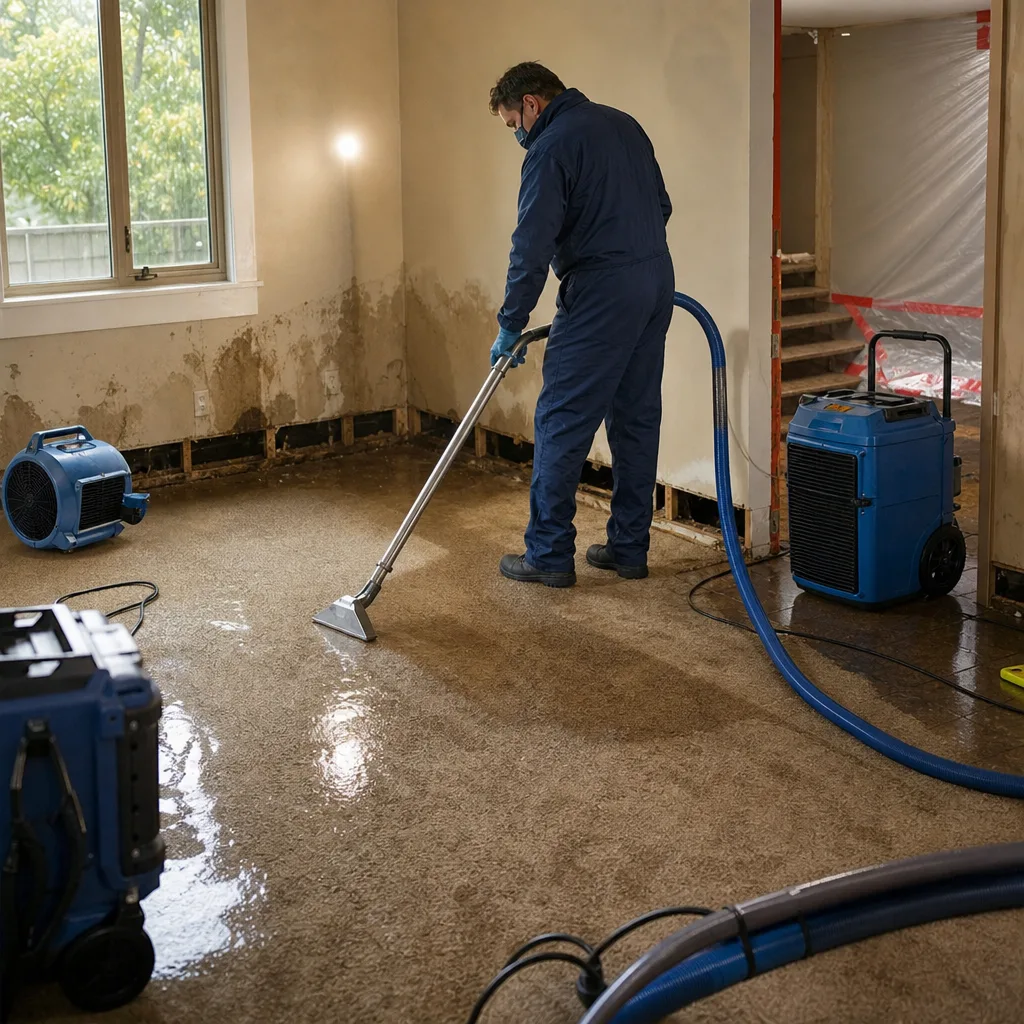
Emergency Water Extraction
When a supply line bursts in a Topanga cabin or debris flow breaches a door, standing water moves fast through absorbent wood framing and subfloors. Our emergency extraction teams deploy truck-mounted systems and portable units from Phoenix and XPOWER to remove water before it wicks into drywall, insulation, and the custom finishes common in Topanga’s higher-end hillside homes. Every extraction job starts with photo documentation and moisture mapping, and every gallon removed is logged.
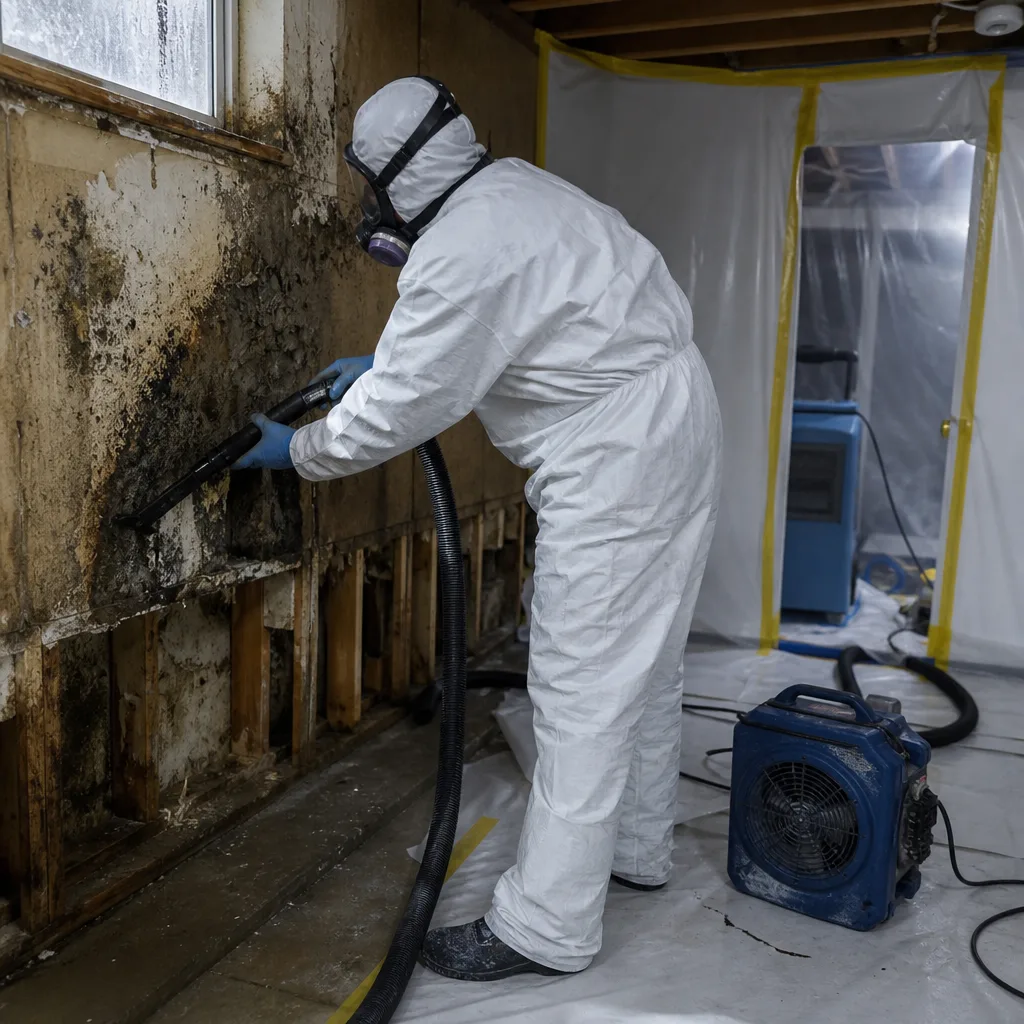
Structural Drying & Dehumidification
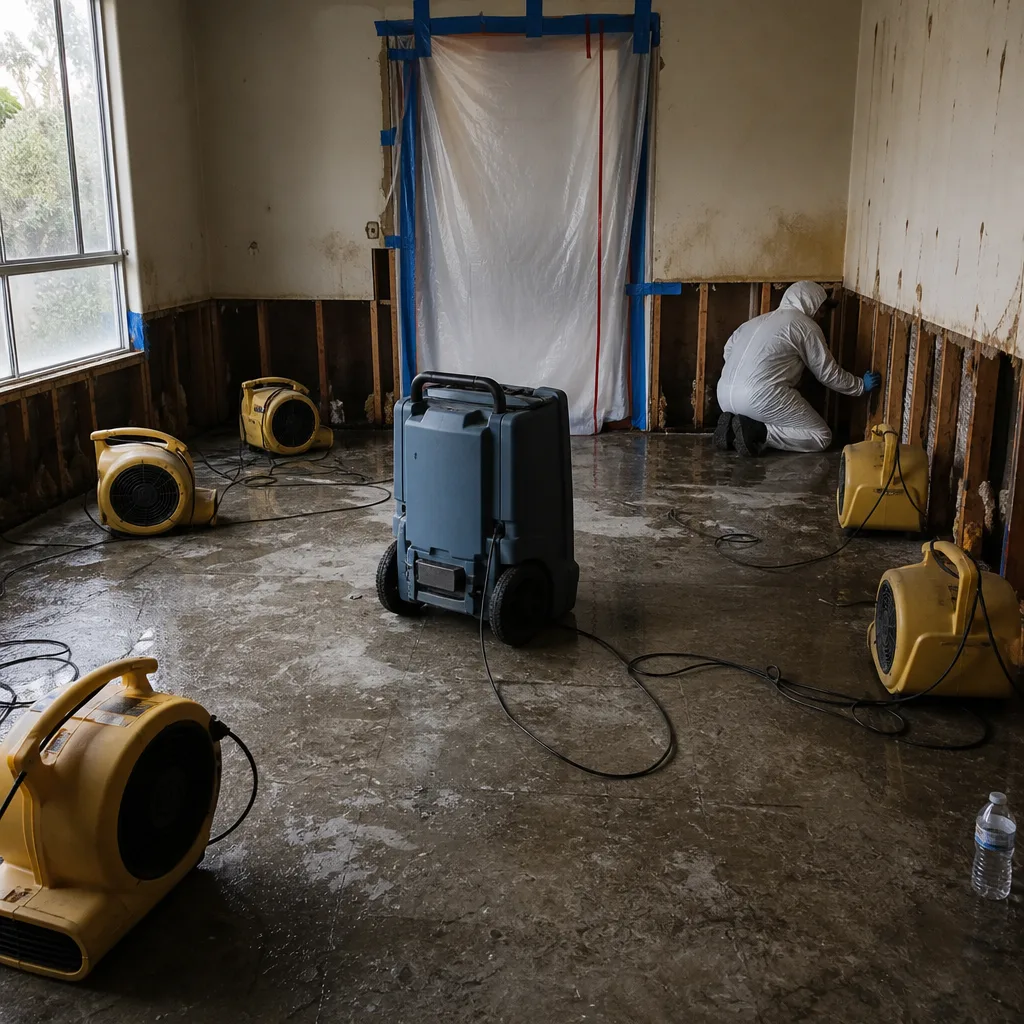
Topanga’s canyon microclimate creates a specific drying challenge: shaded, humid conditions slow natural evaporation even when outdoor temperatures read warm. We calculate vapor pressure differential - the measurable force that drives moisture out of wet materials into drier air - and size our dehumidification fleet accordingly. On a typical 1,800-square-foot Topanga cabin with Category 2 water intrusion, we deploy Dri-Eaz and Phoenix LGR dehumidifiers alongside Injectidry cavity-drying systems to force dry air through wall cavities and ceiling plenums. Daily psychrometric data - temperature, relative humidity, and specific humidity readings - gets logged and delivered as standard documentation, not an upsell.
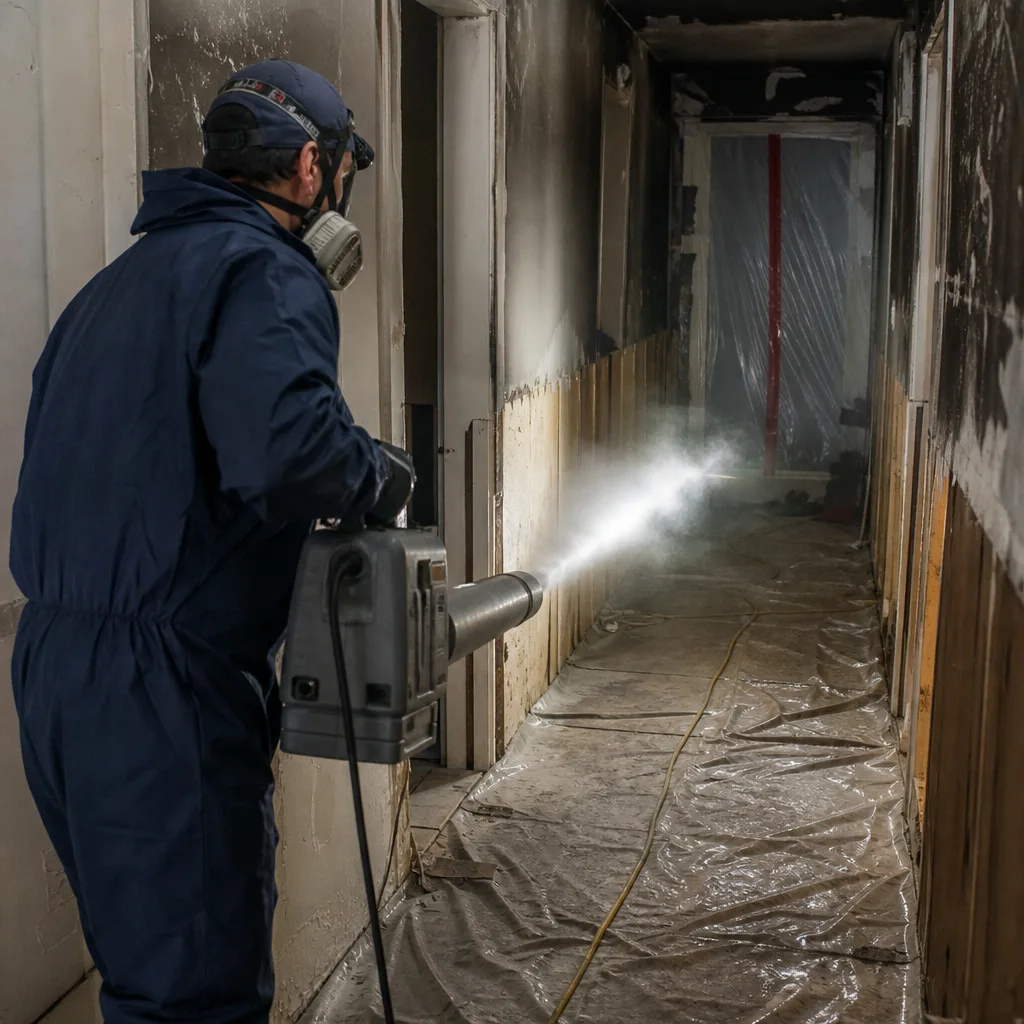
Flood Cleanup
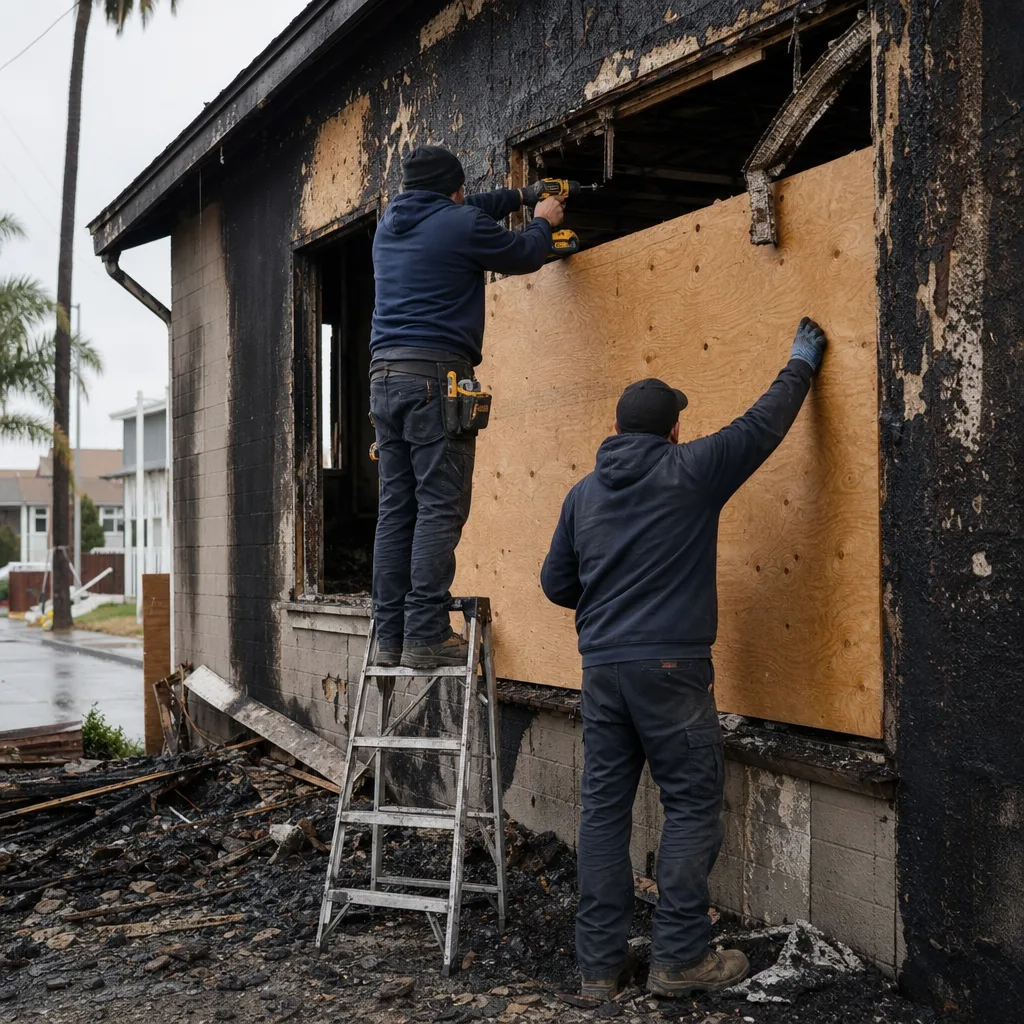
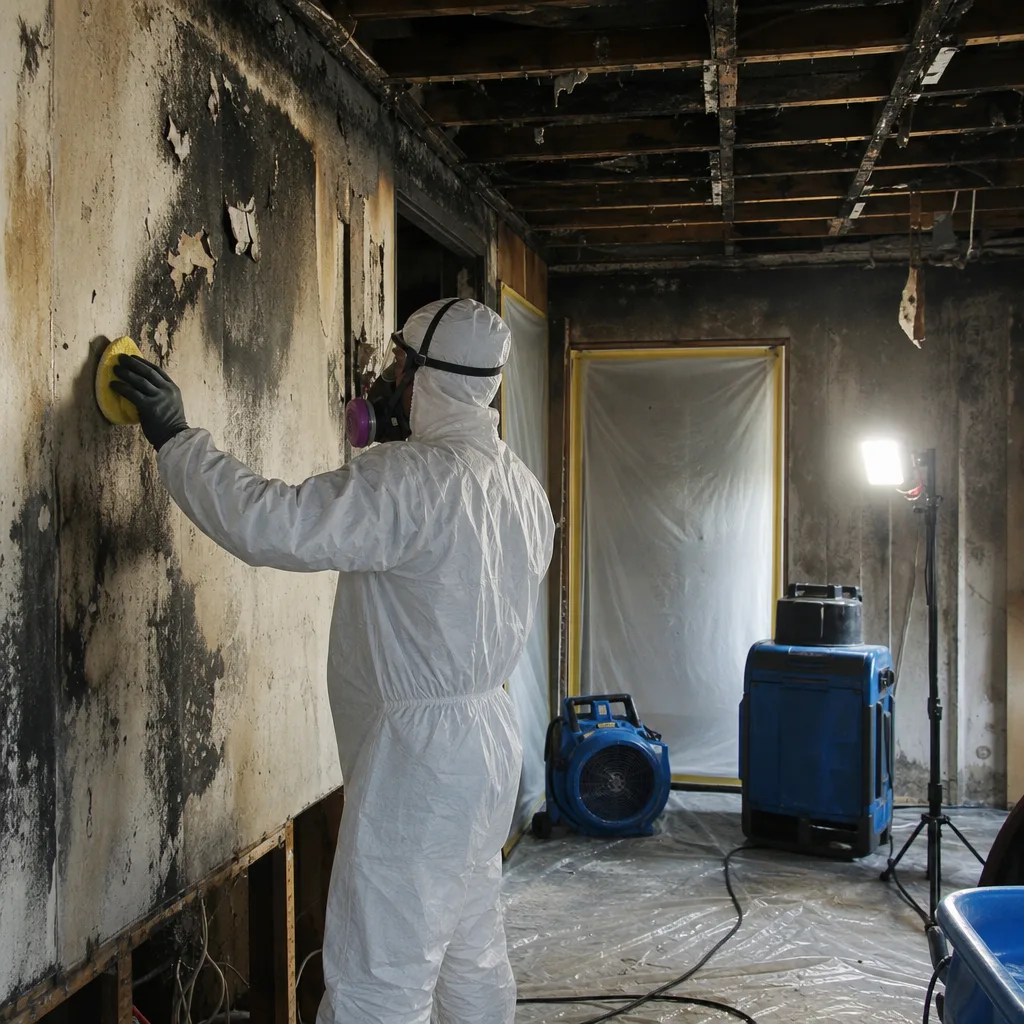
Flood damage in Topanga rarely arrives as clean rainwater. Post-fire debris flows carry sediment, ash, and organic material that elevate water to Category 3 contamination requiring full PPE, antimicrobial treatment, and documented disposal. We scope flood cleanup jobs in Topanga with the fire history of the property in hand, because charred structural members hidden under mud can continue off-gassing and re-contaminating “clean” areas if they’re not addressed in the initial scope. Our flood cleanup includes written hazardous-materials handling documentation for insurance submission.
Burst Pipe Restoration
Topanga’s aging copper and galvanized plumbing, combined with hillside settling that stresses joints, makes burst pipes a recurring winter issue. When we restore burst pipe damage here, we map moisture migration through unconventional framing layouts common in owner-built additions, and we check for secondary damage to electrical runs and septic lines that flatland scoping templates miss. The written scope includes pipe repair coordination with licensed plumbers and a drying schedule tied to your insurance adjuster’s timeline.
What happens when you call
- 1
A real person answersNo phone trees - you reach a local pro.
- 2
You get an upfront price rangeHonest numbers before anyone is dispatched.
- 3
A background-checked tech heads outLicensed & insured, dispatched right away.
- 4
You approve before work beginsNothing starts until you say go.
 Before
 After
AfterTrusted Brands We Service in Topanga
Our equipment fleet for Water Damage Restoration in Topanga draws from Dri-Eaz, Phoenix, XPOWER, B-Air, and Injectidry - brands whose machines produce the documented airflow and dehumidification capacity that IICRC drying standards require. We stock HEPA-filtered air scrubbers, axial and centrifugal air movers, and desiccant dehumidifiers sized for Topanga’s larger custom hillside homes, not just standard tract footprints. Parts and filter replacements are carried on every truck so a failed air mover doesn’t cost you a day of drying time while we wait for a warehouse run to the Valley.
Common Water Damage Restoration Problems We See in Topanga Homes
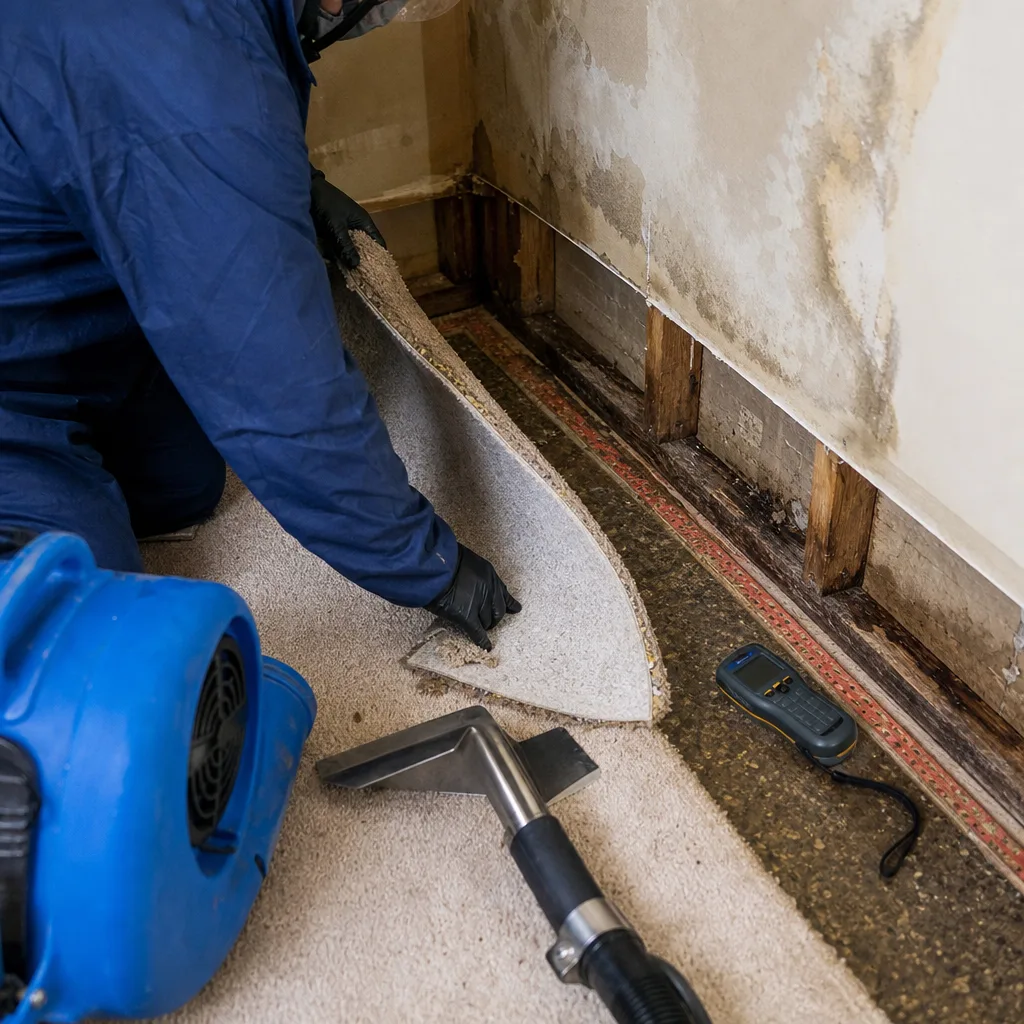
- Fire-then-flood compound damage. Chaparral fires strip Topanga’s canyon slopes bare, and winter rains send ash-laden debris flows through structures that may have only partially burned. Almost every major restoration job here involves layered char, smoke residue, and water or mud intrusion in the same building - a pattern flatland crews don’t encounter and often fail to scope completely.
- Cedar shake and wood siding saturation. Topanga’s 1950s-1970s cabins were built with materials that absorb moisture readily and resist drying. Cedar shake roofing in particular wicks water into rafter bays and can read surface-dry while remaining saturated at the substrate, requiring Injectidry cavity systems and extended dehumidification cycles.
- Pre-staging failures during canyon closures. When Topanga Canyon Boulevard closes during active fires or rain-driven mudslides, restoration crews without equipment already inside the canyon can be locked out during the critical 24-48 hour window after a loss. We pre-stage when red-flag warnings issue, not when the call comes in.
- Groundwater re-wicking on steep lots with septic systems. Many Topanga properties run private septic, and hillside saturation from winter storms can re-introduce moisture into a structure after drying logs read dry. Our scopes account for drainage patterns and septic field proximity, not just interior moisture readings.
Pricing for Water Damage Restoration in Topanga, CA
We publish ranges because Haven Standard, Clause 1 requires a written price before any work starts - and that price can’t be written if we won’t name numbers.
| Service | Typical Range in Topanga |
|---|---|
| Emergency water extraction (up to 1,500 sq ft) | $1,200 - $2,400 |
| Structural drying & dehumidification (3-5 day cycle) | $3,200 - $5,800 |
| Category 3 flood cleanup with antimicrobial treatment | $4,500 - $8,200 |
| Burst pipe restoration with moisture mapping | $2,800 - $6,500 |
| Basement/crawl space water removal | $2,400 - $5,200 |
| Ceiling and roof leak damage drying | $2,200 - $4,800 |
What moves a Topanga job toward the higher end: compound fire-and-water damage requiring Fire & Smoke Damage Restoration - Topanga alongside extraction; cedar shake or wood siding saturation needing extended drying; steep-lot access requiring specialized equipment staging; and Category 3 contamination from debris-flow sediment. What doesn’t affect price: calling after hours, weekend dispatch, or photo documentation - those are standard on every job, not upsells. Every estimate is free, and we provide a Free Second Opinion on any competitor’s written estimate at no charge. Call (213) 816-0810 for your written scope.
We Also Serve Cities Near Topanga
Our crews based from the Los Angeles office serve Topanga properties directly, with additional response coverage for Pacific Palisades, Sherman Oaks, Santa Monica, and Venice. Each market gets the same documentation standard and the same written-price-first protocol, though Topanga’s canyon access and compound damage patterns remain unique to this service area.
Serving Topanga, CA - Our Local Coverage Area
We’re based in the Topanga area and know this community well. Use the map below to see our service coverage - if you’re nearby, we can almost certainly help.
FAQs - Water Damage Restoration in Topanga
Because chaparral fires strip canyon slopes bare, and the following winter rains send ash-laden debris flows through structures that may have only partially burned, so almost every major job involves layered char, smoke residue, and water or mud intrusion in the same building. That stacked multi-peril pattern is the core of restoration work in the Santa Monica Mountains and doesn’t play out the same way in flatland LA communities just miles away. We scope for all contamination types upfront so nothing gets missed and nothing gets added later without a written change order. Call (213) 816-0810 for a compound-damage assessment - estimates are free.
We pre-stage Dri-Eaz and Phoenix drying equipment inside Topanga when red-flag warnings are issued, before Topanga Canyon Boulevard closes. When a burst pipe soaked a 1960s wood-frame cabin off Old Topanga Canyon Road, our crew had air movers and dehumidification running before the road shut, because we’d staged the night before. Crews without equipment inside the canyon can be locked out during the critical 24-48 hour window after a loss. Our pre-staging protocol exists specifically for this scenario. Call (213) 816-0810 to confirm current staging status - we’re happy to explain our access plan for your specific address.
We treat cedar shake and wood siding as high-absorption materials requiring extended drying cycles with targeted airflow, not standard drywall protocols. Moisture meters get driven past the surface into the substrate, and we deploy Injectidry cavity-drying systems to force dry air through rafter bays and wall cavities that conventional air movers can’t reach. The drying log tracks specific humidity readings at depth, not just surface readings, so we don’t sign off while the material is still wet inside. Every reading is photo-documented and delivered as part of your standard job record. Call (213) 816-0810 for moisture mapping on your cedar or wood-sided structure.
Yes - mold colonization can begin within 24-72 hours on wet organic materials, and Topanga’s shaded canyon microclimate with limited air movement creates conditions at the slower end of that window but still well within it. Cedar shake, wood siding, and the cellulose insulation common in older Topanga cabins are all favorable mold substrates. That’s why our emergency extraction protocol emphasizes speed of water removal, and why our structural drying includes HEPA-filtered air scrubbing as standard equipment, not an upgrade. The daily drying log documents airborne particle counts alongside moisture readings so you have evidence that conditions stayed below mold proliferation thresholds. Call (213) 816-0810 if you suspect delayed drying - we can assess colonization risk with moisture meters and air sampling.
Topanga’s 1950s-1970s wood-frame cabins and owner-built additions often lack conventional stud bays, vapor barriers, or accessible crawl spaces, so standard drying chamber setups don’t apply. We map moisture migration through unconventional framing layouts, account for hillside drainage that re-wicks moisture through foundation gaps, and check private septic system proximity that can elevate groundwater contamination risk. The written scope addresses each of these site-specific factors before equipment is deployed, and the drying log tracks readings at non-standard locations that a flatland template would miss. Call (213) 816-0810 for a scoping visit that accounts for your specific build - estimates are free, and every job carries our 365-Day Done Right Promise under The Haven Standard.
Written by Alicia Brennan, Owner at Back to Dry Restoration, serving Topanga since 2011.