
Last updated September 23, 2026
Free visual inspection and a written scope of work before any mitigation begins - photos, moisture readings, and drying logs go in your claim file
The scope we write is the scope we bill. Anything new gets shown to you, in writing, before we touch it.
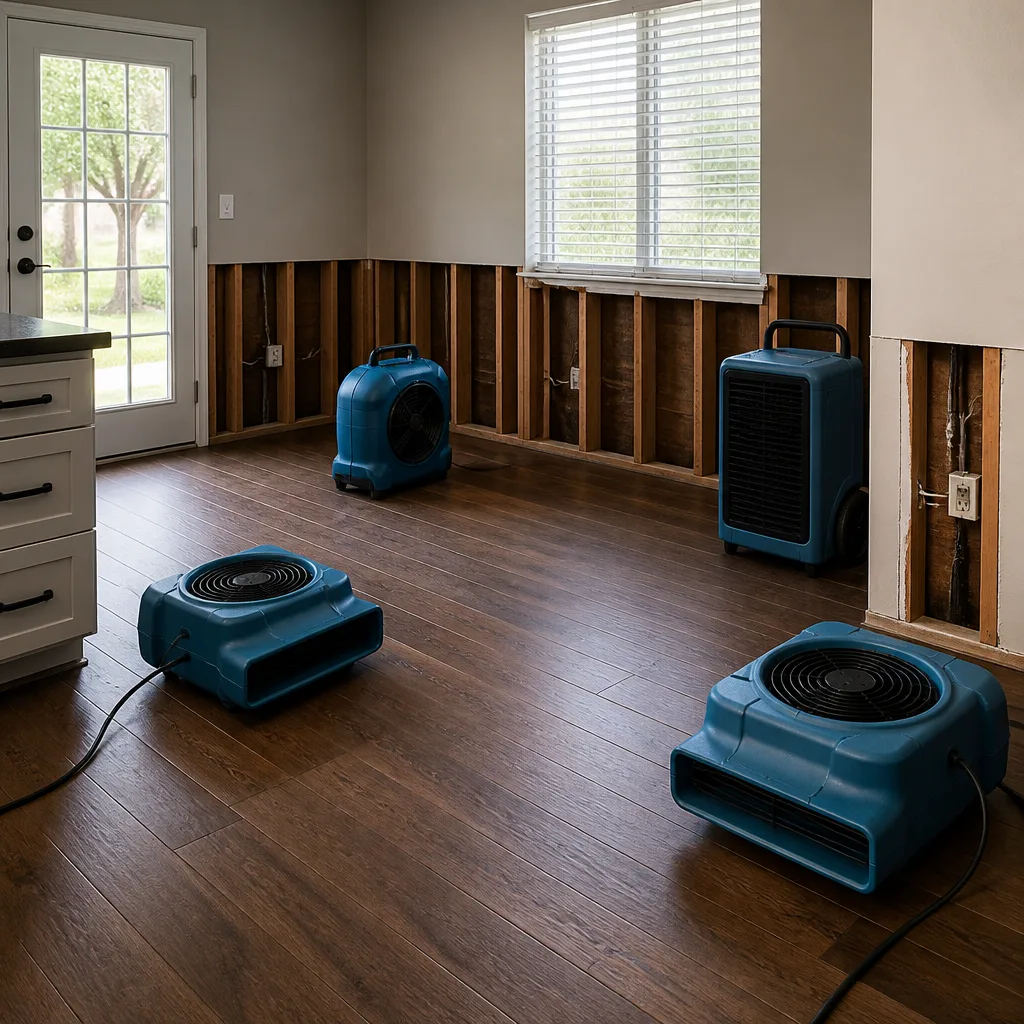
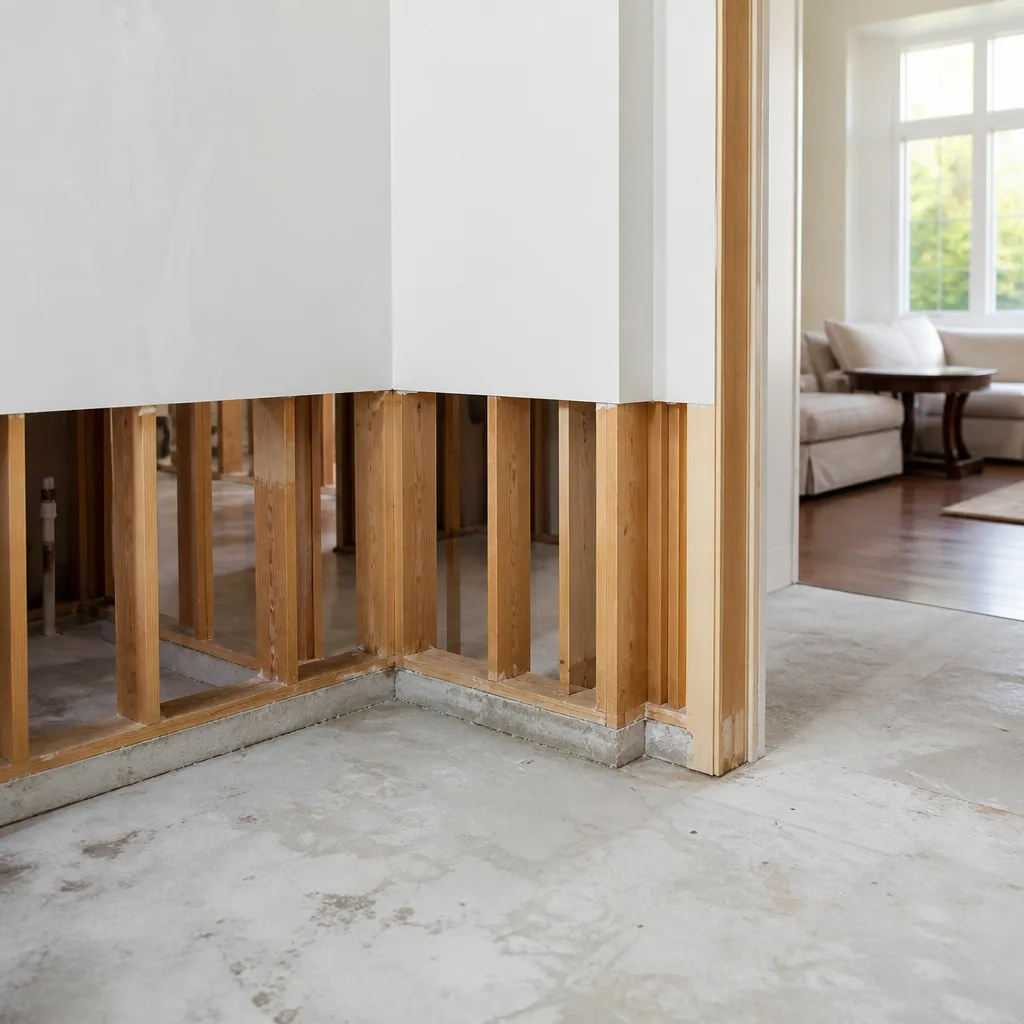
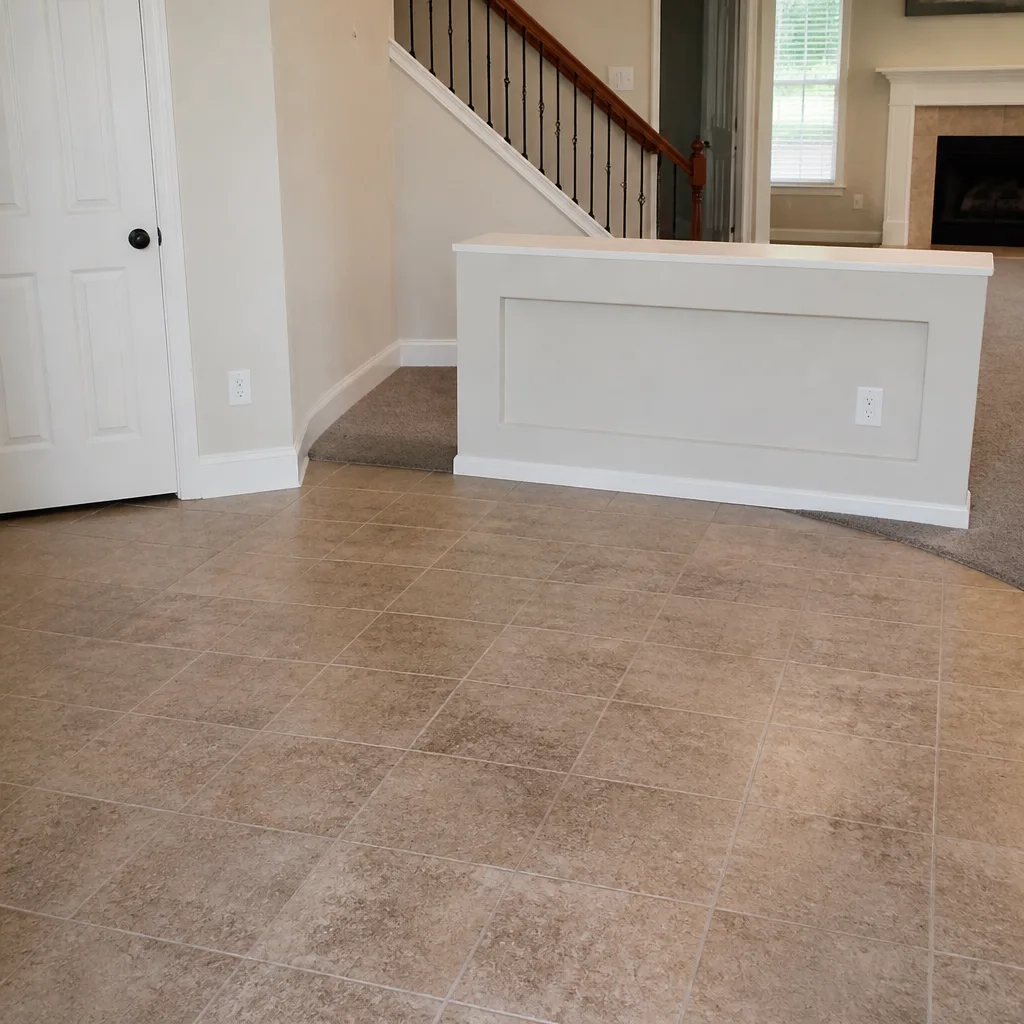
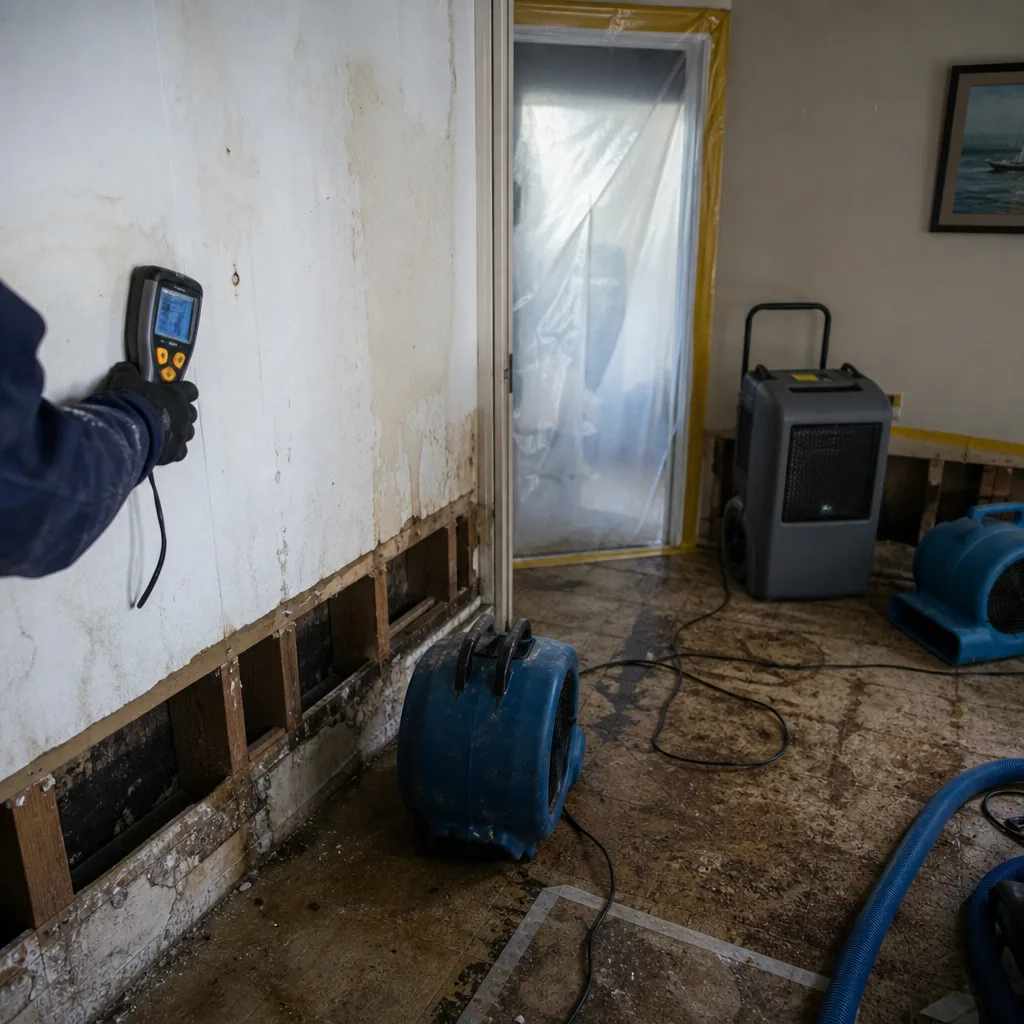 Before
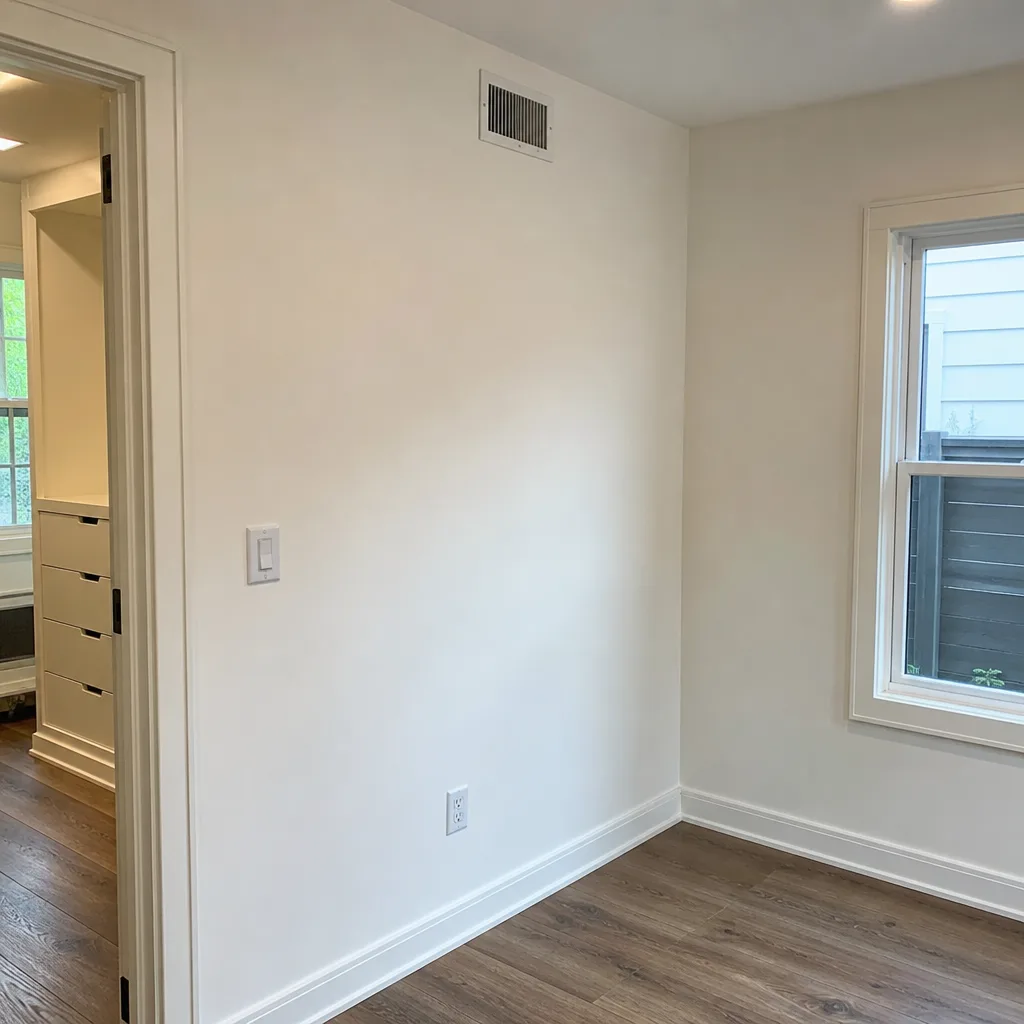 After
After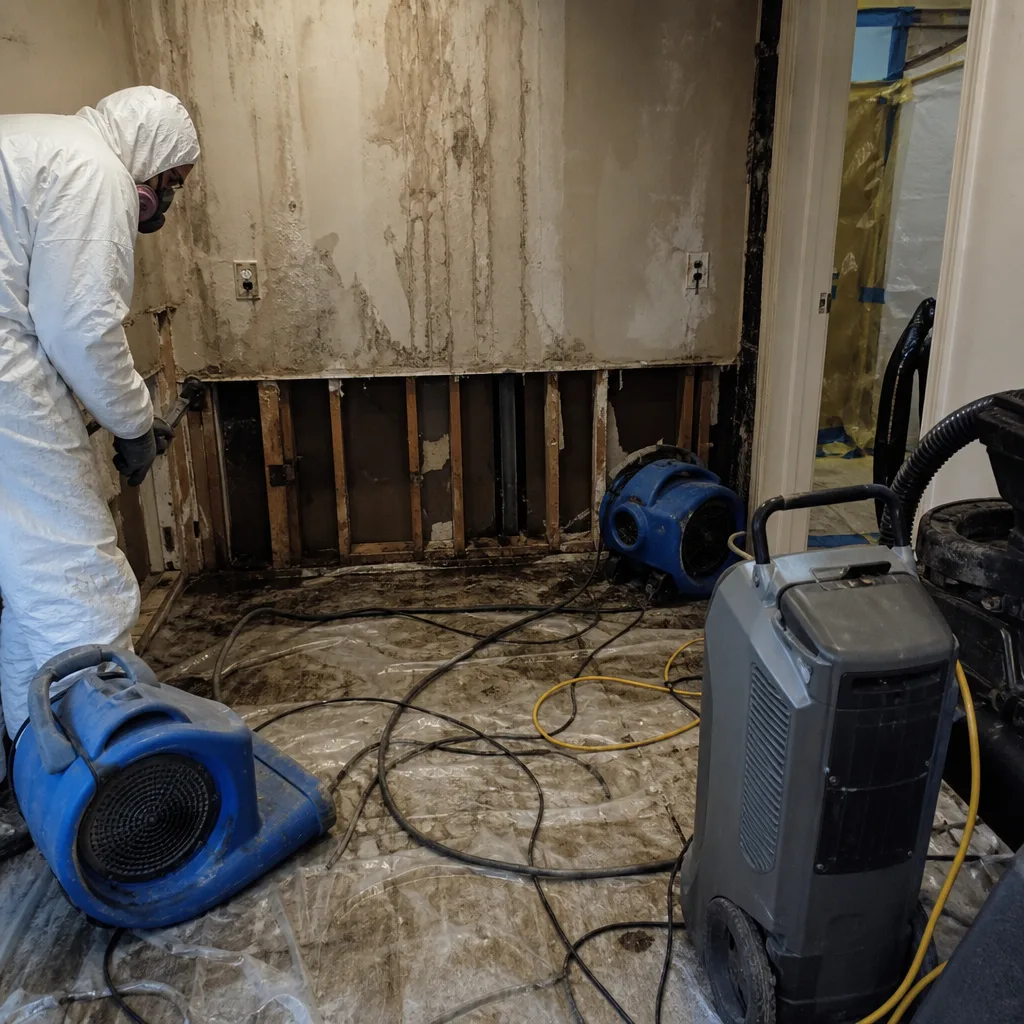 Before
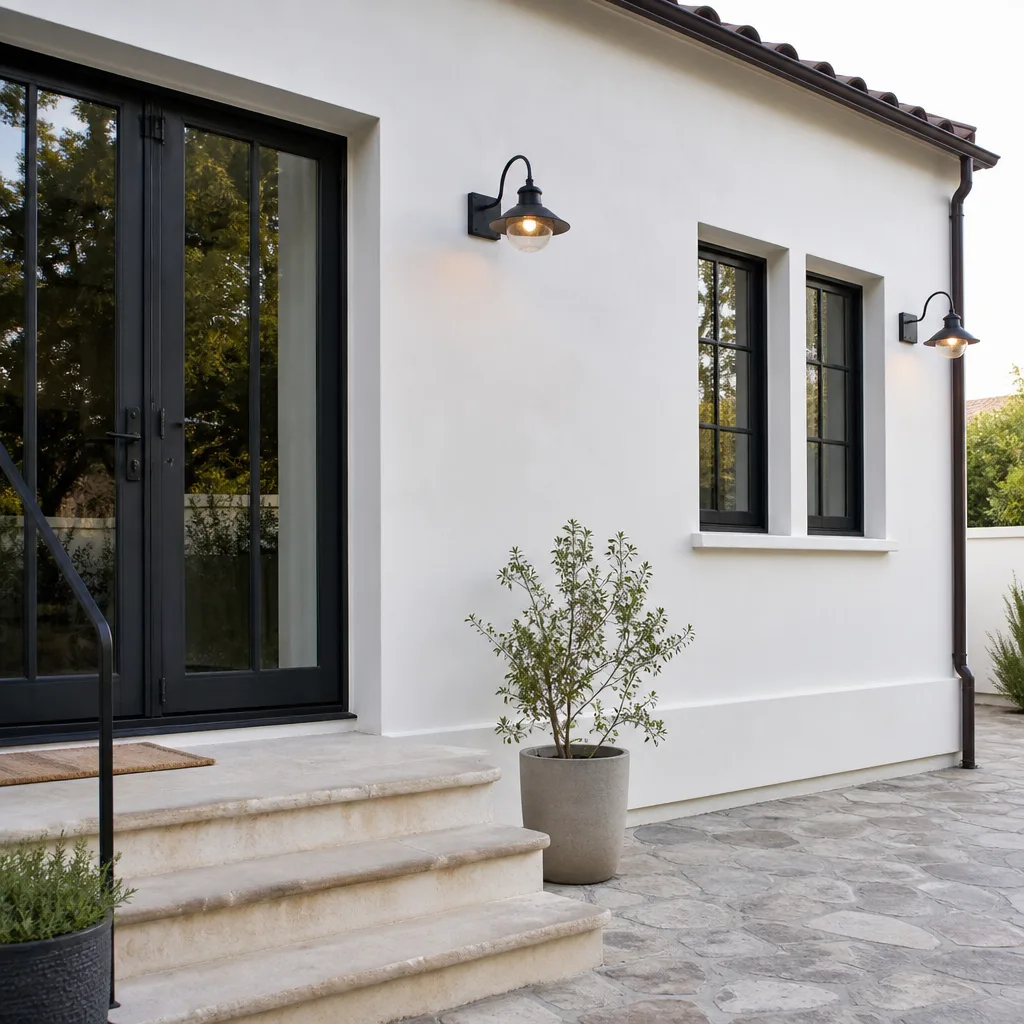 After
After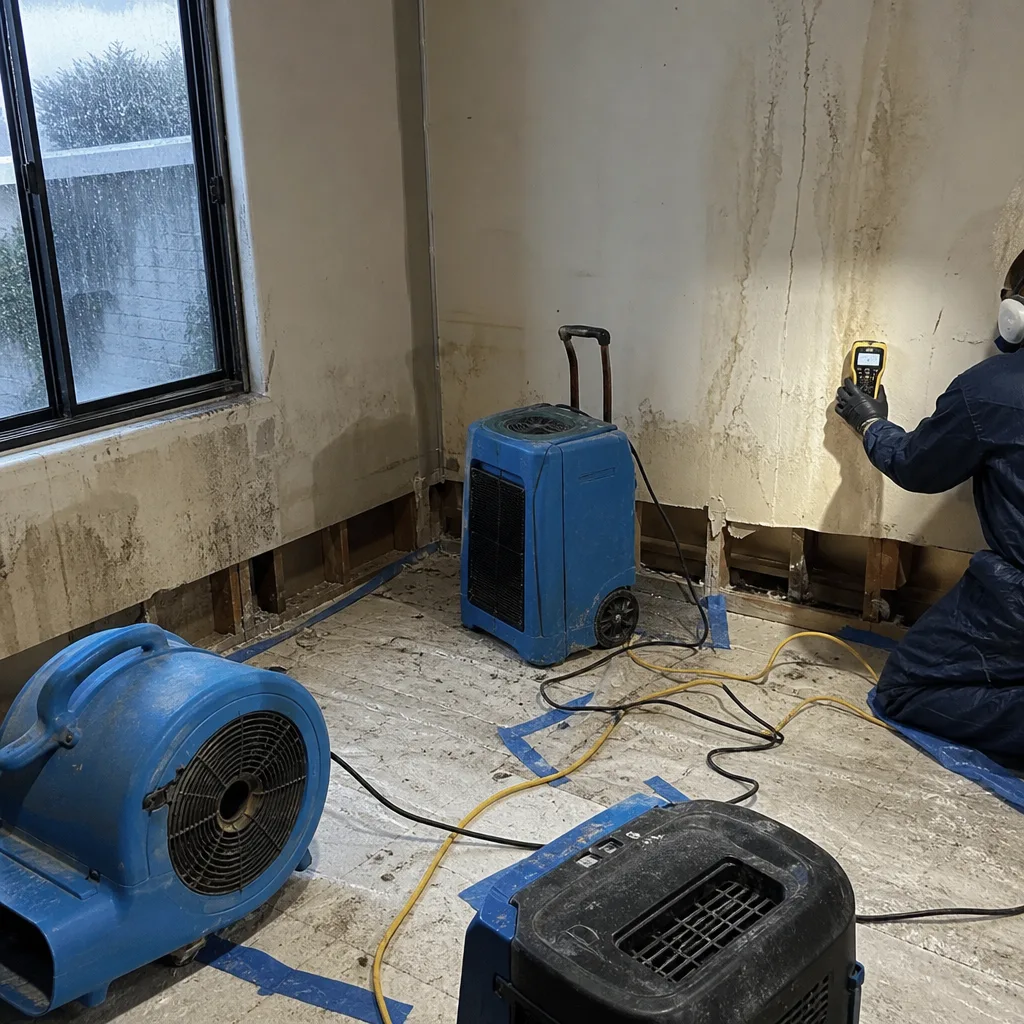 Before
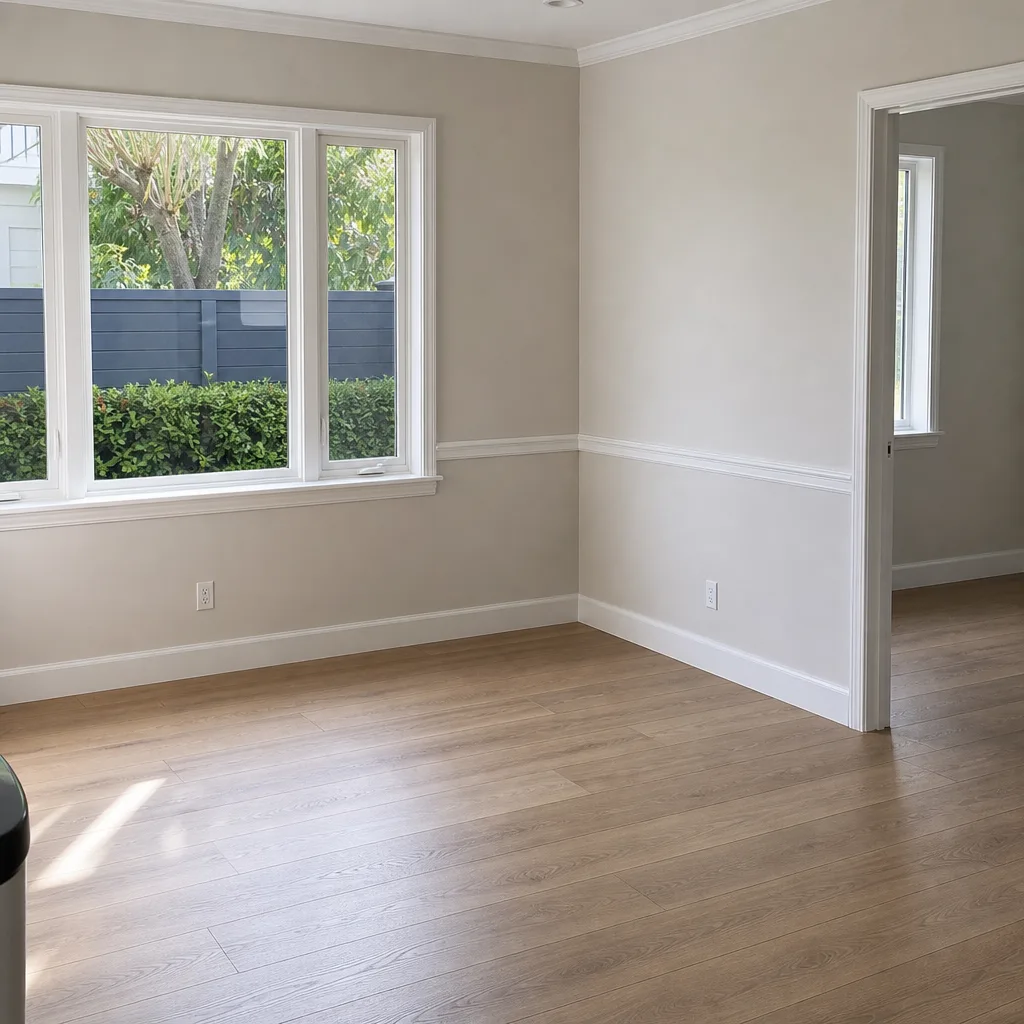 After
AfterDamage Restoration Cost Breakdown: The Santa Monica Homeowner’s Reference for 2026
The average water damage restoration invoice in Los Angeles County runs 23% above the national average according to Xactimate regional pricing data - but fewer than one in five homeowners can name the three line items that account for most of that premium before they sign an authorization. In Santa Monica, where median home values sit well above state averages and building codes enforce strict environmental controls, that knowledge gap costs real money. This guide breaks down what restoration actually costs in this market, line by line, so you can read an estimate the way a claims adjuster does and spot the difference between a competitive bid and an inflated one.
Quick Answer
Water damage restoration in Santa Monica typically ranges from $3,800 for a contained Category 1 leak affecting one room to $18,000+ for a Category 2 or 3 loss requiring structural drying, material removal, and permit-compliant reconstruction. Most mid-range residential jobs in 2026 fall between $6,500 and $12,000, with labor rates, disposal fees, and Santa Monica’s permit structure driving the premium over national averages. The exact figure depends on square footage affected, water classification, and whether documentation meets the standard your insurer requires for full reimbursement.
Table of Contents
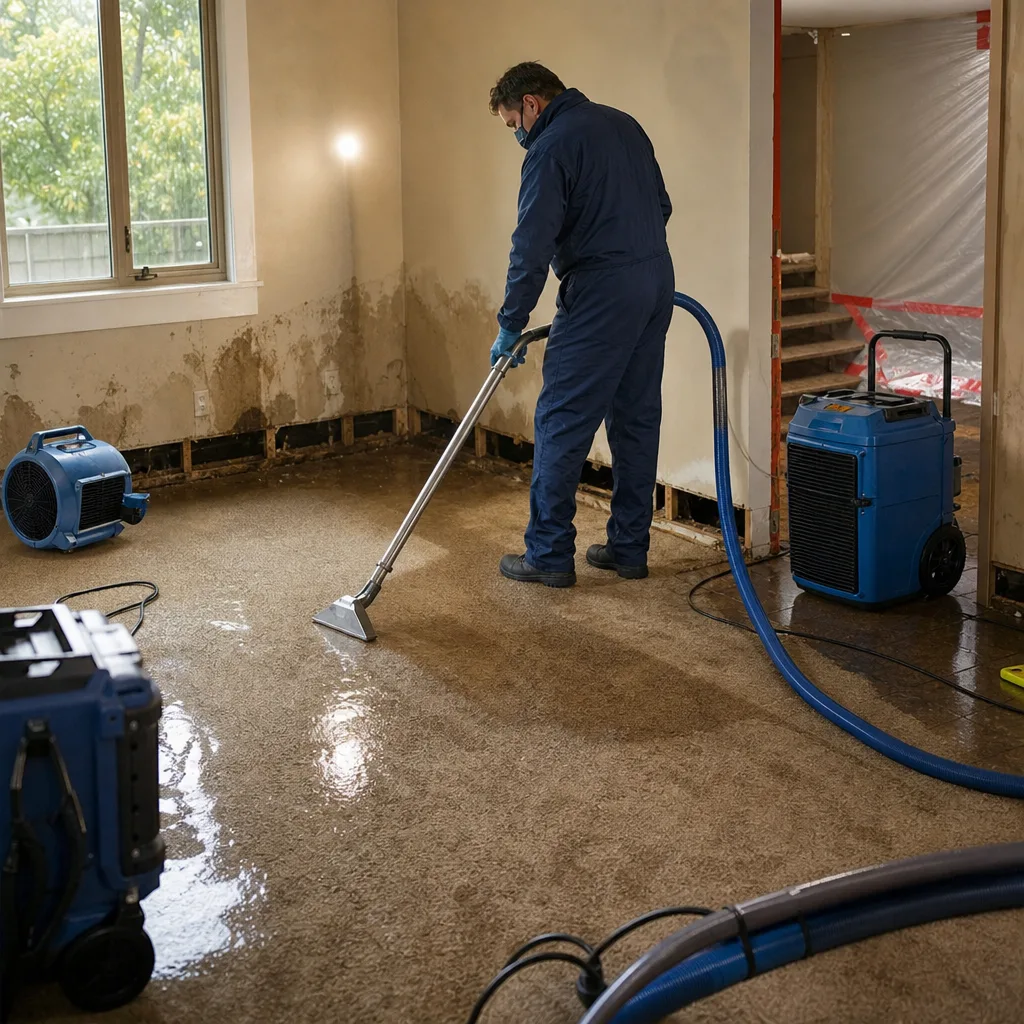
- Why Santa Monica Restoration Costs More Than the National Average
- Line-Item Breakdown: A Representative 400 Sq Ft Category 2 Loss
- The Xactimate Gap: Why Insurer Software Rates Don’t Match Contractor Costs
- Equipment Timeline: What 4 Days Versus 7 Days Costs You
- The Five Cost Categories Homeowners Most Often Dispute With Insurers
- How to Read a Restoration Estimate: The Four Columns That Matter
- Mold, Fire, and Storm: Where Pricing Diverges Sharply
- Common Mistakes to Avoid
- When to Call a Professional
- Frequently Asked Questions
- The Bottom Line
 Before
 After
AfterWhy Santa Monica Restoration Costs More Than the National Average
Three forces push Santa Monica restoration pricing above national baselines, and none of them are the contractor’s margin.
Labor market rates. Los Angeles County prevailing wage requirements apply to many restoration jobs, particularly those tied to insurance-funded reconstruction. In 2026, water damage technicians in this market command $68-$94 per hour for IICRC-certified work, compared to a national median closer to $52. That gap widens for specialized trades: asbestos abatement supervisors, mold remediation technicians with ACAC credentials, and reconstruction crews familiar with Santa Monica’s strict seismic and energy codes.
Disposal and environmental fees. Category 2 and 3 water losses generate contaminated debris that cannot enter standard waste streams. Santa Monica routes this through the Los Angeles County Sanitation Districts system, where special waste handling fees run $142-$198 per ton above municipal trash rates. Asbestos-containing materials, common in pre-1980s Santa Monica housing stock near Ocean Park and Pico neighborhoods, trigger additional Cal-OSHA notification and disposal protocols that add $800-$2,400 to typical jobs.
Permit and inspection costs. Santa Monica Building and Safety requires permits for any reconstruction involving structural, electrical, or plumbing work - which describes most water losses that reach wall cavities or subfloors. The base permit fee for residential restoration in 2026 is $312, with plan check fees at $187 and mandatory inspection visits at $94 each. Most reconstruction jobs require two to four inspections. Compare this to jurisdictions with flat-fee permitting, and Santa Monica adds $600-$900 in hard costs before materials or labor.
These are not negotiable line items a contractor can cut to win a bid. They are market conditions baked into every legitimate estimate in this service area.
Line-Item Breakdown: A Representative 400 Sq Ft Category 2 Loss
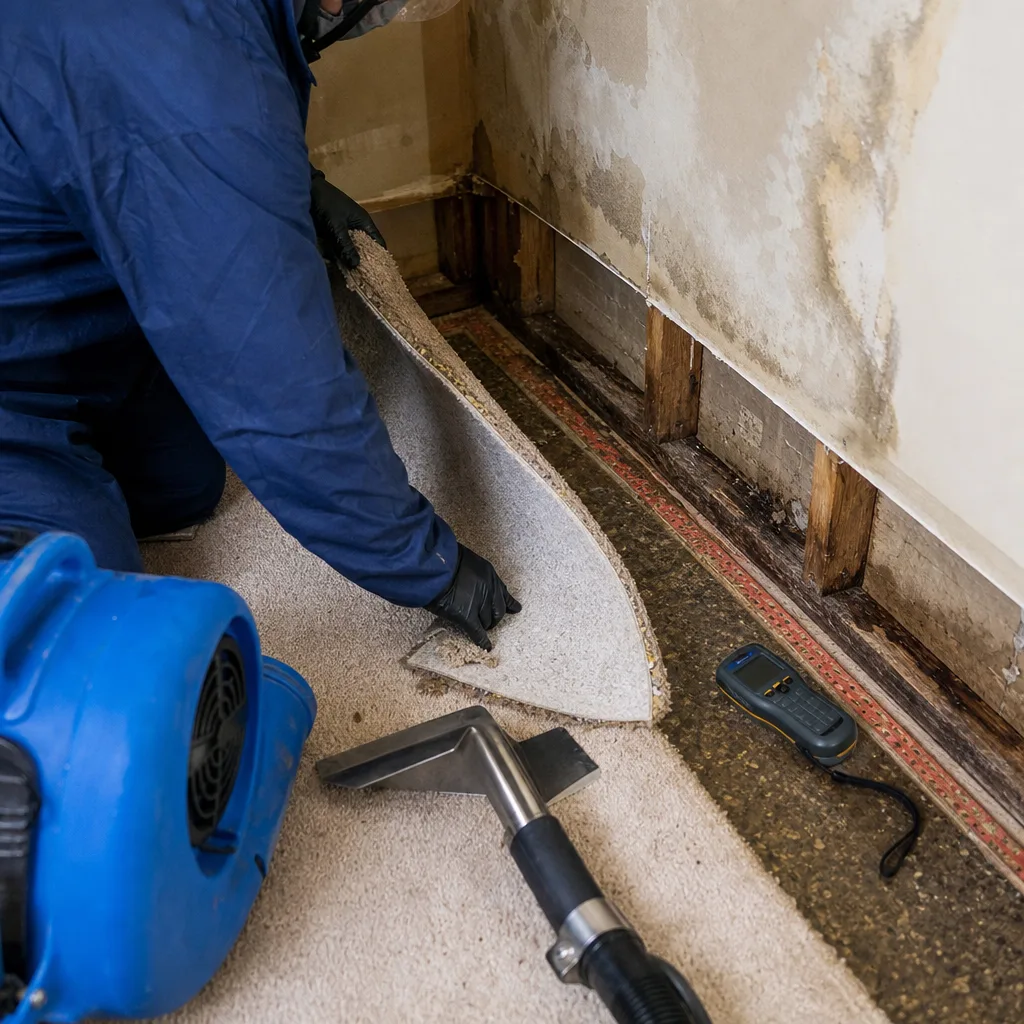
Below is a documented scope for a real-world scenario we’ve handled repeatedly in Santa Monica: a supply line leak in a second-floor bathroom, water migration through the subfloor into a ceiling and wall cavity below, 400 square feet of affected area, Category 2 classification (gray water, not sewage, but not clean enough to leave in place).
| Line Item | Quantity / Duration | Unit Rate (Santa Monica 2026) | Extended Cost |
|---|---|---|---|
| Emergency water extraction | 2 hours | $185/hr | $370 |
| Applied structural drying labor | 4 days | $78/hr, 6 hrs/day | $1,872 |
| Dehumidification (Dri-Eaz/Phoenix) | 4 days | $145/day per unit, 2 units | $1,160 |
| Air movement (XPOWER axial fans) | 4 days | $38/day per unit, 6 units | $912 |
| Injectidry cavity drying system | 3 days | $195/day | $585 |
| Moisture monitoring & documentation | 4 visits | $145/visit | $580 |
| Contaminated drywall removal | 120 sq ft | $6.40/sq ft | $768 |
| Insulation removal and disposal | 120 sq ft | $3.80/sq ft | $456 |
| Antimicrobial treatment | 400 sq ft | $1.85/sq ft | $740 |
| HEPA air scrubber rental | 4 days | $95/day | $380 |
| Special waste disposal | 1.8 tons | $198/ton | $356 |
| Asbestos testing (bulk samples, 3) | 3 samples | $145/sample | $435 |
| Building permit (repair scope) | 1 permit | Flat fee | $312 |
| Plan check and inspections | 2 inspections | $94/inspection + $187 plan check | $375 |
| Subtotal: Mitigation & Documentation | $9,301 | ||
| Contractor overhead & profit (10%) | $930 | ||
| Total Documented Scope | $10,231 | ||
This scope assumes no mold growth requiring remediation, no structural damage to framing, and no contents pack-out. Each of those conditions adds a discrete line item with its own unit rate. The estimate also assumes daily moisture readings that document progressive drying to IICRC S500 standards, producing the psychrometric data - temperature, relative humidity, and vapor pressure differential readings - that insurers require to justify equipment rental duration.
Notice what this scope does not include: reconstruction of finished surfaces. That phase is priced separately under Haven Standard, Clause 1, with its own written scope, so homeowners know the full financial picture before any work begins.
The Xactimate Gap: Why Insurer Software Rates Don’t Match Contractor Costs
Xactimate, the pricing software used by most major insurers to evaluate property claims, updates its regional cost databases quarterly. In practice, those updates lag market conditions by 60-90 days. For Santa Monica in 2026, that lag creates predictable friction.
Xactimate’s Los Angeles County database lists water mitigation labor at $61-$74 per hour for standard technician work. The actual market rate for IICRC-certified technicians with current WRT (Water Restoration Technician) and ASD (Applied Structural Drying) credentials is $78-$94. That $14-$20 hourly gap, extended across a four-day drying job with two technicians, produces a supplement request on virtually every claim.
The supplement process works like this: the contractor submits the documented scope with actual costs; the adjuster evaluates against Xactimate; the contractor provides supporting documentation - license numbers, prevailing wage determinations, equipment rental invoices - to justify the variance. Jobs with thorough documentation close supplements in 5-10 business days. Jobs without it often settle at the lower rate, leaving the homeowner to cover the difference.
We’ve seen this play out repeatedly in Santa Monica’s North of Montana neighborhood, where high-value homes with custom finishes generate scopes that Xactimate’s standard line items simply don’t describe. A hand-troweled plaster wall, common in 1920s Spanish Revival properties there, requires a specialist restoration plasterer at $145-$185 per hour. Xactimate lists “drywall repair” at $42 per hour. Without documentation of the actual material and the specialist required, that claim stalls.
The practical takeaway: a contractor’s willingness to document thoroughly, and their experience navigating supplement negotiations, directly affects your out-of-pocket cost. Ask specifically whether they produce itemized scopes in Xactimate-compatible format and whether they’ve successfully supplemented claims in this market.
Equipment Timeline: What 4 Days Versus 7 Days Costs You
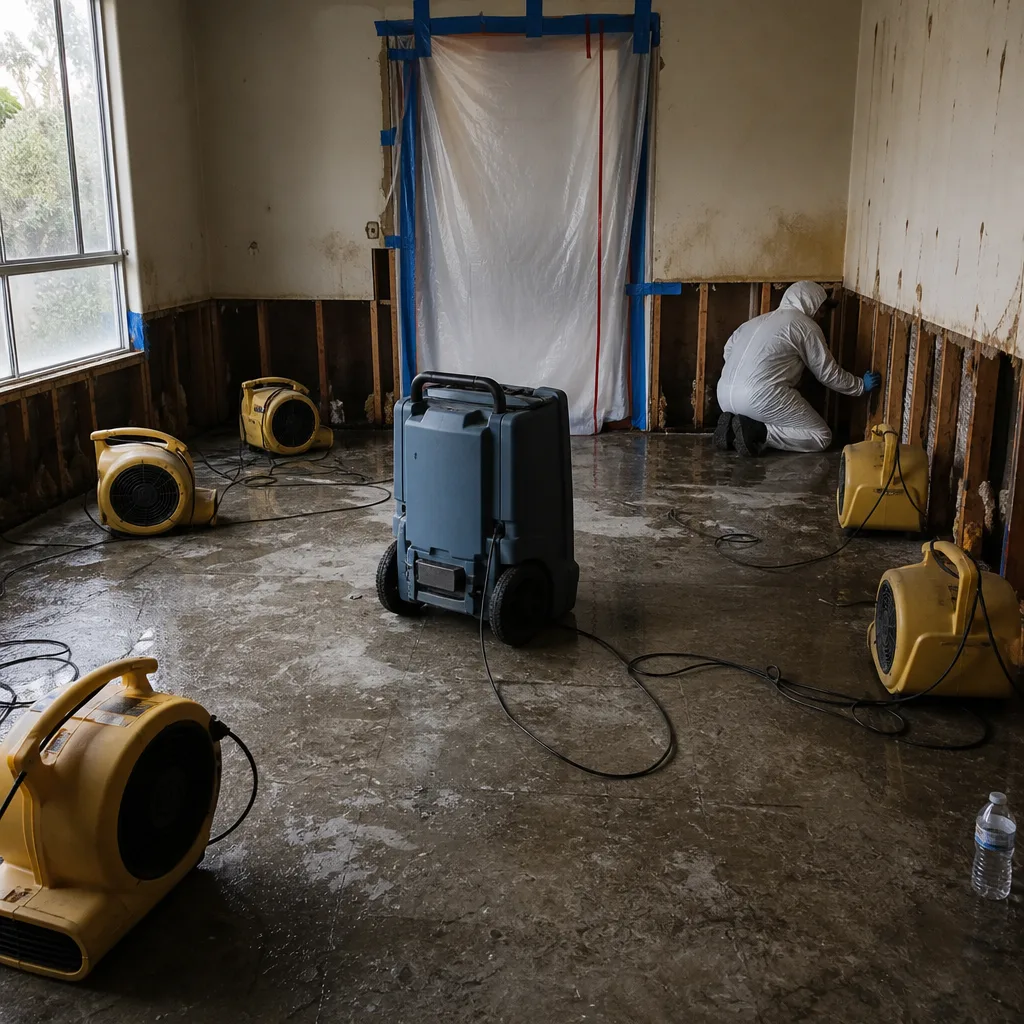
Drying equipment is rented by the day, and the difference between an efficiently dried job and a dragged-out one is measurable in hundreds of dollars per day. Here’s the calculation for the same 400 sq ft Category 2 loss.
4-day dry (properly equipped and monitored):
- 2 dehumidifiers at $145/day × 4 days = $1,160
- 6 air movers at $38/day × 4 days = $912
- 1 Injectidry system at $195/day × 3 days = $585
- 1 HEPA air scrubber at $95/day × 4 days = $380
- Labor for daily monitoring: 4 visits at $145 = $580
- Equipment and monitoring subtotal: $3,617
7-day dry (under-equipped or poorly monitored):
- Same equipment extended to 7 days, with additional labor for three extra monitoring visits
- Dehumidifiers: $2,030
- Air movers: $1,596
- Injectidry: $1,365 (extended to 6 days as cavities fail to dry)
- Air scrubber: $665
- Monitoring labor: $1,015 (7 visits)
- Equipment and monitoring subtotal: $6,671
The 7-day scenario adds $3,054 in direct equipment and labor costs. It also increases risk: extended moisture exposure raises mold probability, which can trigger a separate remediation scope at $2,500-$7,000 - one of the damage restoration warning signs Santa Monica homeowners should watch for. And insurers increasingly scrutinize extended drying timelines, asking why equipment remained on site beyond the period industry standards suggest was necessary.
The key variable is not equipment quantity alone but the documentation that justifies it. Daily moisture logs showing declining moisture content percentages - measured with calibrated penetrating meters at standardized locations - prove that equipment stayed because it was still needed, not because the contractor forgot to pick it up. That distinction matters when the adjuster reviews the invoice.
In Santa Monica’s coastal climate, where marine layer humidity can sustain elevated moisture levels in exterior walls for days longer than inland conditions, proper equipment sizing and documentation are especially critical. We’ve documented cases where exterior-facing walls in Ocean Park properties required 30% longer drying times than interior rooms due to vapor pressure differentials between the conditioned interior and the humid exterior air.
The Five Cost Categories Homeowners Most Often Dispute With Insurers
These disputes are predictable, and the documentation that resolves each is equally specific.
1. Contents handling and pack-out. When water affects furnished rooms, contents must be inventoried, photographed, packed, and either cleaned on-site or transported to a facility. Xactimate reimburses this at $28-$45 per hour depending on item complexity. Disputes arise when insurers classify items as “cleanable on-site” that actually require specialized treatment - electronics, artwork, textiles with dye-run risk. Resolution: a written contents inventory with pre-existing condition photos, signed by the homeowner, before any item moves.
2. Asbestos and lead testing. Pre-1980s Santa Monica homes, concentrated in Sunset Park and Ocean Park, trigger mandatory testing before disturbance of suspect materials. Insurers sometimes classify this as “contractor overhead” rather than a job-specific cost. Resolution: dated bulk sample results from a CALA-accredited laboratory, with chain-of-custody documentation, submitted as a separate line item with the lab invoice attached.
3. Temporary housing and displacement. When drying equipment renders a home uninhabitable - common in single-bathroom properties or when bedrooms are affected - Additional Living Expense coverage applies. Disputes center on whether the equipment “required” displacement or whether the homeowner chose to leave. Resolution: a written letter from the contractor stating that occupied conditions would impede drying progress or create health risks from noise, heat, or antimicrobial application, with reference to IICRC S500 guidelines.
4. Electrical and HVAC evaluation. Water in wall cavities can compromise outlets, switches, and ductwork. Insurers sometimes resist these line items as “not water damage.” Resolution: photos of water lines on electrical components, moisture meter readings at outlet locations, and a licensed electrician’s written evaluation if circuits were energized during the loss.
5. Permit and inspection fees. Some insurers cap permit reimbursement at flat rates that don’t match Santa Monica’s actual fee schedule. Resolution: the actual permit invoice from Santa Monica Building and Safety, with the scope of work described, submitted as a scanned document rather than a contractor estimate.
In each case, the dispute resolves in the homeowner’s favor when documentation exists at the level a claims adjuster can file. The photo record on every visit, standard at DryMark Restoration Santa Monica home, exists precisely for this purpose.
How to Read a Restoration Estimate: The Four Columns That Matter
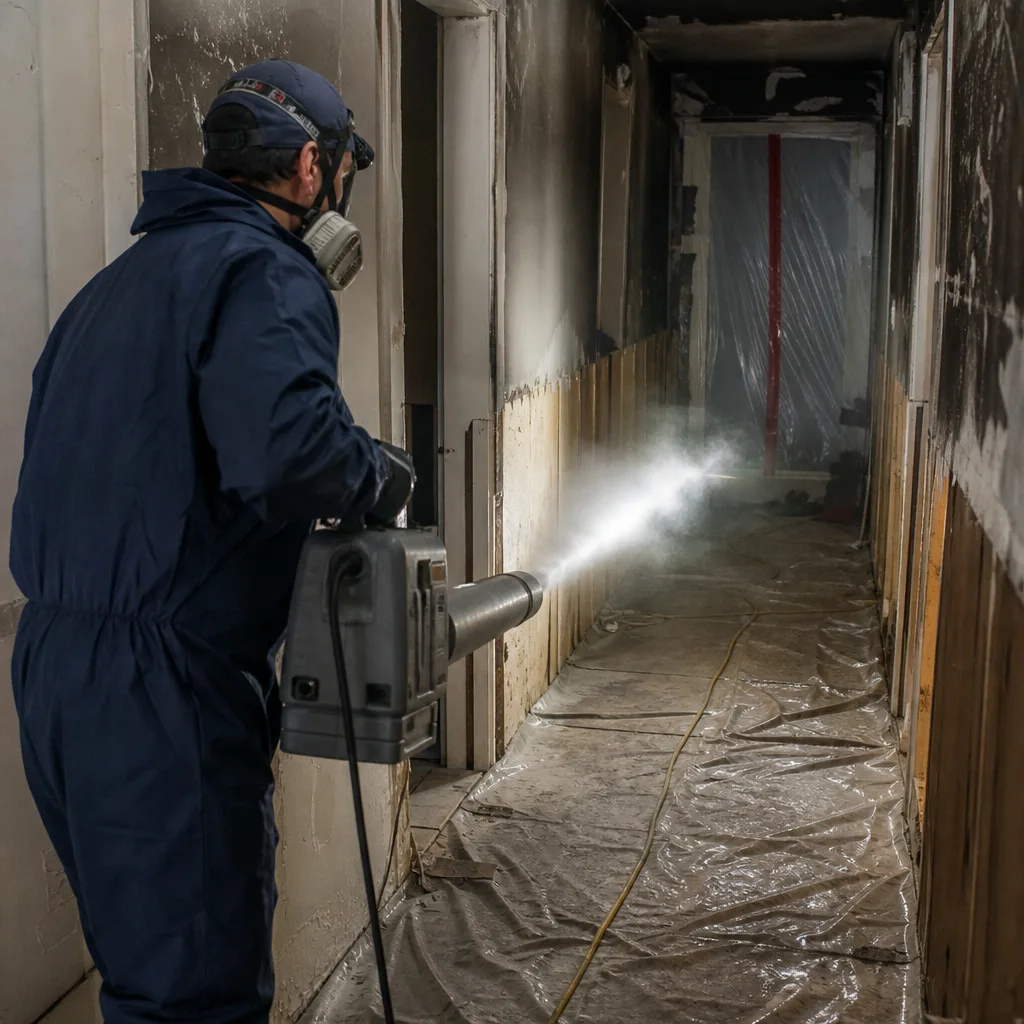
Every legitimate restoration estimate should display four columns for each line item. Missing columns signal documentation practices that will create problems with your insurer.
- Description. Specific, not generic. “Remove and dispose 120 sq ft of 5/8″ Type X drywall, water-stained and delaminated, from ceiling of Bedroom 2” - not “remove damaged drywall.” The description should name the material by trade specification so an adjuster can verify the unit rate against the correct Xactimate line item.
- Quantity. Measured, not estimated. Square footage, linear feet, or count - with the measurement method noted. “400 sq ft” should indicate whether this was calculated from floor dimensions or from moisture mapping that traced the actual water boundary, which may differ.
- Unit rate. The price per unit of measure, broken out from total cost. This allows comparison to Xactimate or other estimates and reveals whether the contractor is applying consistent math.
- Extended cost. Quantity multiplied by unit rate, with no rounding magic. The sum of extended costs should match the subtotal exactly.
What a missing column signals:
- No description column: the contractor does not scope in detail sufficient for insurance review. Expect supplement delays.
- No quantity column: the estimate is a guess, not a measurement. Disputes over final invoice are likely.
- No unit rate: the contractor is hiding markup or applying inconsistent pricing. Red flag for scope creep.
- No extended cost: basic math error, or intentional obfuscation. Either way, not acceptable under Haven Standard, Clause 1.
We provide every homeowner with a four-column scope before work begins, signed by both parties. The written price is fixed; no additional line items appear without a written change order with the same four-column format. This is not a courtesy. It is the documentation standard that turns restoration invoices into payable claims.
Mold, Fire, and Storm: Where Pricing Diverges Sharply
The water loss baseline above changes significantly for other damage types common in Santa Monica.
Mold remediation. Unlike water damage, mold work is not priced primarily by equipment rental but by containment, air filtration, and controlled removal labor. A typical Santa Monica mold job - 100 sq ft of visible growth in a bathroom or HVAC closet - runs $3,200-$5,800. The variable is not the mold but the containment required to prevent cross-contamination during removal. Multi-room jobs with HVAC system involvement scale to $8,000-$15,000. Post-remediation clearance testing by an independent hygienist, required by most insurers for claim closure, adds $450-$850. See our detailed breakdown at Mold Remediation in Santa Monica.
Fire and smoke damage. Structure fires generate costs in three phases: emergency board-up and stabilization; contents cleaning and deodorization; and structural reconstruction. A “small” kitchen fire with smoke migration throughout a 1,500 sq ft Santa Monica home typically runs $18,000-$35,000 for mitigation alone, with reconstruction adding $25,000-$60,000 depending on finish quality. The cost driver is not flame damage but smoke: acidic residues require specialized cleaning protocols, and thermal fogging or ozone treatment adds $1,200-$2,400 per application. Detailed guidance is available at Fire & Smoke Damage Restoration in Santa Monica.
Storm and disaster. Santa Monica’s primary storm risk is not hurricane but wind-driven rain and urban flooding from overwhelmed drainage during intense winter storms. These losses often combine water damage with roof damage, creating coordination between restoration and roofing contractors. Costs vary widely based on roof access difficulty - multi-story buildings in dense neighborhoods like Downtown Santa Monica require scaffolding or aerial lift rental at $800-$1,400 per day - and whether rainwater introduced Category 3 contamination from roof debris.
For any of these damage types, the documentation standard remains identical: written price before work begins, photo record on every visit, daily logs for equipment and moisture data. The equipment brands we deploy - Dri-Eaz, Phoenix, and Injectidry systems - are documented to IICRC, RIA, and IFA standards on every job.
Common Mistakes to Avoid
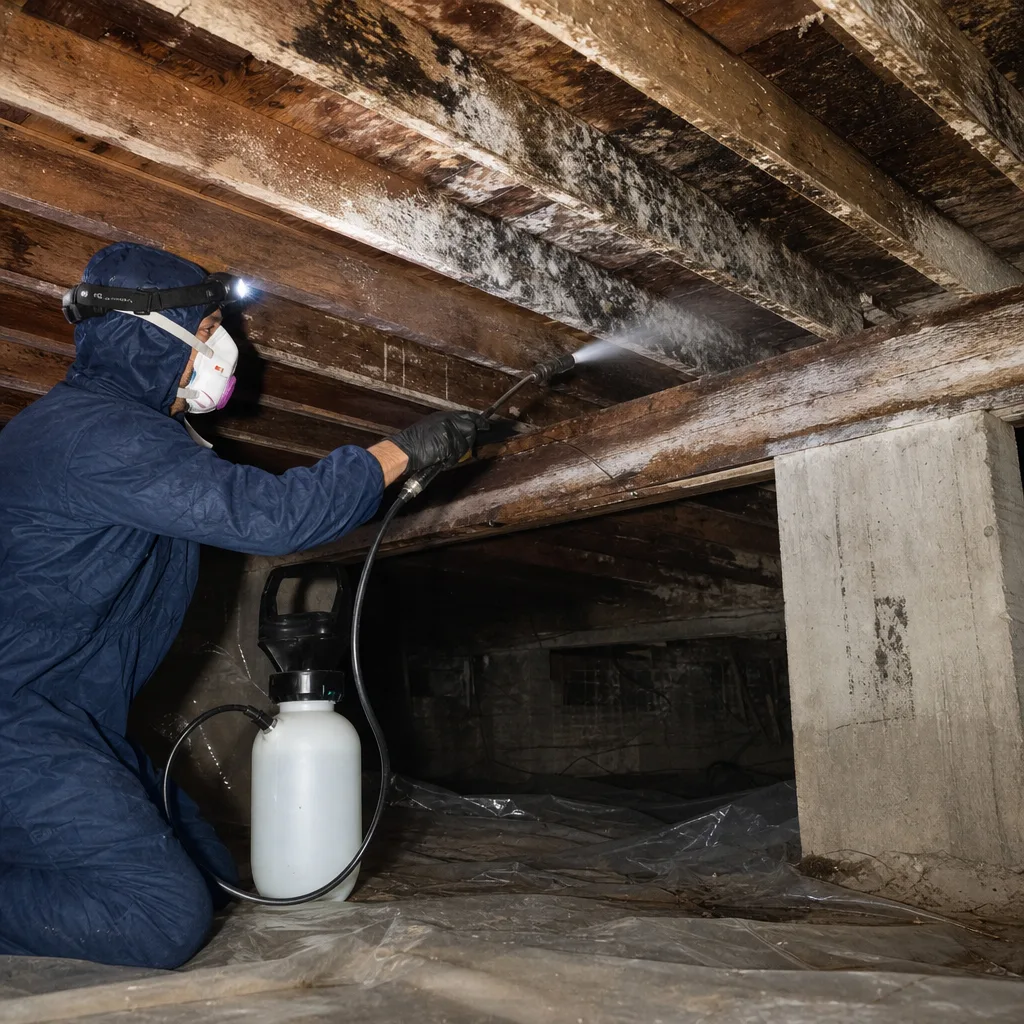
- Signing an authorization without a written scope. Verbal estimates and “time and materials” authorizations leave you exposed to unlimited billing. Haven Standard, Clause 1 requires a written price before work starts for exactly this reason.
- Accepting a single total without line-item breakdown. A lump-sum estimate prevents you from verifying unit rates against Xactimate or identifying duplicate charges. Always request the four-column format described above.
- Delaying the call to document conditions. In Santa Monica’s mild climate, homeowners sometimes wait 24-48 hours to see if a leak “dries on its own.” By then, Category 1 water has often degraded to Category 2, and mold colonization has begun. The cost difference between a 24-hour response and a 72-hour response on the same loss can exceed $4,000.
- Assuming insurance covers everything without understanding your deductible and policy limits. Many Santa Monica homeowners carry $2,500-$5,000 deductibles on water damage, and some policies exclude gradual leaks or seepage. A documented assessment helps you make an informed claim decision before work begins.
- Hiring a contractor who cannot name their documentation deliverables. If they cannot describe, in specific terms, what photos, logs, and reports you will receive, they are not producing the documentation your claim requires. Ask directly: “What will I have in my hands when this job is done?”
- Ignoring permit requirements to save money. Unpermitted reconstruction in Santa Monica triggers code enforcement, can void insurance coverage for future losses, and complicates property sale disclosures. The permit cost is fixed; the cost of avoiding it is unpredictable and usually higher.
- Choosing the lowest bid without verifying equipment and monitoring protocols. A low bid may reflect fewer dehumidifiers, less frequent monitoring, or skipped steps like cavity drying. The 4-day versus 7-day calculation above shows what under-equipment costs in extended rental and secondary damage risk.
When to Call a Professional
Call immediately when water reaches wall cavities, when you smell musty odors after any moisture event, when fire or smoke has affected more than one room, or when sewage or stormwater has entered the structure. These are not DIY situations: contaminated water carries pathogens, fire residues contain toxic compounds, and hidden moisture destroys structural integrity before it becomes visible.
DryMark Restoration Santa Monica offers free estimates in Santa Monica - call (213) 816-0810. Every estimate includes a written scope with line-item pricing before any work begins, a documented photo record, and the 365-Day Done Right Promise backed by The Haven Standard. We also provide a Free Second Opinion on any competitor’s written estimate, at no charge, so you can verify whether another scope is complete or inflated.
Frequently Asked Questions
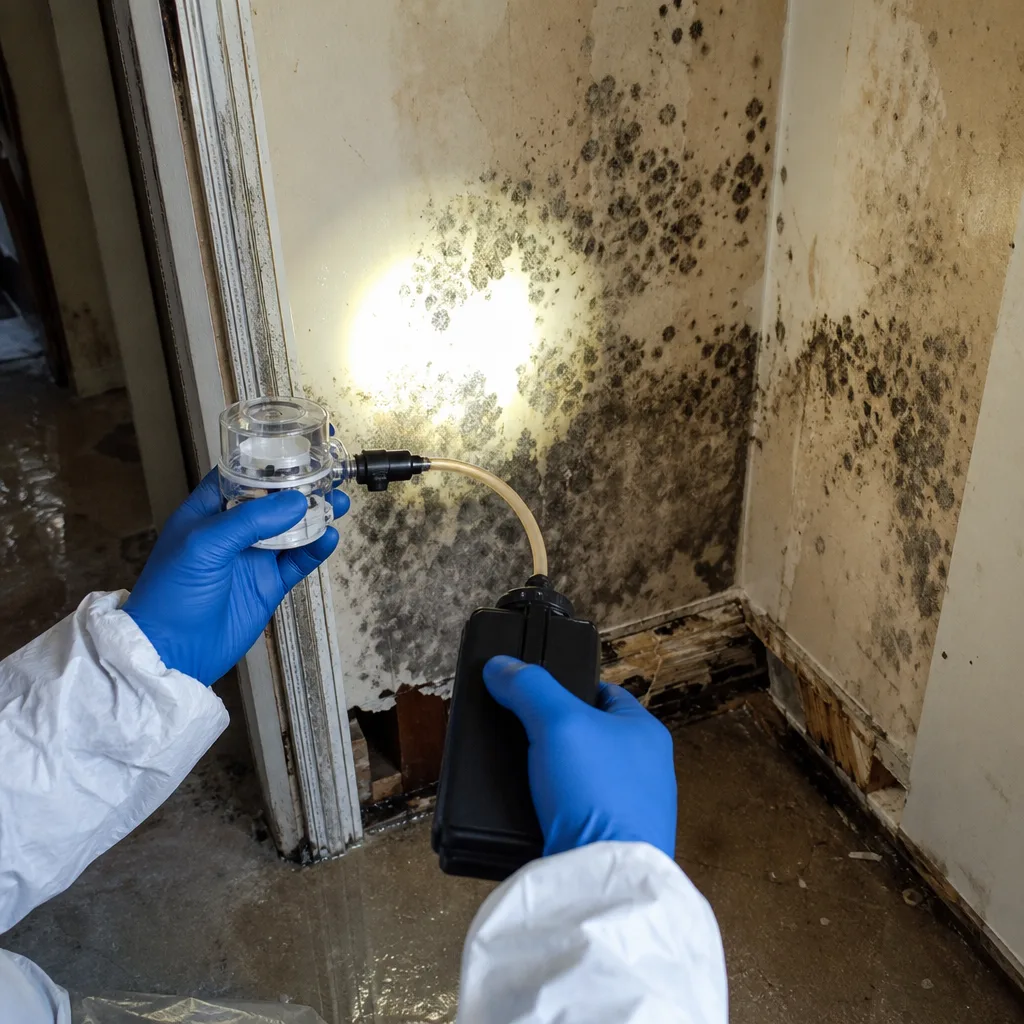
Most residential water damage restoration jobs in Santa Monica fall between $6,500 and $12,000 for mitigation, with reconstruction adding $15-$45 per square foot depending on finish quality. A contained Category 1 leak in a single room may cost $3,800-$5,200, while a Category 2 or 3 loss with structural drying and material removal typically reaches $10,000-$18,000. Call (213) 816-0810 for a written estimate specific to your property - estimates are free and include line-item pricing before any work begins.
Most homeowners policies cover sudden and accidental water damage, but coverage varies by cause of loss, policy limits, and deductible amount. The key to full reimbursement is documentation: a written scope with line-item pricing, daily moisture logs, and a photo record on every visit. Insurers deny or reduce claims most often when documentation is insufficient to justify the scope or duration of work. We coordinate directly with adjusters and produce Xactimate-compatible scopes to minimize disputes.
Xactimate updates lag market rates by 60-90 days, and its standard line items may not describe specialty materials or trades common in Santa Monica homes. A legitimate contractor documents the variance - prevailing wage rates, custom material specifications, actual equipment rental invoices - and submits a supplement with supporting evidence. Jobs with thorough documentation typically resolve supplements in 5-10 business days. Jobs without it often settle at the lower rate, leaving the homeowner responsible for the gap.
For active water losses, same-day response is standard for emergency mitigation - water continues to migrate and damage compounds with every hour. DryMark Restoration Santa Monica maintains live phone coverage 24 hours a day, 7 days a week with no voicemail on emergency lines. Reconstruction work is scheduled after scoping and permitting, not dispatched as an emergency. Call (213) 816-0810 and a live person will coordinate timing based on your loss type.
Surface cleaning of visible mold on non-porous materials is sometimes feasible for very small areas, but any growth exceeding 10 square feet, any growth in HVAC systems, or any growth resulting from Category 2 or 3 water requires professional remediation per IICRC S520 standards. More importantly, visible growth often indicates hidden colonization in wall cavities. Professional assessment with moisture mapping and air sampling determines the actual scope. Attempting DIY removal on larger areas risks cross-contamination and health exposure, and insurers may deny subsequent claims if unqualified work worsened the condition.
You should receive four deliverables: a final written scope showing all work performed with line-item costs; a complete photo record dated to each visit; daily moisture logs with psychrometric data proving drying to IICRC standards; and a signed 365-Day Done Right Promise under The Haven Standard. These documents are not extras - they are the evidence that turns your invoice into a payable claim and protects you if issues emerge later. If a contractor cannot list these deliverables specifically, they are not documenting to the standard your insurer expects.
The Bottom Line
Restoration costs in Santa Monica reflect real market conditions - labor rates, environmental fees, and permit structures - that knowledgeable homeowners can verify line by line. For more guides & resources on navigating these costs, explore our blog. The difference between a fair estimate and a problematic one is not the total but the documentation behind it: specific descriptions, measured quantities, documented unit rates, and a written price fixed before work begins. The same documentation that protects you from scope creep is what your insurer requires for full reimbursement. Demand it from any contractor you consider, and compare their deliverables against the four-column standard described here.
Written by Alicia Brennan, Owner at DryMark Restoration Santa Monica, serving Santa Monica since 2011.