
Last updated September 23, 2026
Free visual inspection and a written scope of work before any mitigation begins - photos, moisture readings, and drying logs go in your claim file
The scope we write is the scope we bill. Anything new gets shown to you, in writing, before we touch it.
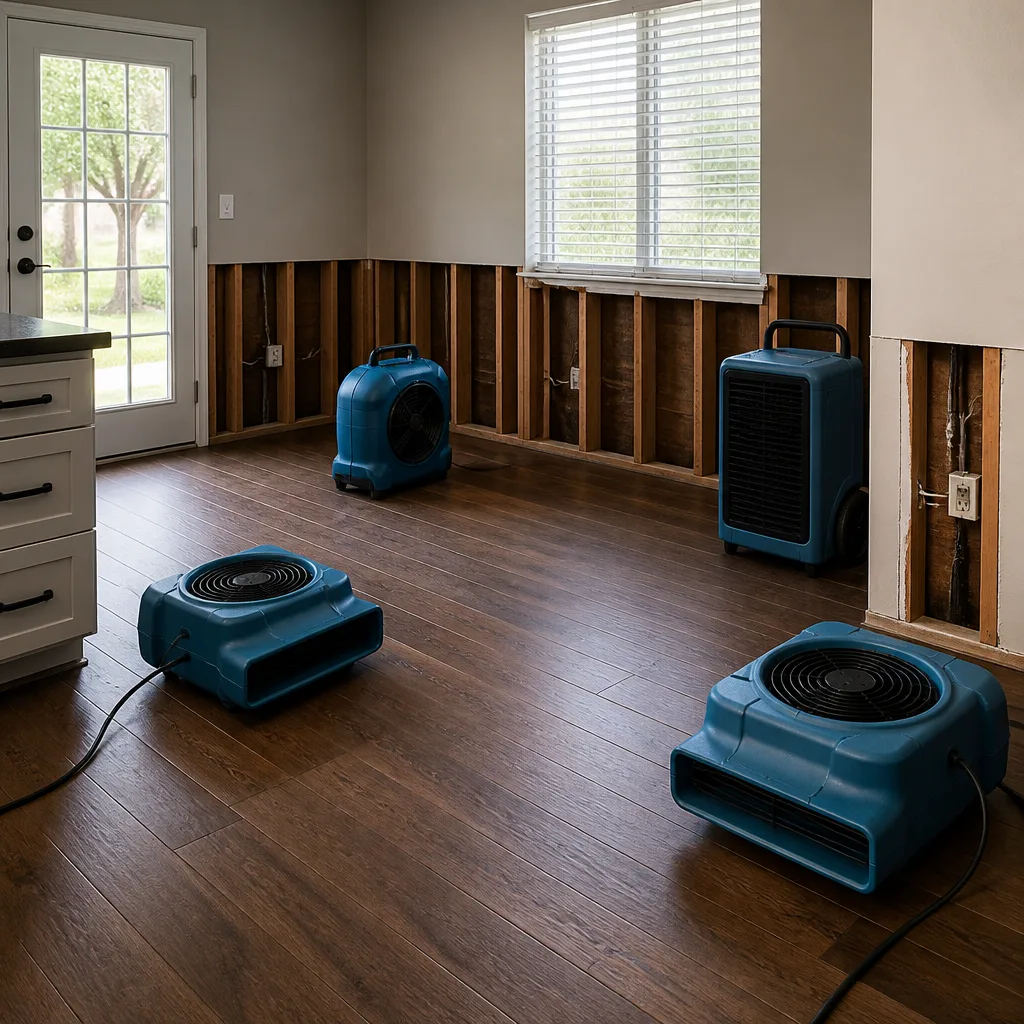
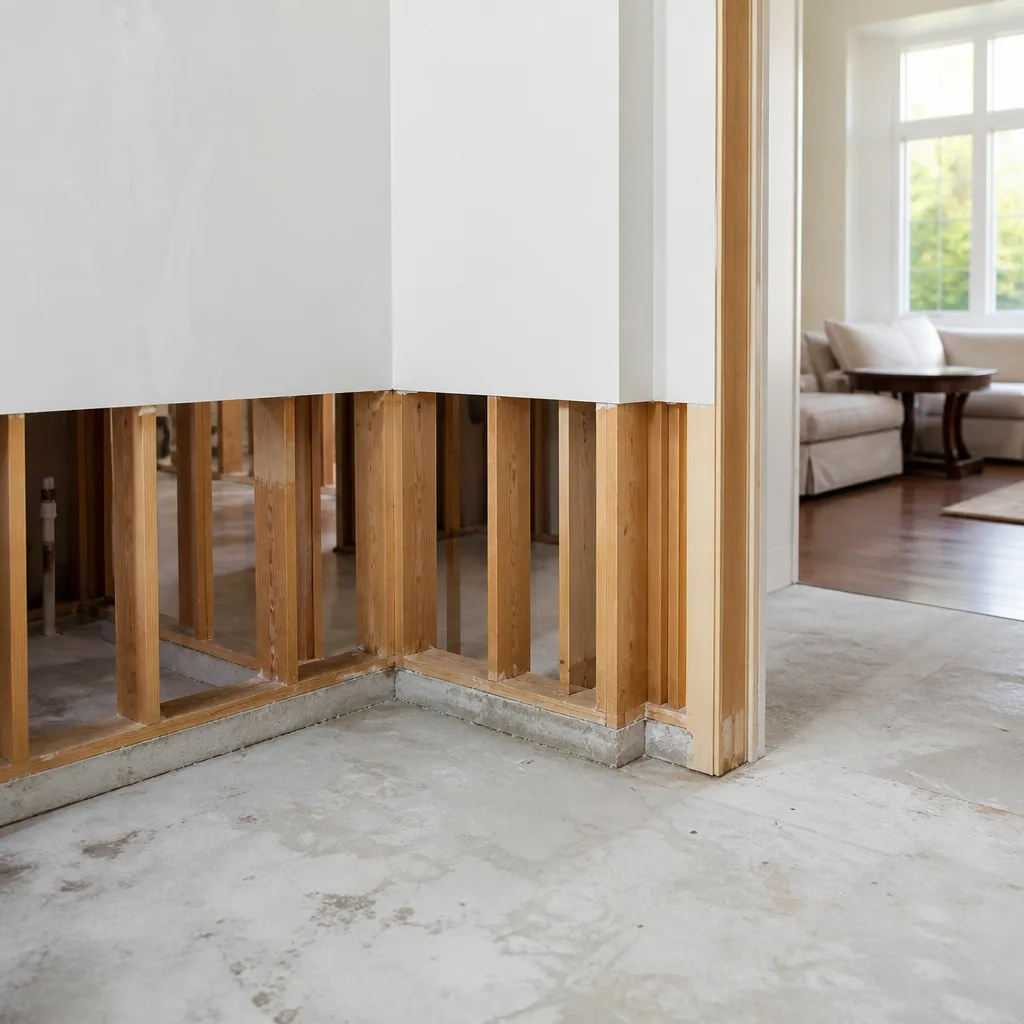

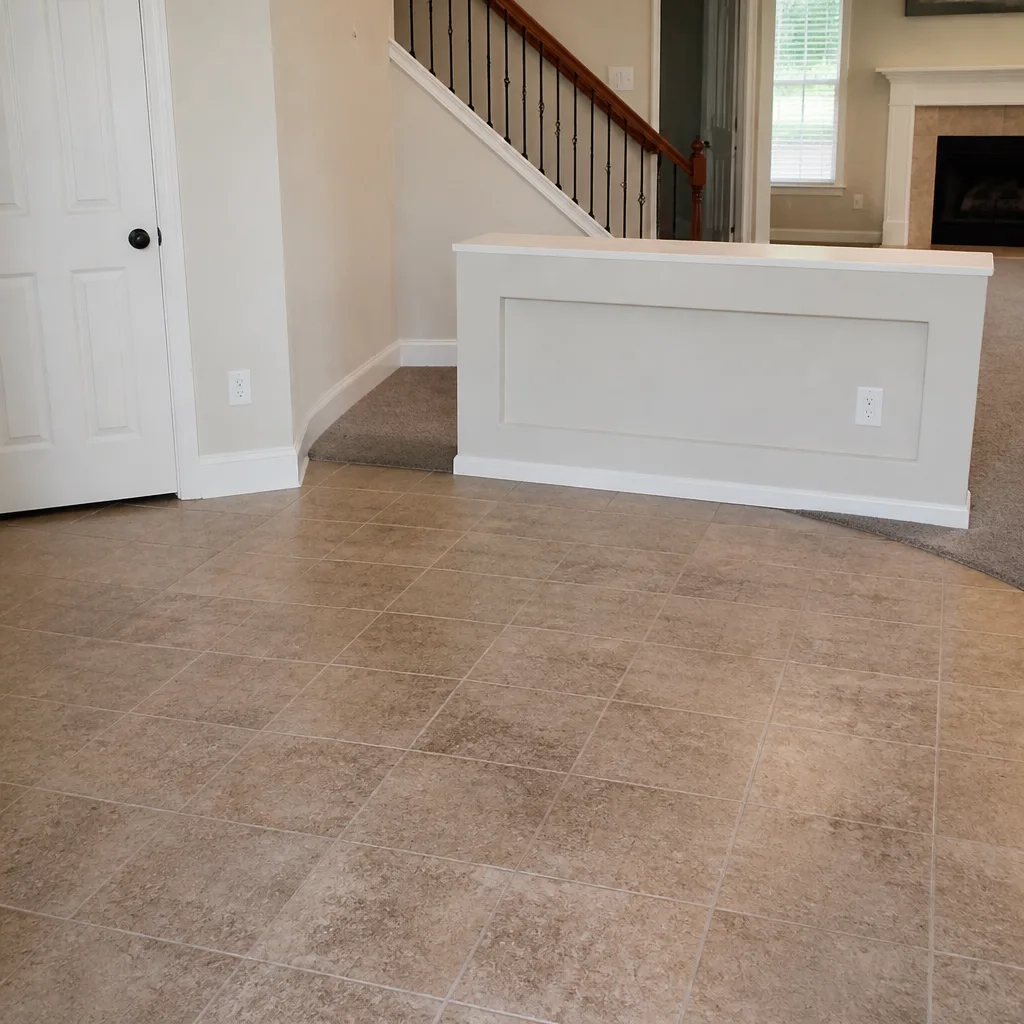
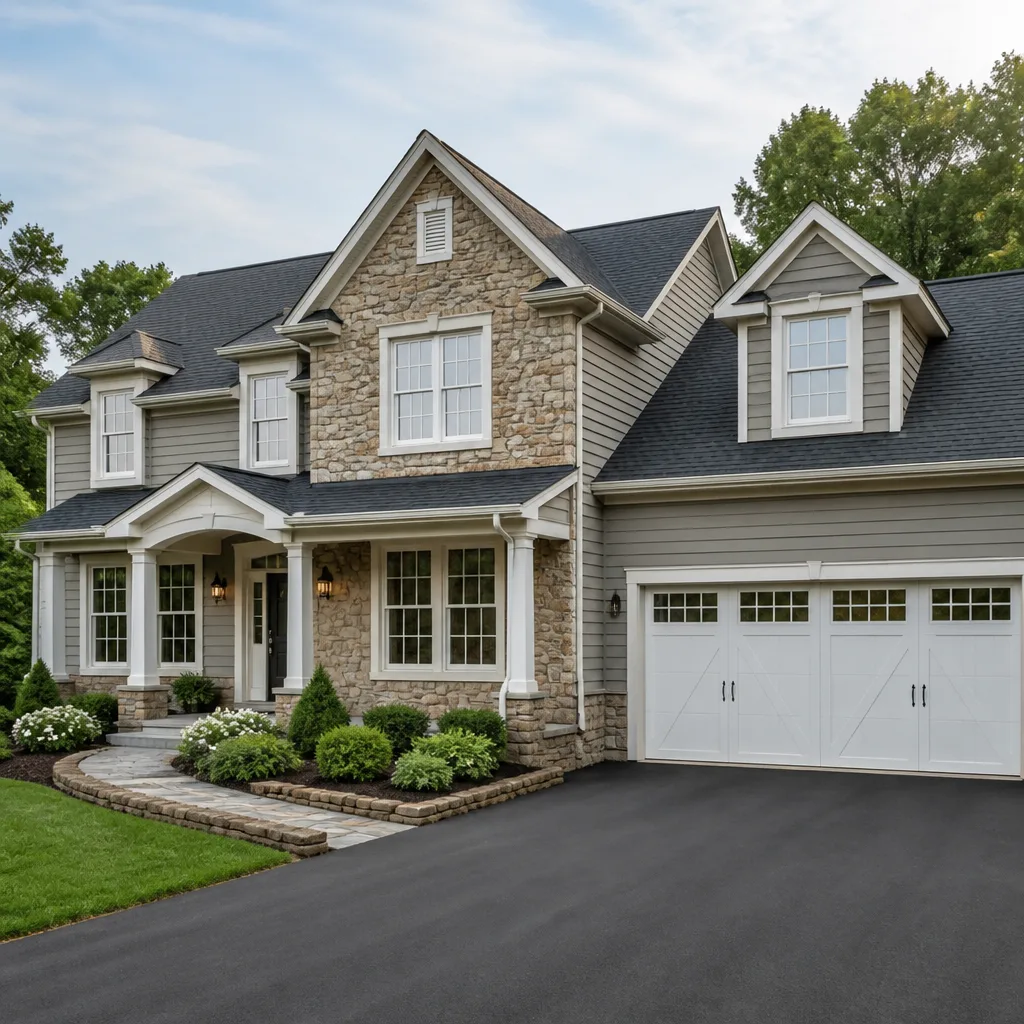
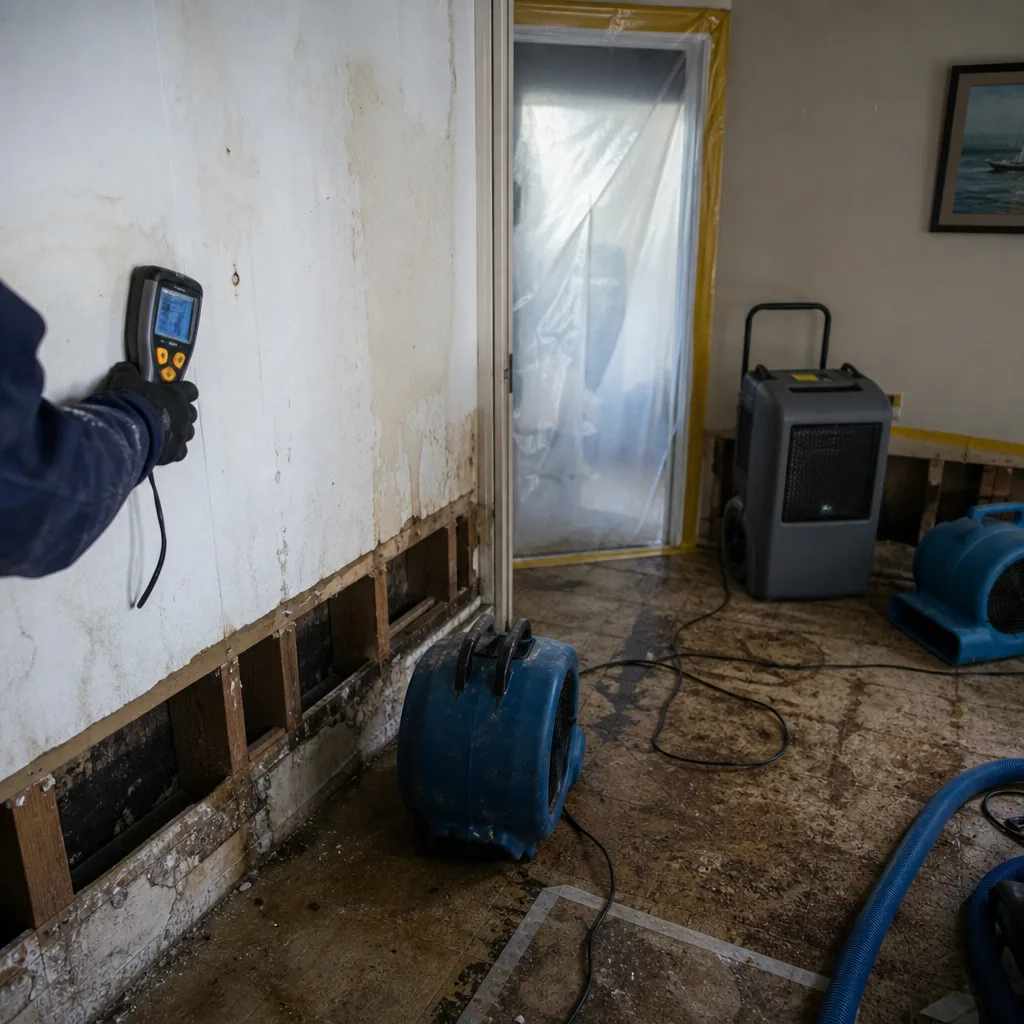 Before
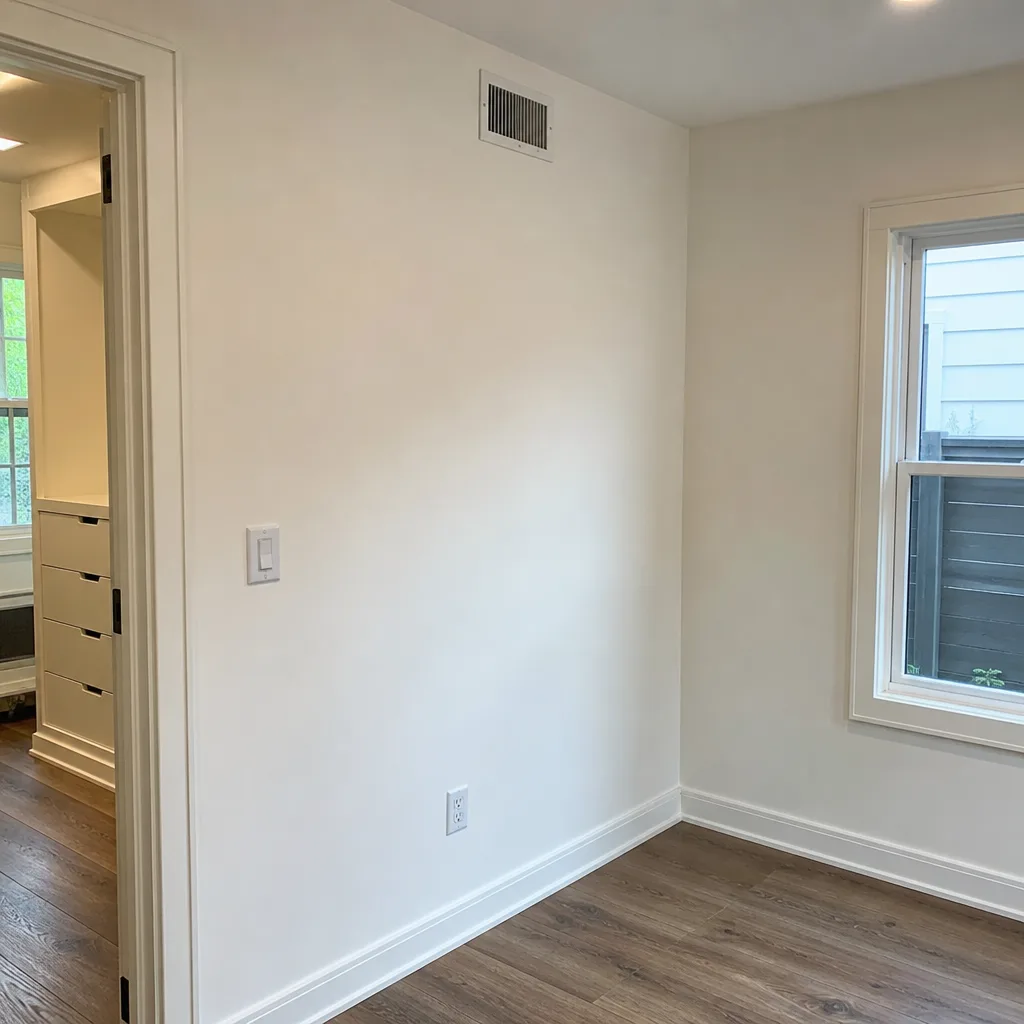 After
After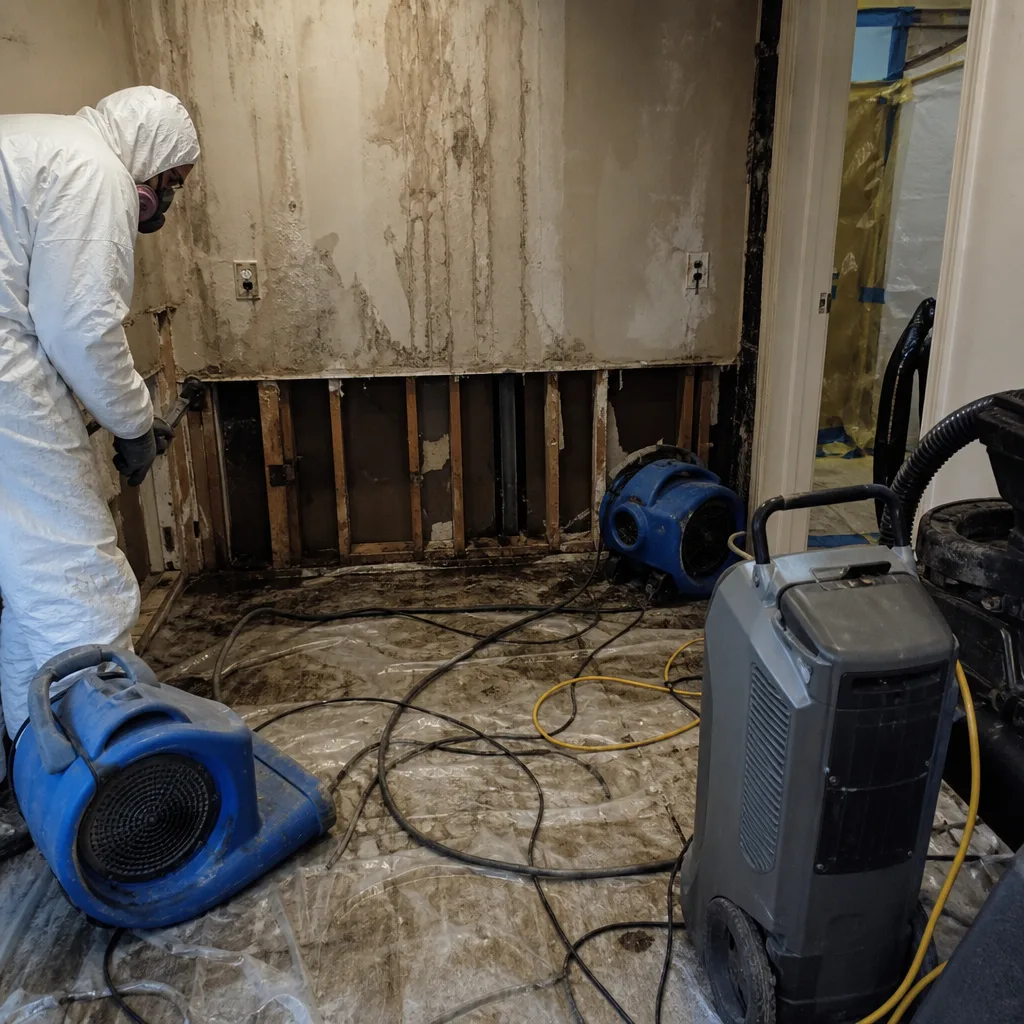 Before
 After
After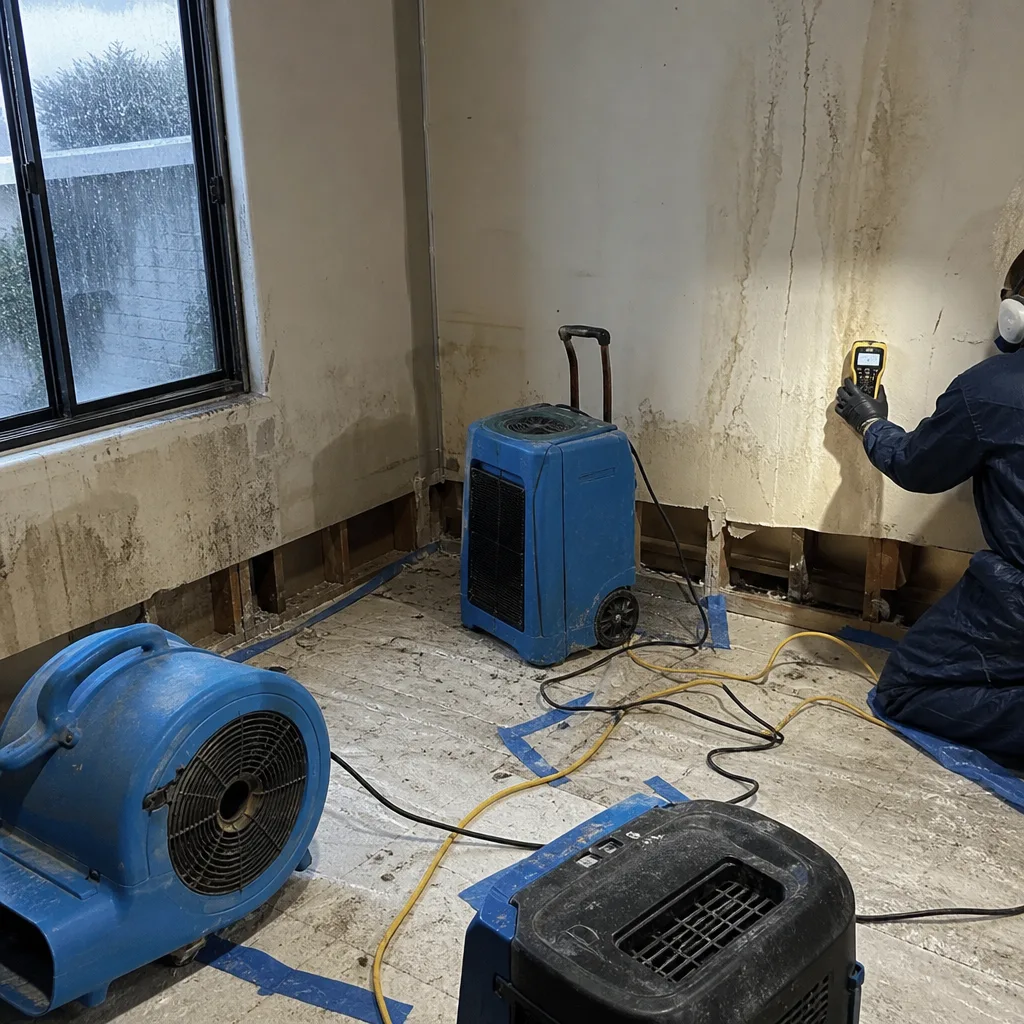 Before
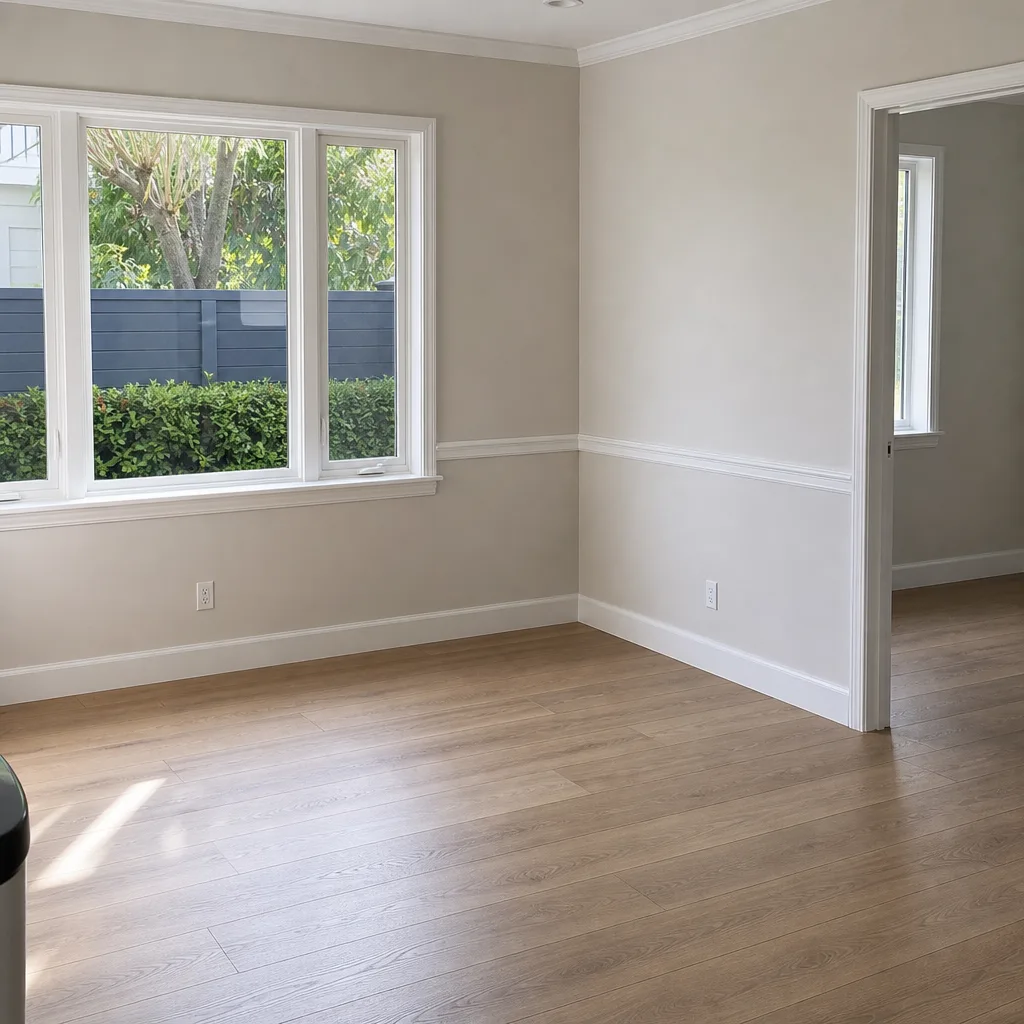 After
AfterDamage Restoration Warning Signs: A Santa Monica Homeowner’s Reference Guide
A moisture content reading of 19% in a wood subfloor is a warning sign. A reading of 28% is active damage. Most Santa Monica homeowners don’t know either number exists until a contractor with a meter shows them - by which point the difference in remediation cost is often $4,000 or more. The Pacific’s marine layer, combined with Santa Monica’s older housing stock and the temperature differentials created by modern HVAC systems, produces a climate where water damage hides in plain sight. This guide gives you the measurable thresholds, the documentation methods, and the local context to catch problems while they’re still warnings.
Quick Answer
The critical damage restoration warning signs in Santa Monica homes are: moisture content above 16% in wood framing, above 1% in concrete subfloors, or above 0.5% in drywall; persistent musty odor without visible mold; efflorescence on foundation walls; and paint bubbling on north-facing stucco that doesn’t resolve after two dry days. These indicators precede visible damage by weeks or months in Santa Monica’s coastal humidity. Document each with dated photographs and, if possible, a moisture meter reading - this record becomes pre-loss evidence for insurance purposes.
Table of Contents
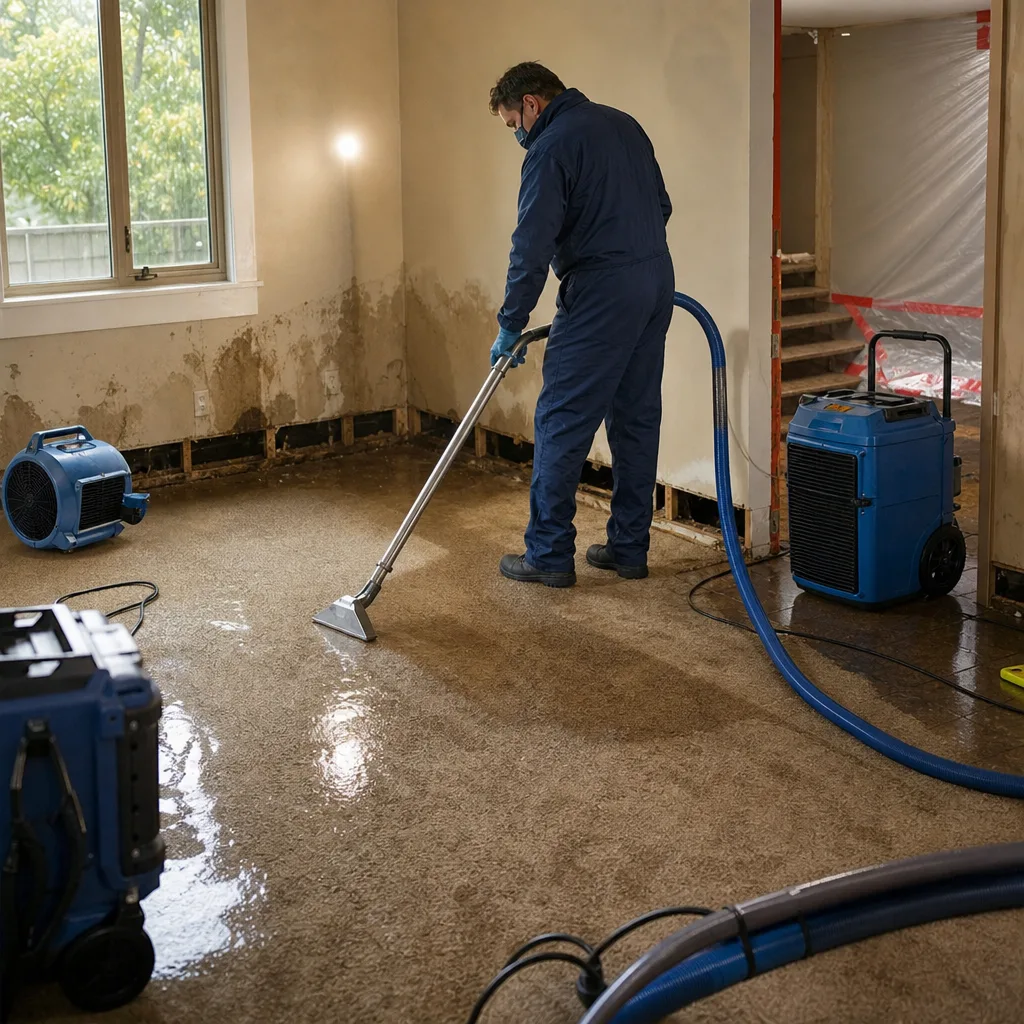
- Moisture Content Thresholds: The Numbers That Matter
- Marine Layer Condensation vs. Active Intrusion
- Pre-Visual Mold Indicators
- Warning Signs in Santa Monica’s Older Housing Stock
- How to Document Warning Signs as Pre-Loss Evidence
- Room-by-Room Warning Sign Checklist
- Common Mistakes to Avoid
- When to Call a Professional
- Frequently Asked Questions
 Before
 After
AfterMoisture Content Thresholds: The Numbers That Matter
Every material in your home has an equilibrium moisture content - the baseline it settles to when the surrounding air is stable. In Santa Monica, that baseline runs higher than inland markets because our marine layer keeps relative humidity elevated for significant portions of the year, particularly May through October.
Here are the thresholds we use on every water damage restoration in Santa Monica assessment:
| Material | Elevated Risk | Active Damage | Tool to Measure |
|---|---|---|---|
| Wood subfloor / framing | 16-19% | 20%+ | Pin-type moisture meter |
| Drywall (paper face) | 0.5-1.0% | 1.0%+ | Pinless moisture meter |
| Concrete subfloor | 3.0-4.0 lbs/1000 sq ft/24hr (calcium chloride test) | 5.0+ lbs | Calcium chloride kit or in-situ RH probe |
| Engineered wood flooring | 12% | 14%+ | Pin-type meter, species-corrected |
A reading of 19% in wood doesn’t mean your floor is visibly wet. It means the wood has absorbed enough moisture to support fungal growth given time and temperature. At 28%, you’re looking at dimensional change - cupping, crowning, or buckling - and the microbial clock has been running for days or weeks.
The gap between “elevated risk” and “active damage” is where documentation matters most. A homeowner who photographs a 17% reading, notes the date, and calls for assessment has pre-loss evidence. A homeowner who waits for visible staining has a claim that starts at the damage event, with no record of when the conditions began.
We document every reading to IICRC S500 standards using calibrated meters. Our daily drying logs track psychrometric data - temperature, relative humidity, and vapor pressure differential - so we can prove when conditions shifted from acceptable to problematic. That documentation is what turns a restoration invoice into a payable insurance claim.
Marine Layer Condensation vs. Active Intrusion
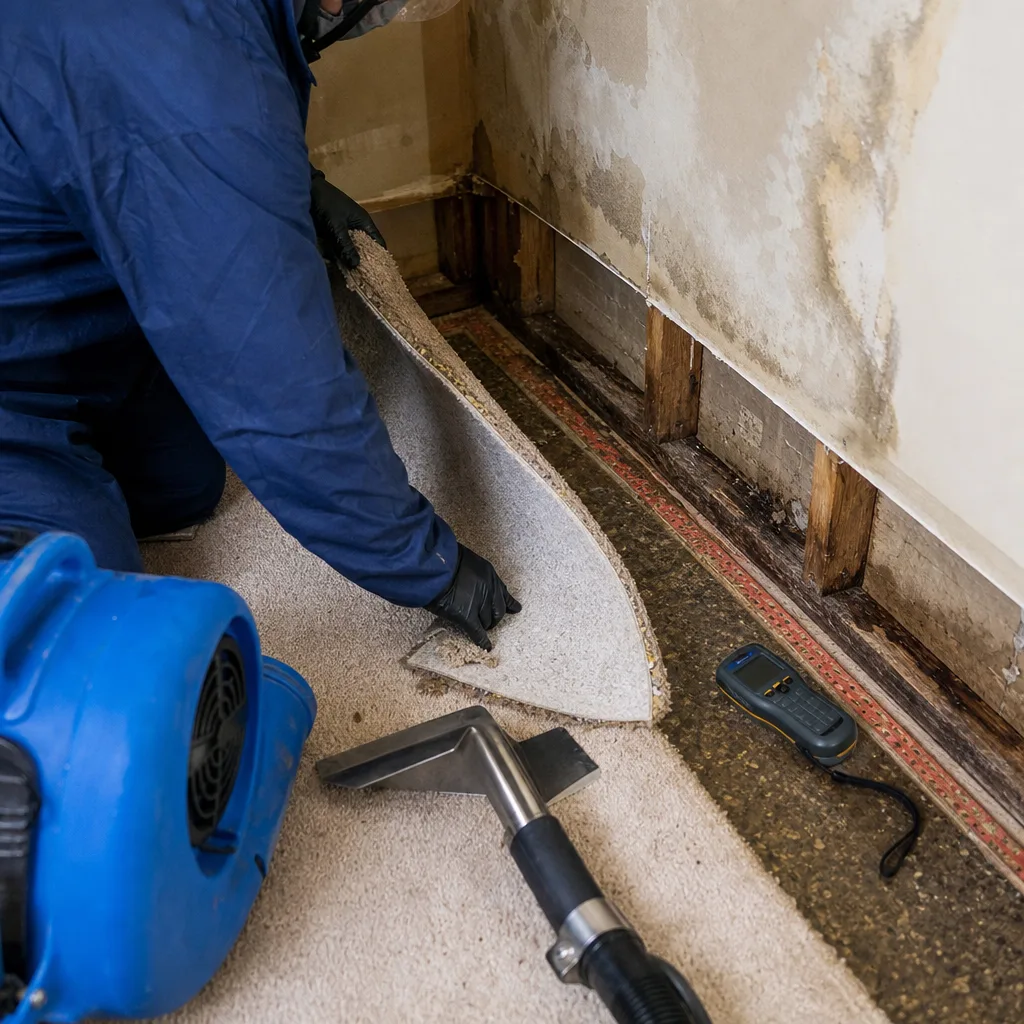
Santa Monica’s marine layer produces a specific diagnostic challenge: condensation on cool surfaces can look, feel, and even smell like active water intrusion. The difference matters for insurance coverage, for remediation scope, and for whether you’re treating a symptom or a source.
Condensation indicators:
- Appears on exterior-facing walls and single-pane windows during marine layer events, typically overnight and early morning
- Dries within 2-4 hours of sun exposure or HVAC activation
- Pattern follows temperature differential: coldest surfaces first
- No elevation in moisture content of substrate materials (meter reading at or below equilibrium)
- No musty odor that persists after surface dries
Active intrusion indicators:
- Appears regardless of weather conditions, including during dry Santa Ana wind periods
- Does not resolve with surface drying or ventilation
- Moisture content in substrate reads above equilibrium threshold
- May show staining that darkens with repeated wetting
- Odor persists or intensifies; often described as “earthy” or “sharp” rather than the flat humidity smell of condensation
The critical test: during a dry spell in Santa Monica, typically a Santa Ana event in fall or winter, check the suspect area after 48 hours of low humidity. Condensation disappears. Active intrusion does not. Document this with dated photographs - the comparison between marine layer period and dry period is often the evidence that determines whether an insurer classifies damage as sudden and accidental (typically covered) or long-term maintenance (typically excluded).
In our experience on DryMark Restoration Santa Monica home assessments, the north-facing walls in Santa Monica’s Sunset Park and Ocean Park neighborhoods show the highest rate of misdiagnosed condensation. These areas catch less direct sun, stay cooler longer, and trap marine layer moisture against stucco and framing. Homeowners assume the persistent dampness is “just the coast” until a meter reading shows 22% in the sill plate.
Pre-Visual Mold Indicators
Mold colonies begin at the microscopic level. By the time you see discoloration, the colony has been established for days to weeks. In Santa Monica’s climate, where temperatures rarely drop below the thermal minimum for fungal growth, the timeline compresses.
Olfactory indicators that precede visible growth:
- Sharp, “green” odor in closed closets or cabinets - distinct from general mustiness; often described as smelling like wet celery or fresh soil. This indicates active microbial volatile organic compound (MVOC) production, which begins 48-72 hours after spore germination.
- Odor that intensifies with HVAC operation - suggests colonization in ductwork or near return air pathways. The system is concentrating and distributing metabolic byproducts.
- “Clean” smell that seems wrong - some molds produce compounds that register as sharp or chemical rather than musty. Homeowners often dismiss these because they don’t match the expected mold odor.
Visual indicators at or below surface level:
- Subtle darkening of grout lines in showers or backsplashes, especially at wall-floor junctions
- Fabric or paper items that feel “clammy” even in dry conditions - books, shoe insoles, cardboard boxes
- Metal fixtures that develop surface oxidation faster than expected - moisture in the microenvironment accelerates corrosion
- Increased dust accumulation on horizontal surfaces in specific rooms - airborne hyphal fragments and spores settle differentially
Professional testing is warranted when: odor persists after thorough cleaning and drying; any occupant experiences respiratory symptoms that correlate with time in a specific room; or moisture readings in suspect areas exceed 16% in wood or 0.5% in drywall. We use air sampling and ERMI/HERSTMI-2 dust analysis, documented to IICRC S520 standards, to establish baseline contamination levels before any mold remediation in Santa Monica begins.
The cost of testing - typically $300-$600 for a residential assessment - is recoverable if contamination is confirmed and remediation follows. The cost of untreated colonization in Santa Monica’s climate, where humidity supports year-round growth, is structural damage and potential health liability.
Warning Signs in Santa Monica’s Older Housing Stock
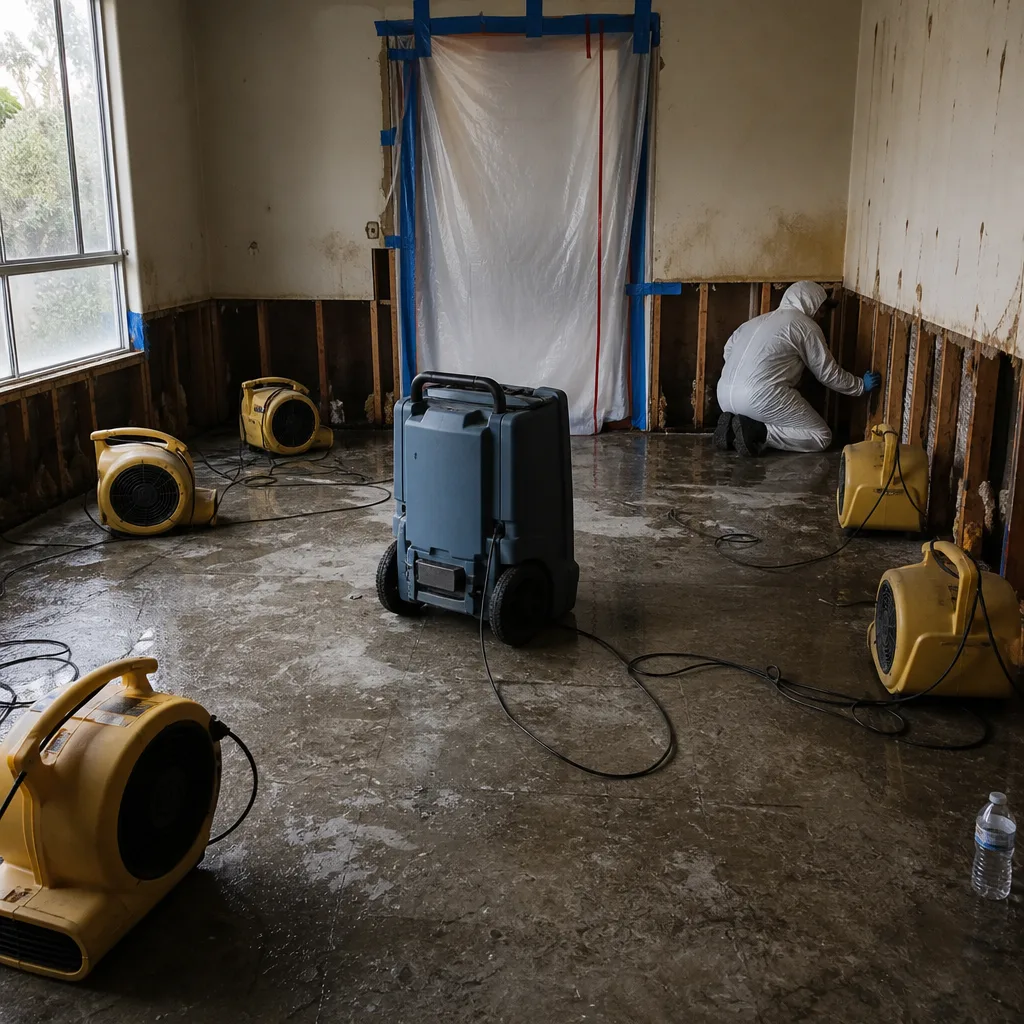
Santa Monica’s building inventory includes significant pre-1970 construction: Craftsman bungalows in Mid-City, Spanish Colonial Revival apartments along Wilshire corridor, and post-war stucco tract homes in Pico Neighborhood. These structures have specific vulnerability patterns that newer construction doesn’t replicate.
Efflorescence on brick or concrete foundations
The white, powdery deposit that appears on masonry surfaces is mineral salt left behind as water evaporates. In Santa Monica, where many older homes sit on unsealed brick or poured concrete foundations with no vapor barrier, efflorescence indicates capillary moisture movement from soil to structure. The critical distinction: efflorescence that reappears after brushing indicates active moisture flow. Efflorescence that brushes away and stays gone may be residual from a past event.
Check foundation walls seasonally. In the Marine Park and Ocean Park neighborhoods, where water tables can rise with winter storms, we’ve seen efflorescence readings correlate with concrete moisture content of 6-8% - well into the range that supports mold growth on adjacent framing.
Paint bubbling on north-facing stucco
Stucco is permeable. When moisture accumulates in the underlying lath or sheathing, paint film loses adhesion and bubbles or blisters. On north-facing walls, where sun exposure is minimal and marine layer moisture lingers longest, this pattern often indicates:
- Failed or absent building paper behind stucco
- Roof drainage directing water against the wall
- Interior humidity migrating outward and condensing at the stucco-paint interface
Bubbling that doesn’t resolve after two consecutive dry days (relative humidity below 60%, no marine layer) indicates substrate moisture, not surface condensation. Probe gently: soft or crumbling stucco beneath the bubble confirms water intrusion.
Door frame racking and trim separation
Wood door frames are moisture-sensitive indicators. When the jamb absorbs water and swells, the door becomes difficult to operate - sticking, binding, or failing to latch. In Santa Monica’s older homes with original Douglas fir or redwood frames, this swelling often precedes any visible wall damage by weeks.
Trim separation at miters or from the wall surface indicates differential movement: wood expanding with moisture while adjacent materials stay stable. Document the gap width with a photograph that includes a ruler or coin for scale. Progressive widening over days or weeks is a moisture event in progress, not seasonal humidity fluctuation.
Plaster crack patterns
Historic plaster-on-lath construction shows stress differently than drywall. Diagonal cracks running from door or window corners indicate structural movement, often from moisture-compromised sill plates or foundation settlement. Horizontal cracks at ceiling-wall junctions suggest truss uplift or moisture-related expansion in the top plate. Map these with dated photographs - crack progression is evidence of ongoing structural moisture damage that may trigger coverage under some policies.
How to Document Warning Signs as Pre-Loss Evidence
The difference between a homeowner’s memory and admissible evidence is documentation. Insurance adjusters work from files, not recollections. A documented warning sign, properly recorded, can establish when conditions began and support coverage arguments for gradual damage claims.
Step-by-step documentation protocol:
- Photograph the indicator with context. Include a fixed reference point - electrical outlet, baseboard heater, window frame - that allows future comparison. Enable timestamp on your camera or note date and time in the filename.
- Record environmental conditions. Note outdoor temperature, recent weather, and whether HVAC was operating. In Santa Monica, marine layer presence or absence is relevant - check local weather records if uncertain.
- Obtain a moisture reading if possible. Pin-type meters cost $50-$150 and require no training for basic use. Insert pins perpendicular to grain for wood; for drywall, use pinless mode or probe through a small puncture in an inconspicuous location. Record the reading, the material tested, and the meter model.
- Describe the indicator in writing. Use measurable language: “bubbling approximately 3 inches diameter,” “efflorescence covering 40% of visible foundation,” “door requires 15 pounds force to latch.” Avoid subjective terms like “bad” or “concerning.”
- Store with cloud backup. Email the file to yourself or use a dated folder structure. Physical damage to the device should not mean loss of the record.
- Update at intervals. Re-photograph weekly if conditions are changing. Progressive documentation establishes timeline, which is critical for coverage determinations.
When you call for assessment, provide this documentation upfront. At DryMark Restoration Santa Monica, we incorporate homeowner documentation into our initial file and reference it in our written scope. The photo record we create on every visit then builds on your baseline, producing a continuous chain of evidence from warning sign to completed restoration.
Haven Standard, Clause 1 requires a written price before work begins on every job. That price is based on documented conditions, not estimates. Your pre-loss documentation contributes to the accuracy of that scope and the defensibility of the resulting invoice.
Room-by-Room Warning Sign Checklist
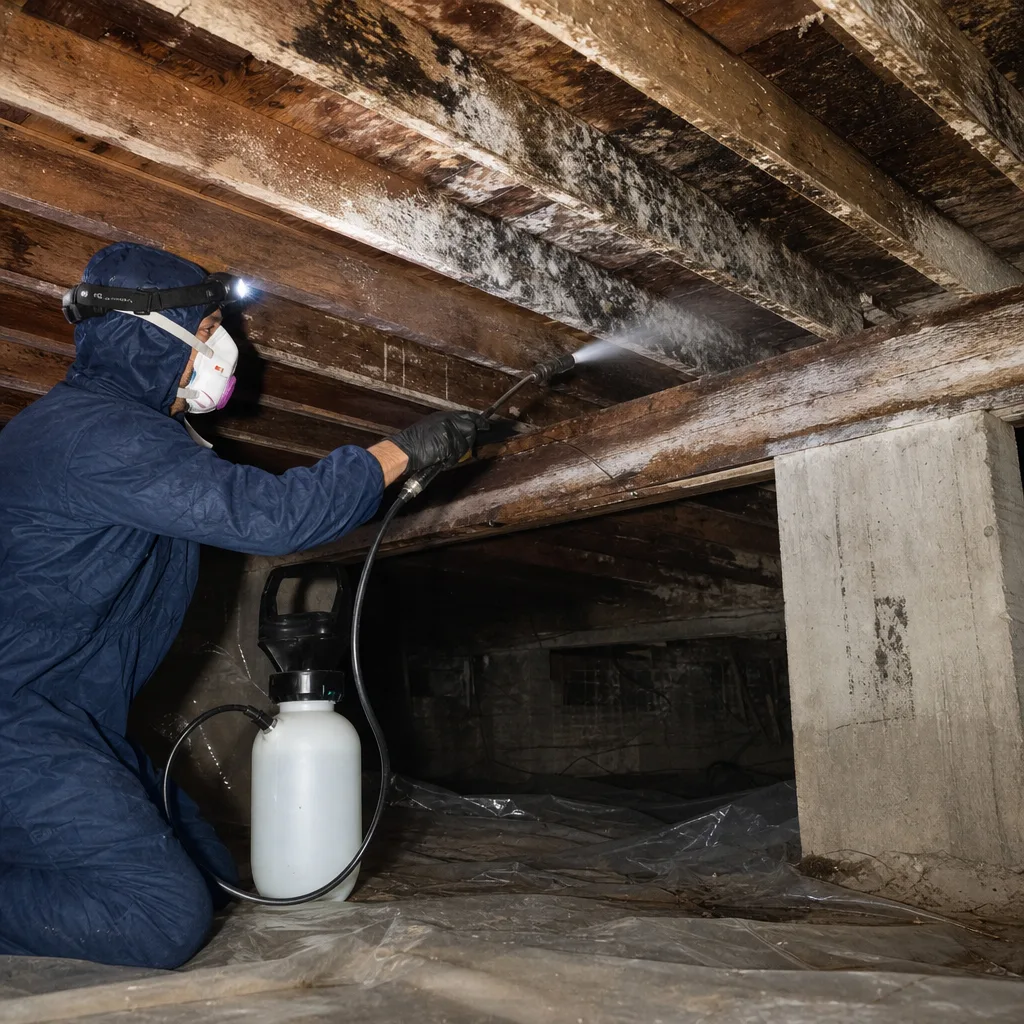
Different rooms present different risk profiles based on water sources, ventilation patterns, and construction details. Use this checklist for seasonal inspections in Santa Monica homes.
Kitchen
- Softening or discoloration at cabinet toe-kicks (dishwasher or sink leak indicator)
- Grout darkening at wall-floor junction behind refrigerator (ice maker line leak)
- Laminate countertop swelling at sink cutout
- Baseboard gaps or nail pops on wall shared with dishwasher
Bathroom
- Caulk failure at tub-shower corners with substrate darkening beneath
- Toilet base movement or grout cracking at perimeter (wax ring failure)
- Exhaust fan housing stains on ceiling below (condensation or duct leak)
- Vanity cabinet floor staining or odor
Laundry
- Washer supply hose bulging or cracking at connection points - replace every 5 years regardless of appearance
- Floor drain backup or slow drainage
- Dryer duct moisture or lint accumulation at exterior termination
Bedrooms and Living Areas
- Window sill staining or finish degradation on lower sash
- Carpet tack strip rust or darkening at perimeter
- Baseboard shoe molding separation from floor
- Electrical outlet faceplate discoloration or odor
Attic
- Insulation compression or staining beneath roof penetrations
- Raised nail heads on roof sheathing (moisture-driven expansion)
- Daylight visible at vent or chimney flashings
- Storage item staining or odor transfer
Garage and Exterior
- Slab cracking with differential elevation (soil moisture changes)
- Stucco cracking at control joints or window heads
- Downspout discharge pooling or diverted toward foundation
- Sprinkler overspray on stucco or wood trim
In Santa Monica’s climate, the garage deserves particular attention. Many homes have converted garages or attached structures with slab-on-grade construction that predates modern moisture barriers. We’ve assessed garages in the North of Montana neighborhood where slab moisture content readings exceeded 5% - sufficient to degrade stored items and support sub-slab mold growth - with no visible water present.
Common Mistakes to Avoid
- Assuming “coastal humidity” explains persistent dampness. Santa Monica’s marine layer produces transient surface moisture, not sustained substrate elevation. Condensation dries; intrusion persists. Test with a meter rather than attributing to climate.
- Waiting for visible mold before calling. By the time mold is visible, colony establishment is advanced. Remediation scope and cost increase non-linearly with contamination area. Pre-visual indicators - odor, moisture readings, subtle staining - are the optimal intervention points.
- Using bleach on suspected mold. Bleach is primarily water. On porous materials, it can drive moisture deeper while leaving viable hyphae. It also removes pigment without removing structure, creating false confidence. Proper remediation requires source removal and controlled drying, not surface treatment.
- Ignoring “minor” plumbing leaks. A dripping angle stop under a sink can produce 30 gallons of moisture migration monthly - enough to elevate framing moisture to problematic levels in a confined cabinet space. The volume is small; the concentration is high.
- Documenting only the damage, not the conditions. Photographs of wet drywall prove damage existed. Photographs of elevated moisture readings, dated before visible damage, prove when conditions became abnormal. The latter supports coverage; the former may not.
- Neglecting seasonal variation in assessment. A Santa Monica home inspected only during dry Santa Ana conditions may show no active indicators. Re-inspect during marine layer season for complete risk picture.
- Accepting verbal estimates for restoration work. Haven Standard, Clause 1 exists because verbal pricing creates scope disputes, insurance rejections, and homeowner liability. A written price before work begins is not a preference - it’s a protection.
When to Call a Professional
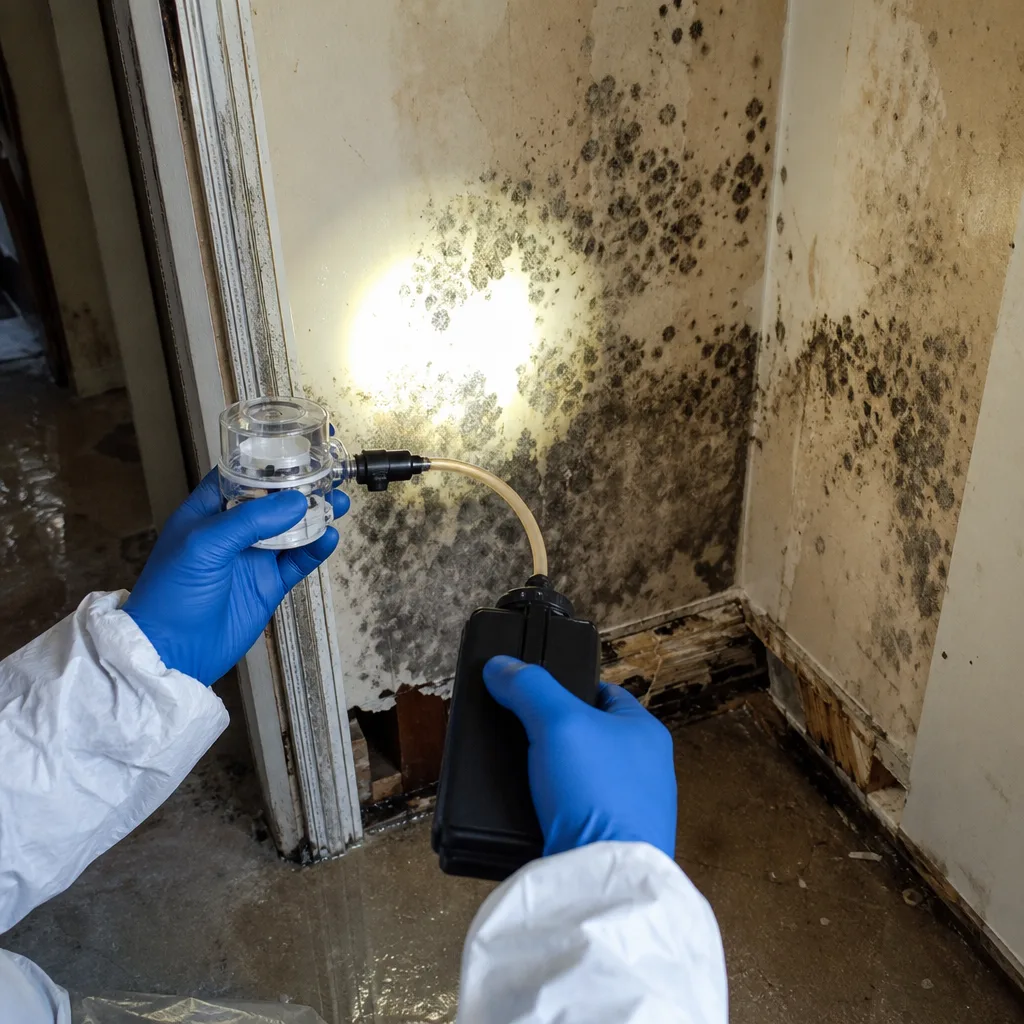
Call for assessment when: moisture readings exceed the elevated risk thresholds in this guide; any odor persists after thorough cleaning and drying; visible indicators progress despite your intervention; or you’re documenting for insurance and need professional corroboration. Do not wait for catastrophic failure - the cost differential between warning-sign intervention and damage-event remediation is substantial and well-documented, as explored in our DIY vs Professional Damage Restoration: The Santa Monica Homeowner’s Decision Guide.
For fire & smoke damage restoration in Santa Monica, the indicators differ: soot tagging on walls near HVAC returns, persistent acrid odor after surface cleaning, or corrosion on metal surfaces distant from the fire origin. These also require professional documentation for coverage purposes.
DryMark Restoration Santa Monica offers free estimates in Santa Monica - call (213) 816-0810. Every assessment includes moisture mapping with professional-grade equipment, a written scope with line-item pricing before any work begins, and a documented photo record. Our technicians are background-checked, uniformed, and licensed; the live person who answers your call can dispatch 24 hours a day, 7 days a week.
Frequently Asked Questions
Initial moisture mapping and assessment typically ranges from $150-$400 for residential properties, depending on square footage and number of suspect areas. DryMark Restoration Santa Monica applies this assessment fee toward remediation if work proceeds. The assessment includes documented moisture readings, thermal imaging, and a written findings report with photograph record. Call (213) 816-0810 to schedule - estimates are free for standard scope development.
Coverage depends on policy language and documentation. Most standard HO-3 policies cover “sudden and accidental” discharge but exclude “constant or repeated seepage” over 14 days or more. The critical factor is proving when conditions became abnormal - your documented warning signs, with dated photographs and moisture readings, establish a timeline that may support coverage even for gradual events. We coordinate directly with adjusters and provide the drying logs and photo documentation that support payable claims.
The 48-hour dry test: during Santa Ana conditions or any period with relative humidity below 50%, check the suspect area after two full days. Condensation resolves completely; active intrusion persists or worsens. Confirm with a moisture meter - condensation doesn’t elevate substrate readings above equilibrium. Document both conditions with dated photographs for comparison.
In Santa Monica’s climate, where temperatures rarely inhibit fungal growth, concern begins at 16% moisture content in wood and 0.5% in drywall. These are not panic thresholds - they’re action thresholds. Professional assessment at these levels typically results in targeted drying and source correction, not full remediation. At 20% wood moisture or 1.0% drywall, active damage is likely and remediation scope increases. The gap between concern and damage is where documentation and prompt response pay off.
Home kits provide limited value for insurance or remediation purposes. They typically capture airborne spores without establishing baseline, outdoor comparison, or species identification. Professional testing to IICRC S520 standards includes air sampling with outdoor controls, ERMI/HERSTMI-2 dust analysis for historical contamination, and chain-of-custody documentation that insurers accept. The cost difference - $50 for a home kit versus $300-$600 for professional assessment - is recovered many times over if contamination is confirmed and remediation follows.
Your insurance policy declaration page, any prior correspondence with your insurer about the property, your documented warning signs (dated photographs, moisture readings, written descriptions), and a list of affected or suspect rooms. If you have a competitor’s estimate, DryMark Restoration Santa Monica provides a Free Second Opinion review at no charge - Haven Standard practice for ensuring accurate scope. The technician will then conduct independent moisture mapping and provide a written price before work begins, per Haven Standard, Clause 1 - a process detailed in our How to Hire a Damage Restoration Contractor in Santa Monica: A Step-by-Step Guide.
The Bottom Line
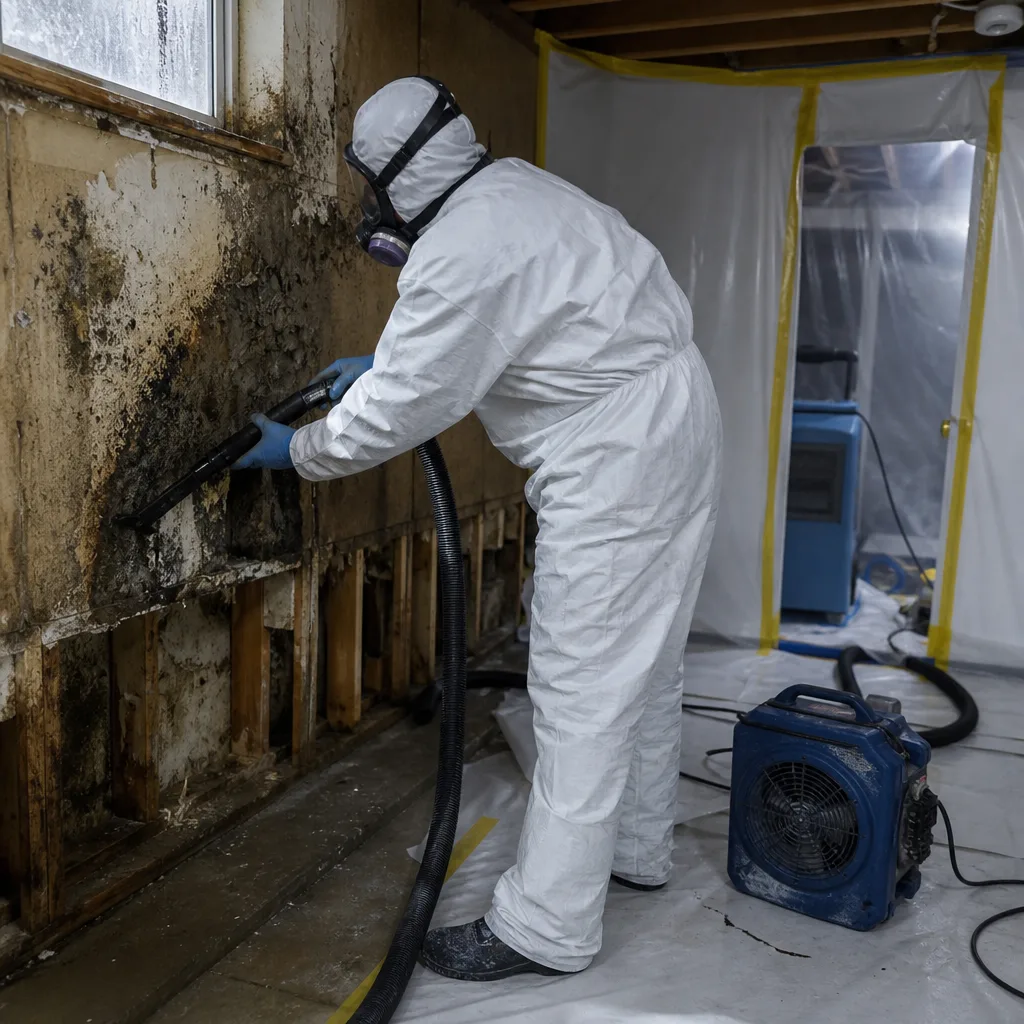
Warning signs are data, not drama. A 19% moisture reading, a persistent sharp odor, efflorescence that reappears after brushing - these are measurable conditions that precede visible damage by weeks or months in Santa Monica’s coastal climate. The homeowners who minimize remediation costs are those who document early, verify with meters rather than assumptions, and engage professionals while conditions are still at the warning stage. The alternative is discovering active damage when the contractor arrives, with no record of when conditions began and no leverage in coverage discussions. The tools and thresholds in this guide are the same ones we use on every assessment. Applied consistently, they turn reactive restoration into managed prevention. For more guides & resources, visit our blog.
Written by Alicia Brennan, Owner at DryMark Restoration Santa Monica, serving Santa Monica since 2011.