
Last updated September 23, 2026
Free visual inspection and a written scope of work before any mitigation begins - photos, moisture readings, and drying logs go in your claim file
The scope we write is the scope we bill. Anything new gets shown to you, in writing, before we touch it.
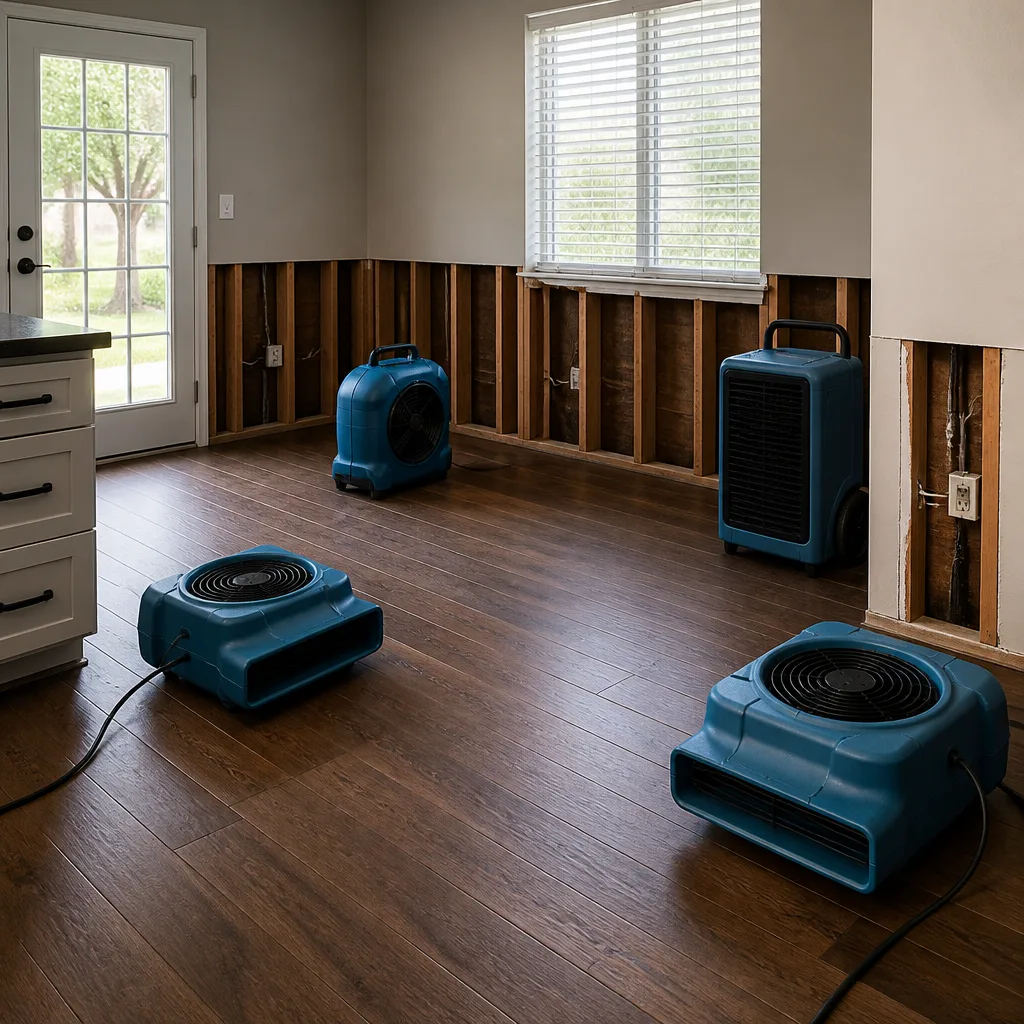
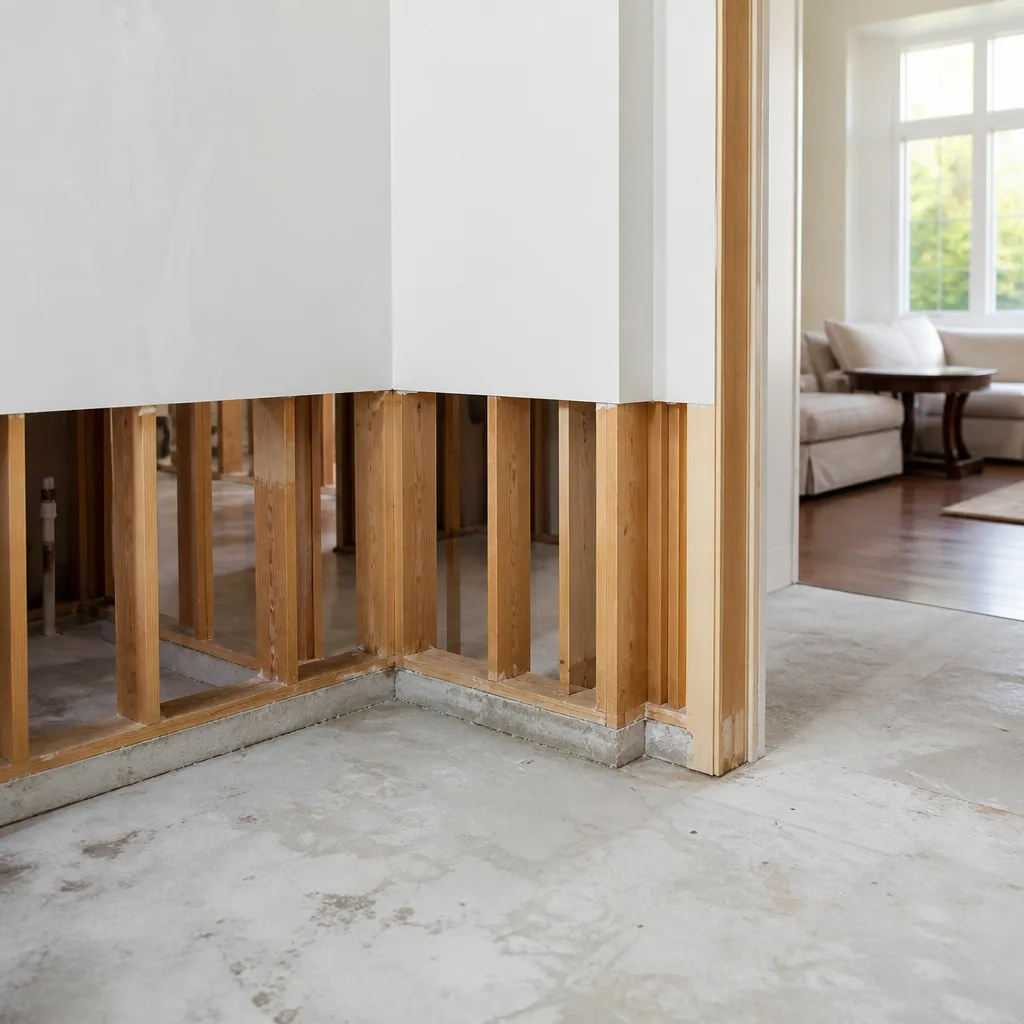

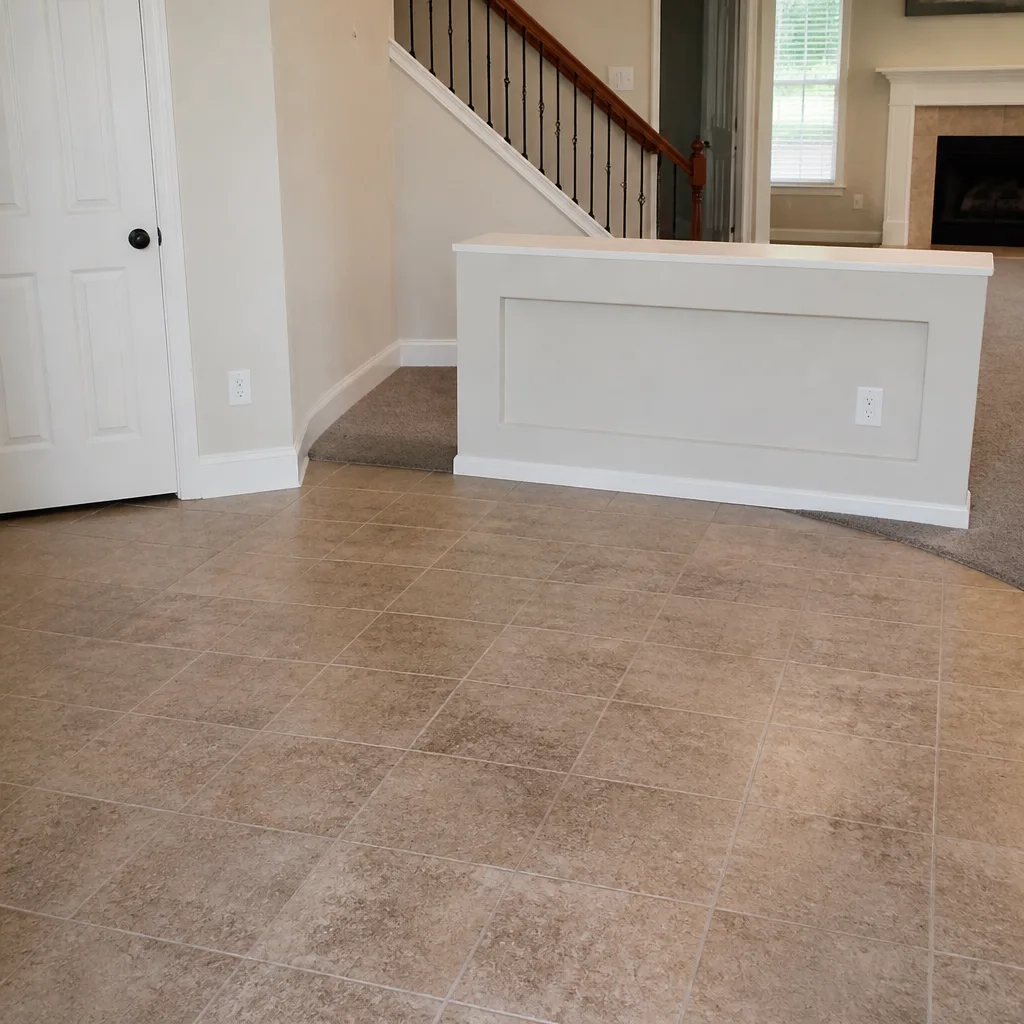

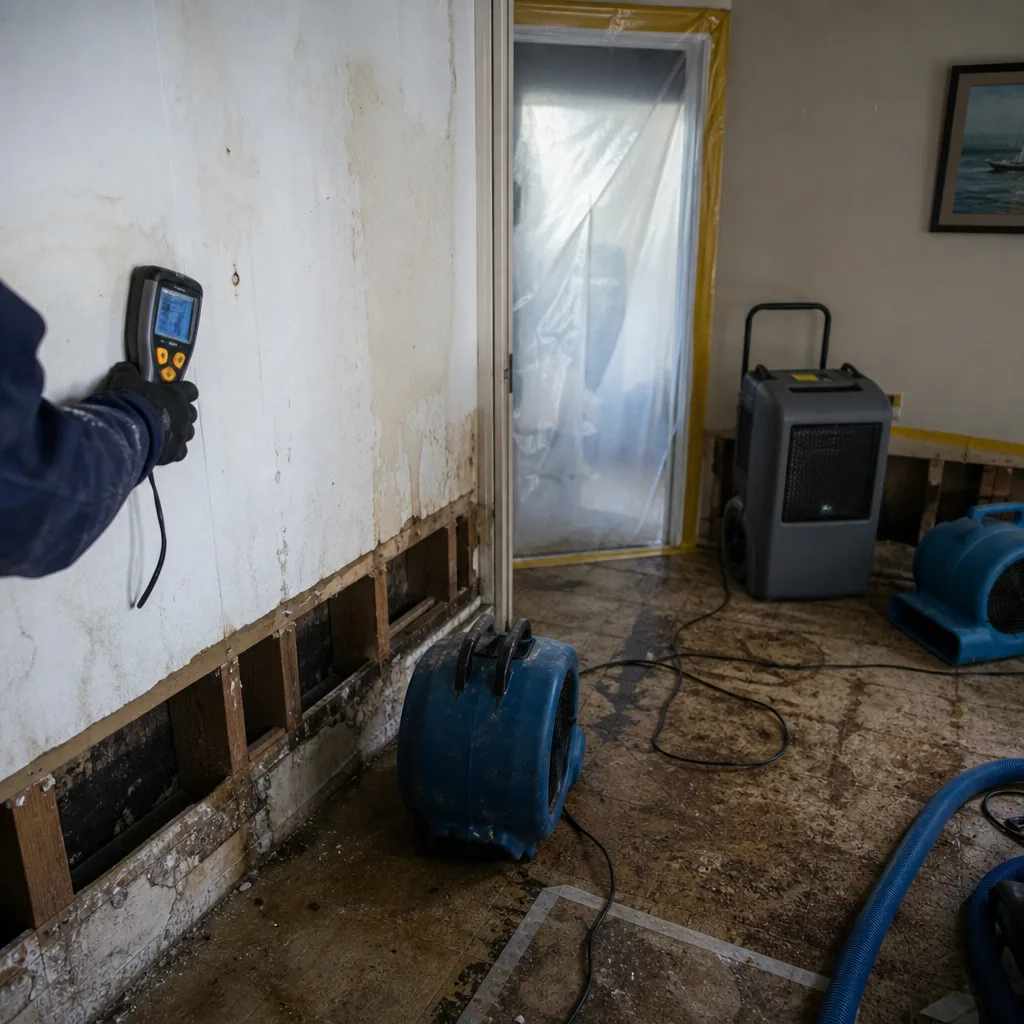 Before
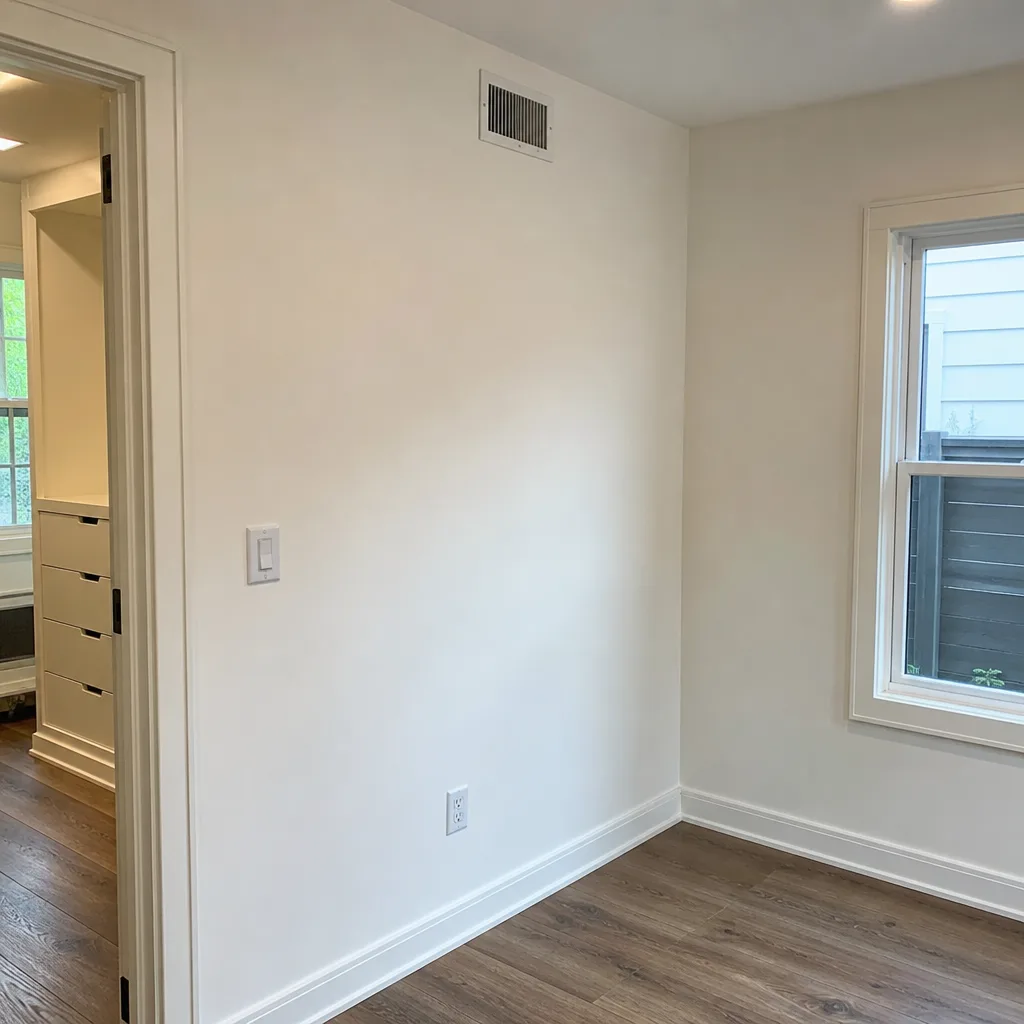 After
After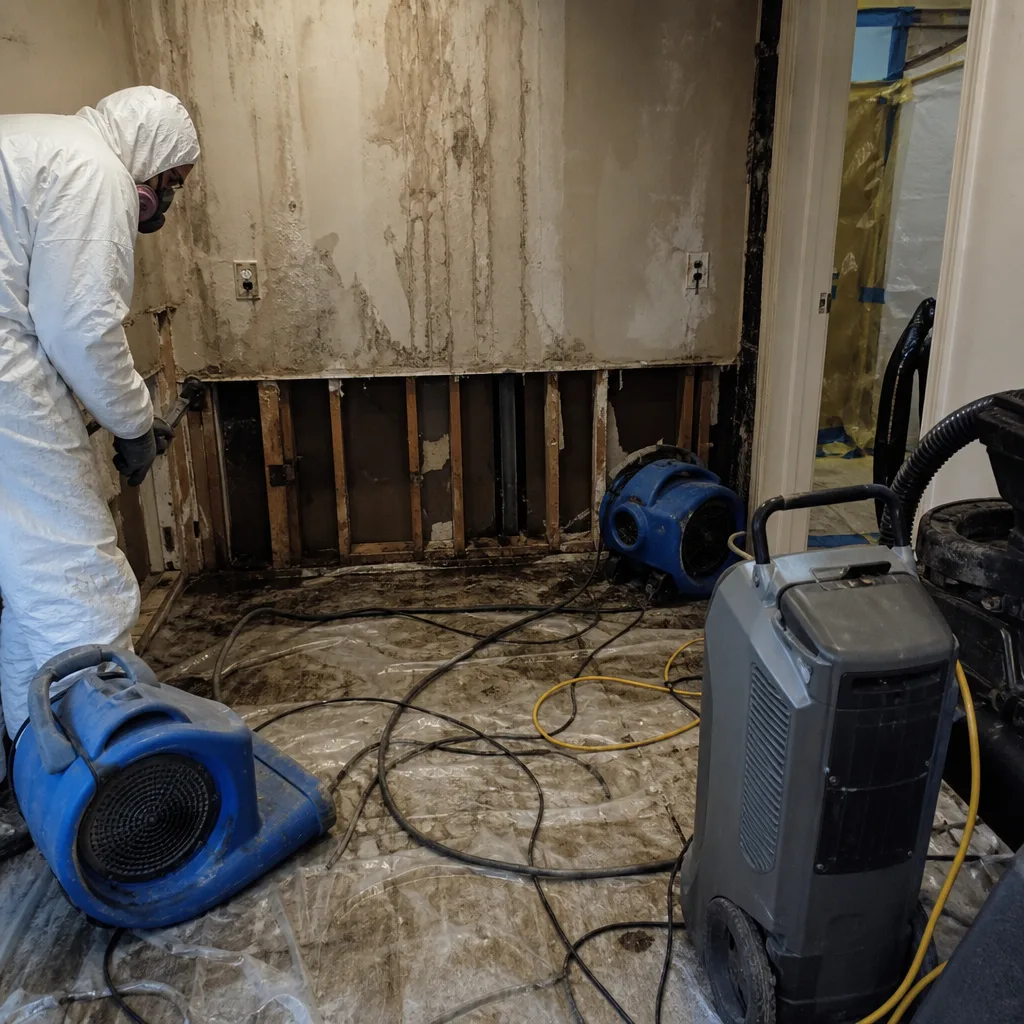 Before
 After
After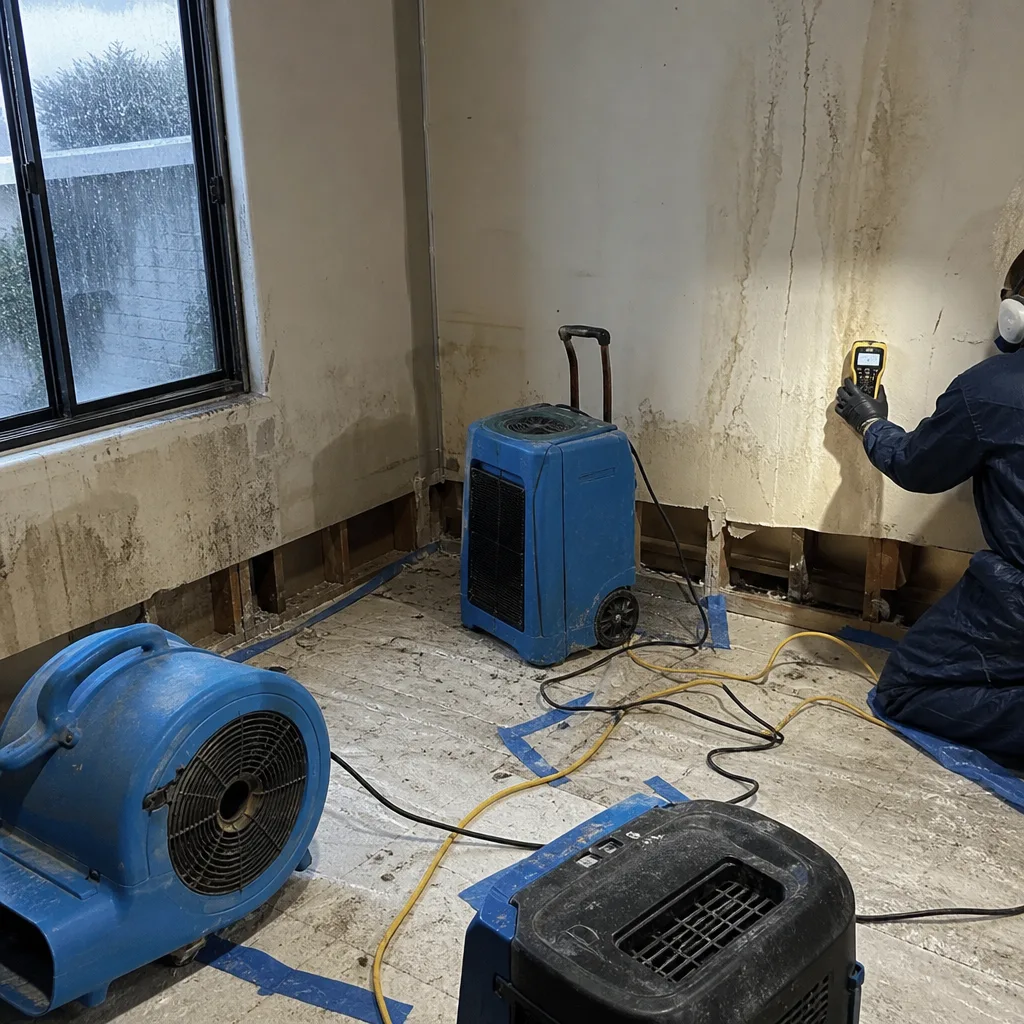 Before
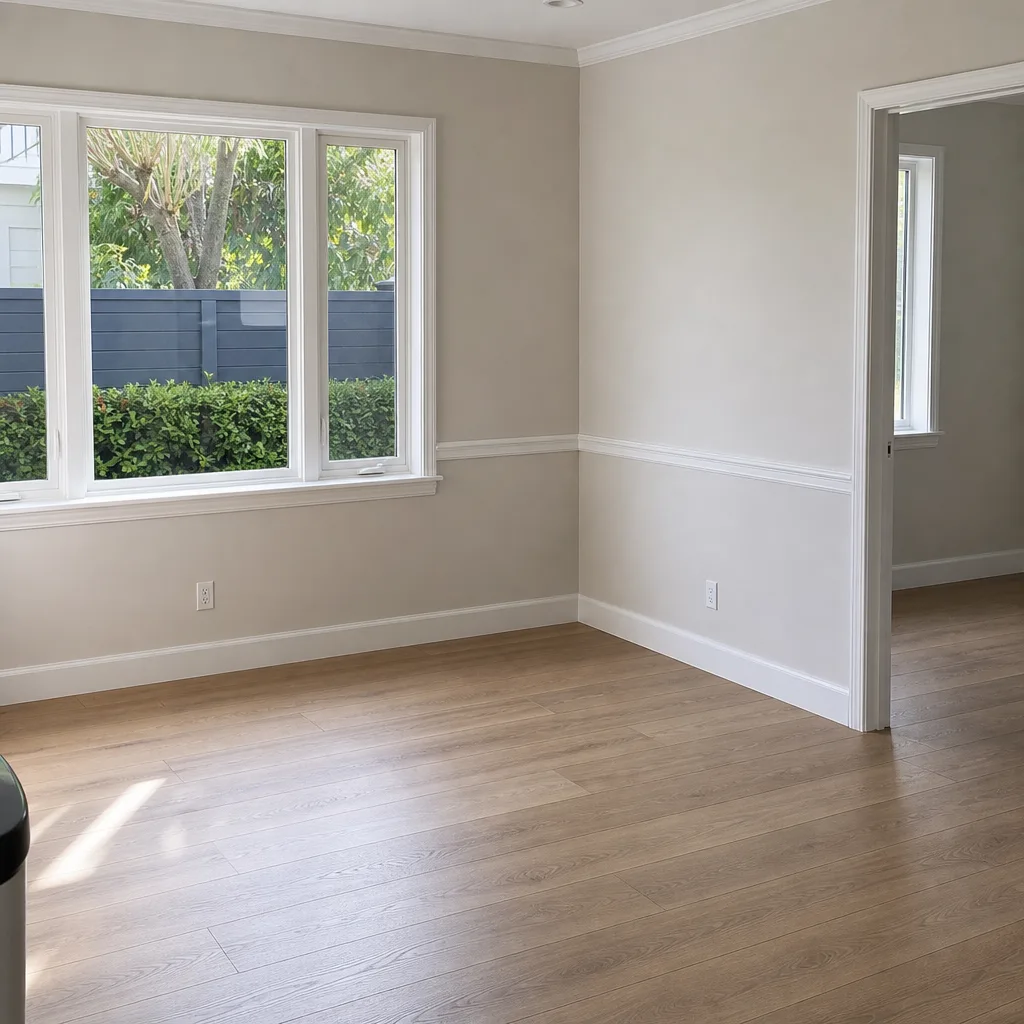 After
AfterSeasonal Damage Restoration Care for Santa Monica: Year-Round Homeowner’s Guide
Santa Monica averages only 15 inches of rain per year, but that rain arrives in concentrated bursts between November and March. A home’s entire annual water intrusion risk is compressed into roughly 90 days, and missing one pre-rain inspection has outsized consequences. In our experience restoring over 12,000 homes since 2011, the claims that get disputed are rarely the ones with catastrophic damage. They’re the ones where the homeowner cannot produce a single dated photo proving the roof was intact before the storm. This guide, along with our Complete Guide to Damage Restoration in Santa Monica, explains how Santa Monica’s three distinct risk windows, El Niño rain events, marine layer humidity peaks, and Santa Ana wind-driven debris, each demand a specific inspection and documentation protocol. Follow these protocols and you’ll own the pre-loss documentation that turns a disputed claim into a paid one.
Quick Answer
Seasonal damage restoration care in Santa Monica means three distinct inspection protocols: a pre-rain roof and drainage audit before November, a marine layer moisture assessment in April through June, and a wind-debris documentation sweep after each Santa Ana event. Each protocol produces dated photo evidence that your insurer can reference if damage later develops, and each takes under two hours to complete.
Table of Contents
- November-March: The Compressed Rain Window and Pre-Storm Documentation
- April-June: Marine Layer Humidity and Hidden Moisture Accumulation
- July-October: Santa Ana Wind Events and Debris Damage Protocols
- How to Build a Property-Specific Seasonal Log
- The One Maintenance Task Adjusters Most Often Cite as Missing
- Why Wind Damage and Water Damage Trigger Different Coverage
- Common Mistakes to Avoid
- When to Call a Professional
- Frequently Asked Questions
 Before
 After
AfterNovember-March: The Compressed Rain Window and Pre-Storm Documentation
From November through March, Santa Monica receives nearly its entire annual rainfall in episodic bursts tied to Pacific storm systems and El Niño patterns. A single December storm can drop two to three inches in 24 hours on soil already saturated from a wet November. For homes in the Santa Monica Canyon, north of Montana Avenue, and along the hillside streets above Pacific Coast Highway, that volume concentrates where flat-roof drainage was never designed to handle it.
Most Santa Monica homes built between 1920 and 1960, the bungalows and Spanish revivals that define the city’s housing stock, carry flat or low-slope roof sections with built-up roofing or modified bitumen. These systems work until a drainage point clogs. Then water ponds. Then it finds a seam, a flashing gap, or a failed penetration seal. In our work across Santa Monica since 2011, we’ve documented that the average rain-intrusion claim starts not with a failed roof membrane but with a blocked scupper or a downspout disconnected at the elbow.
The pre-rain inspection protocol has seven points. Each should be photographed with a date stamp and stored in your seasonal log.
- Roof membrane condition. Walk the roof or hire a licensed inspector. Photograph all seams, penetrations, and the condition of the membrane surface. Note any alligatoring, blistering, or exposed substrate. On modified bitumen, look for granular loss that exposes the black asphalt core.
- Flashing integrity at all transitions. This is where Santa Monica’s marine layer does its preliminary damage. Flashing at parapet walls, chimney saddles, and vent stacks corrodes faster here than inland because salt-laden fog accelerates galvanic decay. Photograph each flashing from two angles and note material (copper, galvanized steel, aluminum).
- Drainage path clearance. Scuppers, gutters, downspouts, and underground drains. Run water through each path or wait for a light rain and observe. A drainage flow test with photo record, more on this below, is the single most defensible piece of pre-loss documentation you can produce.
- Penetration seals. HVAC curbs, vent pipes, satellite mounts. Each is a potential breach point. The sealant should be continuous and pliable. Cracked or separated sealant photographs as negligence if water enters later.
- Hillside drainage above the structure. For homes in the Palisades-adjacent hills or above Rustic Canyon, surface water from uphill properties can overwhelm perimeter drainage. Photograph the slope condition, any diversion channels, and the state of retaining wall weep holes.
- Window and door weatherstripping. South-facing exposures take the most wind-driven rain. Check for compression set in rubber gaskets and gaps in caulking at the frame-to-wall interface.
- Foundation perimeter grading. Soil should slope away from the structure at minimum 5 percent for 10 feet. In Santa Monica’s dense neighborhoods near Wilshire Boulevard, hardscaping often reverses this grade toward the foundation.
Store these photos with a written condition summary. If a claim arises, your adjuster can compare pre-storm and post-storm documentation without relying on memory or verbal assertion.
One more point specific to El Niño cycles: the 2023-2024 and 2024-2025 events produced rainfall intensities in Santa Monica that exceeded 10-year design storms for many residential drainage systems. If your home experienced ponding or near-ponding in those seasons, your roof drainage is undersized for the new normal. Document that observation and consider upgrading scupper diameter or adding overflow drains.
April-June: Marine Layer Humidity and Hidden Moisture Accumulation
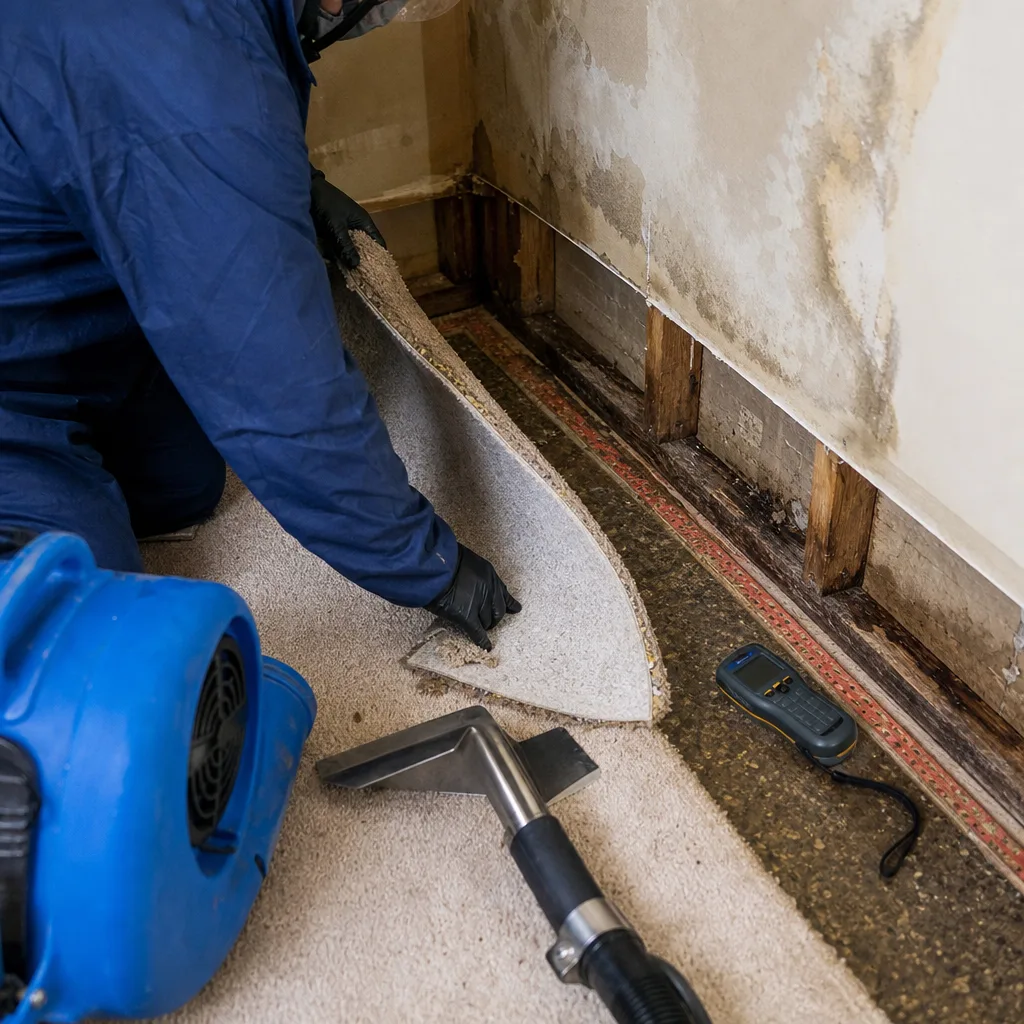
April through June in Santa Monica brings the deepest marine layer penetration of the year. Morning fog rolls inland past Lincoln Boulevard, sometimes reaching the 405 corridor, and persists until midday. Relative humidity at the coast routinely exceeds 85 percent before noon. For homeowners, this produces a diagnostic challenge: condensation on windows and HVAC ducts looks like a minor annoyance but often signals a moisture content problem inside wall cavities or crawl spaces.
We treat condensation as a moisture content indicator, not a cosmetic issue, because we’ve traced too many Santa Monica mold remediation jobs back to ignored spring humidity. The pattern repeats: a homeowner notices window sweating in April, wipes it through June, and calls us in October when a musty smell or visible patch appears. By then, the moisture has cycled through wet and dry phases enough to support fungal growth on organic substrates.
The marine layer protocol focuses on interpreting what you see and measuring what you don’t.
- Window condensation location matters. Condensation on the interior surface of single-pane windows is expected in Santa Monica’s spring climate. Condensation between double-pane seals indicates seal failure and potential for frame rot. Condensation on the exterior surface, especially on the north face, is simply dew point meeting surface temperature and carries no structural risk. Photograph the location and pattern.
- HVAC duct sweating in crawl spaces or attics. This is the critical indicator. When cool supply air runs through unconditioned spaces, the duct surface temperature can drop below the dew point of the ambient air. Water forms, drips onto insulation or framing, and creates a sustained wetting condition. In Santa Monica’s older homes with original galvanized ductwork, the problem is worse because metal conducts heat faster than modern flex duct.
- Interior relative humidity readings. A simple hygrometer in each major zone should read 30-50 percent. Sustained readings above 60 percent with no identifiable source, cooking, bathing, or a known leak, suggest exterior moisture migration through the building envelope. Log these readings weekly in April, May, and June.
- Foundation vent assessment. Santa Monica’s pre-1970s homes often have unsealed crawl space vents designed for a drier climate. In spring, these vents admit saturated air that condenses on cool subfloor framing. Temporary vent sealing with removable covers, removed in July, can break the moisture cycle without creating a permanent moisture trap.
If you document condensation patterns and humidity readings through this season, you create a baseline. When a mold concern arises later, you can demonstrate whether the moisture condition was transient (seasonal) or chronic (a leak or envelope failure). That distinction determines whether your policy covers remediation.
For homes in the Sunset Park neighborhood or near Marine Street, where lot sizes are smaller and buildings are closer together, pay particular attention to north-facing walls that never fully dry. Shading from adjacent structures extends the marine layer’s effective duration by hours each day. We’ve found moisture content readings in exterior sheathing 8-12 points higher on these walls than on sun-exposed equivalents.
July-October: Santa Ana Wind Events and Debris Damage Protocols
July through October brings Santa Ana wind events to Santa Monica, typically 3-6 significant episodes per season with sustained winds above 25 mph and gusts exceeding 50. These are dry, hot, easterly winds that strip moisture from vegetation and create fire risk, but for homeowners, the immediate damage threat is wind-driven debris and the subsequent water intrusion that follows compromised roofing or siding.
The documentation protocol for Santa Ana events differs from rain-season protocol because the damage mechanism is different, and because insurance coverage for wind-driven debris versus storm water often hinges on that difference.
Wind-driven debris damage is characterized by impact: broken tiles, punctured membranes, cracked skylights, dented flashing, or penetrated siding. Storm water damage, by contrast, is characterized by water finding an existing path: overwhelmed drainage, failed seals, or backed-up gutters. Most homeowners policies cover wind damage under the dwelling coverage with a named peril or open peril form. Water damage from rain entering through a pre-existing maintenance deficit may be excluded or limited. The distinction matters for your documentation.
After each significant Santa Ana event, complete this five-step protocol:
- Exterior walk-around within 24 hours. Photograph all roof surfaces, siding, windows, and outdoor structures from the ground. Use a telephoto lens or drone if roof access is unsafe. Date and time stamp every image.
- Ground debris inventory. Document what fell, where it landed, and what it struck. Tree branches, roof tiles, construction material from neighboring properties. This establishes the debris source and trajectory for your claim.
- Close-up of all impact points. A cracked tile is wind damage. A displaced tile with no impact mark may be pre-existing deterioration. The photo must show the nature of the failure.
- Interior ceiling and wall check. Stains that appear within 48 hours of a wind event, with corresponding roof damage, support a wind-driven rain claim. Stains with no corresponding roof damage suggest a maintenance issue.
- Neighbor property documentation. If debris originated from an adjacent property, photograph the source tree or structure and note the address. Subrogation against a neighbor’s policy may apply.
In the 2024 Santa Ana season, we responded to multiple Santa Monica homes where wind-driven eucalyptus branches punctured flat roofs in the North of Wilshire area. In each case, the homeowners who had pre-event roof photos from their November inspection received full coverage. Those without pre-event documentation faced partial denial based on insurer assertions that the membrane was already compromised.
One specific hazard for Santa Monica: the mature eucalyptus and Monterey cypress that line many streets. These species shed heavy limbs during Santa Ana events, and the limbs often carry enough mass to penetrate standard residential roofing. If your property has overhanging trees, the documentation protocol should include annual arborist assessment photos, dated, showing the tree’s condition before each wind season.
How to Build a Property-Specific Seasonal Log
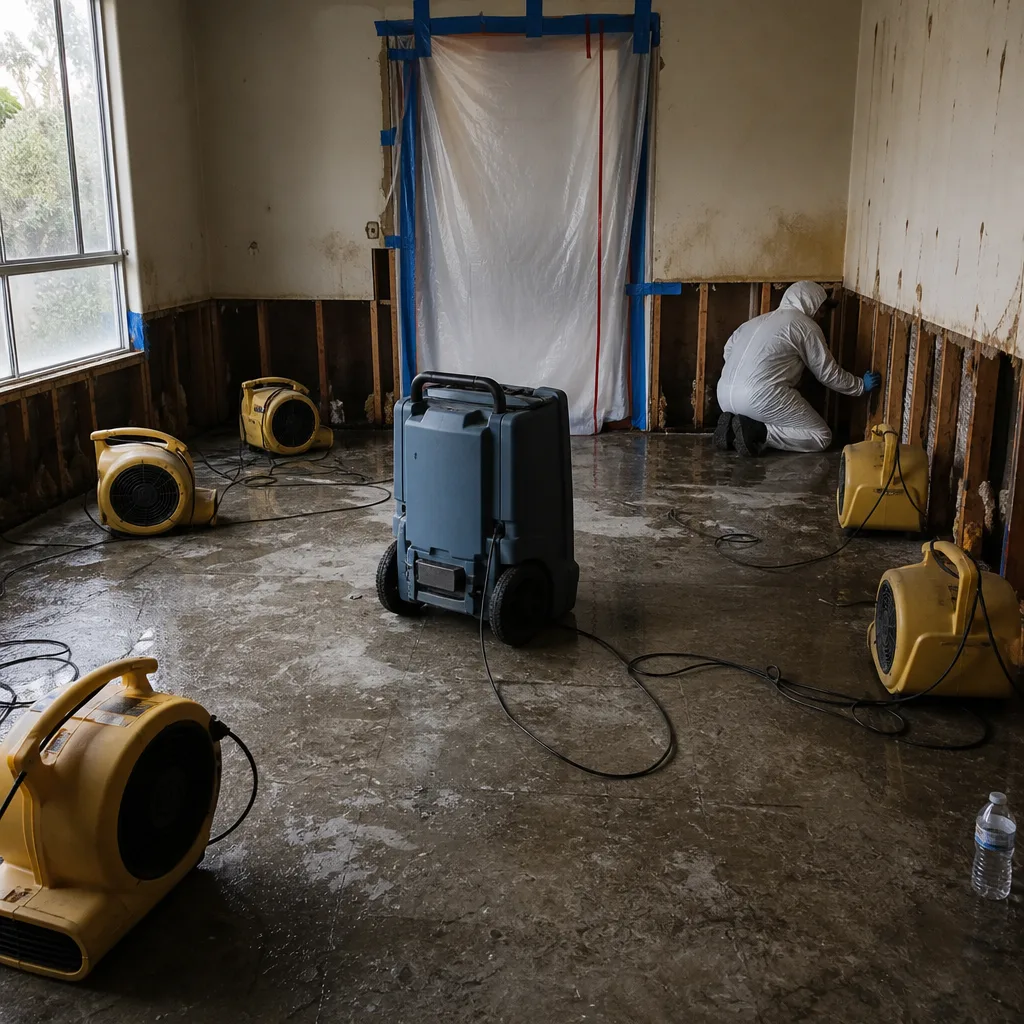
A seasonal log is not a checklist you download from a home improvement site or find among our more guides & resources. It is a property-specific record, organized by risk window, that gives an insurer pre-loss documentation for any claim that might arise. In our experience as a company founded by a former claims adjuster, the log that wins a disputed claim has three characteristics: it is dated, it is specific to the property’s actual conditions, and it is stored in a format the adjuster can access without proprietary software.
We recommend a simple structure: one digital folder per calendar year, with subfolders for each risk window, and a standardized naming convention. Example: 2025_NovMar_RoofInspection_20241101. The date in the filename should match the date stamp on the photos.
Each folder contains:
- Date-stamped photographs with location descriptions in the filename
- A one-page written summary of findings, including any measurements (scupper diameter, gutter linear feet, flashing material)
- Hygrometer readings for the marine layer season, logged weekly
- Wind event documentation with weather service confirmation (screenshot of NOAA or NWS wind report for your zip code)
- Any contractor inspection reports, with license numbers noted
Storage matters. Cloud storage with version history, Google Drive, Dropbox, iCloud, protects against device loss. Share access with your insurance agent or keep a printed index in your safe deposit box. The log is only useful if it survives the event that prompts the claim.
For Santa Monica homeowners in condo associations or HOA-governed properties, the individual log should reference the association’s maintenance records. If the HOA is responsible for roof drainage and fails to clear scuppers, your individual documentation of the clogged condition, reported to the HOA in writing, protects your unit owner’s policy from being primary when the association’s master policy should respond.
We’ve reviewed too many claims where a Santa Monica homeowner had perfect documentation but stored it only on a phone that was damaged in the same event. Redundancy is part of the protocol.
The One Maintenance Task Adjusters Most Often Cite as Missing
Of all the documentation we review in disputed claims, one gap appears more than any other: the annual roof drainage flow test with photo record. Adjusters cite this as missing because it is the single test that proves the drainage system functioned before the storm. Without it, an insurer can argue that water intrusion resulted from pre-existing blockage rather than storm volume.
The test is simple and takes 30 minutes. On a dry day between October 15 and November 15, run a hose at each roof drainage point at a rate approximating moderate rainfall, about 1 inch per hour. Observe whether water flows freely through gutters, downspouts, and underground drains. Photograph the water flowing from each outlet. Photograph any backup, ponding, or overflow. If drainage is clear, the photos prove function. If drainage is compromised, the photos create a maintenance record that shows you identified and addressed the issue before the storm season.
For Santa Monica’s flat-roof bungalows, test each scupper individually. Scuppers are the rectangular or circular openings at parapet walls that drain roof areas to downspouts. They clog with leaf debris, tennis balls, and in coastal areas, kelp fragments carried on wind. A single clogged scupper on a 1,000-square-foot roof section can create two inches of ponding in a design storm.
For hillside homes with underground drainage, the flow test must include the discharge point. We’ve found underground drains in the Santa Monica Canyon area that terminate in filled or collapsed drywells, sending water back toward the foundation. The photo of water emerging from the discharge point, with a recognizable landscape feature in frame, is your proof of function.
Haven Standard, Clause 1, applies here in reverse: just as we deliver a written price before work starts, you should deliver yourself a written record before the storm arrives. The annual drainage flow test is that record.
Why Wind Damage and Water Damage Trigger Different Coverage
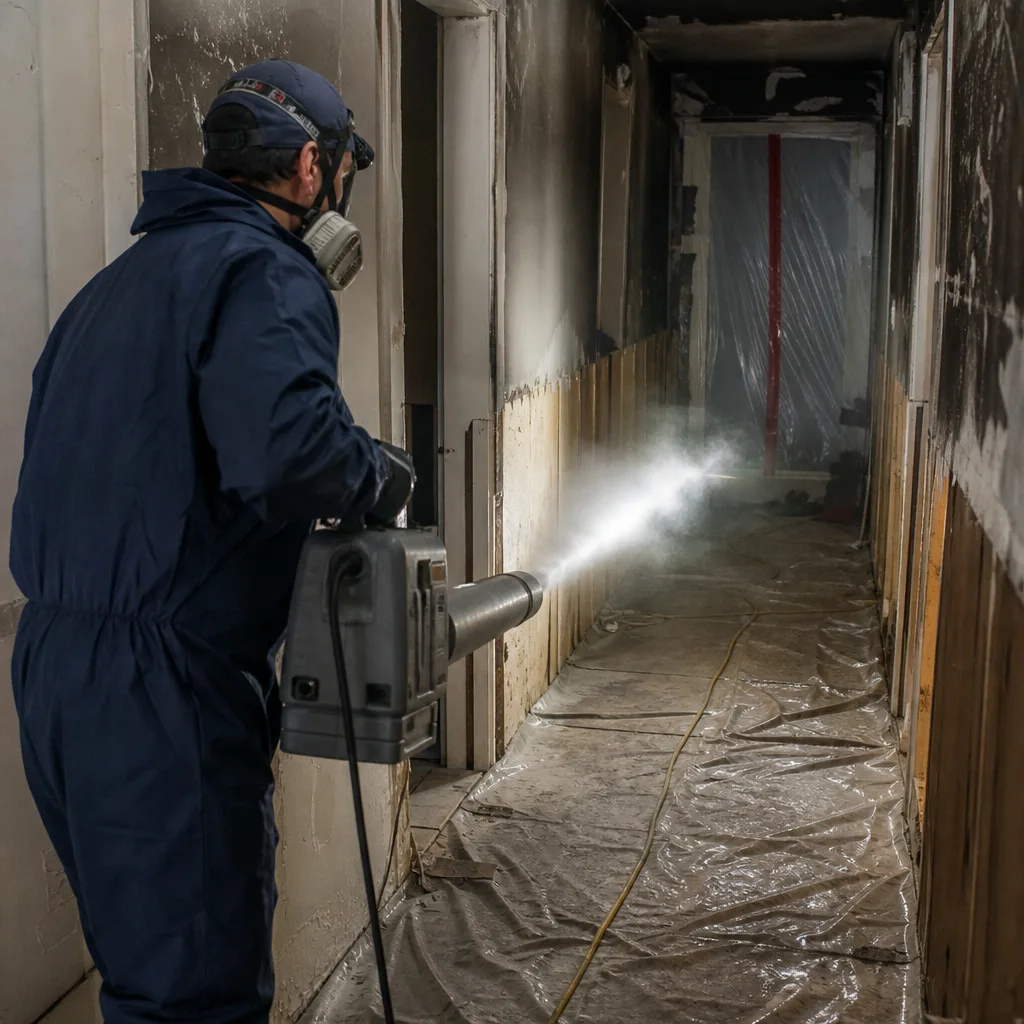
Homeowners in Santa Monica often assume that any damage following a storm is covered under a single policy provision. The distinction between wind-driven debris damage and water intrusion damage is not academic. It determines which coverage form applies, what deductible you pay, and whether the claim is subject to sublimits or exclusions.
Wind damage, including debris impact, typically falls under Coverage A, Dwelling, with a standard deductible. The peril is named or included in open peril forms. Documentation requirements focus on proving the wind event occurred and caused the physical damage visible in your photos.
Water damage is more complex. If water enters through a wind-created opening, a branch-punctured roof, for example, the loss may be covered as wind-driven rain under the same Coverage A form. If water enters through an opening that existed before the storm, a failed sealant joint or a clogged drain, the loss may be excluded as resulting from maintenance neglect or excluded water damage. Some policies carry a specific water damage sublimit, or exclude seepage and leakage entirely after 14 days.
The seasonal protocols in this guide exist to arm you with the documentation that bridges this gap. Pre-storm roof photos showing intact flashing and clear drainage establish that no opening existed. Post-storm photos showing debris impact at the leak location establish the causal link to wind. The combination produces a claim file that an adjuster can approve without reservation.
We coordinate directly with adjusters on Santa Monica claims, providing our drying logs, moisture readings, and photo documentation in the format they need for file documentation. Our equipment, including Phoenix dehumidifiers, XPOWER air movers, and Injectidry cavity drying systems, produces the psychrometric data, temperature, relative humidity, and vapor pressure differential, that supports the technical file. But the homeowner’s seasonal log is what establishes the pre-loss condition. Both are necessary.
Common Mistakes to Avoid
- Assuming Santa Monica’s mild climate means no seasonal risk. The mildness is the risk. Because freezes are rare and summers are dry, homeowners defer maintenance that would be forced by harsher climates. Deferred maintenance accumulates until a concentrated rain event exploits it.
- Photographing only damage, not condition. Insurers deny claims based on pre-existing condition arguments. Photos of intact systems before the event are more valuable than photos of damage after. The absence of pre-event documentation is treated as evidence that the condition existed.
- Ignoring marine layer condensation as “just fog.” We’ve opened wall cavities in Santa Monica homes where the interior sheathing measured 28 percent moisture content from months of marine layer-driven condensation. The homeowner never saw a leak. The mold colony was established before any visible sign appeared.
- Failing to document HOA or neighbor involvement. In multi-unit buildings or closely spaced neighborhoods, the source of damage may be a neighboring property’s tree, drainage, or construction. Without contemporaneous documentation of the source, you may absorb a deductible and rate increase that should have been another party’s responsibility.
- Using only verbal reports to contractors or insurers. A phone call to report a clogged drain is not documentation. Follow every verbal report with an email or written note with date, recipient, and content. This creates a paper trail if the issue recurs and causes damage.
- Storing documentation only on-site. The event that damages your home can destroy your documentation if it is stored in the same structure. Cloud redundancy is essential.
- Confusing emergency mitigation with reconstruction. Water extraction and drying are time-sensitive and can begin immediately with a signed authorization. Reconstruction, drywall replacement, flooring, painting, requires a written scope and priced estimate. Starting reconstruction without a written scope is how costs escalate beyond policy limits.
When to Call a Professional
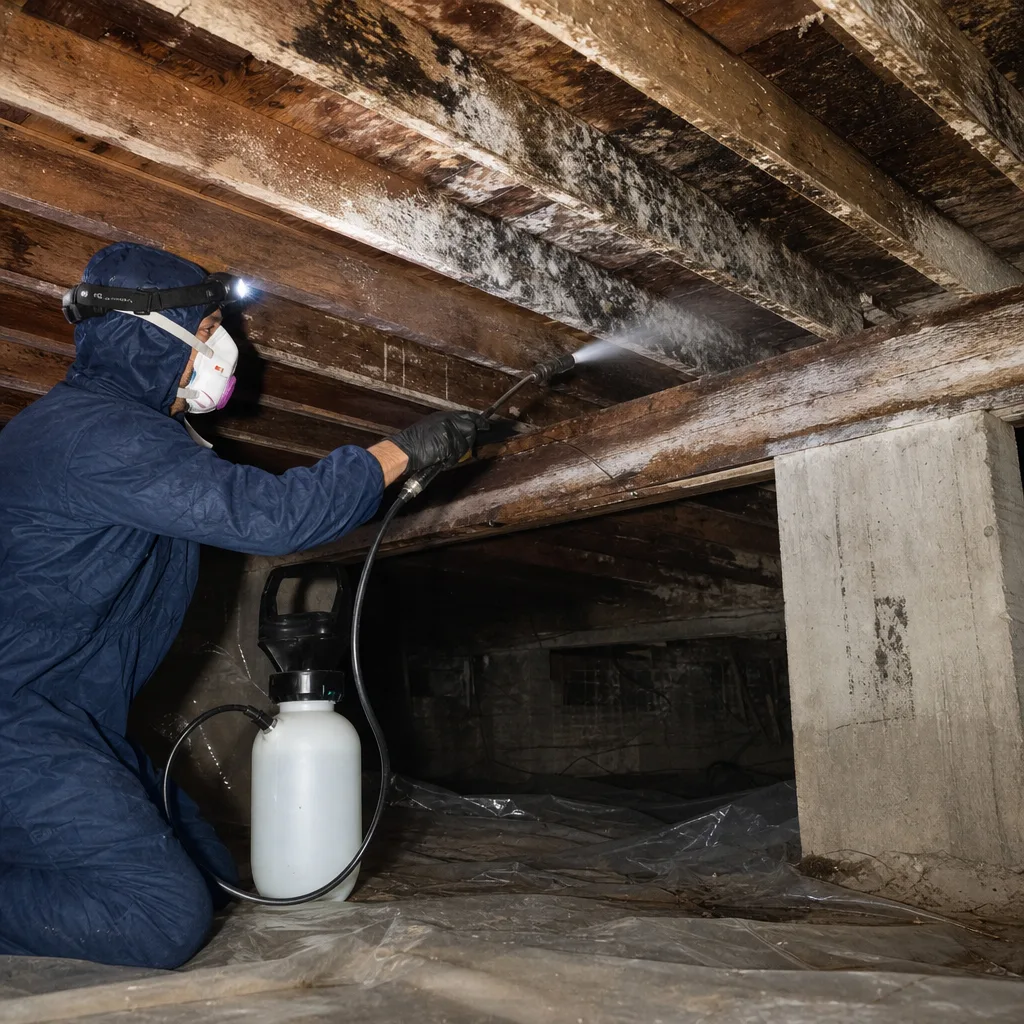
Call for professional assessment when you find moisture content readings above 16 percent in wood framing, when condensation persists beyond the marine layer season, when a wind event produces any roof penetration, or when you smell musty odor without visible source. These indicators suggest conditions beyond routine maintenance.
For emergency water intrusion during Santa Monica’s rain season, live phone coverage is available 24 hours a day, 7 days a week with no voicemail on emergency lines. Every job is quoted in writing before work begins, documented with a photo record on every visit, and covered by the 365-Day Done Right Promise.
Water Damage Restoration in Santa Monica from DryMark Restoration Santa Monica includes documented drying to IICRC standards using professional-grade equipment. Mold Remediation in Santa Monica addresses the marine layer-driven growth that our climate produces. For fire or smoke damage during Santa Ana wind events, Fire & Smoke Damage Restoration in Santa Monica provides the same documentation-first approach.
DryMark Restoration Santa Monica offers free estimates in Santa Monica. Call (213) 816-0810.
Frequently Asked Questions
Emergency water mitigation in Santa Monica typically ranges from $1,800 for a contained single-room extraction to $6,500 for whole-house drying with cavity injection, depending on affected square footage and material classification, as outlined in our Damage Restoration Cost Breakdown: The Santa Monica Homeowner’s Reference for 2026. Mold remediation following marine layer moisture accumulation generally runs $2,400-$7,800 based on containment area and remediation protocol required. Reconstruction is scoped and priced separately in writing before work begins, per Haven Standard, Clause 1. Call (213) 816-0810 for an exact quote. Estimates are free.
Insurance covers sudden and accidental water damage, such as wind-driven rain through a punctured roof, but typically excludes damage from maintenance neglect, such as water entering through a clogged scupper that was never cleaned. Your coverage depends on documentation proving the pre-loss condition of your drainage and roofing systems. The seasonal log described in this guide is designed to produce that documentation. Call (213) 816-0810 for a free review of your policy’s specific water damage provisions.
Live phone coverage is available 24 hours a day, 7 days a week with no voicemail on emergency lines. For active water intrusion during Santa Monica’s rain season, emergency dispatch aims for arrival within hours, not days, because moisture migration continues until the source is controlled and extraction begins. Reconstruction and non-emergency work is scheduled after written scope and pricing. Call (213) 816-0810 to confirm current response capacity.
Visible mold on a hard surface smaller than 10 square feet can sometimes be addressed with appropriate cleaning and moisture source correction, but marine layer-driven mold in Santa Monica often extends beyond visible areas into cavity spaces. Without moisture mapping and air sampling, you cannot determine the full extent. Professional assessment using moisture meters and thermal imaging identifies hidden colonization. Our documented photo record on every visit shows you exactly what was found and what was addressed. Call (213) 816-0810 for assessment.
DryMark Restoration Santa Monica coordinates directly with your adjuster, providing daily drying logs, moisture readings, and photo documentation in the format required for file approval. Our founder built this company around the documentation gap that costs homeowners their claims. We speak the adjuster’s language because we used to be adjusters. Your role is to provide the pre-loss seasonal documentation described in this guide. We handle the rest. Call (213) 816-0810 to discuss direct adjuster coordination for your claim.
Santa Monica’s specific combination of flat-roof bungalow housing stock, concentrated winter rainfall, deep marine layer penetration in spring, and Santa Ana wind exposure creates a three-window risk profile that few other cities replicate exactly. The flat roofs common in Santa Monica’s historic districts pond water in ways that pitched roofs do not. The marine layer reaches further inland here than in drier Orange County coastal cities. And the Santa Ana winds interact with Santa Monica’s mature street tree canopy to produce debris patterns unlike those in newer developments. These factors require the property-specific protocols outlined in this guide.
The Bottom Line
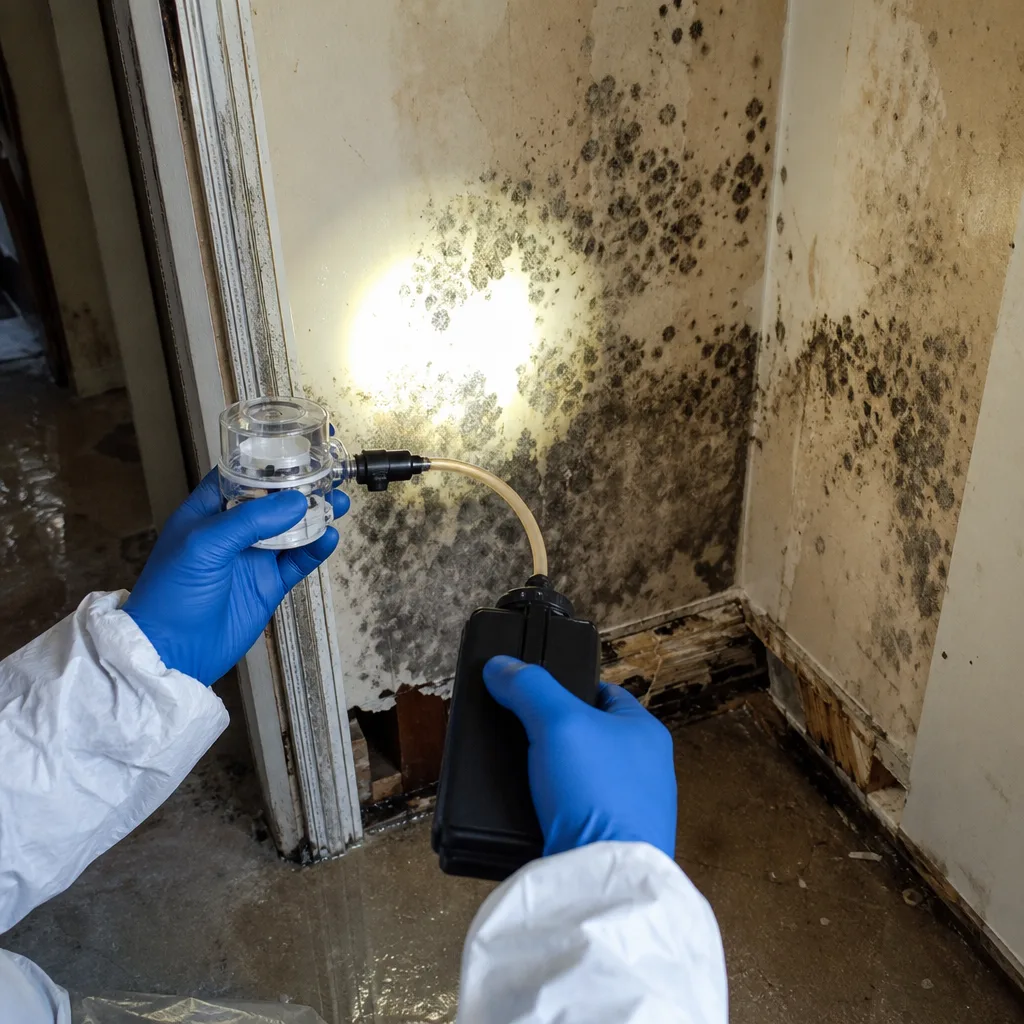
Santa Monica’s seasons do not announce themselves with snow or freeze warnings, but they produce concentrated damage risk in three distinct windows. The homeowner who treats November through March as a compressed rain emergency, April through June as a moisture monitoring period, and July through October as a wind-debris documentation season will own the pre-loss evidence that insurers require. The annual roof drainage flow test with photo record is the single most important maintenance task, the one adjusters most frequently cite as missing in disputed claims. Build a property-specific seasonal log. Store it redundantly. Update it annually. When damage occurs, your documentation will do the speaking.
Written by Alicia Brennan, Owner at DryMark Restoration Santa Monica, serving Santa Monica since 2011.