
Last updated September 23, 2026
Free visual inspection and a written scope of work before any mitigation begins - photos, moisture readings, and drying logs go in your claim file
The scope we write is the scope we bill. Anything new gets shown to you, in writing, before we touch it.
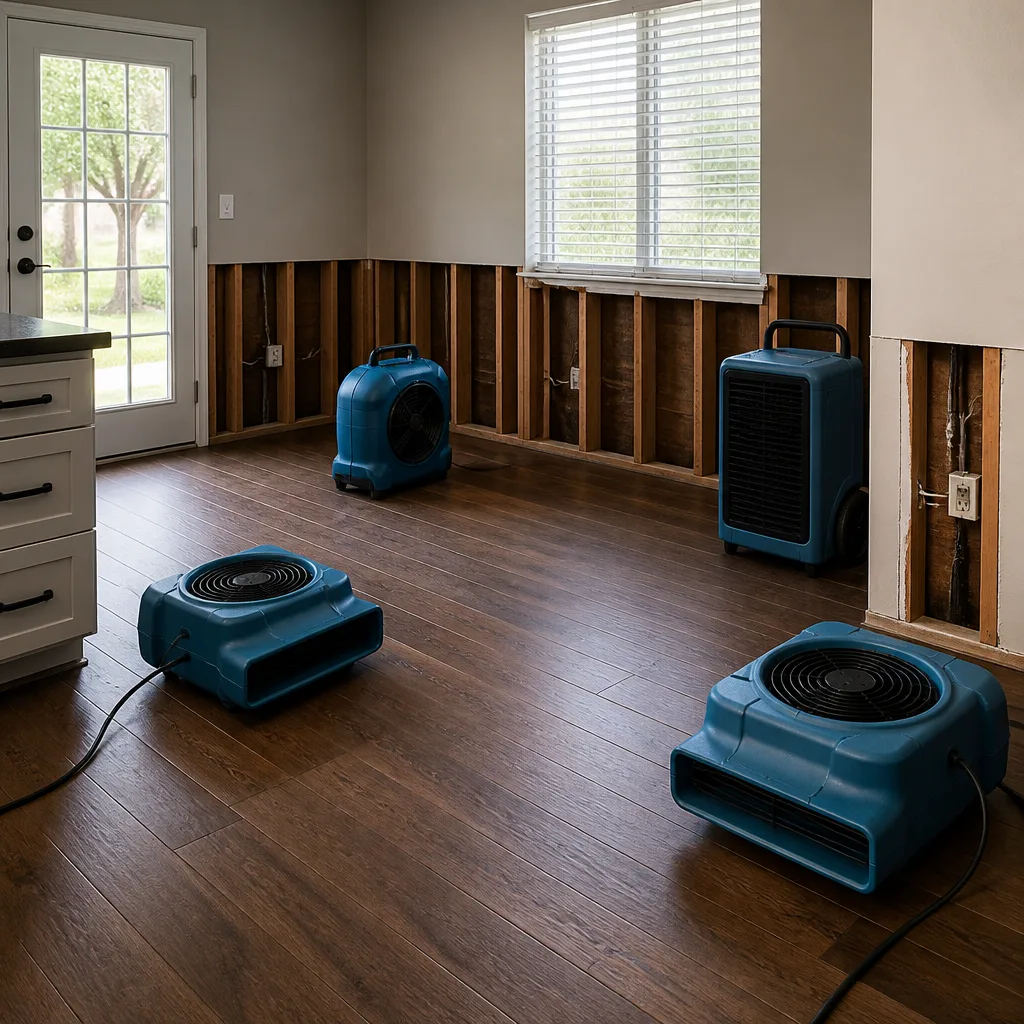
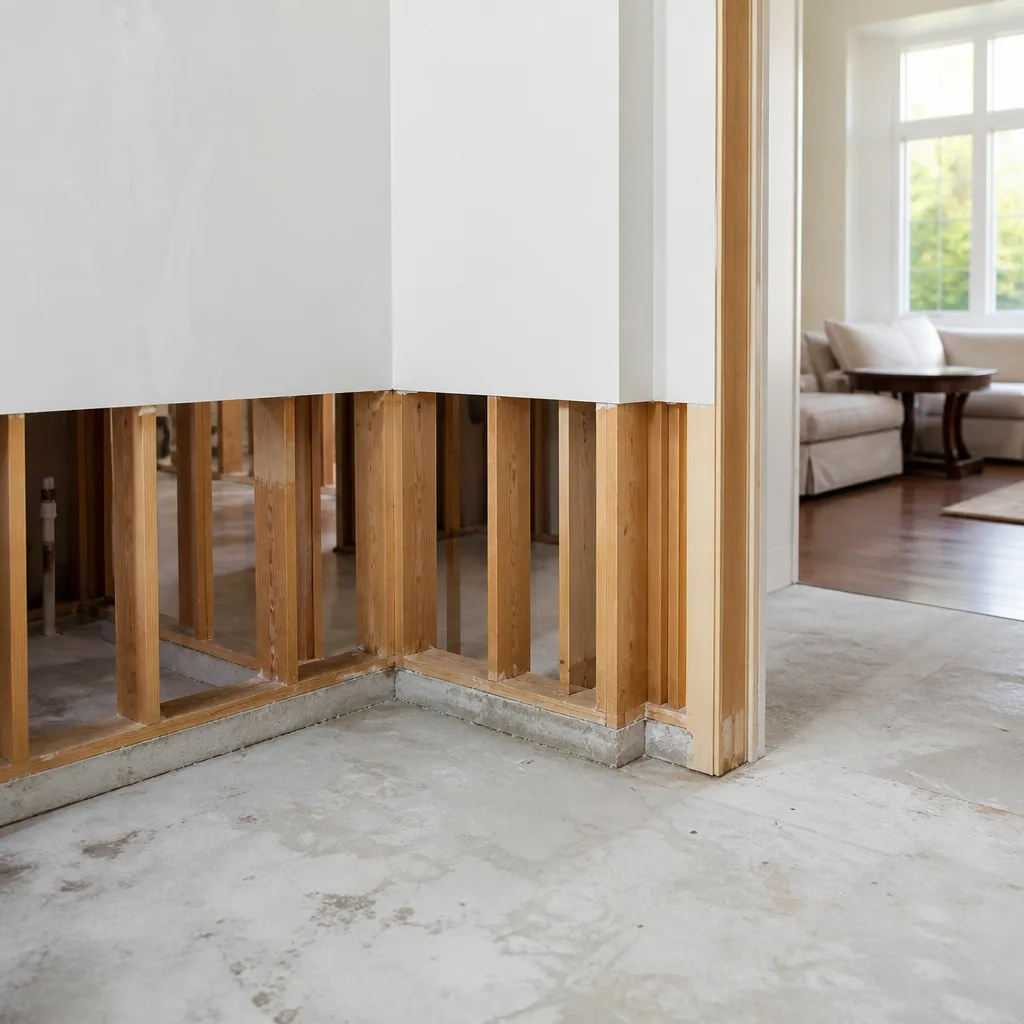
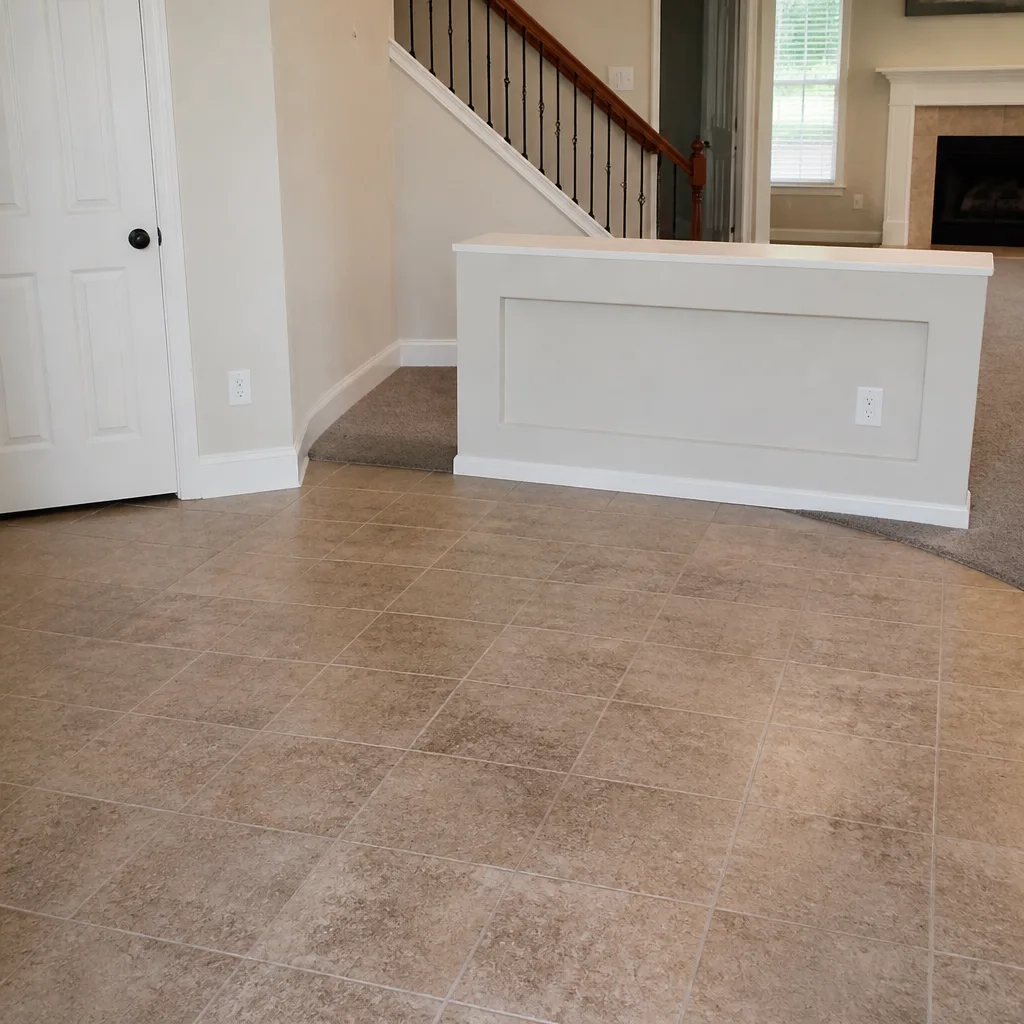
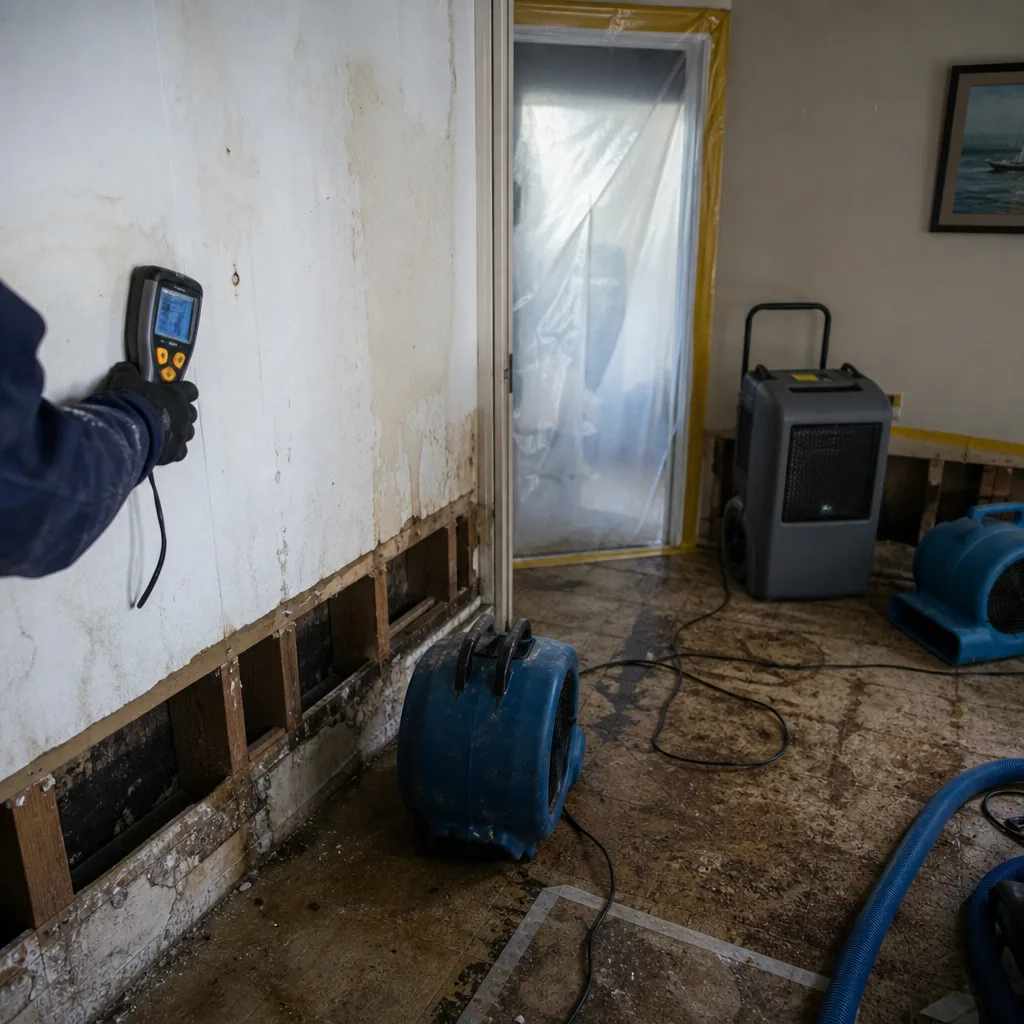 Before
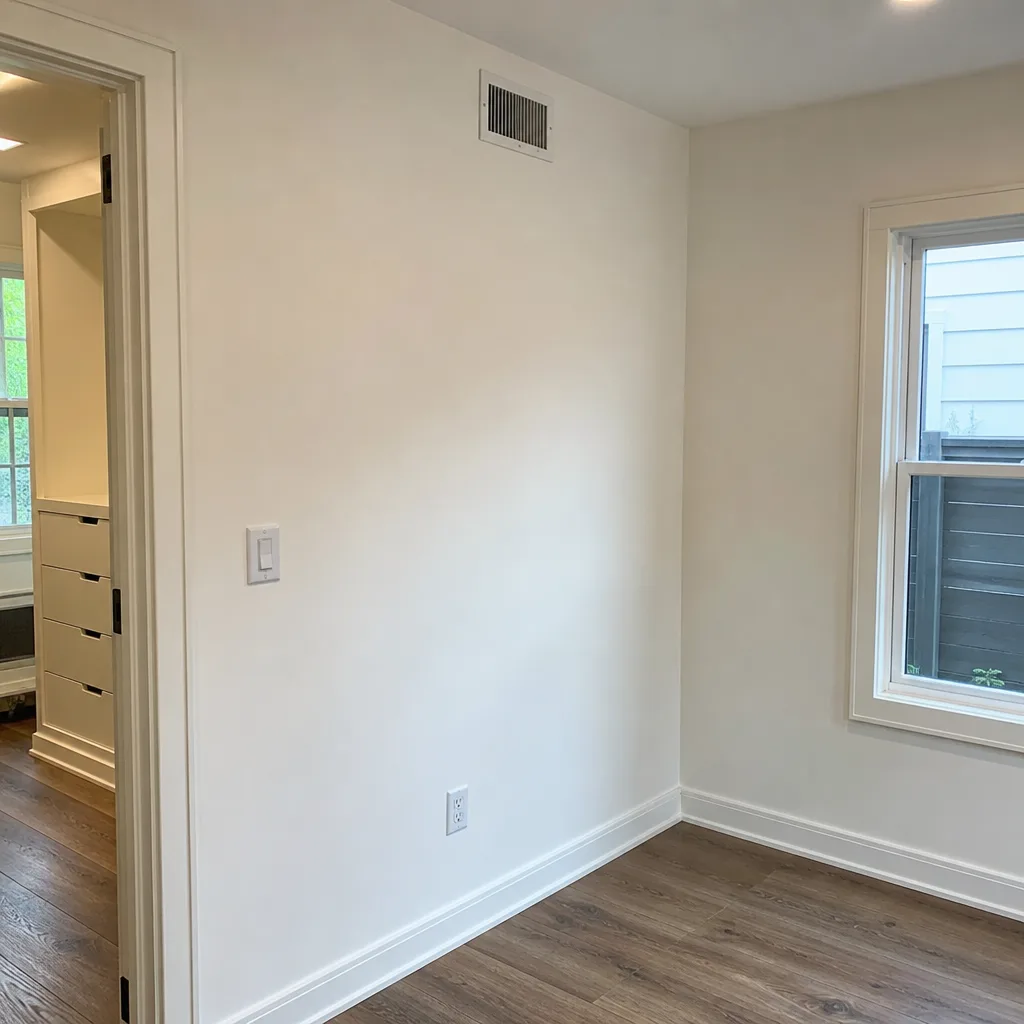 After
After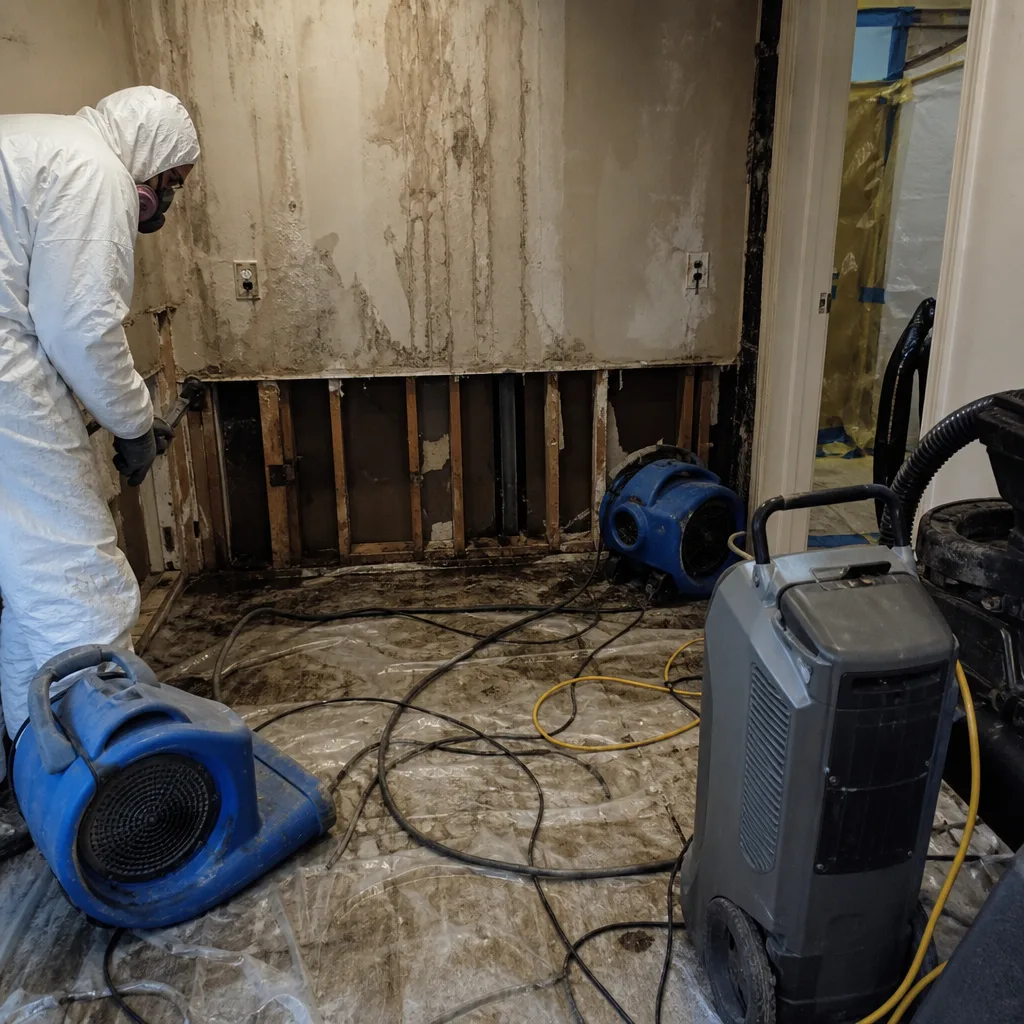 Before
 After
After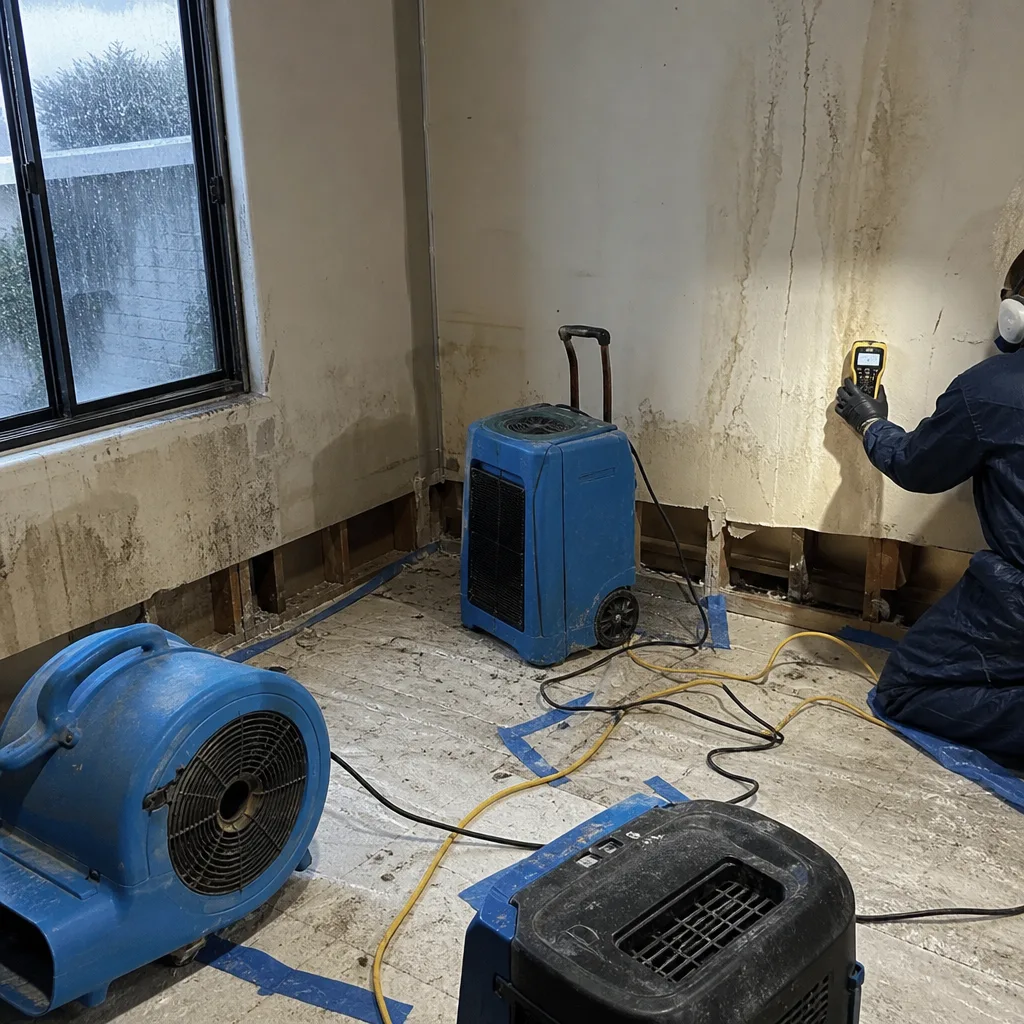 Before
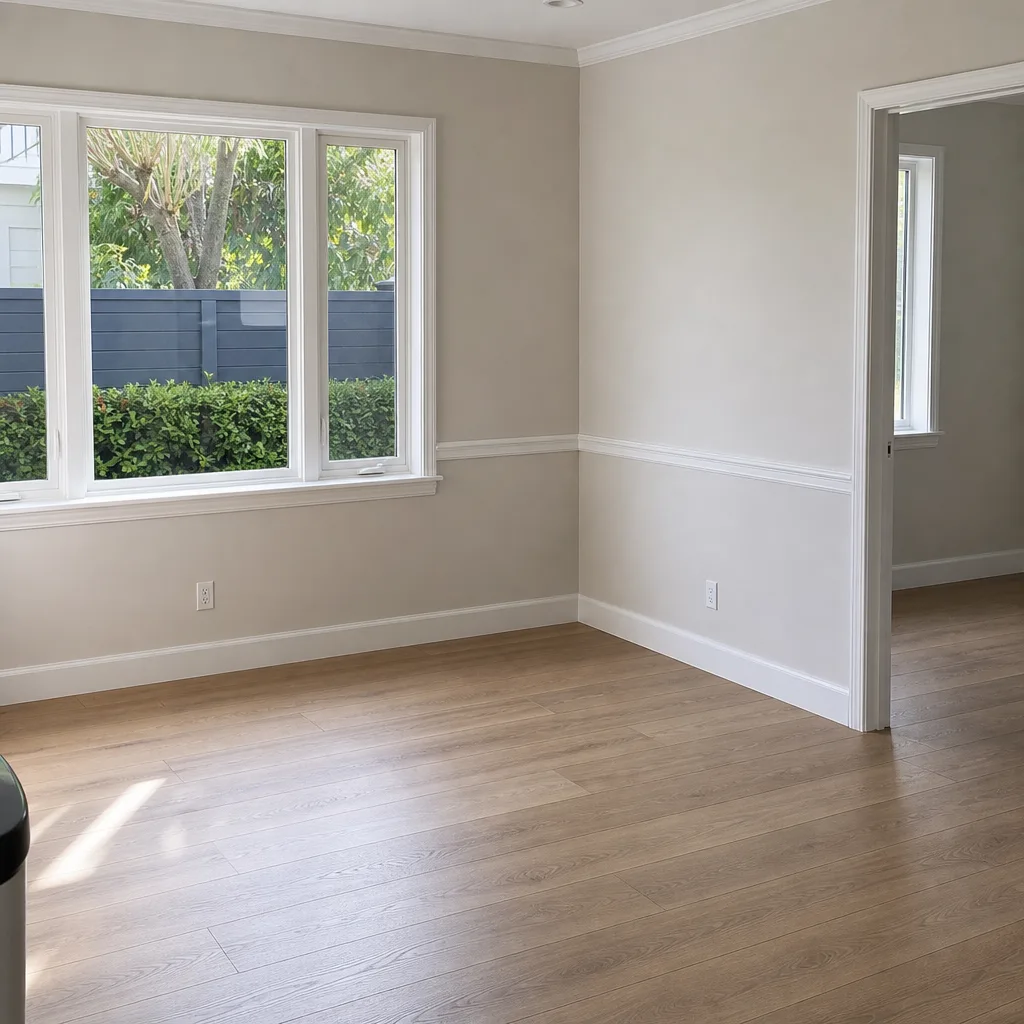 After
AfterHow to Hire a Damage Restoration Contractor in Santa Monica: A Step-by-Step Guide
A contractor can hold a valid CSLB license, carry full insurance, and still produce paperwork so thin that your insurer’s special investigations unit flags the claim six months later. We’ve reviewed competitor files where the entire drying record consisted of a single moisture reading and a handwritten note that said “looks dry.” No adjuster accepts “trust me, it was wet” as verification. In Santa Monica, where coastal humidity slows evaporation and older buildings in neighborhoods like Ocean Park and Sunset Park hide decades of layered damage, the contractor you hire must document more than they demolish. Our complete guide to damage restoration in Santa Monica shows you how to screen for documentation capability, not sales polish.
Quick Answer
Hiring a damage restoration contractor in Santa Monica requires verifying five specific documents before you sign anything: a written scope of work, a line-item estimate, a drying protocol with daily moisture targets, a photo documentation policy, and a lien waiver process. The contractor’s willingness to produce these documents, and the detail within them, predicts whether your insurance claim will sail through or stall in review.
Table of Contents
- The Five Documents to Request Before Signing Anything
- How to Verify Certifications Actually Apply to Your Crew
- What “We Work Directly With Your Insurance” Actually Means
- Red Flags Specific to Santa Monica’s Post-Storm Contractor Surge
- A Three-Question Framework to Separate Documentation-First Contractors
- What Restoration Costs in Santa Monica (and What Drives Price)
- Common Mistakes to Avoid
- When to Call a Professional
- Frequently Asked Questions
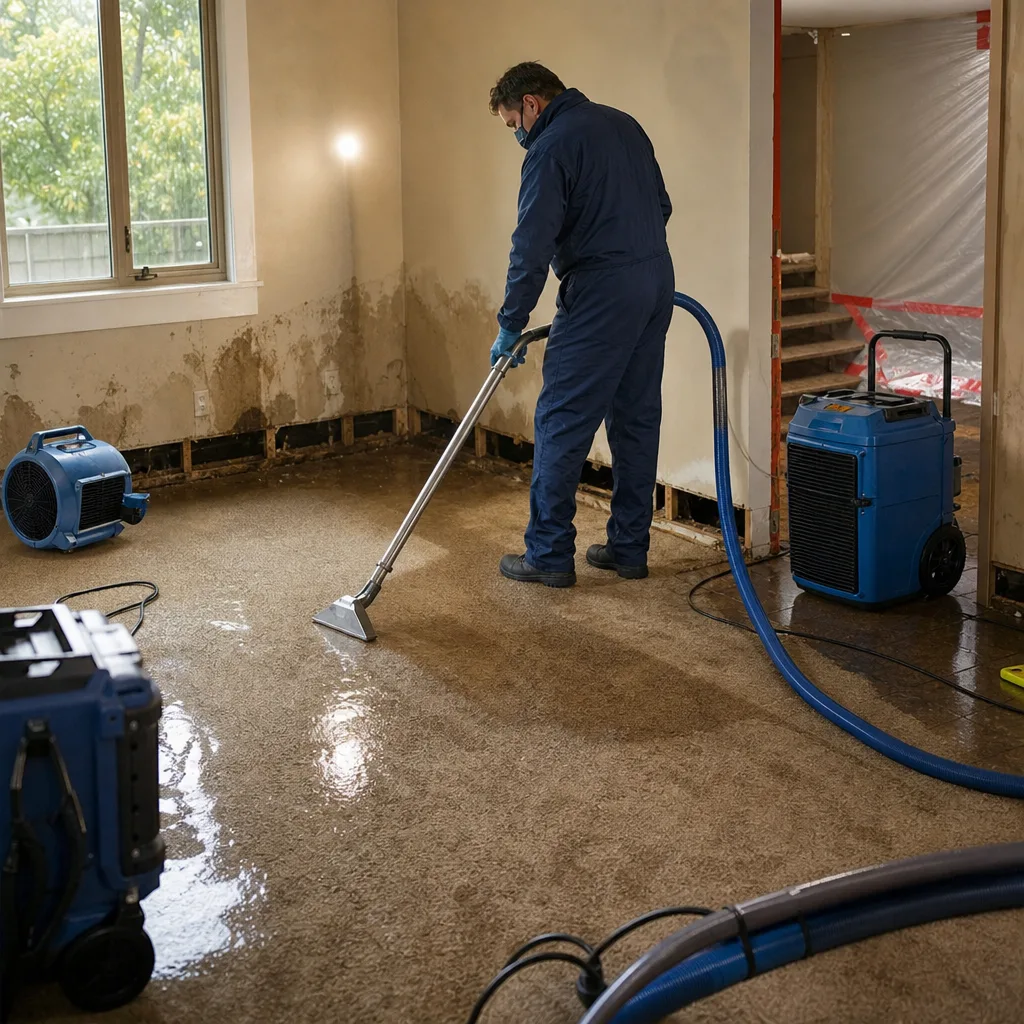
 Before
 After
AfterThe Five Documents to Request Before Signing Anything
Most homeowner interviews stop at license and insurance verification. Those matter, but they’re table stakes. The real liability lives in what happens after the crew arrives. Here are the five documents that separate a contractor who will protect your claim from one who will leave you explaining gaps to your adjuster.
1. Written Scope of Work
This is not a work order. A proper scope defines every affected area by room, identifies the class of water damage (Category 1, 2, or 3 under IICRC S500), lists materials to be removed versus materials to be dried in place, and specifies the drying equipment type and count per room. If a contractor hands you a one-page authorization with a single line like “dry out house,” that’s a scope failure. Haven Standard, Clause 1 requires a written price before work begins, but the scope is what makes that price defensible.
2. Line-Item Estimate
Insurance adjusters review estimates line by line. A lump-sum bid of $8,500 for “water damage repair” invites scrutiny. A line-item estimate breaks out demolition per square foot, equipment rental per day, labor hours by task, and material costs with unit pricing. Ask to see a sample estimate from a past job, redacted for privacy. A contractor who can’t produce one, or who calls the request “unusual,” has not worked within insurance protocols.
3. Drying Protocol with Daily Moisture Targets
Our water damage restoration maintenance checklist for Santa Monica homeowners covers psychrometric data-the measurement of temperature, relative humidity, and vapor pressure differential-which determines how quickly materials release moisture. A proper protocol sets target moisture content for each material type, typically 12-16% for wood framing in Santa Monica’s coastal climate, where ambient humidity runs 10-15% higher than inland Los Angeles. The protocol should specify how often readings are taken, where they’re logged, and what triggers equipment repositioning. Tertiary drying, the final phase where hidden moisture is extracted from dense materials like plaster or hardwood, should have its own target and timeline.
4. Photo Documentation Policy
Every visit should produce timestamped, geotagged photographs of equipment placement, moisture readings, material conditions, and any changes to the work area. Not a few snapshots, a systematic record. Ask: “Will I receive a photo link or download within 24 hours of each visit?” If the answer involves “the project manager will text you some pictures,” that’s not a policy, that’s improvisation. DryMark Restoration Santa Monica includes a documented photo record as a standard deliverable, never an upsell.
5. Lien Waiver Process
California mechanics lien law allows contractors to file against your property for unpaid work, even if you paid your insurer and the insurer paid the contractor late or incorrectly. A lien waiver process, signed at progress payments and final payment, protects your title. Ask when waivers are provided and whether they’re conditional (payment pending) or unconditional (payment confirmed). A contractor who hasn’t thought about this, or who says “we’ve never had a lien issue,” hasn’t handled enough insurance jobs.
Hesitation on any of these five documents signals a contractor optimized for speed, not claim support. In Santa Monica’s dense housing market, where a flagged claim can delay resale or refinancing, that distinction matters.
How to Verify Certifications Actually Apply to Your Crew
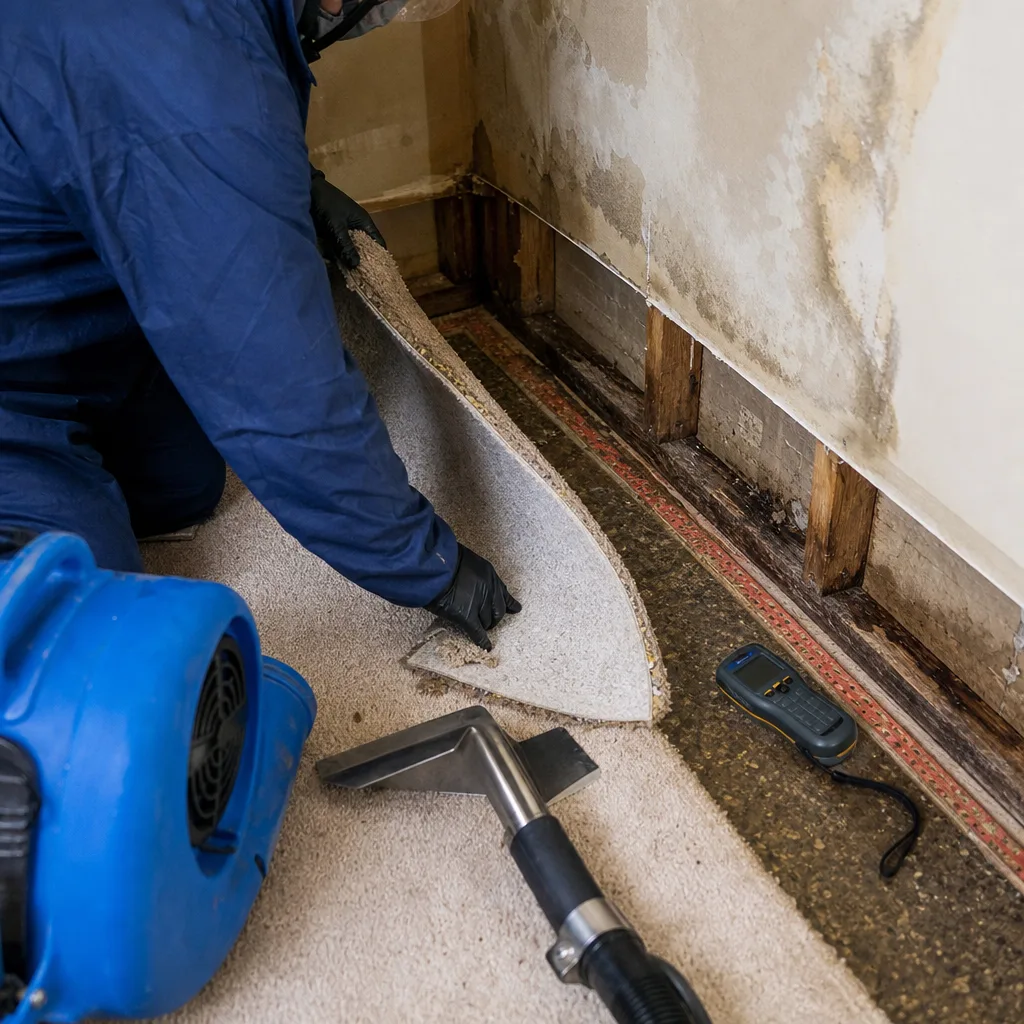
IICRC S500 (water damage) and S520 (mold remediation) certifications are common on contractor websites. The critical question is who holds them, and whether that person will be on your job.
Company-level certification means the business paid membership dues. Technician-level certification means the individual who enters your home passed a written exam and practical assessment. Ask specifically: “Who on my job crew holds current S500 or S520 certifications, and can I see their cards?” IICRC certification numbers are verifiable online through the organization’s registry.
Some firms employ a single certified owner who never leaves the office while sending uncertified crews to the field. Others maintain certification for project managers only, leaving the actual drying work to hourly labor. In Santa Monica, where mold remediation in Santa Monica requires careful containment in older buildings with original plaster and lath, the person setting up the negative air chamber should hold S520, not just the person who wrote the estimate.
Additional credentials to verify:
- RIA (Restoration Industry Association) membership, which requires continuing education beyond initial certification
- IFA (Indoor Air Quality Association) credentials for mold and indoor environmental work
- EPA RRP (Renovation, Repair, and Painting) certification for pre-1978 buildings, common in Santa Monica’s historic districts
Equipment familiarity matters too. Professional-grade drying systems from Phoenix, XPOWER, and Injectidry require specific training for proper deployment. A technician certified in S500 but unfamiliar with Injectidry’s hardwood drying mats may default to removal rather than restoration, increasing your claim cost and extending your displacement.
What “We Work Directly With Your Insurance” Actually Means
This phrase covers two very different arrangements, and the difference determines whether you stay in control of your claim.
The legitimate version: your contractor provides detailed documentation, communicates with your adjuster using industry-standard formats like Xactimate, and accepts payment directly from insurance once you approve the scope. You remain the policyholder, reviewing and authorizing each phase.
The problematic version: assignment of benefits (AOB), where you sign over your insurance rights to the contractor, who then negotiates and collects payment without your involvement. AOB is legal in California but increasingly restricted and scrutinized. Contractors using AOB may inflate claims, perform unnecessary work, or settle for amounts that don’t cover your full restoration, all without your knowledge.
Ask directly: “Do you require assignment of benefits, or do I retain my policy rights?” If the contractor deflects, or frames AOB as “standard practice” or “easier for you,” that’s a red flag. The documentation-first approach, the one that protects your claim, works with you as the policyholder, not around you.
Direct insurance billing should mean the contractor submits invoices in the format your adjuster expects, with supporting documentation attached. It should not mean the contractor becomes your proxy in disputes. In our experience, insurers pay faster and with fewer challenges when the homeowner can produce a complete file: written scope, daily drying logs, photo record, and moisture readings. That’s the file water damage restoration in Santa Monica should produce.
Red Flags Specific to Santa Monica’s Post-Storm Contractor Surge
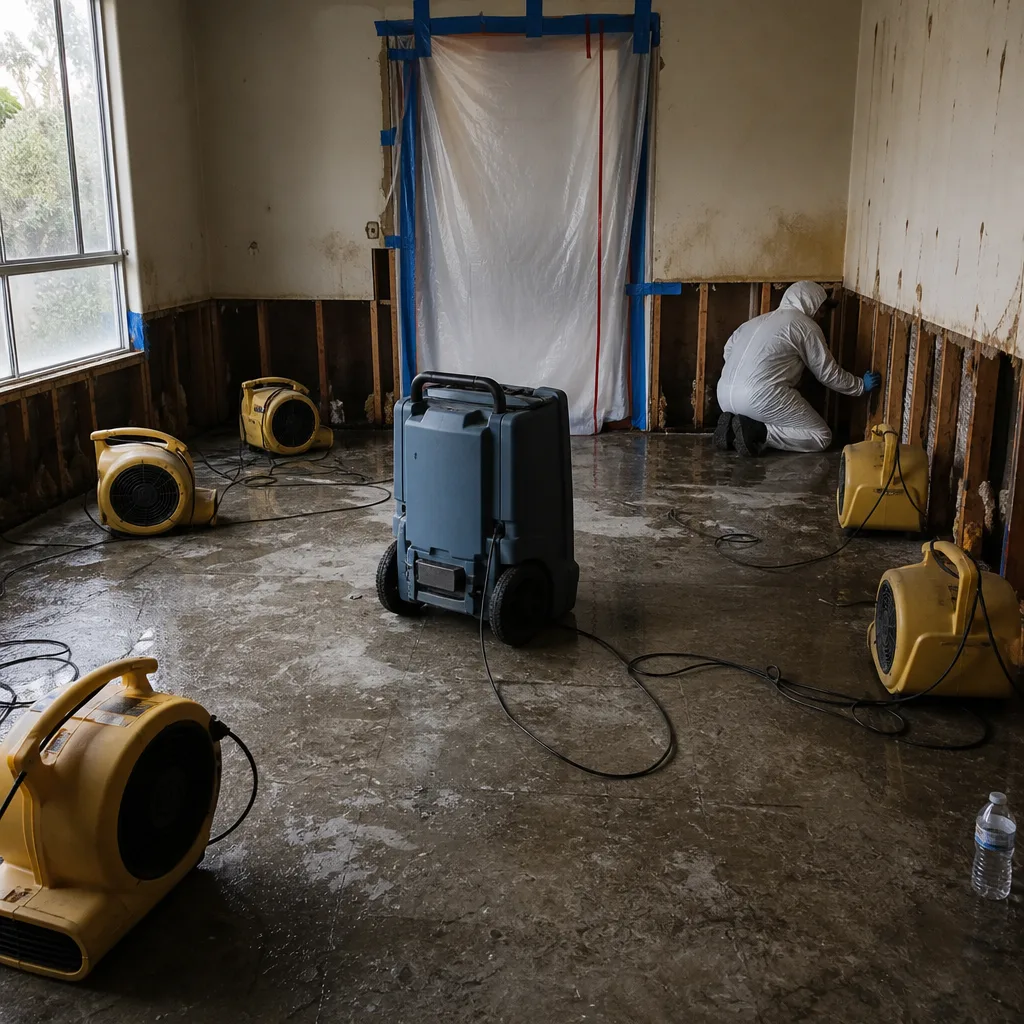
Seasonal damage restoration care for Santa Monica addresses how the coastal location and aging infrastructure create predictable surge patterns. When winter storms push water through compromised roofing in North of Montana, or when summer humidity spikes mold complaints in Mid-City, out-of-area contractors arrive within 48 hours. Here’s how to spot them.
Out-of-Area Vehicles and Licensing
California requires contractors to display their CSLB license number on all advertising, contracts, and vehicles. Check the license address against your location. A contractor based in Riverside or San Bernardino may be licensed and insured, but if they have no Santa Monica address, they have no local accountability. Verify through the CSLB website, where you can also check for pending disciplinary actions.
Verbal-Only Pricing
Storm surge contractors often pitch immediate work with “we’ll figure out the price later.” This violates Haven Standard, Clause 1, and California contracting law, which requires a written contract for home improvement work exceeding $500. More critically, verbal pricing produces unverifiable claims that insurers reject. Demand a written price before work begins, every time, with no exceptions.
Pressure to Sign Immediately
“We can start today if you sign now” is urgency theatre, not service. A legitimate Santa Monica contractor has ongoing work and can schedule within a reasonable window, or explain why emergency mitigation requires immediate authorization with a written scope attached. The pressure tactic relies on your anxiety, not your documentation needs.
No Local Reference Base
Ask for three Santa Monica-area references from jobs completed in the last 12 months. Not Los Angeles County generally, Santa Monica specifically. A contractor who can’t name a street, a building type, or a local adjuster they’ve worked with is passing through, not established.
Generic Equipment Claims
“Industrial-grade dehumidifiers” means nothing. Ask for brand names, model numbers, and how equipment is selected for your specific building. Santa Monica’s 1920s courtyard apartments in Wilshire-Montana have different drying challenges than 1960s slab-on-grade units near Pico Boulevard. A contractor who can’t discuss vapor pressure differential in your specific structure hasn’t assessed your job.
A Three-Question Framework to Separate Documentation-First Contractors
After verifying license, insurance, and basic certifications, these three questions reveal whether a contractor operates under documentation discipline or sales momentum.
Question 1: “Can you show me a sample drying log from a completed job?”
A drying log records moisture content readings by location, date, and time, along with equipment settings and atmospheric conditions. It should span multiple days, showing progressive drying toward target levels. A contractor who produces this without hesitation has the systems. One who offers “we’ll definitely do that on your job” without a sample is promising a process they haven’t formalized.
Question 2: “What happens if my insurer’s adjuster disagrees with your moisture readings?”
The documentation-first answer: “We provide the complete file, explain our methodology, and stand by our readings with calibrated equipment records.” The sales-first answer: “We’ve never had a problem” or “we have a great relationship with insurers.” The first response addresses evidence. The second addresses charm. Claims are paid on evidence.
Question 3: “Will I receive a written scope and price before any work begins, and is that in your contract?”
Haven Standard, Clause 1 exists because verbal authorizations create disputes. The contractor should point to specific contract language, not general assurances. At fire and smoke damage restoration in Santa Monica, where soot classification and odor removal scope can vary dramatically, a written price before work begins prevents the “while we’re here” expansion that doubles project costs.
Contractors who answer these three questions with specifics, samples, and contract references are built for insurance environments. Those who answer with reputation, speed, or reassurance are built for cash jobs where documentation doesn’t matter.
What Restoration Costs in Santa Monica (and What Drives Price)
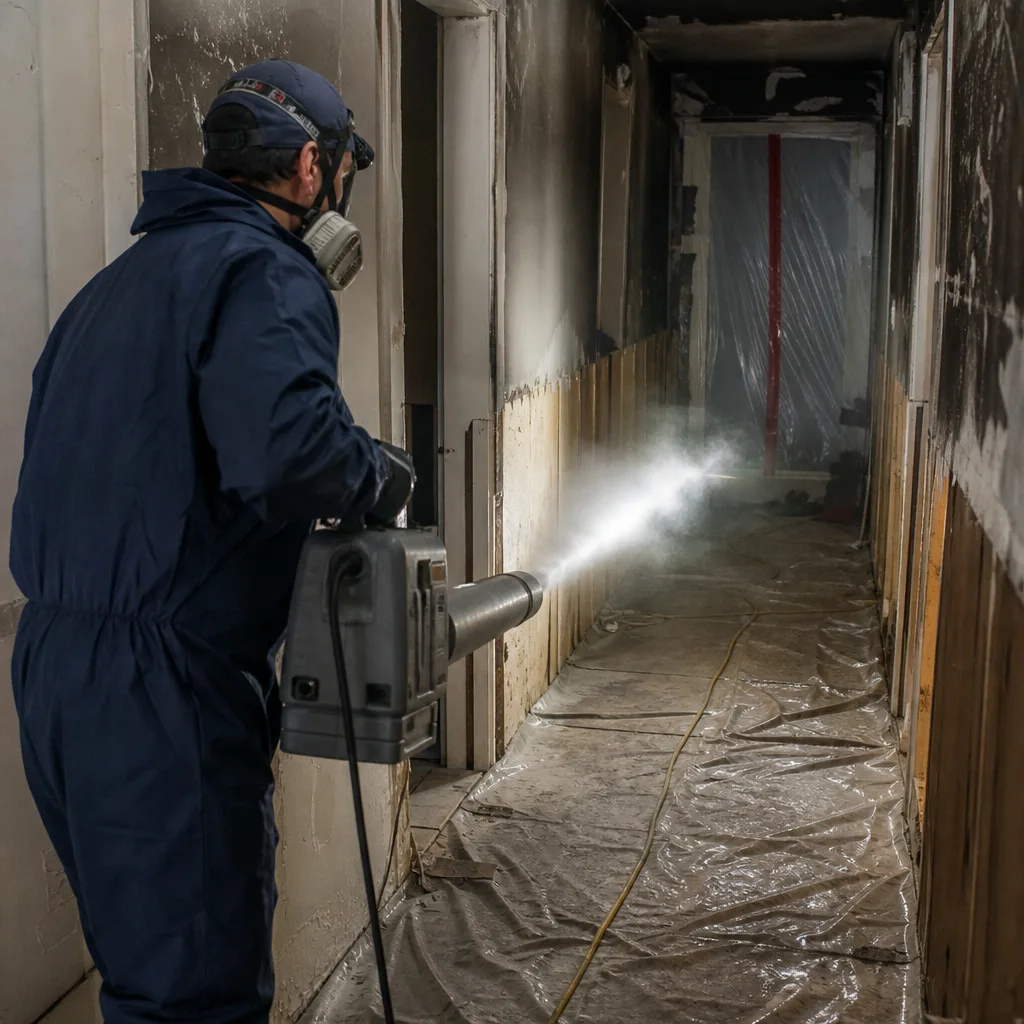
Restoration pricing in Santa Monica runs higher than national averages due to labor costs, permitting requirements, and the prevalence of older buildings requiring specialized handling. These ranges reflect our experience with Santa Monica jobs since 2011; your specific project requires a written estimate under Haven Standard, Clause 1.
| Service Category | Typical Range in Santa Monica | Primary Cost Drivers |
|---|---|---|
| Emergency water extraction and initial setup | $1,800 – $4,500 | Affected square footage, water category (1-3), access difficulty |
| Structural drying (per day, equipment rental) | $150 – $400 per day | Dehumidifier count, air mover count, specialty equipment (Injectidry mats, etc.) |
| Demolition and removal (per square foot) | $4 – $12 | Material type, asbestos/lead testing requirements, disposal fees |
| Mold remediation (contained area) | $15 – $35 per square foot | Containment complexity, air filtration requirements, post-remediation verification |
| Fire/smoke damage restoration | $8,000 – $45,000+ | Soot classification, odor penetration depth, contents cleaning scope |
| Reconstruction (per square foot) | $85 – $220 | Finish level, historic preservation requirements, permit complexity |
Santa Monica-specific factors that increase costs: coastal humidity extends drying timelines by 20-40% compared to inland Los Angeles; the city’s strict building code enforcement requires permits for most reconstruction work; and many buildings in the 90402 and 90405 zip codes contain original materials, plaster and lath, or historic designation restrictions that limit demolition options.
Insurance typically covers sudden and accidental damage, not gradual deterioration or maintenance failures. Documentation of the event’s timing, cause, and immediate response supports coverage determination. A contractor who doesn’t photograph the source of loss, the water path, and the initial conditions is leaving coverage questions unanswered.
Common Mistakes to Avoid
- Verifying the company license but not the crew. The CSLB license on the truck may belong to a principal who hasn’t swung a hammer in years. Ask who specifically will be on your job and what certifications they hold.
- Accepting “we’ll bill your insurance” as a pricing strategy. This often means the contractor hasn’t priced the job and will negotiate later, sometimes at your expense if insurance pays less than expected. A written price before work begins prevents this.
- Hiring based on speed alone for reconstruction work. Emergency mitigation, water extraction and initial drying, should happen fast. Reconstruction should be scoped, scheduled, and priced in writing like any remodeling project. Promising same-day reconstruction starts is a warning sign.
- Ignoring the drying log until there’s a problem. Request and review daily logs as they’re produced, not months later when mold appears or insurance questions the bill. Active monitoring catches equipment failures or protocol deviations early.
- Not asking about post-job verification. Water damage restoration should include final moisture readings demonstrating targets met. Mold remediation should include post-remediation air sampling or surface sampling. Fire restoration should include odor verification. A contractor who considers the job done when equipment is removed, not when verification is documented, is closing prematurely.
- Assuming all “certifications” are equal. IICRC, RIA, and IFA are industry-recognized. “Certified restoration professional” from an unnamed organization is not. Ask where certification was obtained and whether it’s current.
- Failing to document the initial condition yourself. Take your own photographs of the damage before any contractor arrives. Date them, note the time, and store them separately. If disputes arise about what was pre-existing versus what was caused by the event, your record matters.
When to Call a Professional
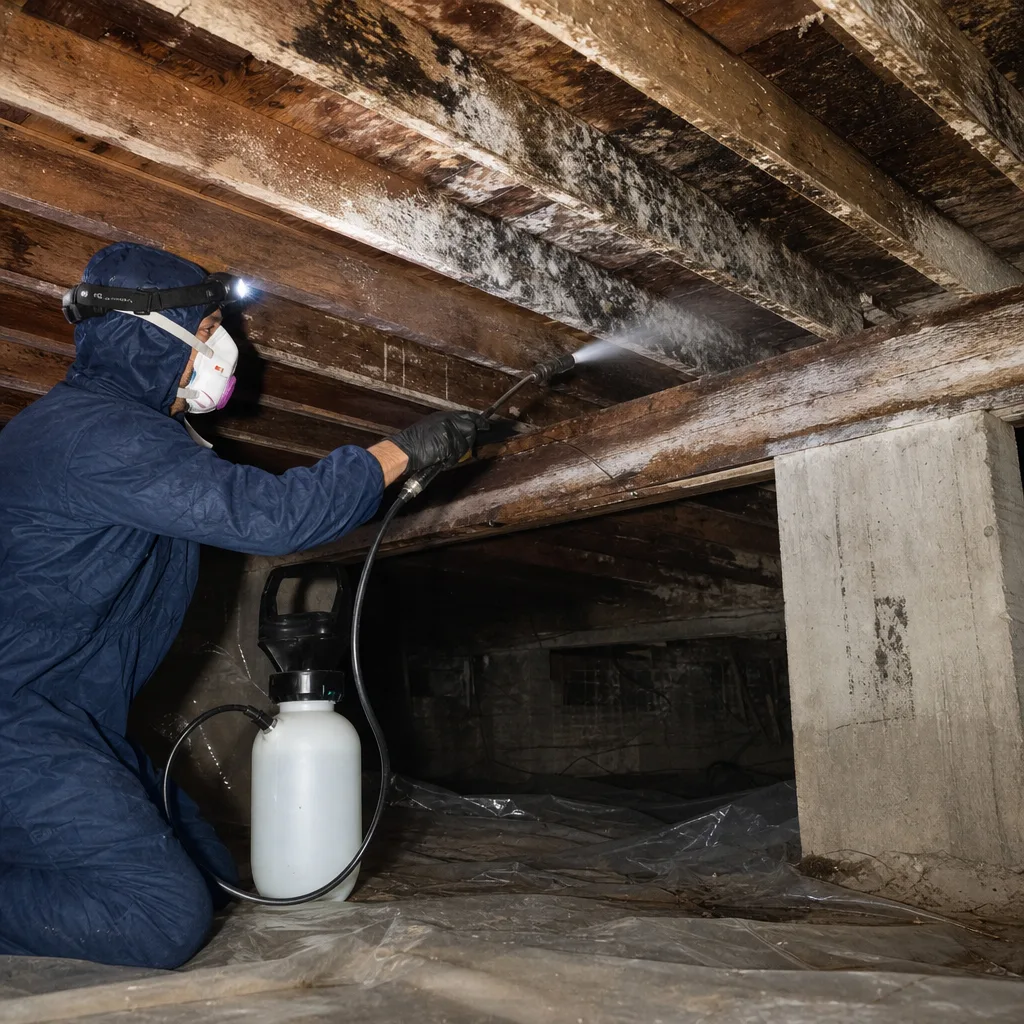
Call immediately when water is actively flowing, when sewage or Category 3 water is involved, when electrical systems are compromised, or when mold is visible and spreading. These scenarios compound quickly, and documentation must begin during the emergency response, not after.
Call within 24 hours when you discover water damage that has been hidden, when you smell musty odors without visible mold, or when a previous repair seems to have failed. Delay increases restoration scope and cost, and insurers question why mitigation didn’t start sooner.
DryMark Restoration Santa Monica offers free estimates in Santa Monica, including a Free Second Opinion on any competitor’s written estimate. Live phone coverage is available 24 hours a day, 7 days a week with no voicemail on emergency lines. Call (213) 816-0810.
Frequently Asked Questions
Verify through the California State License Board website using the contractor’s license number, which must appear on all contracts, vehicles, and advertising. Check that the license status is “Active,” review the license address for local presence, and confirm there are no pending disciplinary actions. A contractor who hesitates to provide their license number, or who provides only a business license rather than a CSLB contractor’s license, is not qualified for structural restoration work.
Most standard homeowners policies cover sudden and accidental water damage from sources like burst pipes or appliance failures, but exclude gradual leaks, flooding from outside rising water, and maintenance-related failures. Coverage depends on documenting the cause, timing, and immediate response. A contractor who produces a written scope, photo record, and daily drying logs supports your coverage determination. Call (213) 816-0810 for an exact assessment, estimates are free.
Emergency mitigation, water extraction and equipment setup, should begin within hours for active water damage. Reconstruction and rebuild work is scoped, scheduled, and priced in writing, not started same-day. Be wary of contractors who promise immediate reconstruction starts; this typically means they haven’t properly assessed the full scope. In Santa Monica, where permit requirements apply to most structural work, proper scheduling protects you from code violations and insurance disputes.
Water damage restoration removes water, dries structures, and restores materials to pre-loss condition. Mold remediation addresses fungal contamination through containment, removal of affected materials, air filtration, and post-remediation verification. A water damage job that skips proper drying becomes a mold job later. In Santa Monica’s humid coastal climate, where ambient moisture slows natural drying, the distinction between adequate and inadequate water damage documentation often determines whether mold follows.
Visible mold growth exceeding 10 square feet, mold in HVAC systems, or mold resulting from Category 2 or 3 water damage requires professional remediation under IICRC S520 protocols. DIY cleaning without containment and air filtration often disperses spores and worsens contamination. More critically, insurers and future buyers expect documentation of professional remediation for known mold conditions. A written scope and post-remediation verification from a certified contractor protects your property value and liability exposure.
You should remain the primary policyholder contact, with your contractor providing technical documentation in adjuster-friendly formats. “Direct insurance billing” should mean the contractor submits properly formatted invoices with supporting documentation, not that the contractor negotiates on your behalf or accepts assignment of your benefits. Ask specifically: “Will I review and approve the scope before you submit to insurance?” If the answer is no, you’re being removed from your own claim. Call (213) 816-0810 to discuss how we handle adjuster coordination while keeping you informed.
Your file should include: the original written scope and line-item estimate, all change orders with your signature, daily drying logs with moisture readings, a complete photo record from every visit, equipment placement and retrieval documentation, final moisture verification showing targets met, any post-remediation sampling results, the signed lien waiver, and the written warranty. The 365-Day Done Right Promise under The Haven Standard provides a signed guarantee, not a verbal assurance. This file is your protection if questions arise during resale, refinancing, or future insurance applications.
The Bottom Line
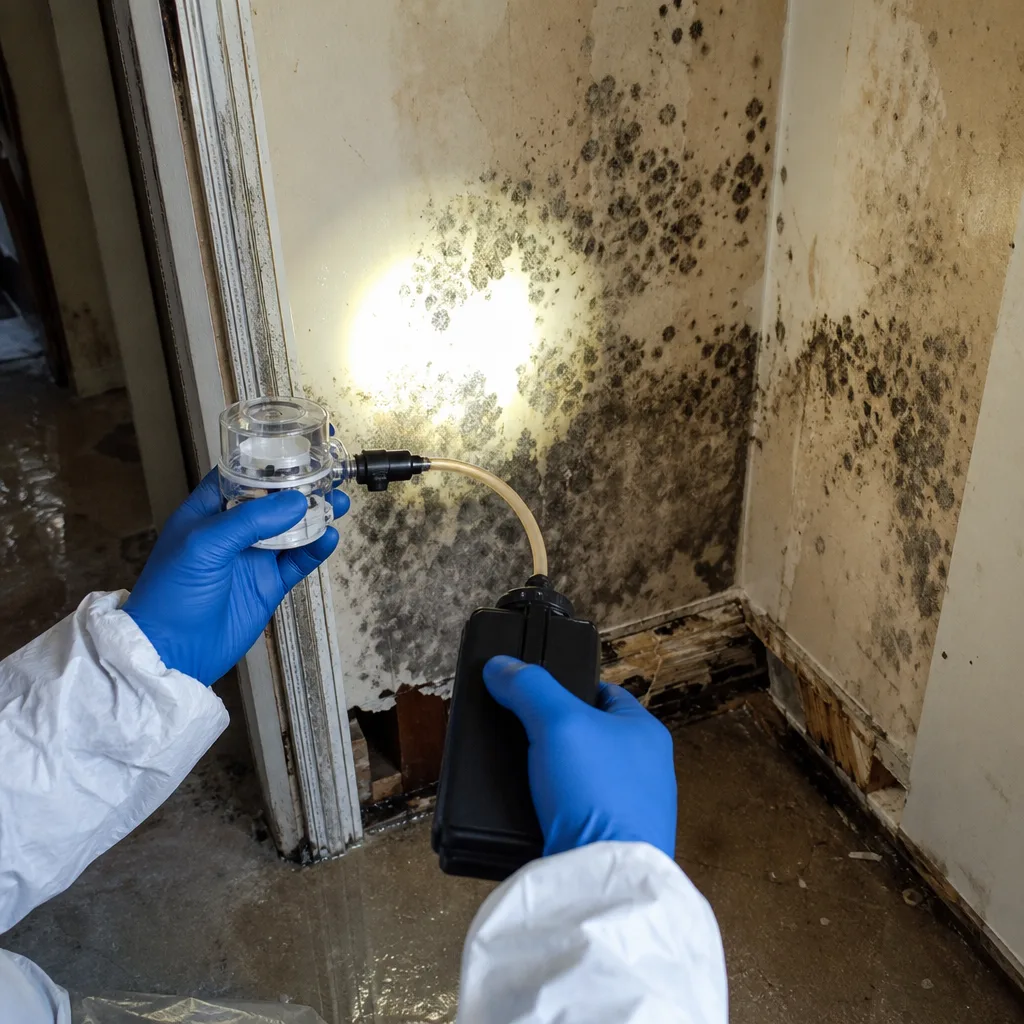
The contractor interview that matters isn’t the one about years in business or customer satisfaction scores. It’s the one about documents, daily logs, and who holds the certifications for the crew that enters your home. In Santa Monica’s demanding coastal environment, where humidity, age, and code complexity intersect, documentation capability predicts outcome better than sales presentation. Request the five documents. Ask the three questions. Verify that certifications belong to working technicians, not absent owners. And never authorize work without a written price before work begins, Haven Standard, Clause 1. For more guides & resources, see our blog.
Written by Alicia Brennan, Owner at DryMark Restoration Santa Monica, serving Santa Monica since 2011.