
Last updated September 23, 2026
Free visual inspection and a written scope of work before any mitigation begins - photos, moisture readings, and drying logs go in your claim file
The scope we write is the scope we bill. Anything new gets shown to you, in writing, before we touch it.
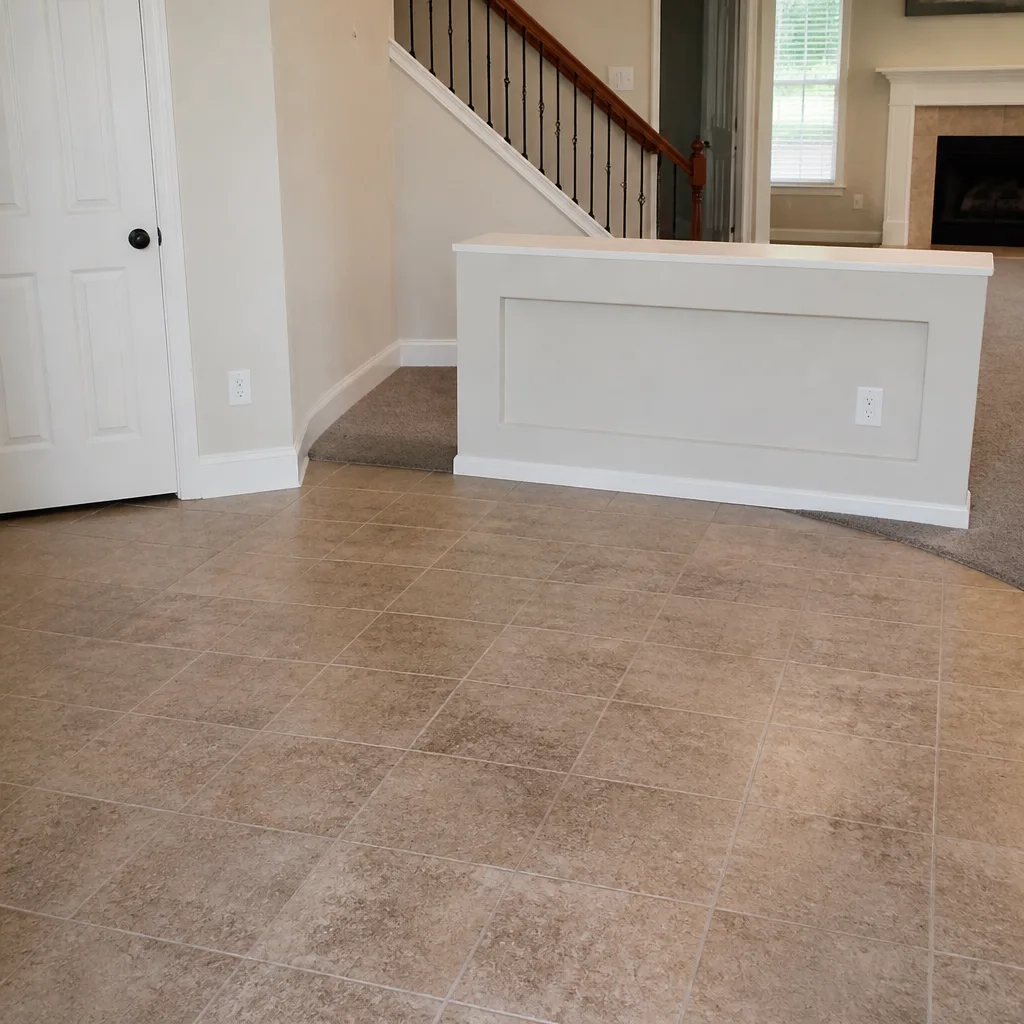
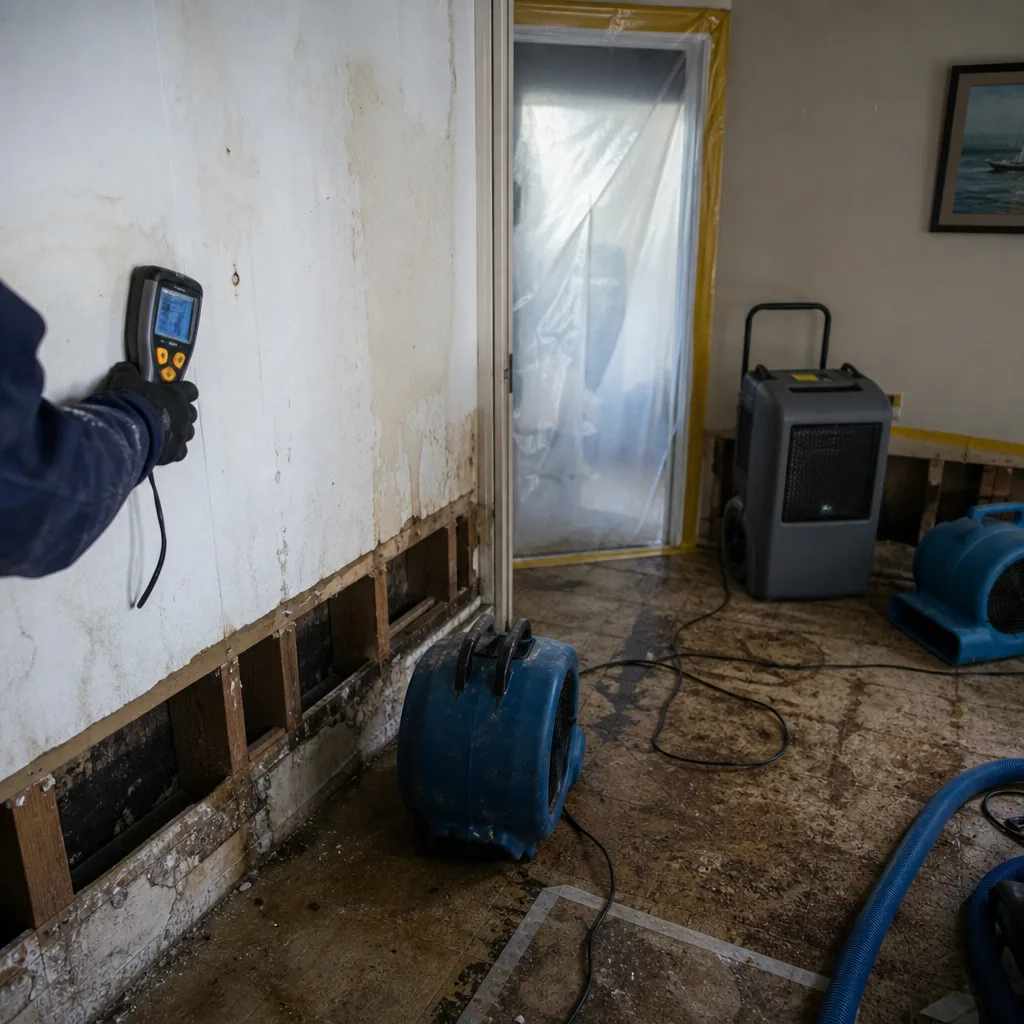 Before
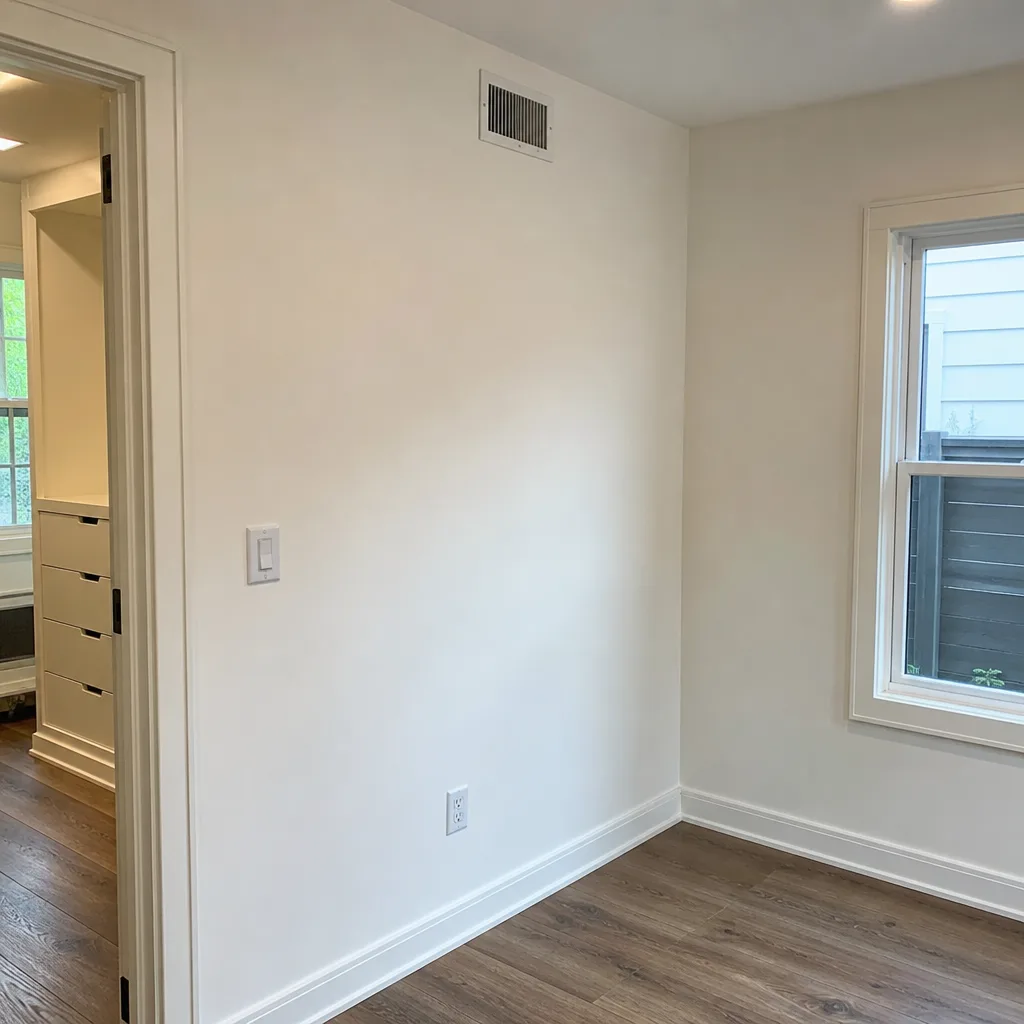 After
After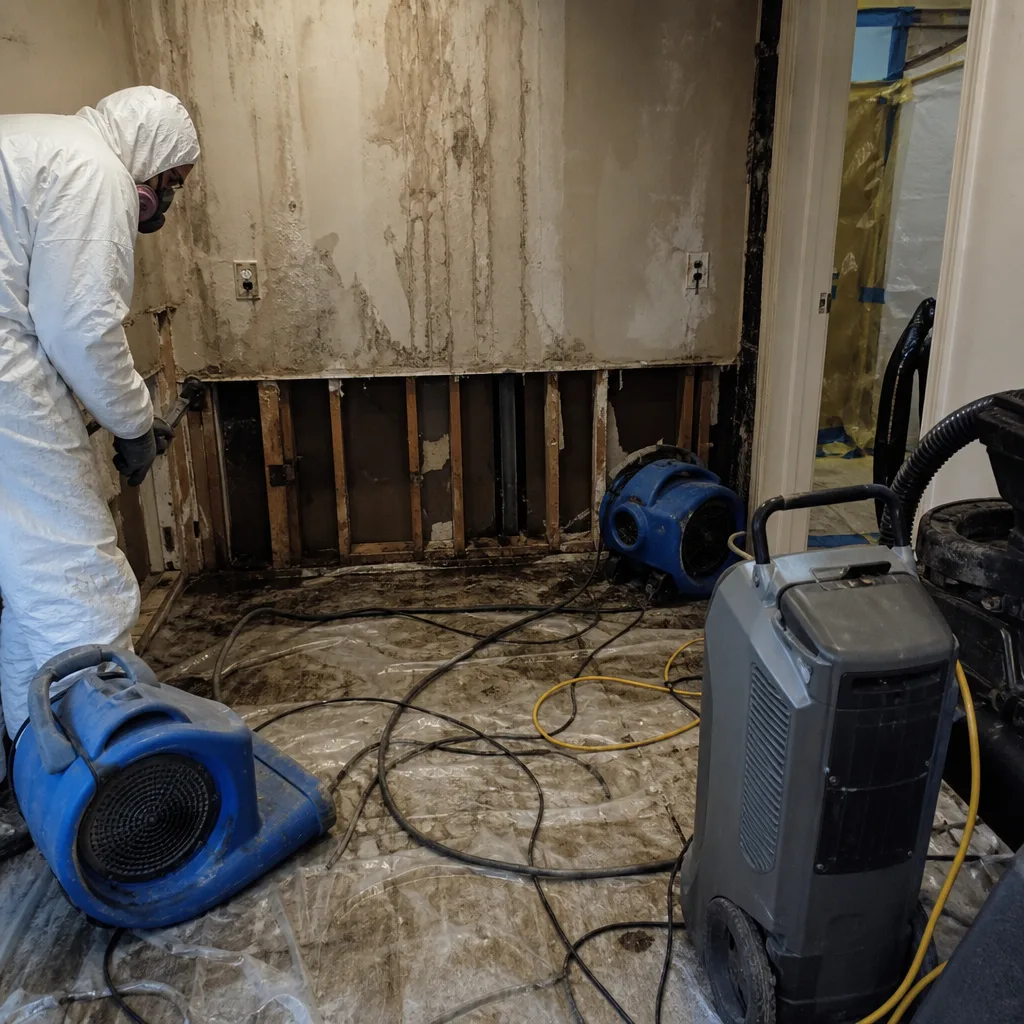 Before
 After
After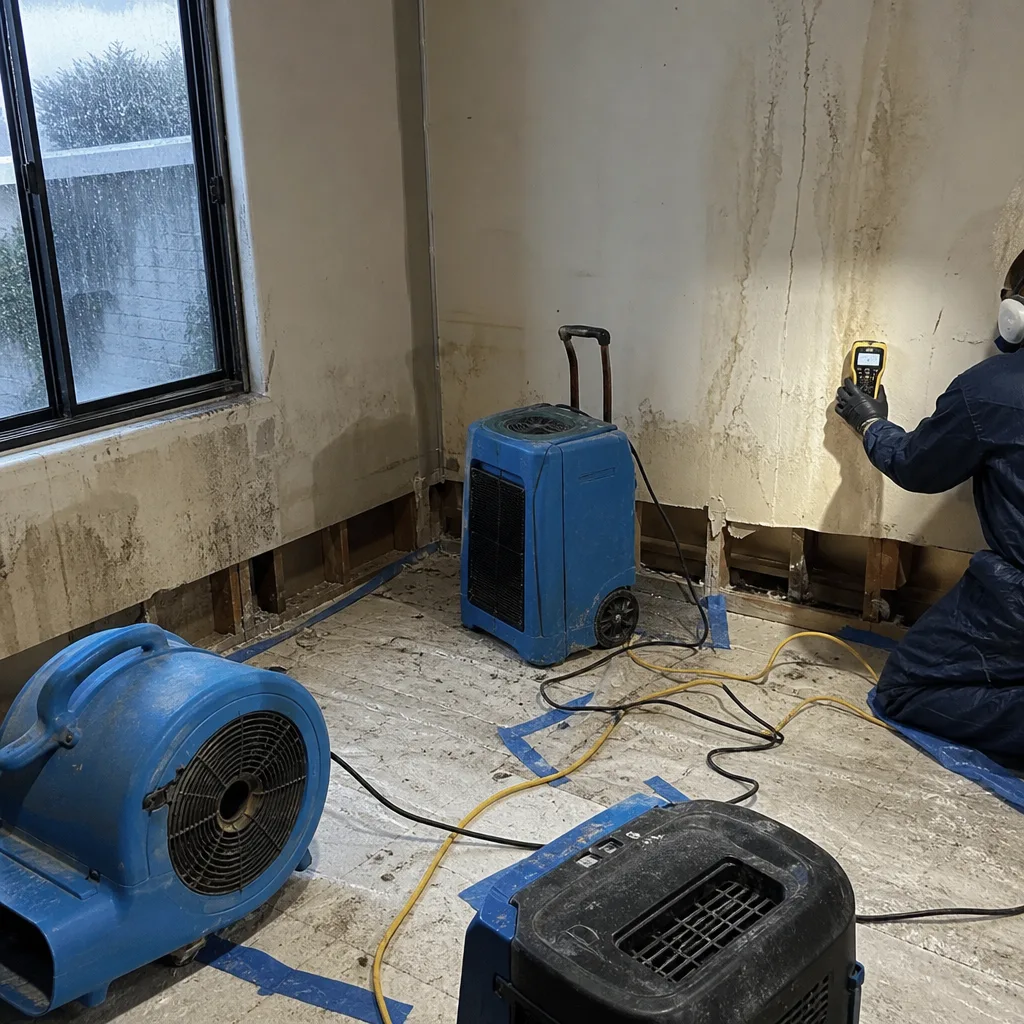 Before
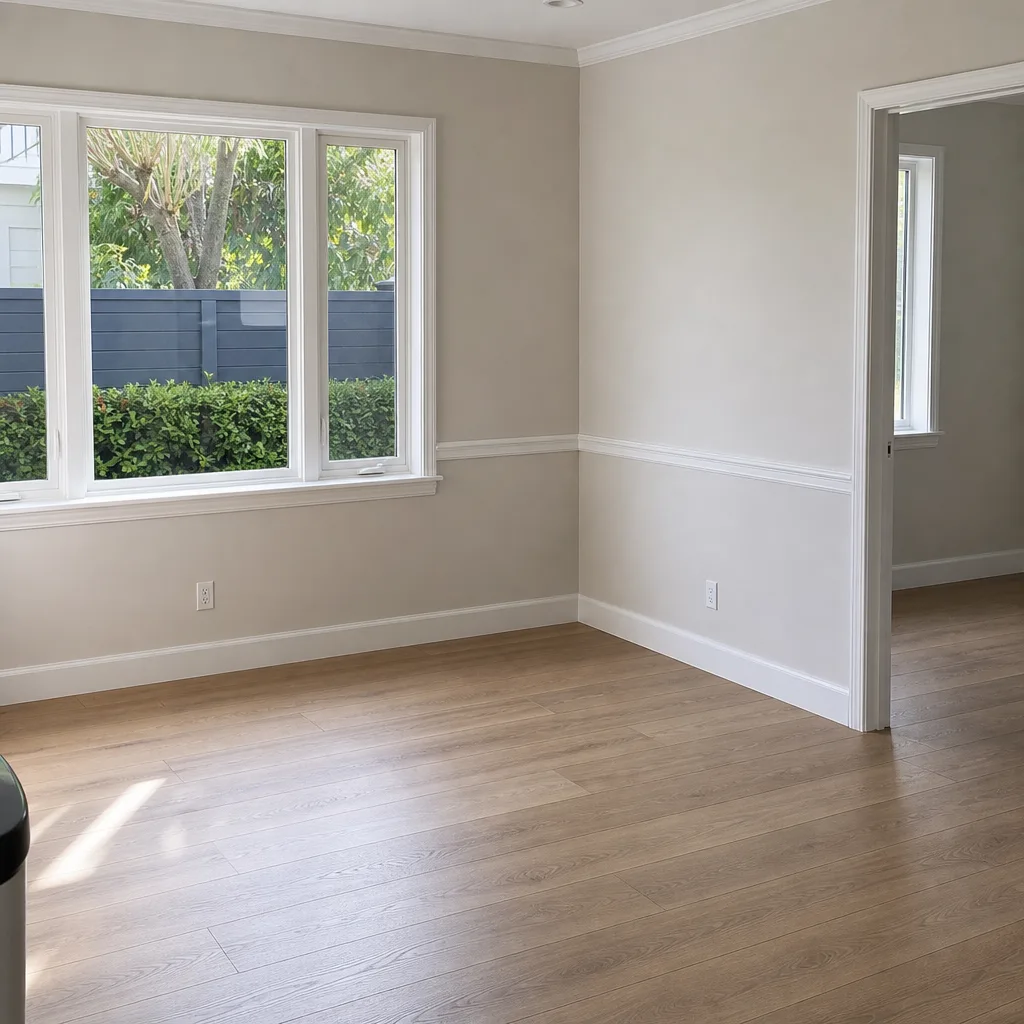 After
AfterDamage Restoration Permits, Codes & Inspections in CA: What You Need to Know
In California, an unpermitted structural repair discovered during a home sale can void a homeowner’s insurance coverage for that portion of the structure - meaning the permit your contractor said “wasn’t required” may be the reason your next claim gets denied. We’ve reviewed thousands of restoration files since 2011, and the pattern is consistent: the jobs that stall claims are rarely the ones with bad workmanship. They’re the ones with missing paperwork. This guide explains exactly which restoration triggers require permits under California Building Code, how Santa Monica’s City Building & Safety Division processes them, and why your permit status determines whether a future insurer will honor a claim on previously repaired areas.
Quick Answer
Most structural, electrical, plumbing, or mechanical repairs from water, fire, or mold damage require a permit under California Building Code Sections 105.1 and 107.2. Cosmetic repairs like painting and flooring replacement typically do not. In Santa Monica, permits are issued through the City Building & Safety Division at City Hall, with most restoration permits requiring 3-5 business days for initial review and same-day or next-day inspection scheduling once work is ready. Unpermitted structural work must be disclosed in California real estate transactions and can invalidate insurance coverage for that building component.
Table of Contents
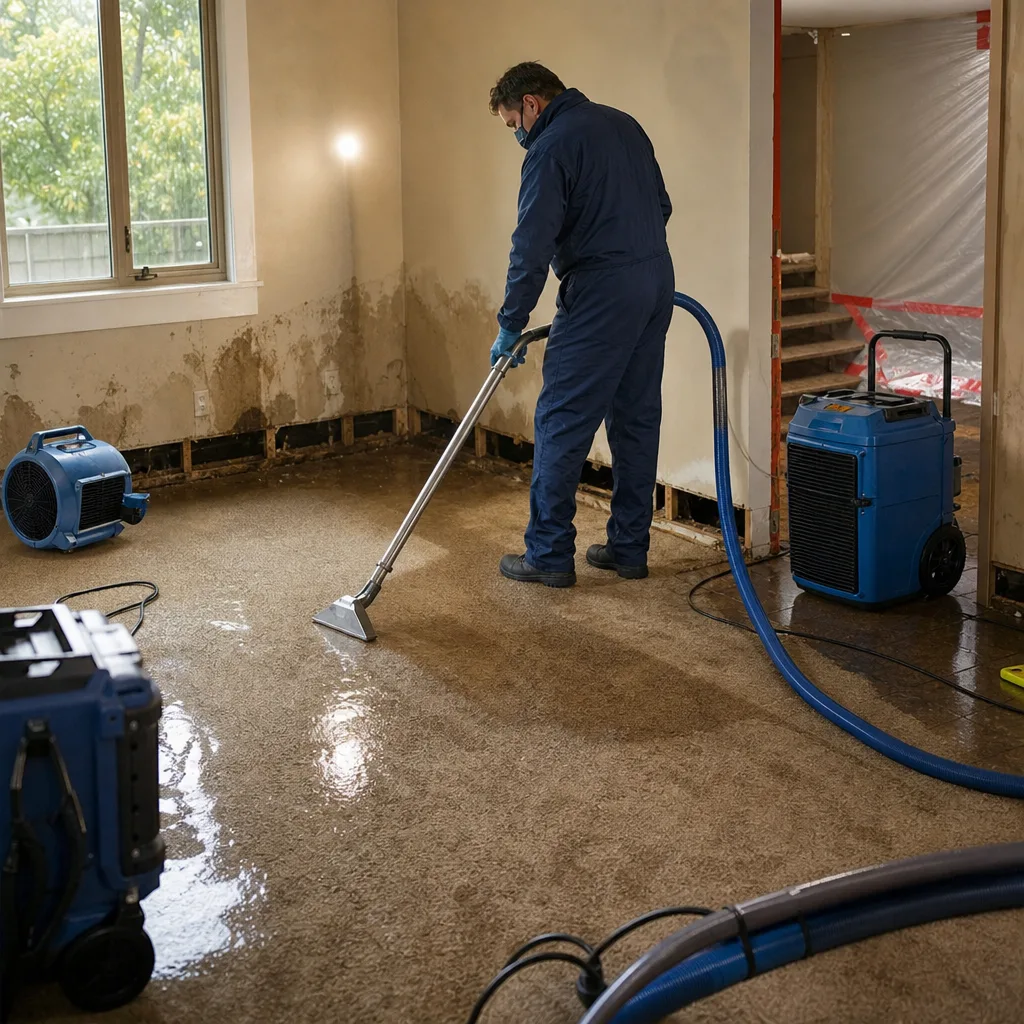
- When Permits Are Required for Restoration Work
- How Santa Monica Processes Restoration Permits
- What Qualifies as a Repair Exemption
- Asbestos & Lead Notification Requirements
- How Permit Status Affects Future Insurance Claims
- How to Verify Permit Status on a Santa Monica Property
- How Permits Affect Drying and Rebuild Scheduling
- Common Mistakes to Avoid
- When to Call a Professional
- Frequently Asked Questions
 Before
 After
AfterWhen Permits Are Required for Restoration Work
California Building Code draws a clear line between repair and alteration, though restoration contractors often blur it to save time. The distinction matters because it determines whether a permit - and the inspection that follows - is mandatory.
Permit-required work includes:
- Structural repairs: Replacing load-bearing studs, floor joists, roof rafters, or shear walls damaged by water, fire, or termite infestation. In Santa Monica, this includes any work affecting the lateral force-resisting system, which is critical given local seismic requirements.
- Electrical: New circuits, panel replacements, rewiring of outlets or switches damaged by water intrusion, and any electrical work in fire-damaged walls. Even “like-for-like” replacement of water-damaged outlets requires a permit if the wiring behind them is disturbed.
- Plumbing: Repiping, water heater replacement, drain line repairs, and any modification to the domestic water or sanitary sewer systems following a burst pipe or sewage backup.
- Mechanical/HVAC: Furnace or air handler replacement, ductwork modifications, and any HVAC components affected by fire, smoke, or water damage.
- Window and door replacement: Any change in size, type, or egress compliance, which is common when fire damage requires new openings.
- Roofing: Repairs exceeding 25% of the total roof area in any 12-month period, or any repair affecting the roof structure.
Exempt repairs (typically):
- Drywall replacement in non-shear walls, provided no insulation or vapor barrier is altered
- Interior painting, flooring, and trim replacement
- Cabinet and countertop replacement without plumbing or electrical changes
- Minor roof repairs under the 25% threshold using like materials
The trap we’ve seen repeatedly in Santa Monica: a contractor replaces drywall after a water loss, discovers saturated insulation and mold, removes the insulation, and replaces it with a different R-value product. That insulation change alters the wall’s thermal performance and triggers an energy code compliance review - which requires a permit. The homeowner only learns this when the work is flagged in a pre-sale inspection.
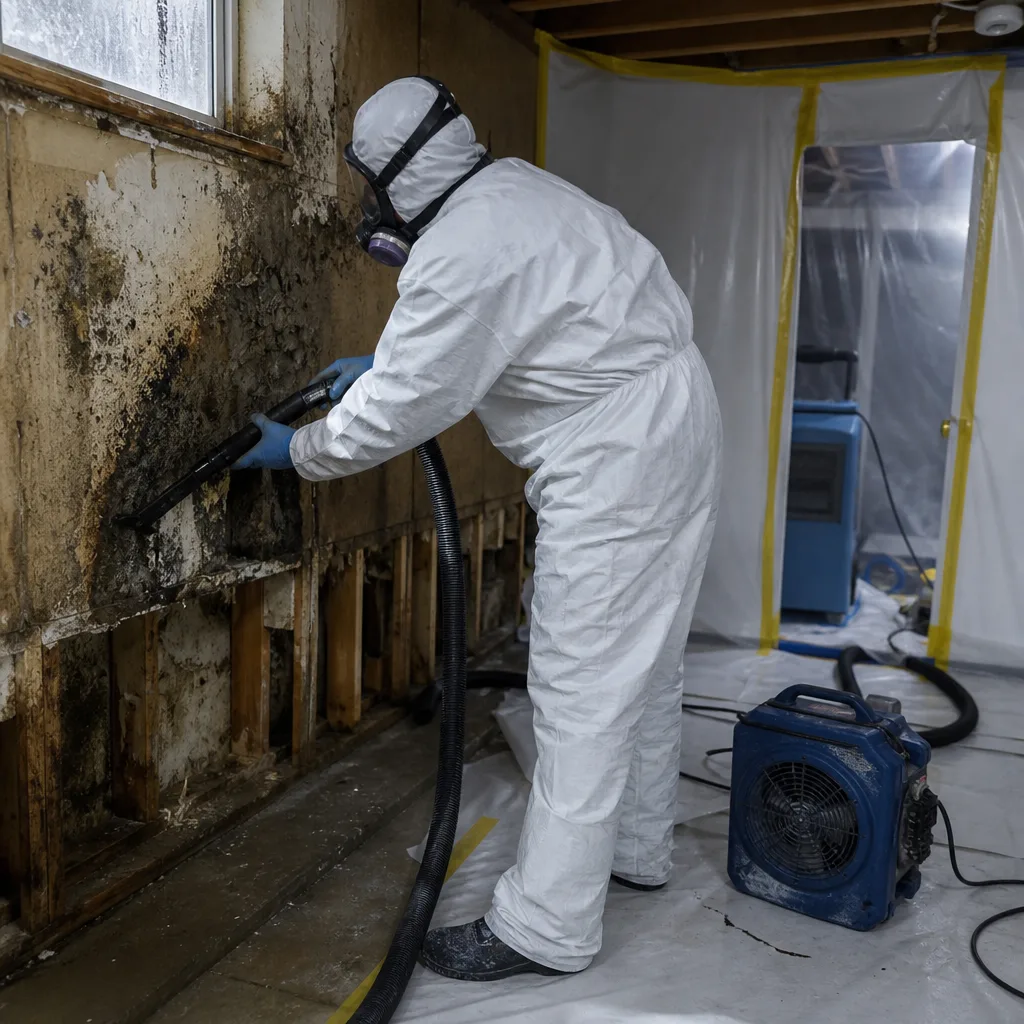
Our documentation protocol on every Water Damage Restoration in Santa Monica job includes a permit determination checklist completed before any demolition begins. This prevents the mid-project discovery that stops work for two weeks while drawings are prepared.
How Santa Monica Processes Restoration Permits
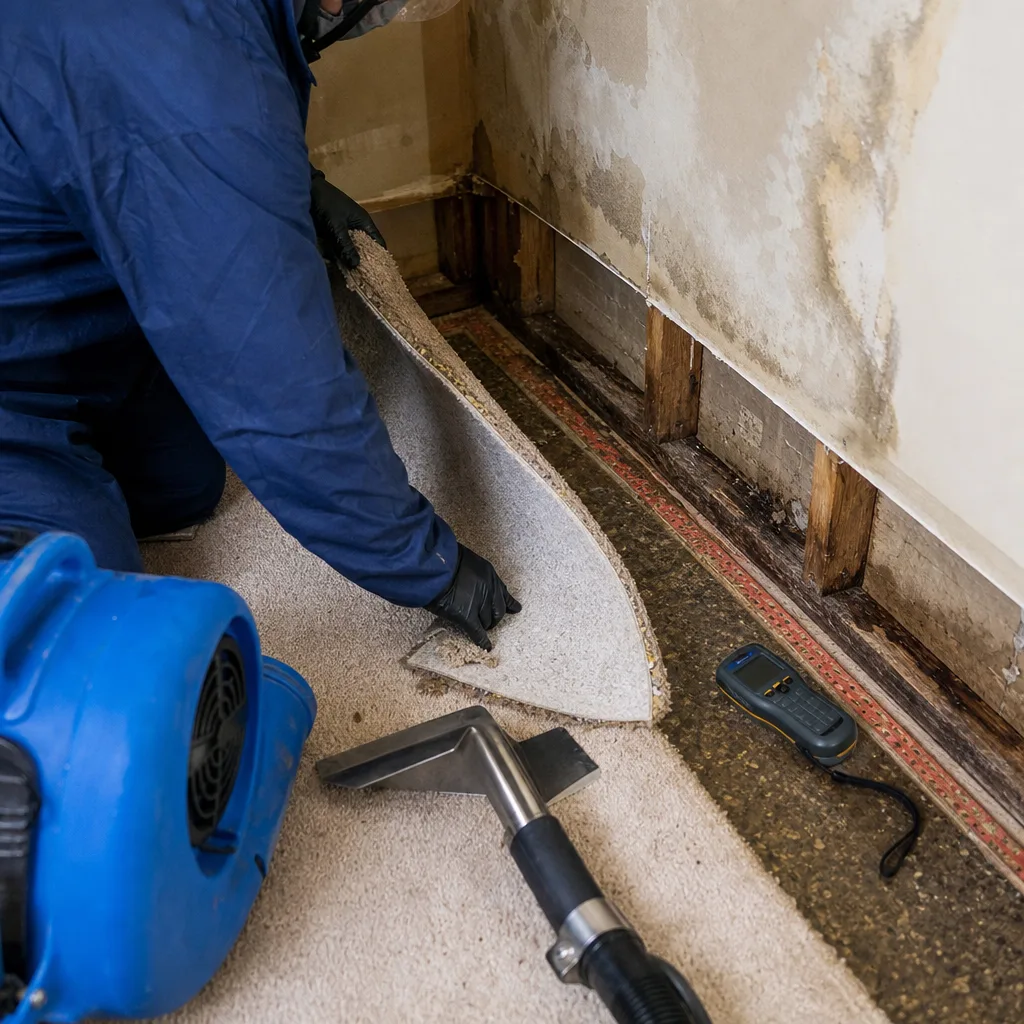
Santa Monica operates its own Building & Safety Division, separate from unincorporated Los Angeles County. This matters because permit timelines, inspection hours, and plan check requirements differ materially from neighboring jurisdictions.
Permit application steps for restoration work:
- Determine permit type: Most restoration permits fall under “Repair/Reroof” or “Alteration” categories. Emergency work permits exist for hazardous conditions - active water intrusion, structural instability, or exposed electrical - but still require full documentation within 72 hours.
- Submit application: Online through the Santa Monica e-Plan Review system or in person at City Hall, 1685 Main Street. For alterations requiring plan check, submit construction drawings, structural calculations if applicable, and a scope of work narrative.
- Plan check review: Simple repair permits often receive same-day approval. Alterations with structural or energy code implications typically require 10-15 business days for initial review. Santa Monica offers an express plan check for an additional fee, reducing this to 3-5 business days.
- Permit issuance: Once approved, pay permit fees based on valuation of work. Santa Monica uses the International Code Council valuation tables, with permit fees typically ranging from $150 for minor repairs to $2,000+ for substantial structural work.
- Schedule inspections: Call (213) 816-0810 or use the online portal. Inspections are generally available next business day for standard requests; same-day is sometimes possible for morning requests before 8 AM.
- Final sign-off: All required inspections must pass before a Certificate of Occupancy or final approval is issued. This document is what future insurers and buyers will request.
Santa Monica’s coastal location adds a specific consideration: any restoration work within the Coastal Zone may require additional review by the Planning Department, particularly if the damage affected a structure’s footprint or exterior envelope. We’ve encountered this on oceanfront properties in the North of Montana neighborhood, where a simple deck repair triggered Coastal Commission notification requirements.
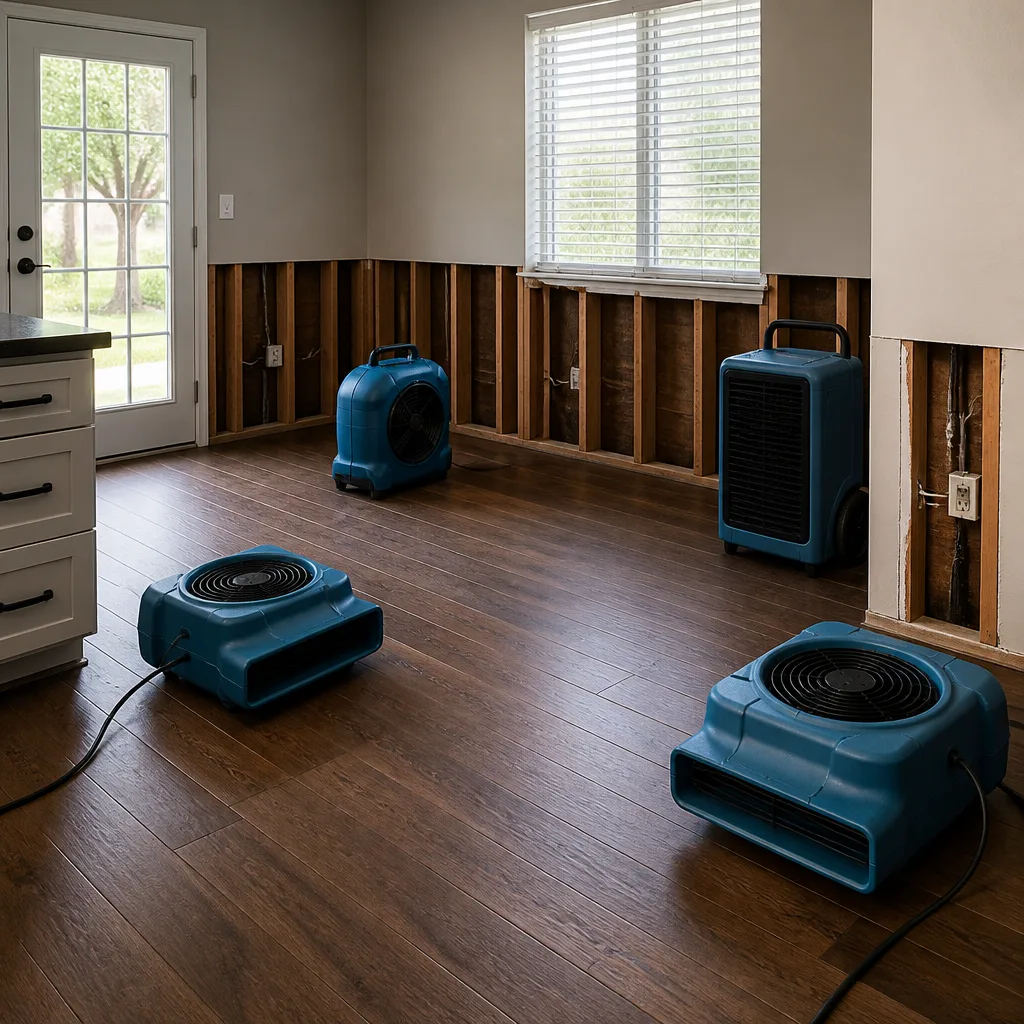
The inspection scheduling timeline directly affects our drying and rebuild sequencing. If we’re deploying Dri-Eaz and Phoenix dehumidification systems on a water damage job, we need to know whether drywall can be reinstalled before the rough inspection or if we must leave walls open longer. Our project managers coordinate with City inspectors to schedule rough plumbing and electrical inspections to minimize the gap between structural drying and enclosure.
What Qualifies as a Repair Exemption
California Building Code Section 105.2 lists specific exemptions, but the language is narrower than many contractors admit. Understanding the actual boundaries protects homeowners from the liability transfer that happens when a contractor skips permitting to accelerate a schedule.
True exemptions (with caveats):
- Like-for-like replacement: Replacing a water-damaged section of drywall with identical thickness and type in the same location. Change the thickness from 1/2″ to 5/8″ for fire rating, and you’ve altered the assembly - permit required.
- Cosmetic finishes: Paint, wallpaper, floor coverings, and trim. But if the subfloor was damaged and replaced, the subfloor work required a permit even if the hardwood on top didn’t.
- Minor plumbing repairs: Fixing a leak at a joint, replacing a faucet, or clearing a drain. Replacing a section of pipe behind a wall is not minor - it’s concealed work requiring inspection.
- Glass replacement: In-kind replacement of broken windows. Changing from single-pane to dual-pane for energy code compliance requires a permit in Santa Monica’s climate zone.
Common “exemption” claims that are wrong:
- “It’s just a small electrical repair” - Any new circuit, any panel work, any wiring in a wall
- “We’re matching what was there” - Unless you have the original permit drawings, you don’t know what was there was permitted
- “The city doesn’t care about water damage repairs” - Santa Monica absolutely cares about structural, electrical, and plumbing repairs regardless of cause
Our written scopes under Haven Standard, Clause 1, explicitly state whether each line item triggers a permit requirement. If a customer asks us to proceed without a required permit, we document the request in writing and decline the work. The liability transfer is too complete and too permanent.
Asbestos & Lead Notification Requirements
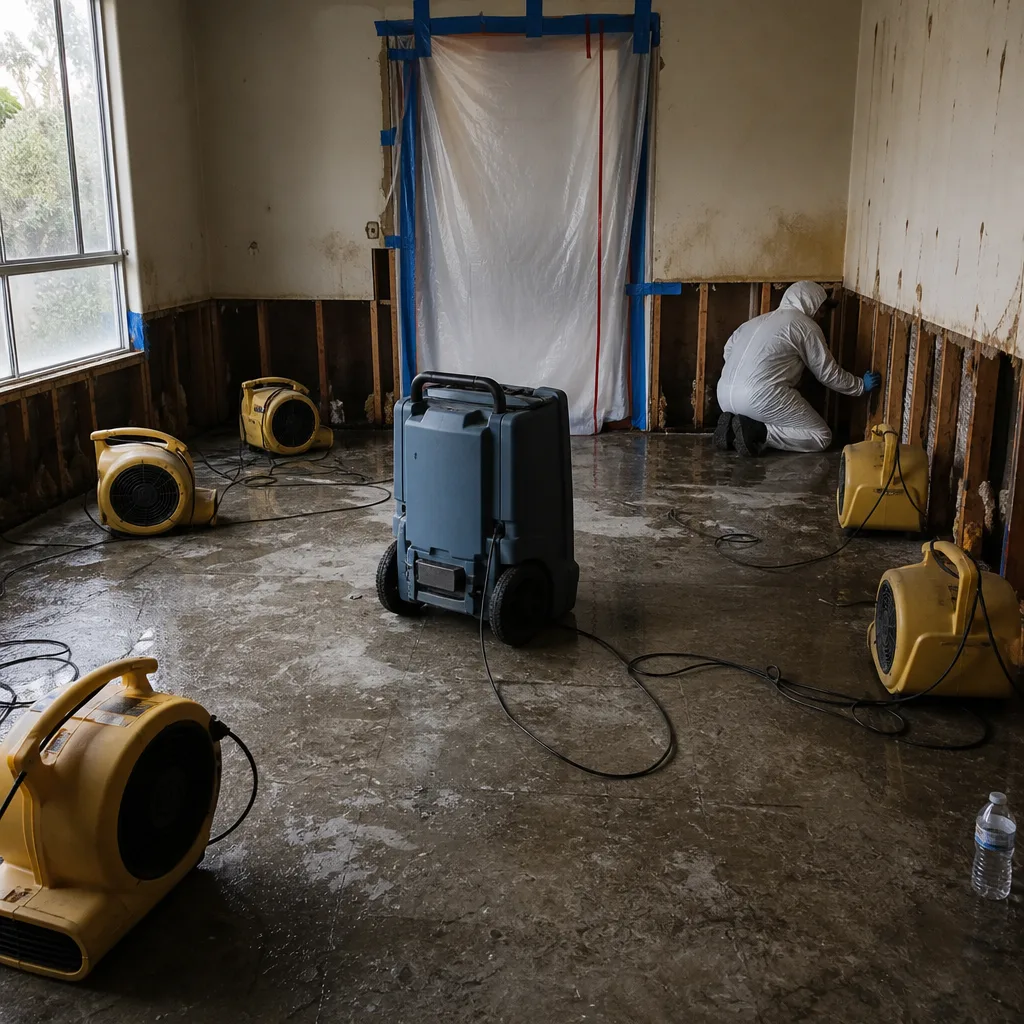
California’s asbestos and lead regulations operate parallel to building permits and are frequently more restrictive. For homes built before 1978 - which describes a significant portion of Santa Monica’s housing stock, particularly in neighborhoods like Ocean Park and Sunset Park - restoration work cannot proceed legally without addressing these requirements.
Asbestos (Cal/OSHA Title 8, Section 1529):
Any building material suspected of containing asbestos must be sampled and analyzed before disturbance. In restoration, this affects:
- Drywall joint compound and texture coats (common asbestos-containing materials)
- Vinyl floor tiles and mastic adhesives
- Pipe insulation and boiler wrap, common in older Santa Monica bungalows
- Stucco and exterior cementitious materials
If asbestos is present at concentrations above 0.1%, Cal/OSHA requires a registered asbestos contractor for removal, negative air containment, worker respiratory protection, and waste manifesting to an approved disposal facility. The documentation - survey report, abatement plan, air clearance sampling, and waste manifests - must be included in the restoration file for insurance and resale purposes.
Lead (EPA RRP Rule, Cal/OSHA Title 8 Section 1532.1):
Renovation, repair, and painting work disturbing more than 6 square feet of interior surface or 20 square feet of exterior surface in pre-1978 housing requires EPA Lead-Safe Certification and specific work practices. This threshold is easily exceeded in water damage restoration involving baseboard-to-baseboard drywall removal.
Required documentation includes:
- Lead hazard evaluation or presumption of lead
- Notification to occupants using EPA-approved forms
- Containment and dust suppression logs
- Cleaning verification or clearance testing records
- Retention of records for three years post-project
We’ve encountered restoration contractors in Santa Monica who treat asbestos and lead as “environmental” issues separate from the restoration scope. They’re not. A water damage job with asbestos-containing drywall requires an asbestos abatement contractor to remove the drywall before our drying equipment can be positioned. The sequencing adds days but avoids a Cal/OSHA citation that voids insurance coverage and exposes the homeowner to liability.
Our photo documentation on every visit includes pre-disturbance material sampling records, and our written scopes identify asbestos and lead testing as line items with their own pricing. This transparency is why insurers pay our invoices without dispute - the file is complete before the first dehumidifier from B-Air or XPOWER is plugged in.
How Permit Status Affects Future Insurance Claims
This is where the permit question becomes a coverage question. California insurance policies contain standard language excluding damage arising from “faulty, inadequate, or defective construction, repair, or maintenance.” An unpermitted structural repair fits this exclusion precisely.
Closed permit with final inspection:
The permit file becomes evidence that repairs met code at the time of completion. If a subsequent loss occurs - say, water intrusion at a previously repaired window - the insurer cannot deny the claim solely because the prior repair was “defective.” The municipal inspection shifts burden of proof.
Open or never-pulled permit:
The insurer may deny coverage for any loss traceable to the unpermitted work. We’ve seen this in Santa Monica specifically - one of several Damage Restoration Warning Signs: A Santa Monica Homeowner’s Reference Guide - where a homeowner with a previous bathroom leak had the subfloor replaced without permit. Two years later, a second leak caused visible damage. The insurer denied the claim, citing the unpermitted subfloor repair as the proximate cause, and the homeowner had no inspection record to rebut the exclusion.
Resale disclosure obligations:
California Civil Code Section 1102 requires disclosure of “any room additions, structural modifications, or other alterations or repairs made without necessary permits.” This appears on the Transfer Disclosure Statement every buyer receives. An unpermitted restoration repair disclosed here becomes a negotiation point, often costing the seller more than the original permit would have.
Our 365-Day Done Right Promise under The Haven Standard includes permit compliance verification. If we perform structural repairs, we deliver the closed permit and final inspection sign-off as standard documentation, not as an upsell. This is why our files withstand insurer scrutiny - and why a DryMark Restoration Santa Monica home inspection record adds value at resale.
How to Verify Permit Status on a Santa Monica Property
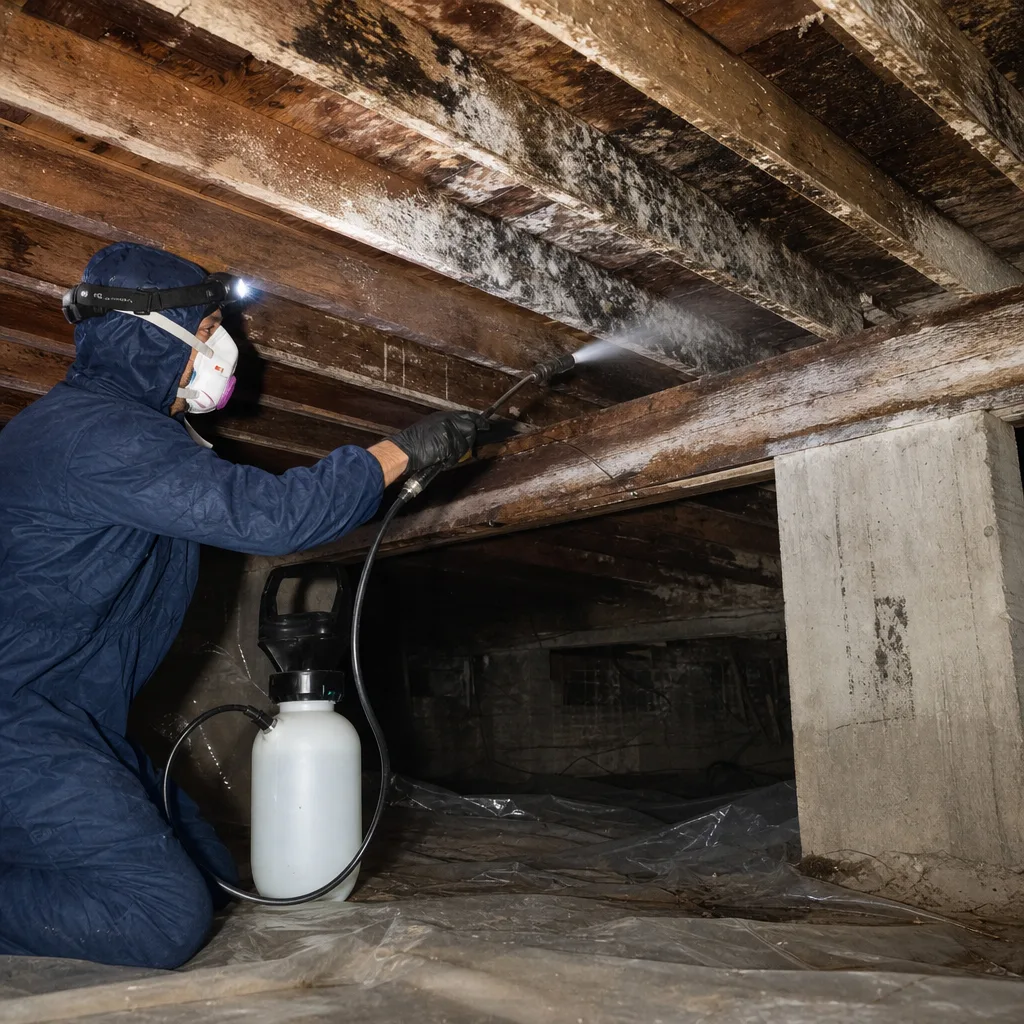
Before purchasing a home or filing a claim on a previously repaired area, verify the permit history. Santa Monica provides multiple access methods.
Online verification:
- Visit the Santa Monica e-Plan Review portal at smgov.net/departments/building-safety
- Search by property address or APN (Assessor’s Parcel Number)
- Review permit history, including issued permits, inspection status, and any code enforcement cases
- Request a “permit history letter” for formal documentation, typically available within 3-5 business days for a fee
In-person verification:
Visit City Hall, 1685 Main Street, 3rd Floor. The counter staff can pull permit records and explain status codes. Bring the property address and, if possible, the APN from the county assessor.
What to look for:
- Permits matching the scope of prior restoration work (water damage, fire repair, mold remediation)
- Final inspection sign-off dates - an issued permit without final inspection is functionally equivalent to no permit
- Code enforcement cases, which indicate work was performed without permit and discovered later
- Corrections or reinspection records, which may indicate quality issues
Red flags in permit history:
- Restoration work visible in the property but no corresponding permit
- Permit issued but “expired” without final inspection
- Permit scope narrower than visible repairs (e.g., permit for “drywall repair” but structural beams were clearly replaced)
We perform permit verification as part of our Free Second Opinion service on any competitor’s written estimate, a step also covered in our How to Hire a Damage Restoration Contractor in Santa Monica: A Step-by-Step Guide. If you’re considering a home purchase in Santa Monica, we recommend this step specifically - the coastal climate accelerates deterioration of concealed repairs, and unpermitted work in ocean-adjacent neighborhoods often involves moisture barriers that were never inspected.
How Permits Affect Drying and Rebuild Scheduling
The practical impact of permit requirements on restoration timelines is where documentation discipline separates professional operations from improvised ones. A permit delay mid-project is expensive - equipment rental extends, temporary housing costs accumulate, and moisture conditions can reestablish.
Standard sequencing with permits:
- Emergency mitigation (no permit required): Water extraction, controlled demolition to expose wet materials, equipment placement for structural drying. Our Phoenix and Dri-Eaz dehumidifiers and air movers run during this phase, with daily moisture logs documenting psychrometric data - temperature, relative humidity, and vapor pressure differential (the force that actually drives moisture from materials into the air).
- Permit application and plan check: Submitted concurrently with drying. For straightforward repairs, we often receive approval before drying completes. Complex structural repairs may require engineer involvement, extending this phase.
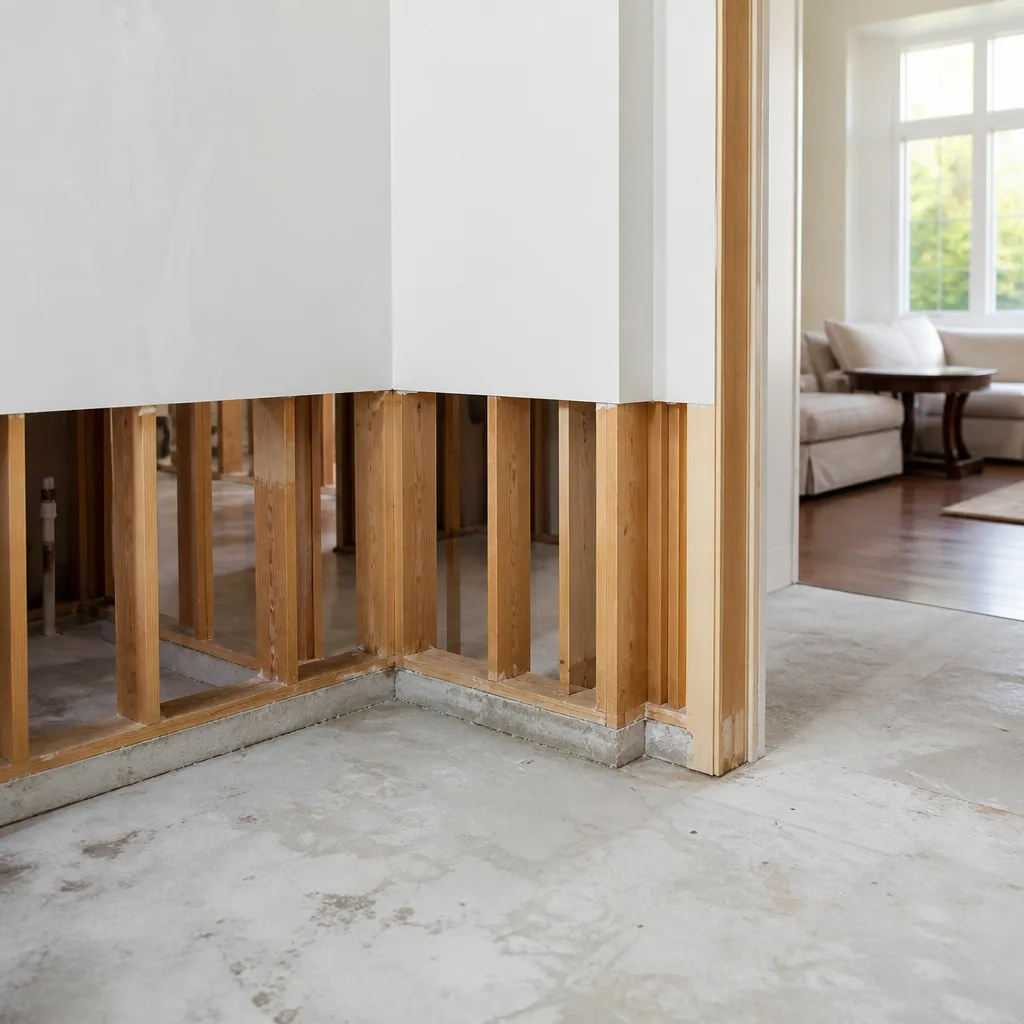
- Rough inspection: Conducted with structural, electrical, plumbing, or mechanical systems exposed but before enclosure. In Santa Monica, this typically requires 24-48 hours advance scheduling. We coordinate rough inspections to occur immediately upon drying completion, minimizing the “open wall” period.
- Drying verification and enclosure: Post-inspection, final moisture readings confirm materials are within acceptable ranges per IICRC S500 standards. Drywall, insulation, and finishes are reinstalled.
- Final inspection and sign-off: Confirms completed work matches approved plans and code requirements. The closed permit is delivered to the homeowner.
What goes wrong without permit planning:
A contractor dries a structure, reinstalls drywall, and only then discovers the electrical repair inside requires inspection. The drywall must be removed for access, the inspection scheduled, and the drywall reinstalled again. In Santa Monica’s marine climate, this extra week of open wall cavity risks secondary moisture absorption from humid coastal air.
Our project timelines include permit milestones as critical path items, not afterthoughts. The written scope delivered before work begins under Haven Standard, Clause 1, identifies each permit requirement and its estimated timeline. This is how we maintain the drying schedule that prevents microbial growth - a particular concern in Santa Monica, where summer marine layer humidity regularly exceeds 80%.
On Fire & Smoke Damage Restoration in Santa Monica jobs, permit sequencing is even more critical. Fire-damaged electrical and HVAC systems often require complete replacement, with rough inspections needed before any finishes can be installed. Our documentation includes permit application confirmations and inspection scheduling records, so insurers can verify that code compliance was achieved before final payment.
Common Mistakes to Avoid
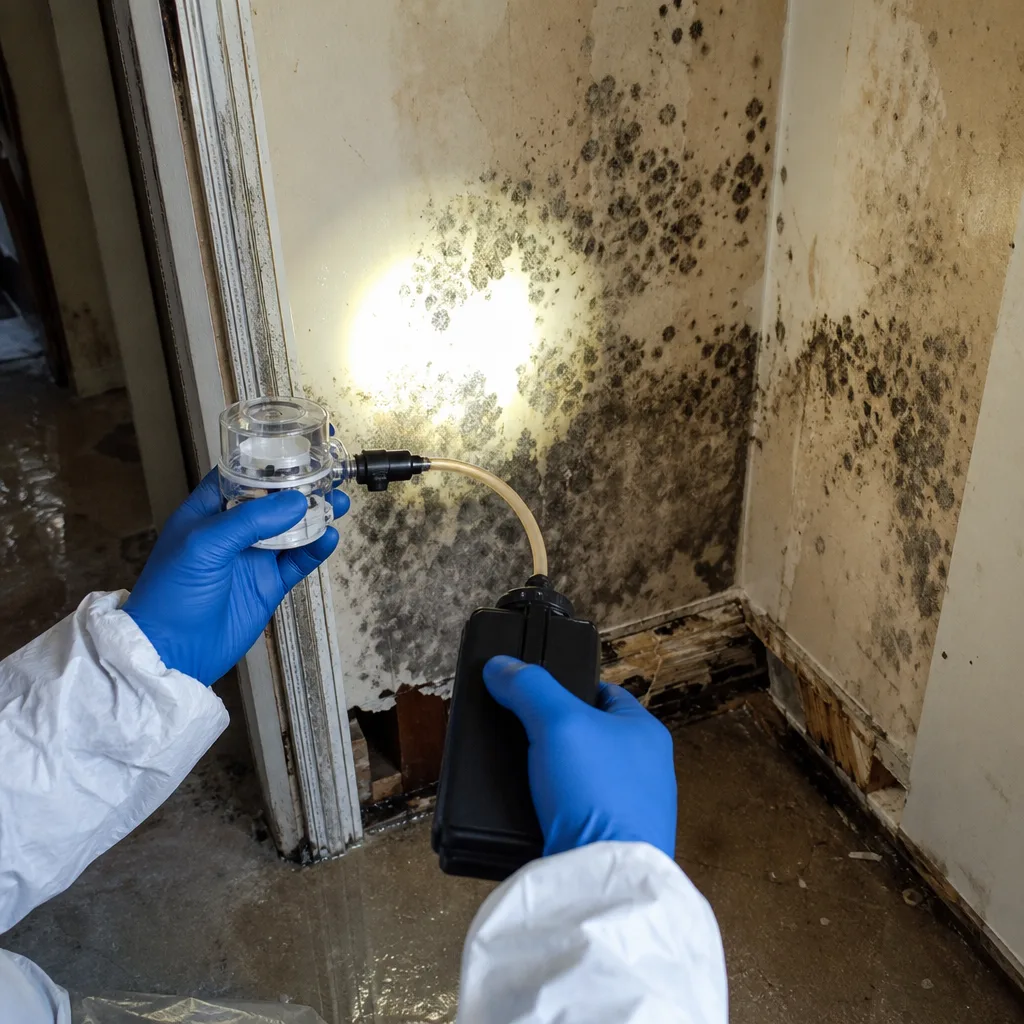
- Accepting a contractor’s verbal assurance that “no permit is needed.” Verify independently through Santa Monica Building & Safety. The contractor won’t be the one explaining unpermitted work to a buyer’s inspector or denied insurer.
- Starting emergency work without documenting pre-loss conditions. Photos, moisture readings, and material samples taken before any disturbance support both insurance claims and permit applications. Our standard protocol includes this documentation before equipment from XPOWER or Injectidry systems is deployed.
- Assuming insurance restoration is exempt from permits. The funding source doesn’t change code requirements. Insurers increasingly require permit documentation before releasing depreciation holdbacks.
- Ignoring Santa Monica’s specific energy code requirements. Replacing windows, insulation, or HVAC equipment must meet Title 24 standards, which are stricter than many inland jurisdictions. A permit application without energy compliance documentation will be rejected.
- Failing to obtain final inspection sign-off. An issued permit without final approval is an open permit, which appears in property records as incomplete work and triggers the same disclosure obligations as unpermitted work.
- Neglecting asbestos and lead documentation in pre-1978 homes. Cal/OSHA violations are personal liability for the property owner, not the contractor, if proper notification wasn’t given. Our scopes include these line items explicitly.
- Not verifying permit status before purchasing a Santa Monica property. The e-Plan Review portal is free to search. A 10-minute review can reveal $50,000 in undisclosed unpermitted work.
When to Call a Professional
Call a restoration professional when any structural, electrical, plumbing, or mechanical system is affected by water, fire, mold, or storm damage - not because the work is beyond a capable homeowner, but because the permit, documentation, and inspection requirements are beyond what most homeowners have time to navigate correctly - a topic we explore in our DIY vs Professional Damage Restoration: The Santa Monica Homeowner’s Decision Guide. The cost of a permit error compounds at resale or at the next claim.
Specific scenarios requiring immediate professional assessment: water damage affecting more than one room or level, fire damage with visible structural compromise, mold remediation exceeding 10 square feet (Cal/OSHA threshold for professional abatement), any sewage backup, and storm damage to roofing or exterior envelope. In each case, the documentation protocol matters as much as the repair quality.
DryMark Restoration Santa Monica offers free estimates in Santa Monica - call (213) 816-0810. Every estimate includes a permit determination checklist and, for Mold Remediation in Santa Monica and other services, a written scope with line-item pricing before any work begins, per Haven Standard, Clause 1.
Frequently Asked Questions
Most California homeowners policies include “code upgrade” or “ordinance and law” coverage that specifically addresses permit fees and code-compliant repair costs above like-kind replacement. This coverage is typically limited to 10-25% of the dwelling limit and must be explicitly endorsed. Check your declarations page for “Coverage B” or “Ordinance or Law” line items. If your policy lacks this endorsement, permit fees become out-of-pocket costs. Call (213) 816-0810 and we’ll review your estimate for permit-related line items that should be included in the claim.
Emergency permits for hazardous conditions can be issued same-day at Santa Monica City Hall. Standard repair permits typically require 3-5 business days for review if no plan check is needed. Alterations requiring structural or energy review take 10-15 business days, or 3-5 days with express plan check fees. Inspections are generally available next business day once work is ready. Our project managers coordinate permit timelines with drying schedules to prevent equipment rental extensions.
Surface water you can see is rarely the full problem. Water migrates through wall cavities, under flooring, and into structural voids where it remains undetected without moisture detection equipment. Our documented protocol includes thermal imaging and penetrating moisture meters to map the full extent. In Santa Monica’s coastal climate, residual moisture above 16% wood moisture content risks mold colonization within 48-72 hours. Self-cleaning without documentation also eliminates your ability to prove the loss scope to insurers. We provide a written assessment at no charge.
We do. Our documentation - photo records, moisture logs, written scopes, and permit applications - is formatted specifically for adjuster review. We coordinate directly with your adjuster to justify code upgrade coverage, permit fee inclusion, and compliance documentation. This direct coordination is standard on every job, not an additional service. The daily drying logs from our Dri-Eaz and Phoenix equipment become the evidence that converts estimates into approved payments.
You have several options depending on timing. If discovered during escrow, request permit retroactivation - a process where the city reviews the work for code compliance and issues a permit if it passes inspection. This often requires opening walls or other finishes for access. If discovered post-purchase, you may have a claim against the seller for nondisclosure under California Civil Code Section 1102, or against inspectors who missed visible evidence. Document everything and consult a real estate attorney. We offer permit verification as part of our assessment services.
Mold remediation itself does not require a building permit unless it involves structural repair, electrical, plumbing, or HVAC work. However, Cal/OSHA regulations require specific documentation for remediation exceeding 10 square feet in commercial properties or any amount in schools. For residential properties, the critical documentation is the post-remediation clearance sampling proving airborne spore counts have returned to background levels. Our mold remediation includes third-party clearance documentation as standard, and we coordinate with Santa Monica Building & Safety if structural repairs are needed following remediation.
The Bottom Line
California restoration permits are not administrative friction - they are the documentation that proves your repair was inspected, code-compliant, and insurable. In Santa Monica’s regulated coastal environment, permit compliance affects everything from drying schedules to resale value to coverage continuity. The contractor who skips permitting transfers liability to you permanently. The contractor who documents properly - written price before work, photo record on every visit, closed permit with final inspection - delivers a file that protects your claim, your sale, and your next insurance renewal. That’s the standard we built The Haven Standard to maintain.
Written by Alicia Brennan, Owner at DryMark Restoration Santa Monica, serving Santa Monica since 2011.