
Last updated September 23, 2026
Free visual inspection and a written scope of work before any mitigation begins - photos, moisture readings, and drying logs go in your claim file
The scope we write is the scope we bill. Anything new gets shown to you, in writing, before we touch it.
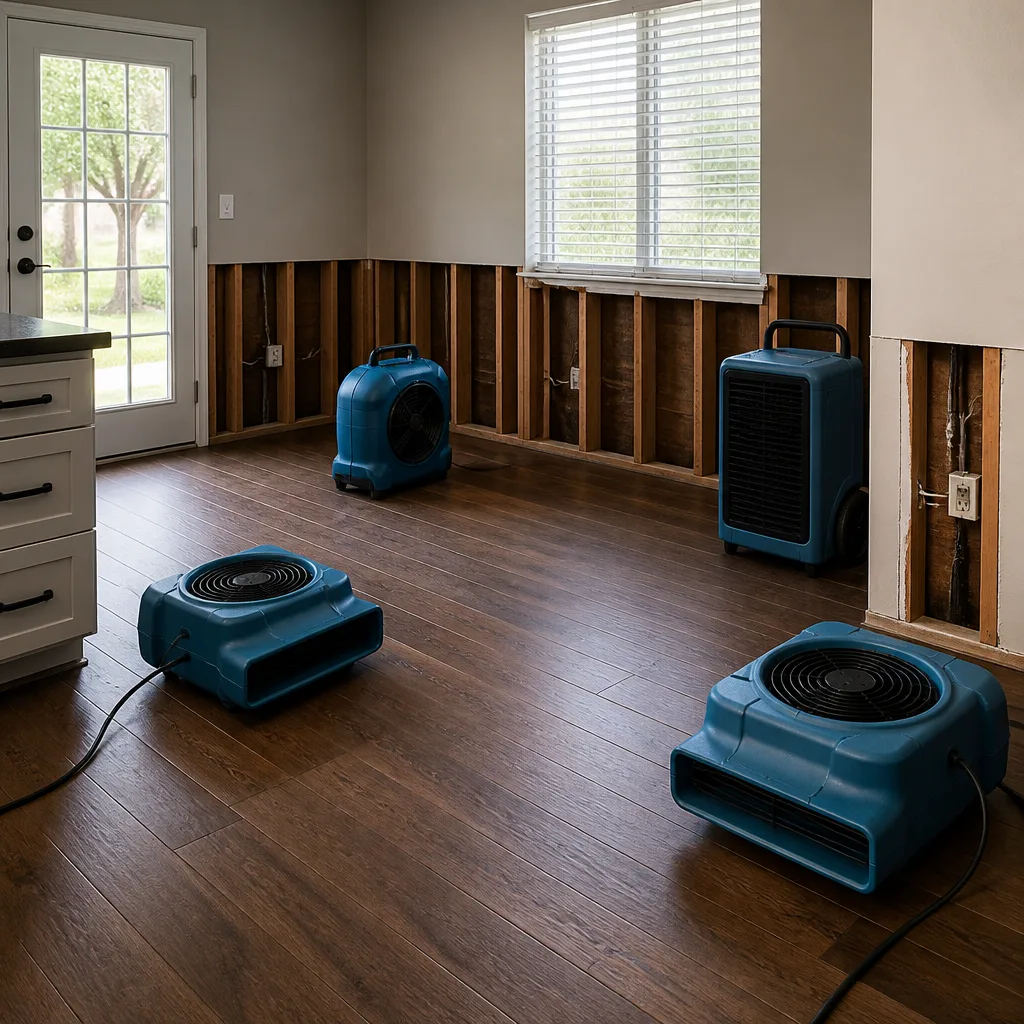
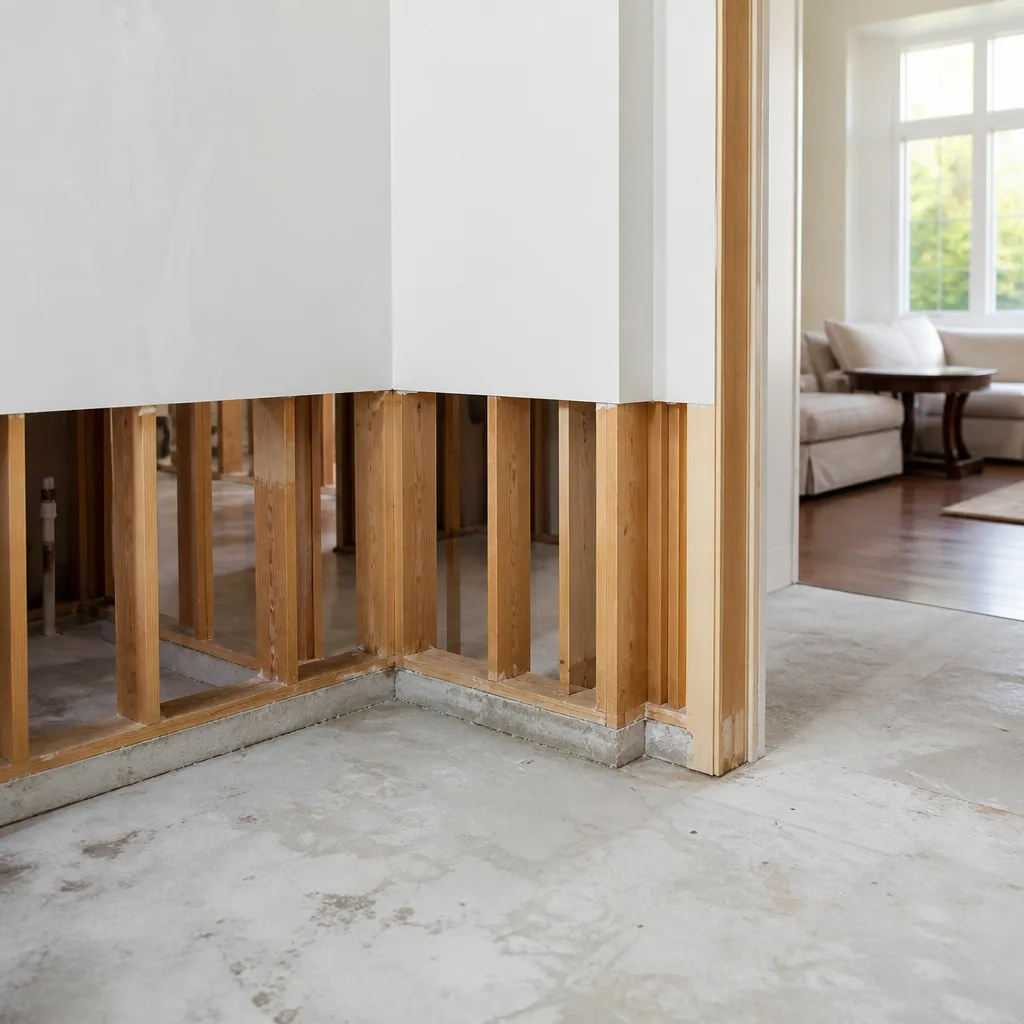
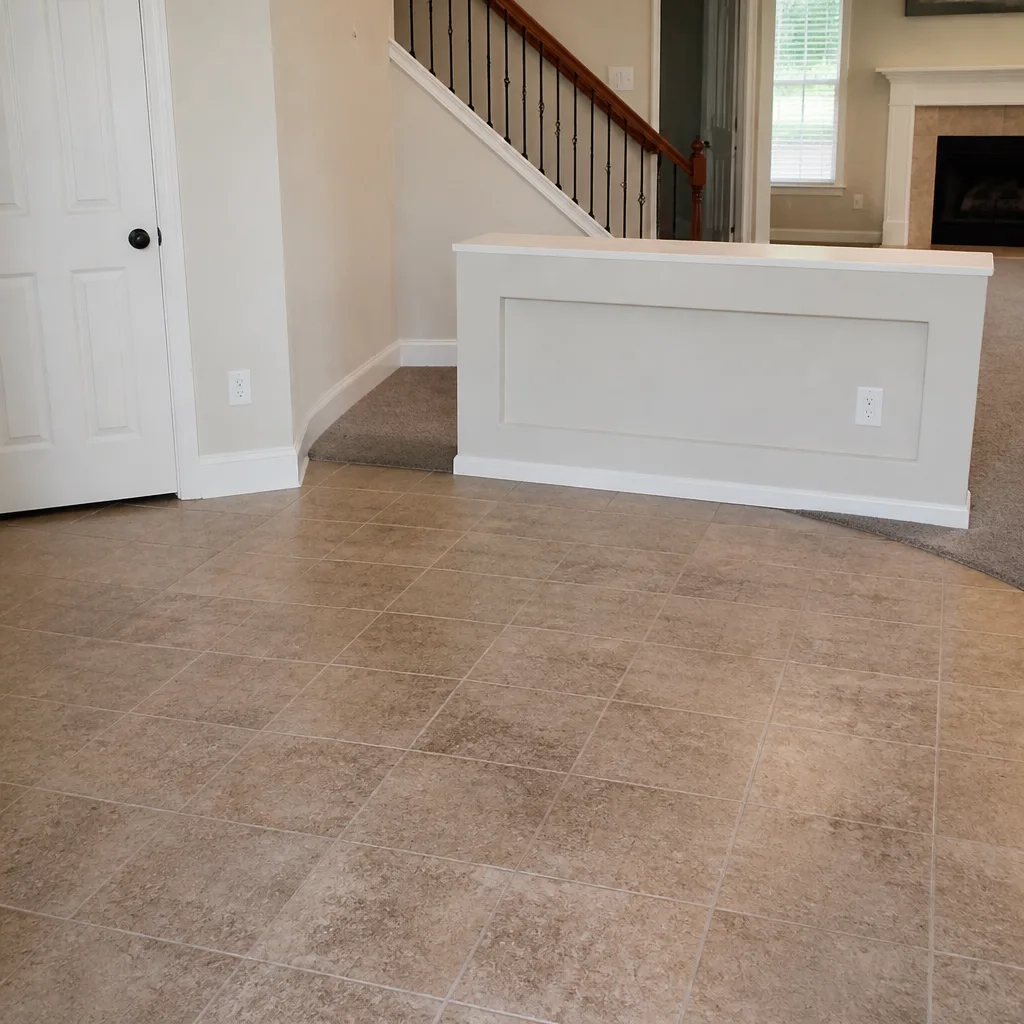
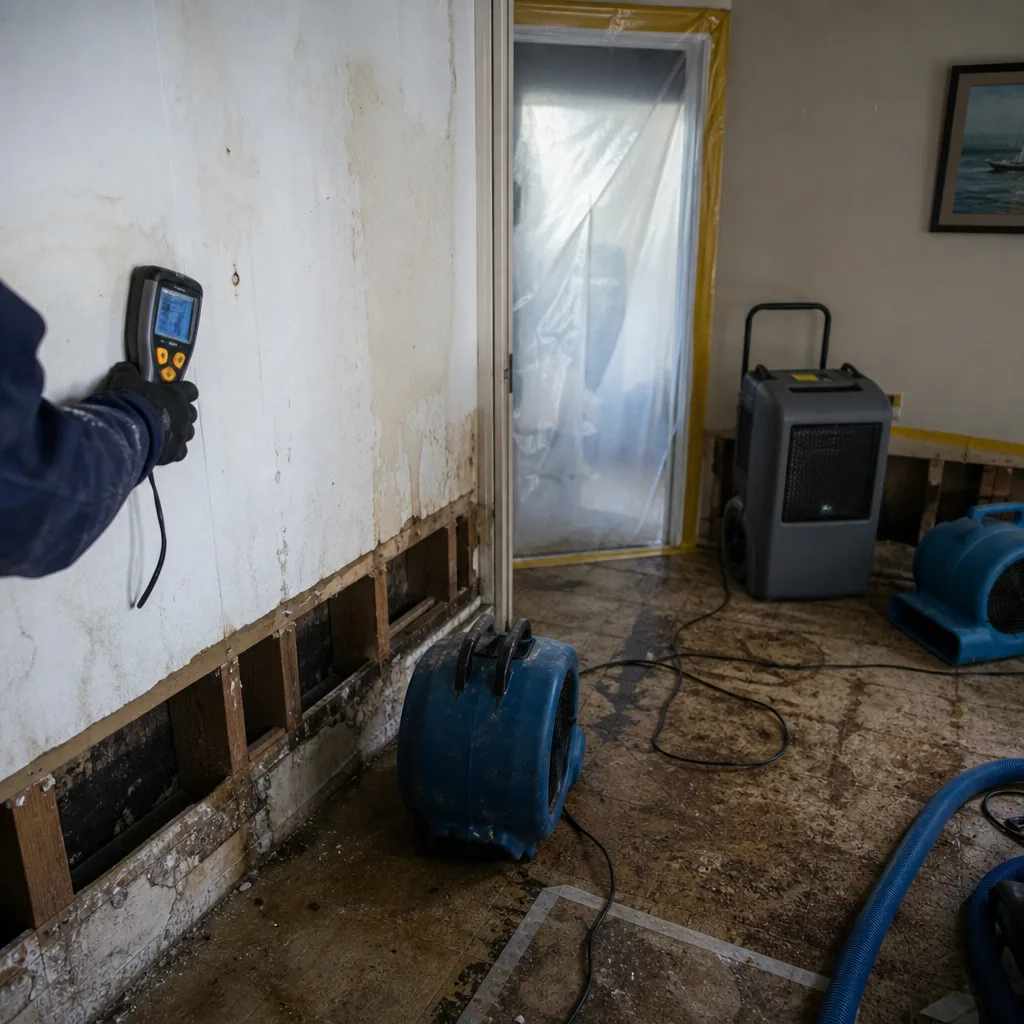 Before
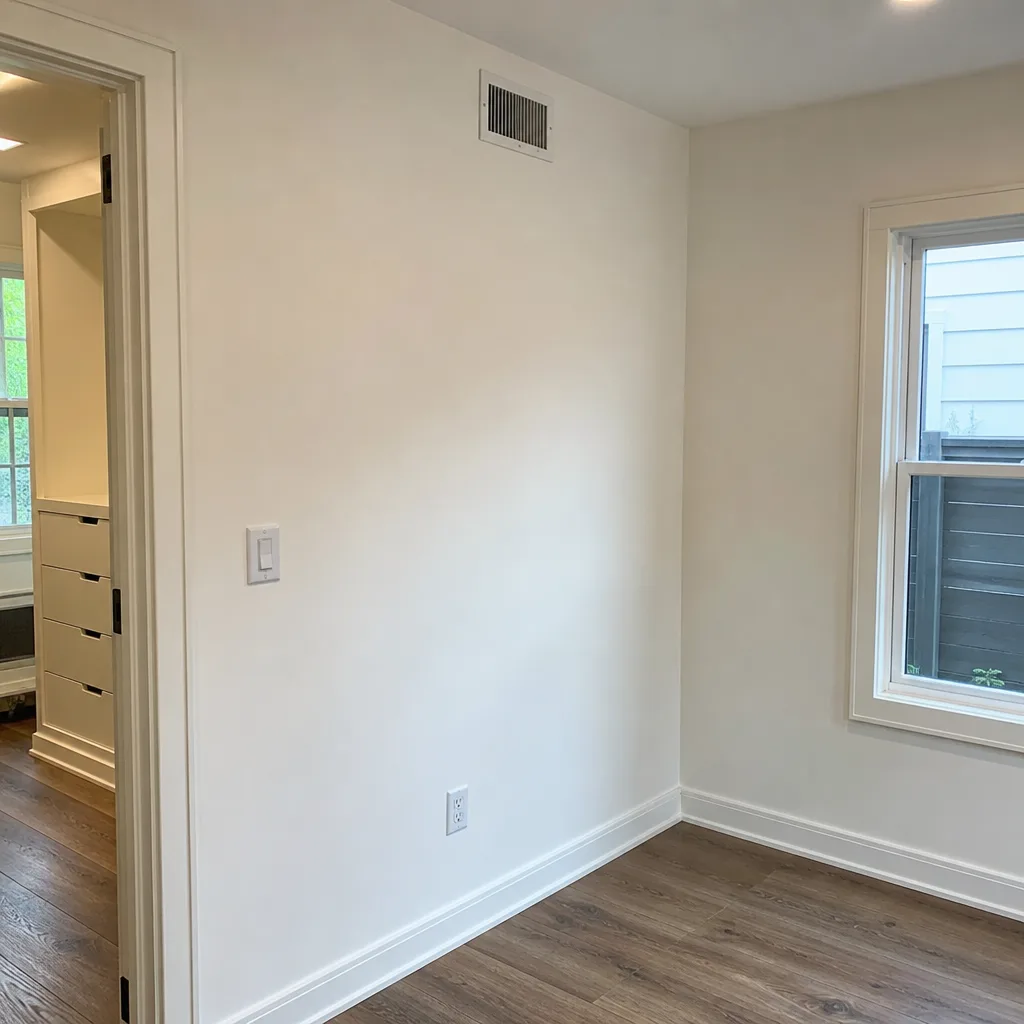 After
After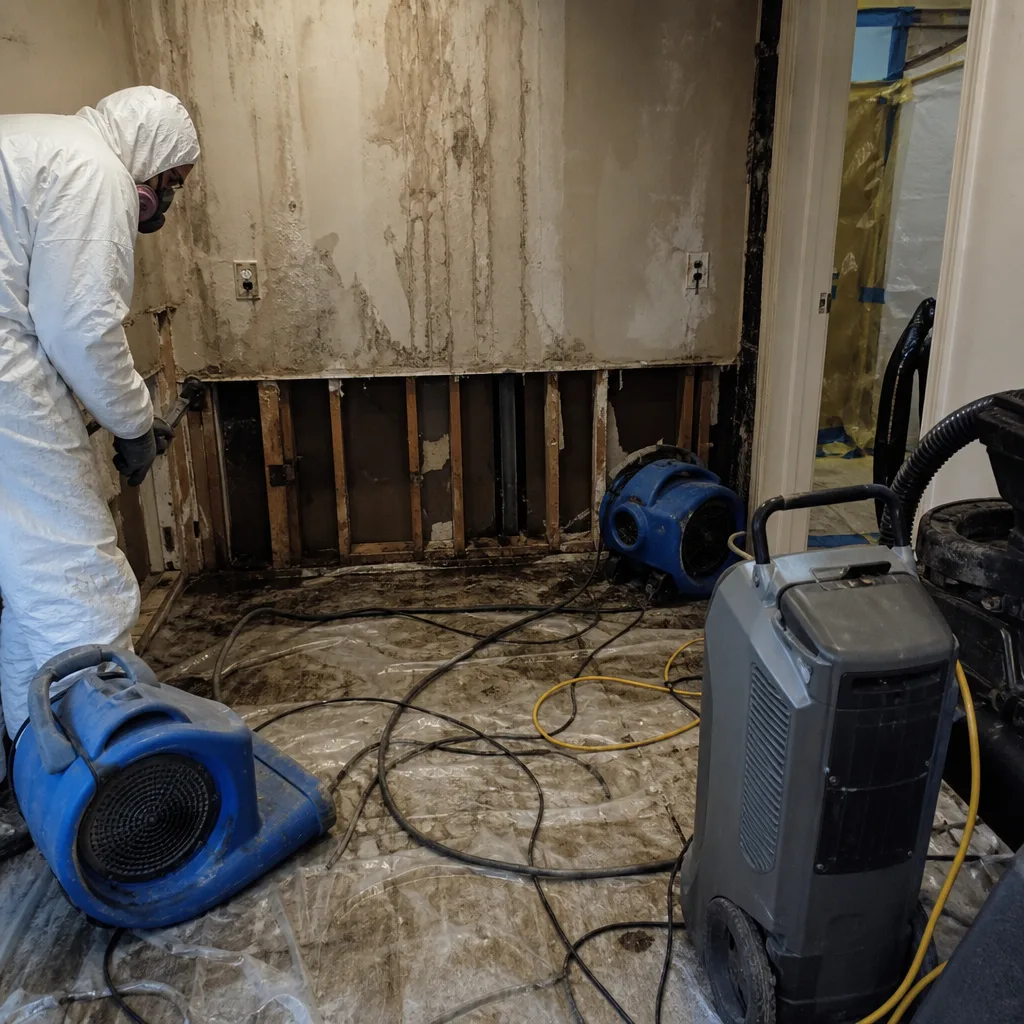 Before
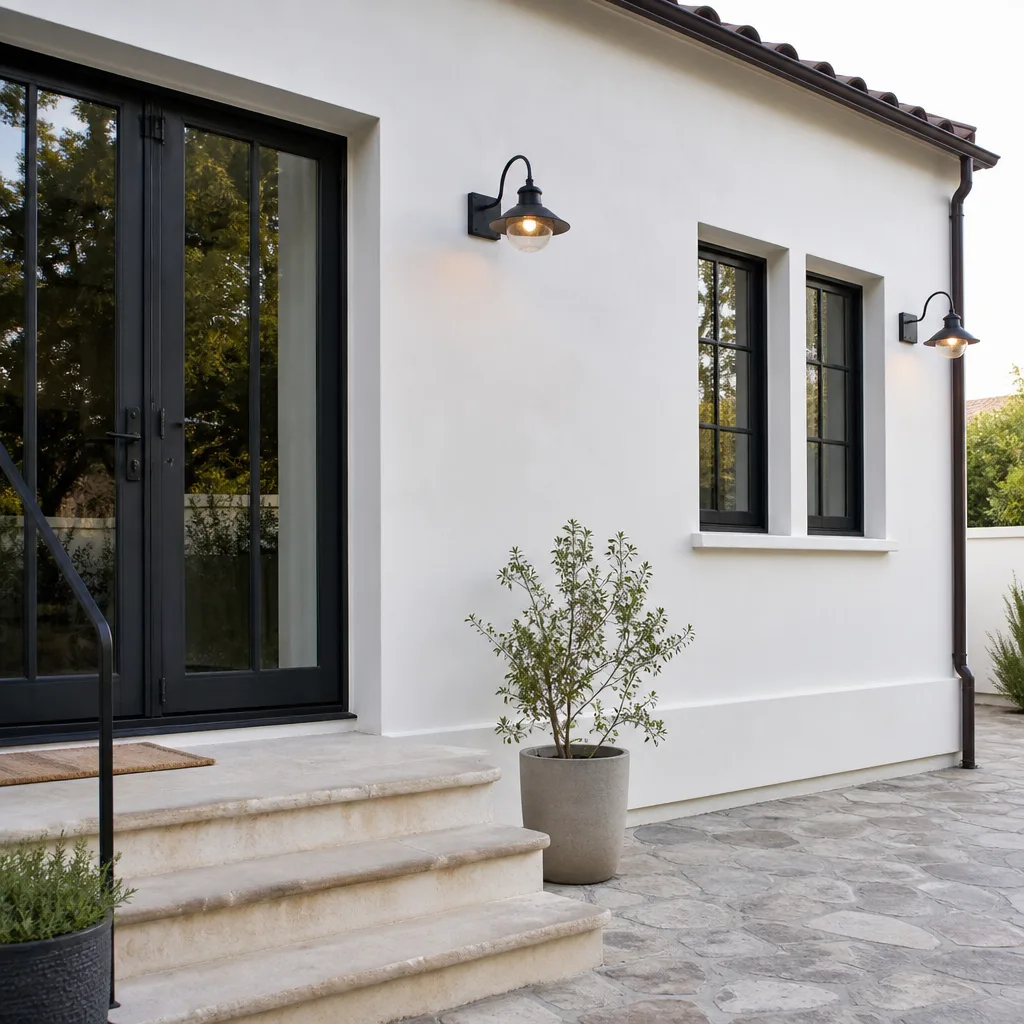 After
After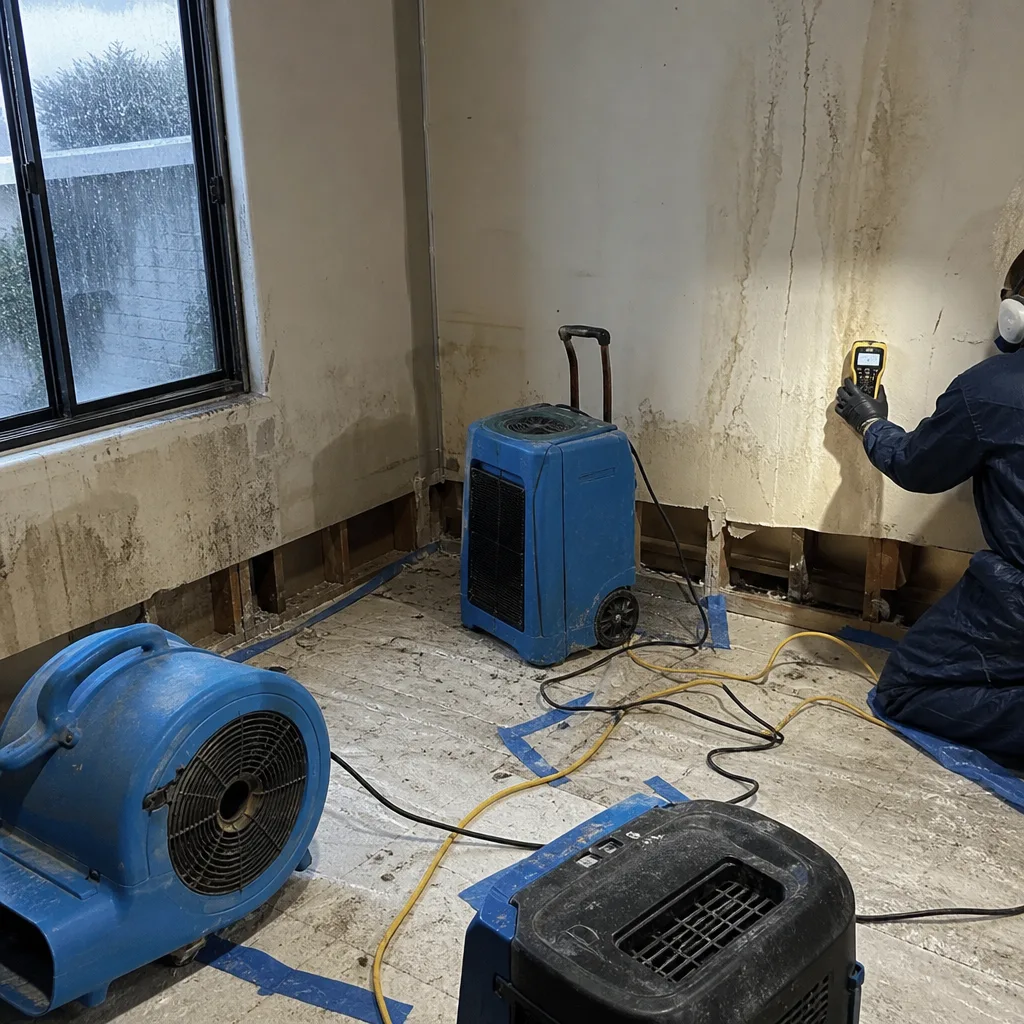 Before
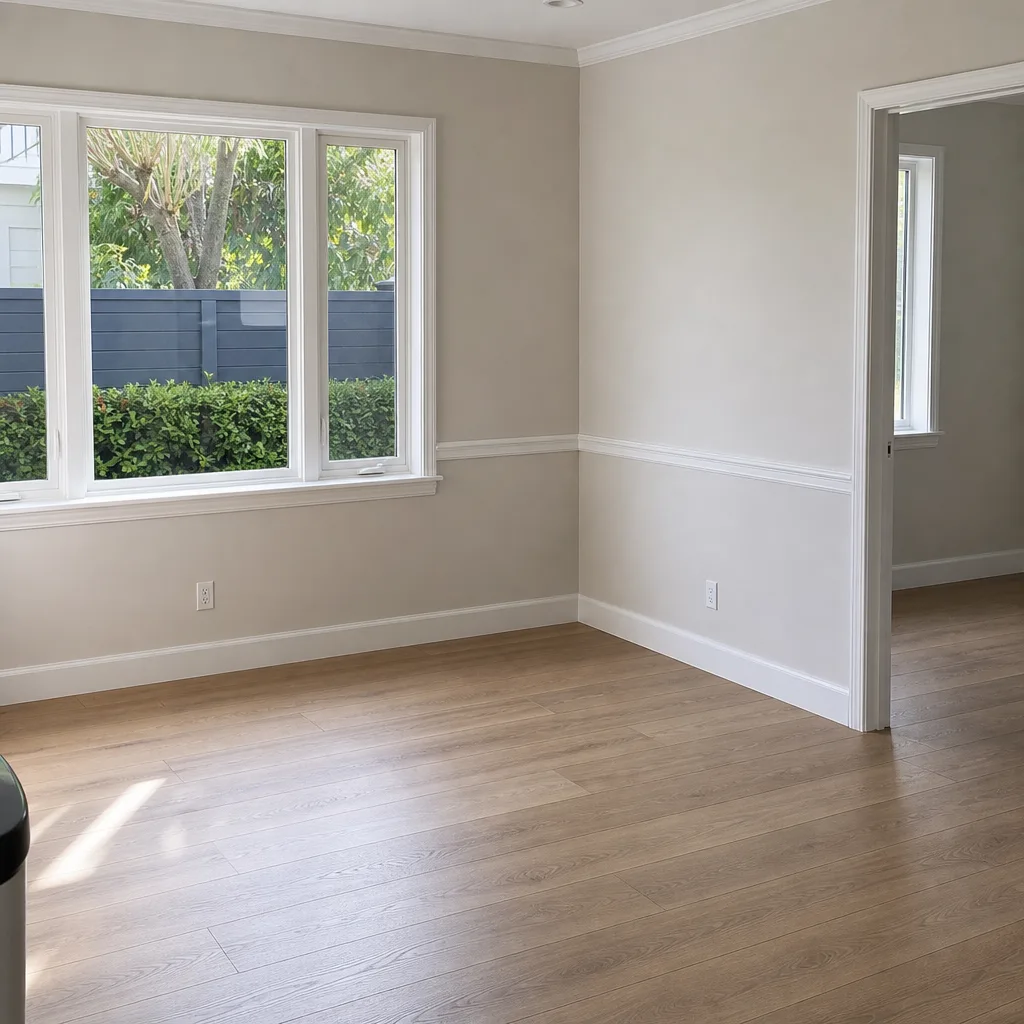 After
AfterDIY vs Professional Damage Restoration: The Santa Monica Homeowner’s Decision Guide
California law does not require a homeowner to hire a licensed contractor for their own property - but California insurers are not required to pay a claim that lacks the documentation standard they’ve written into the policy, and a consumer-grade dehumidifier has no data log an adjuster will accept. In Santa Monica, where median home values sit well above the state average and even modest water losses can reach five figures, the question is not whether you’re capable of running a wet/dry vacuum. It’s whether you’re willing to absorb the full cost if your documentation fails at claim time. This guide draws the line at the documentation threshold, not the skill threshold. You’ll learn exactly where DIY ends and professional documentation begins, what California licensing law actually says about who can do what, and how to protect yourself if you choose either path.
Quick Answer
DIY damage restoration is appropriate only for surface-only Category 1 water losses under 10 square feet with no structural penetration, provided you document every step with timestamped photos and written notes. For anything larger, deeper, or involving Category 2 or 3 water, professional restoration is necessary because insurers require IICRC-standard drying logs, calibrated psychrometric readings, and third-party photo documentation to pay supplemental claims - none of which consumer equipment produces. See our Water Damage Restoration Maintenance Checklist for Santa Monica Homeowners for what proper documentation actually looks like.
Table of Contents
- Where DIY Ends: The Documentation Threshold
- California Licensing Law: What Homeowners Can (and Cannot) Do
- Water Damage Categories: A Decision Framework
- How to Document a DIY Restoration (If You Attempt One)
- The True Cost Comparison: DIY vs. Professional for a 200 Sq Ft Category 2 Loss
- How DIY Documentation Fails on an Adjuster’s Review Checklist
- What You Should Do Before Any Professional Arrives
- Santa Monica-Specific Factors: Climate, Codes, and Construction
 Before
 After
AfterWhere DIY Ends: The Documentation Threshold
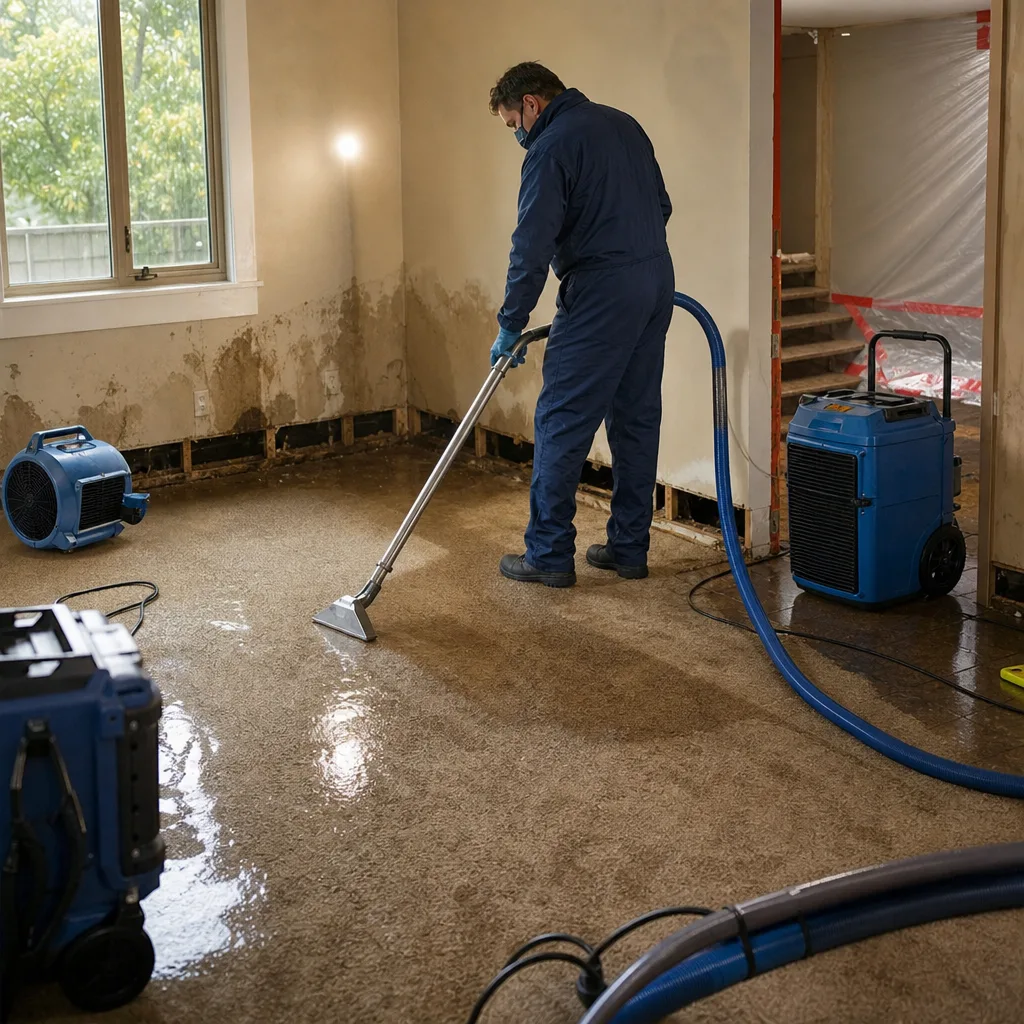
The restoration industry draws a bright line that most homeowners never see until it’s too late. On one side: the physical work of extracting water, removing damaged material, and running drying equipment. On the other: the documentation that transforms that work into a verifiable insurance claim.
We have seen this divide from both sides. DryMark Restoration Santa Monica was founded in 2011 by a former claims adjuster who built the company around the documentation gap that costs homeowners their claims. In 12,000+ homes restored since then, the pattern repeats: the homeowner who self-remediated a loss, then filed a supplemental claim months later when mold appeared or floors cupped, only to learn their insurer classified the original loss as “incomplete drying - policyholder responsibility.”
The documentation threshold consists of four elements no DIY restoration can reliably produce:
- Calibrated psychrometric readings - measurements of temperature, relative humidity, and vapor pressure differential taken with a thermo-hygrometer traceable to NIST standards, recorded daily until the structure reaches equilibrium. Psychrometric data, simply put, is the mathematical description of how moisture moves through air and materials; without it, an adjuster cannot verify that drying conditions were maintained.
- IICRC-standard drying logs - daily records of equipment placement, moisture content readings at specific depths in specific materials, and adjustments to the drying plan based on that data. IICRC, the Institute of Inspection Cleaning and Restoration Certification, publishes the S500 Standard for water damage restoration that most insurers reference in policy language.
- Third-party photo timestamps - images with verifiable metadata showing condition at arrival, during work, and at completion, stored on a system the adjuster can audit. A phone photo’s EXIF data can be disputed; professional documentation systems use cloud-based timestamping that courts and insurers accept.
- Written scope with material classifications - a line-item description of every affected material by trade name and classification (Class 1, 2, 3, or 4 water damage; Category 1, 2, or 3 water), signed before work begins. This is Haven Standard, Clause 1: written price before work starts, every time, with no exceptions.
Consumer-grade dehumidifiers, even those rated for “basement” or “flood” use, do not log data. They do not measure vapor pressure differential. They do not produce a record an adjuster can cross-reference against the drying standard the policy requires. A homeowner can buy the same brand of equipment we deploy - Dri-Eaz, Phoenix, XPOWER - but the rental unit lacks the data-logging module, and the homeowner lacks the training to interpret what it would record.
This is why we say the question is not about capability. It’s about what you’re willing to lose if the documentation fails.
California Licensing Law: What Homeowners Can (and Cannot) Do
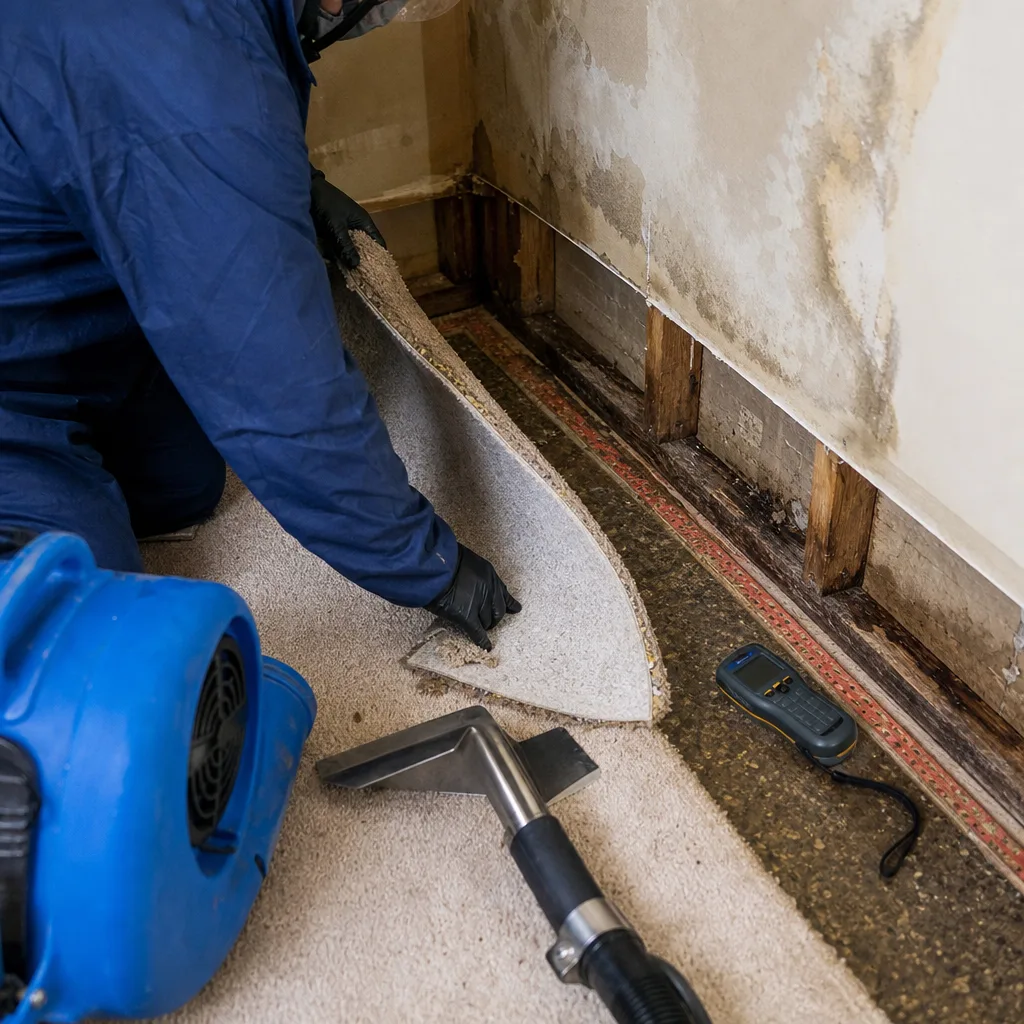
California Business and Professions Code Section 7044 allows a homeowner to perform construction work on their own single-family dwelling without a contractor’s license, provided the work does not involve structural modifications requiring a permit. This is the legal foundation for DIY restoration: you may extract water, remove drywall, run fans, and replace finish materials on your own home without licensing.
The same statute, however, creates a sharp distinction that trips many Santa Monica homeowners. You may do the work yourself. You may not pay an unlicensed third party to do it.
Hiring an unlicensed contractor for water damage restoration work over $500 in labor and materials is a misdemeanor in California. More critically for the homeowner, it voids most insurance coverage for defective work and exposes the homeowner to full liability if that unlicensed worker is injured on the property. We have reviewed claims where a homeowner paid a handyman $800 to “dry out” a flooded guest bathroom, the handyman fell through a compromised subfloor, and the homeowner’s insurer denied both the injury claim and the subsequent mold damage as arising from unlicensed work.
The licensing line matters in Santa Monica particularly because of the city’s aging housing stock. Homes in Sunset Park, north of Montana, and the Ocean Park corridor often contain original lath-and-plaster walls, ungrounded electrical systems, and asbestos-containing joint compound in pre-1981 construction. Disturbing these materials without proper certification triggers Cal/OSHA notification requirements and EPA RRP rules. A licensed restoration contractor carries the certifications; a homeowner or unlicensed handyman does not, and the liability attaches to the property owner.
Professional restoration companies in Santa Monica must hold:
- California State Contractor’s License (B-General or C-61/D-64 for water damage restoration specialty)
- IICRC Water Damage Restoration Technician (WRT) certification
- IICRC Applied Structural Drying (ASD) certification for complex losses
- Asbestos Hazard Emergency Response Act (AHERA) certification if pre-1981 materials may be affected
- General liability and workers’ compensation insurance, with certificates available on request
At DryMark Restoration Santa Monica, our license number is on every estimate, every work order, and every piece of documentation we deliver. Background-checked, uniformed technicians arrive with credentials verifiable through the state database. This is not marketing. It is the minimum standard for a claim that will survive adjuster review.
Water Damage Categories: A Decision Framework
IICRC S500 defines three categories of water and four classes of damage. These classifications determine whether DIY is even legally and practically possible, and they appear on every adjuster’s initial review checklist.
Category 1: Clean Water
Water from a sanitary source - burst supply line, overflowing sink with no contaminants, melting ice maker line. Category 1 can become Category 2 or 3 within 24-48 hours if left untreated, as microbial growth and material degradation accelerate.
DIY appropriate only if: the loss is confined to a single, easily accessible area; less than 10 square feet of finished surface is affected; no water has penetrated to the subfloor, wall cavity, or insulation; and you can begin extraction within one hour of discovery. Even then, you must document with timestamped photos and written notes, and you must monitor for 72 hours for any sign of secondary damage.
Category 2: Gray Water
Water with significant contamination - dishwasher discharge, washing machine overflow, sump pump failure, aquarium rupture. Contains nutrients that accelerate microbial growth and may carry pathogens.
DIY is not recommended. Category 2 requires antimicrobial treatment, controlled demolition with proper containment, and verification that contamination has not spread to unaffected areas. The health risk is genuine, and the documentation burden for insurance is substantially higher. Professional water damage restoration in Santa Monica for Category 2 losses includes air scrubbing with HEPA filtration, negative air pressure containment, and post-treatment verification sampling.
Category 3: Black Water
Sewage, seawater intrusion, rising floodwater, or water from any source that has contacted ground or waste. Contains pathogenic, toxigenic, or other harmful agents.
DIY is inadvisable and may violate local health codes. Category 3 work requires full PPE, regulated waste disposal, and often permits from the Los Angeles County Department of Public Health. We handle sewage cleanup under protocols that satisfy both IICRC S500 and local health department requirements, with documentation that includes waste manifest numbers and disposal facility receipts.
Classes 1-4: The Penetration Scale
Class 1 affects minimal wet porous materials (less than 5% of combined floor, wall, and ceiling surface). Class 4 affects materials with low permeance or deep saturation, such as hardwood, plaster, concrete, or crawlspaces. Most Santa Monica homes with original hardwood floors or the concrete slab construction common in 1960s apartment conversions present Class 3 or 4 drying challenges that consumer equipment cannot address, which is why seasonal damage restoration care matters year-round for local homeowners. Tertiary drying, the final phase of moisture removal from dense materials, requires precise control of vapor pressure differential that rental dehumidifiers cannot achieve.
How to Document a DIY Restoration (If You Attempt One)
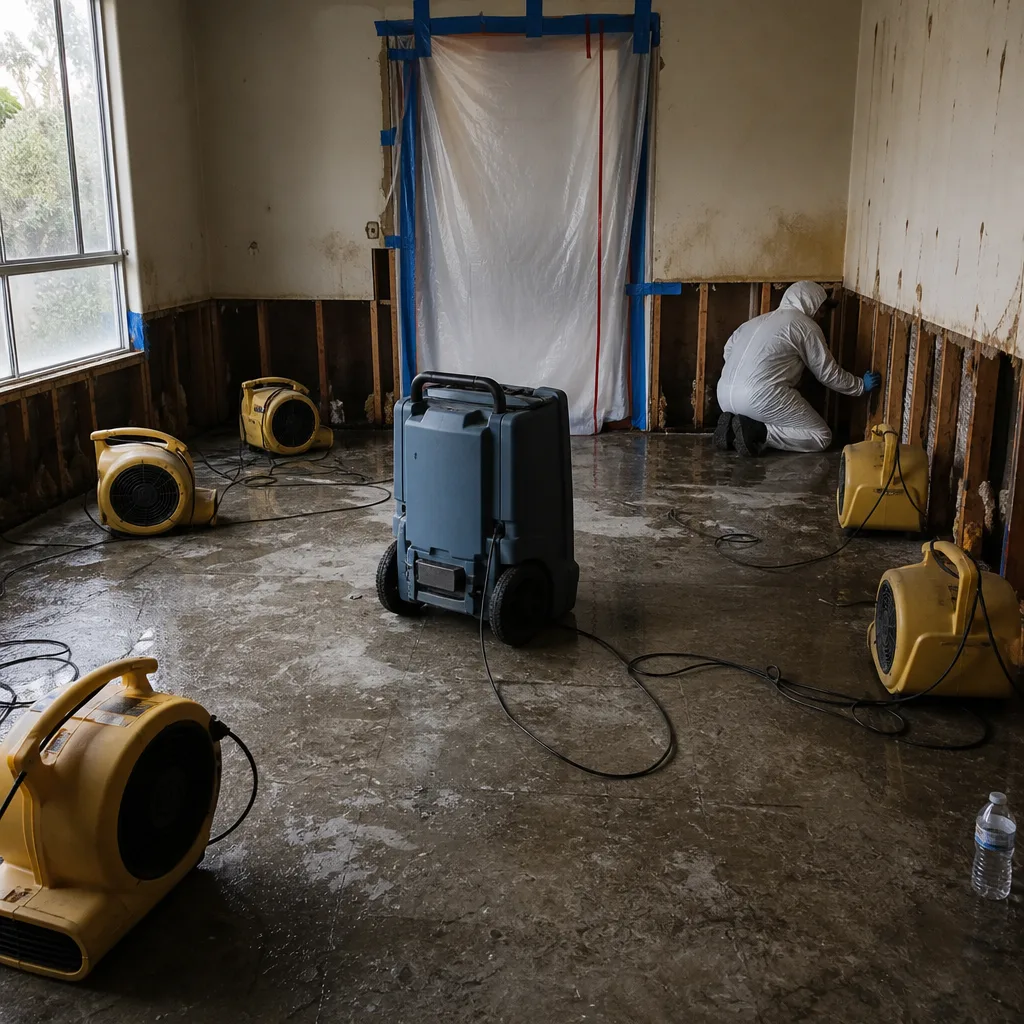
If you choose DIY for a qualifying Category 1, Class 1 loss, documentation is your only protection against a future claim denial. Here’s how to do it defensibly:
- Photograph everything before touching anything. Timestamped photos of the water source, the extent of visible water, affected materials, and adjacent unaffected areas. Use a camera app that embeds uneditable GPS and timestamp data, or email photos to yourself to create a third-party timestamp.
- Record the exact time of discovery and the exact time extraction began. Insurers calculate “response time” as a coverage factor. A gap of more than 24 hours between discovery and meaningful drying action often triggers a mold exclusion.
- Log every piece of equipment you use, with model numbers and hourly runtime. A consumer dehumidifier’s capacity (usually 30-70 pints per day) compared to the affected cubic footage will be scrutinized if you later claim the drying was adequate.
- Take daily moisture readings with a pin-type moisture meter. Document readings at the same locations each day until they return to within 2-4% of a known dry standard for that material. Wood flooring should read 6-12%; drywall 5-12%; concrete subfloors below 4% calcium chloride equivalent.
- Keep receipts for all materials and equipment. These are your only proof of mitigation effort if the insurer disputes your claim.
- Write a completion statement. Date, sign, and describe what was done, what was removed, what was dried in place, and why you concluded the loss was resolved. Have a second adult witness and sign.
Even with perfect documentation, understand the limitation: your records have no third-party verification. An adjuster can, and often does, classify them as “self-serving” and demand professional corroboration. This is why we offer a Free Second Opinion on any written estimate - bring your documentation and we’ll review it at no charge, with no obligation to hire us for the work.
The True Cost Comparison: DIY vs. Professional for a 200 Sq Ft Category 2 Loss
The most common scenario we see in Santa Monica is a Category 2 loss in a 200 square foot area - a failed washing machine hose in a laundry closet, a dishwasher supply line in a kitchen, a bathroom supply line in a Montana Avenue condo. Here’s the actual cost breakdown, with the documentation risk priced in.
DIY Approach
- Consumer wet/dry vacuum rental (3 days): $45-$75
- Consumer dehumidifier rental (7 days): $140-$210
- Air mover rental (3 units, 7 days): $105-$175
- Antimicrobial treatment (retail): $25-$40
- Moisture meter (pin-type): $35-$60
- Replacement materials (drywall, baseboard, paint): $200-$400
- Disposal fees: $50-$100
- Subtotal: $600-$1,060
Professional Approach (Santa Monica market, 2024-2025)
- Emergency response and assessment: $0 (Haven Standard - written price before work begins, no surprise charges)
- Water extraction and setup: $350-$550
- Professional drying equipment (Dri-Eaz/Phoenix/Injectidry, 5-7 days): $1,200-$1,800
- Controlled demolition and antimicrobial treatment: $400-$700
- Daily monitoring and psychrometric documentation: $350-$500
- Material replacement and reconstruction: $800-$1,500
- Subtotal: $3,100-$5,050
The hidden cost calculation is where DIY becomes expensive. Without professional documentation:
- Probability of insurer-requested supplement for incomplete drying: 35-50% for Category 2 losses
- Probability of outright denial for lack of verifiable drying records: 15-25%
- Average supplemental claim amount for mold or structural damage following DIY remediation: $4,200-$8,500
- Average out-of-pocket cost when primary claim is denied: full restoration cost plus temporary housing if displacement is required
Expected value of DIY: $600-$1,060 + (0.40 × $6,350 average supplement) = $3,140-$3,600, with significant tail risk of total denial.
Expected value of professional: $3,100-$5,050, with documented drying that satisfies policy requirements and a 365-Day Done Right Promise if anything is missed.
The professional route costs more upfront. It costs less in expected value, and substantially less in worst-case exposure. This is why Haven Standard, Clause 1 exists: a written price before work starts lets you make this calculation with real numbers, not fear of the unknown.
How DIY Documentation Fails on an Adjuster’s Review Checklist
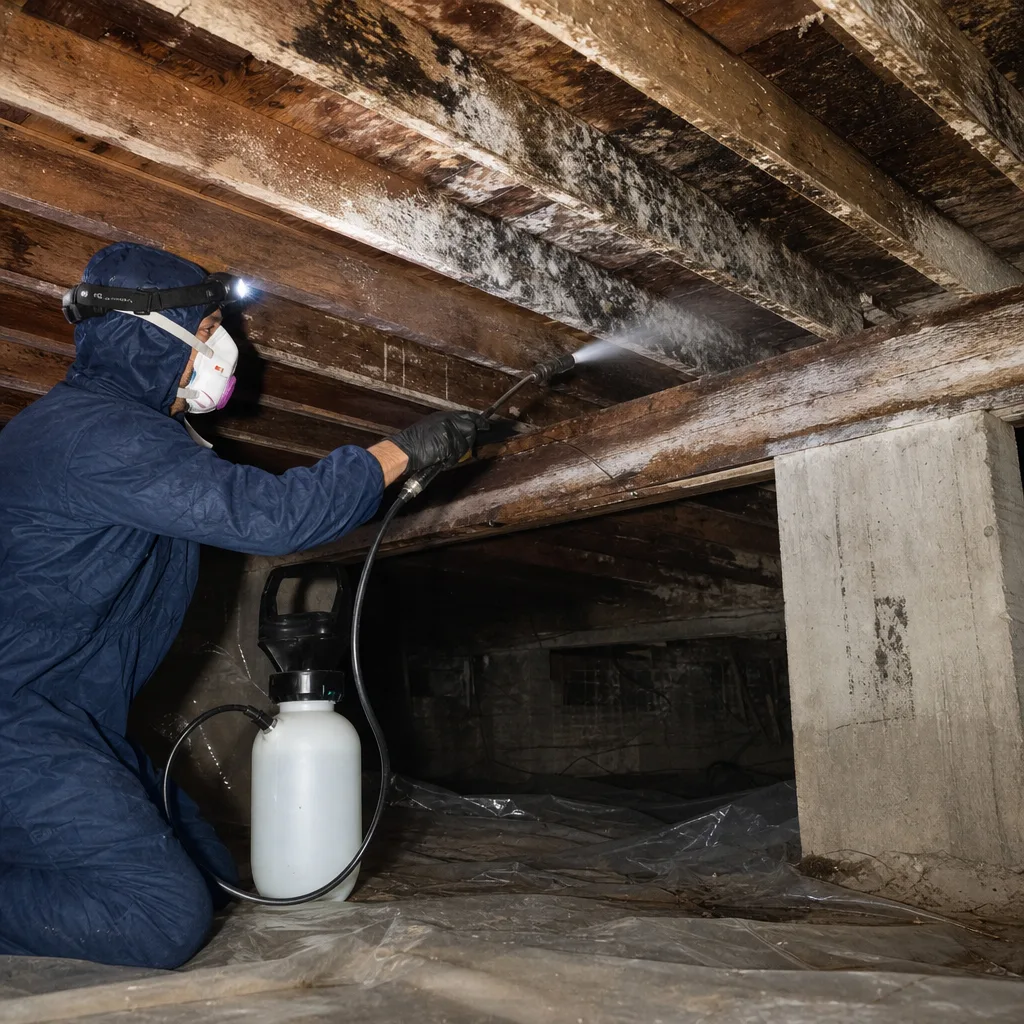
Insurance adjusters work from standardized review protocols, whether they are staff adjusters for carriers like State Farm or Allstate, or independent adjusters handling claims for multiple insurers. The checklist for water damage claims includes specific documentation fields that DIY restoration cannot populate.
Field 1: Initial Moisture Mapping
Required: Diagram showing moisture readings at prescribed intervals (usually 16 inches on center) in affected materials, taken with a calibrated moisture meter. Adjusters verify calibration dates; meters calibrated more than 12 months prior are flagged.
DIY failure: Consumer moisture meters are rarely calibrated. Homeowners do not create scaled diagrams. Readings are taken at random locations, if at all.
Field 2: Daily Psychrometric Log
Required: Temperature, relative humidity, and grains per pound (GPP) recorded at least once per 24-hour period, with equipment adjustments noted. The log must show progressive reduction in humidity ratio and eventual stabilization within specified parameters.
DIY failure: No consumer equipment logs GPP. No homeowner monitors vapor pressure differential. The “drying” is declared complete when surfaces feel dry, which for gypsum drywall occurs at approximately 30% moisture content - well above the 12% threshold that prevents microbial growth.
Field 3: Equipment Inventory and Placement Record
Required: Serial numbers, placement locations, and CFM (cubic feet per minute) ratings for each air mover and dehumidifier, with calculations showing adequate air changes per hour for the affected volume.
DIY failure: Rental equipment serial numbers are not recorded. CFM ratings are unknown. Air changes per hour are not calculated, and inadequate airflow is a common cause of secondary damage.
Field 4: Photo Documentation with Metadata
Required: Pre-loss, during-loss, and post-loss photos with embedded EXIF data showing date, time, and camera information. Photos must show equipment placement, affected materials, and completion condition.
DIY failure: Phone photos may lack EXIF data if shared through messaging apps that strip metadata. Timestamps are disputed. “Before” photos are often taken after some cleanup has already occurred, destroying the evidentiary chain.
Field 5: Third-Party Verification or Certificate of Completion
Required: For losses over a threshold (varies by carrier, typically $5,000-$10,000), a signed statement from a licensed restoration contractor or industrial hygienist confirming that drying standards were met.
DIY failure: No third party is involved. The homeowner’s own statement is given minimal weight.
When these fields are incomplete, the adjuster’s software flags the claim for “inadequate mitigation documentation.” The standard adjuster response is to apply a depreciation factor to the mitigation portion, or to deny supplemental claims related to the same loss event. We have reviewed files where a $12,000 professional mitigation was fully covered, while a $4,000 DIY mitigation on a comparable loss received $1,800 after depreciation and denial of the subsequent mold claim.
What You Should Do Before Any Professional Arrives
There is one scenario where DIY action is not only acceptable but necessary: the first minutes after discovery, before any professional can reach your Santa Monica home. For what comes after, explore more guides & resources on protecting your property and your claim. What you do in this window affects both the ultimate damage and the claim documentation.
- Stop the water source. Shut off the supply valve at the fixture, the main shutoff for the house, or the street meter if necessary. In Santa Monica’s older homes, particularly in the Pico district and north of Wilshire, original galvanized supply lines may not have individual fixture shutoffs. Know your main shutoff location before an emergency.
- Document before extracting. Take timestamped photos of standing water, the source, and affected materials. This is your proof of origin and initial extent. If you extract first and photograph second, the adjuster may dispute the severity.
- Remove standing water with any available means. Wet/dry vacuum, towels, mopping - speed matters more than method in the first hour. Document the extraction method and approximate gallons removed.
- Move or block furniture. Aluminum foil under furniture legs prevents staining and reduces secondary damage. Document which items were moved and their pre-move condition.
- Call for professional assessment within 2 hours. Even if you believe the loss is minor, a professional assessment creates the documentation baseline that protects your claim. Our live phone coverage is available 24 hours a day, 7 days a week with no voicemail on emergency lines. A technician can be on site in Santa Monica within 60-90 minutes to document what your initial efforts achieved and what remains to be done.
The documentation you create in these first steps becomes part of the professional file if you proceed with hired restoration. It does not replace professional documentation, but it supplements it and demonstrates good-faith mitigation effort to your insurer.
Santa Monica-Specific Factors: Climate, Codes, and Construction
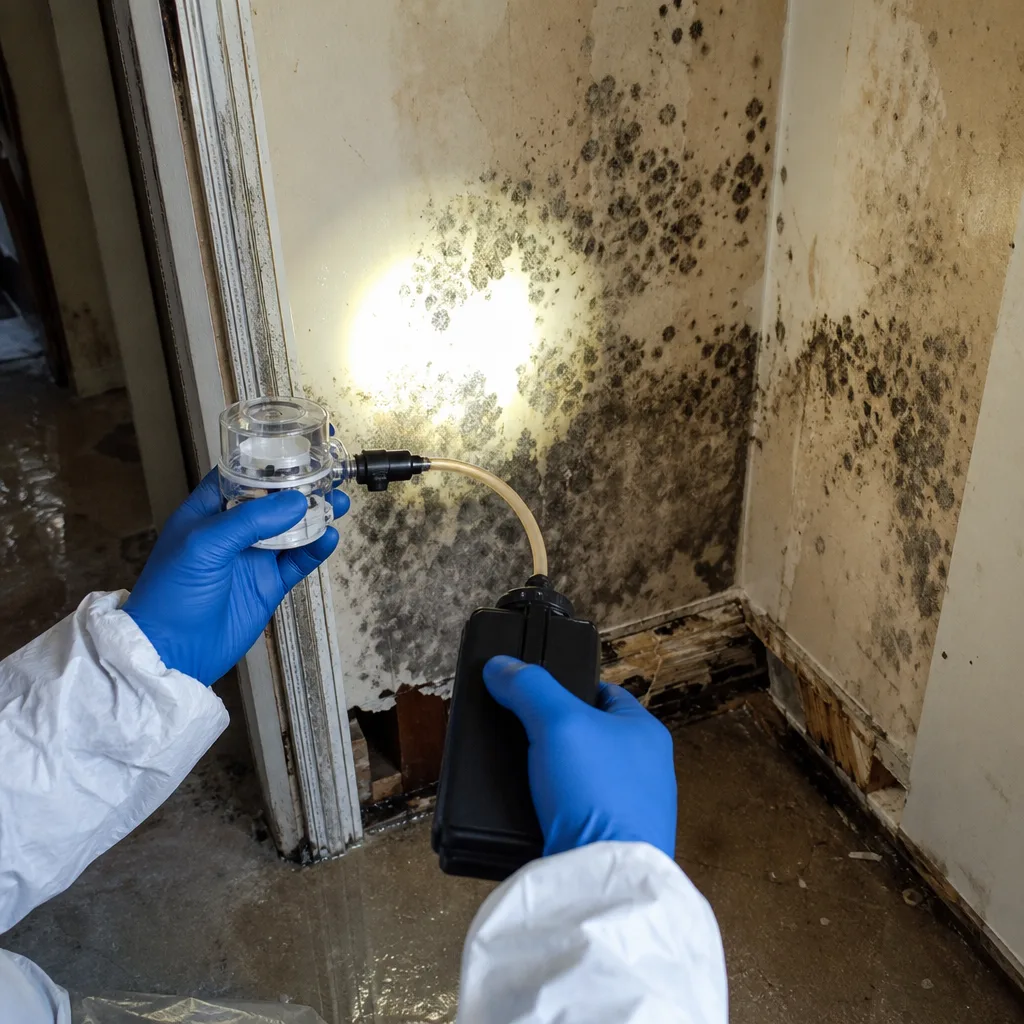
Santa Monica’s environment creates restoration challenges that don’t appear in generic guides. Understanding them helps explain why local professional documentation matters more here than in drier inland markets.
Marine Layer and Baseline Humidity
Santa Monica’s coastal location means baseline relative humidity runs 65-85% for much of the year, compared to 30-50% in the San Fernando Valley. A dehumidifier that would achieve target drying conditions in Burbank may struggle in Sunset Park. Professional drying calculations must account for this; consumer equipment rarely does. We adjust our equipment selection and placement based on daily marine layer patterns, with documentation showing why specific dehumidifier capacities were chosen.
Salt Air Corrosion
Homes within three blocks of the beach, particularly in Ocean Park and the Pico district, experience accelerated corrosion of metal fasteners, electrical components, and HVAC systems following water exposure. A DIY restoration that addresses visible water may miss salt residue in wall cavities, leading to progressive corrosion and failure months later. Professional documentation includes conductivity testing and specific cleaning protocols for salt-contaminated losses.
Aging Housing Stock and Asbestos
Approximately 60% of Santa Monica’s housing units were built before 1980. Pre-1981 construction requires asbestos testing before any demolition that disturbs more than 48 square feet of surface area or 10 linear feet of pipe insulation, under EPA NESHAP rules. A homeowner performing DIY demolition without testing faces federal fines and personal liability for improper disposal. Our technicians carry AHERA certification and use certified labs for same-day asbestos screening.
Soft-Story Retrofit Construction
Santa Monica’s mandatory soft-story retrofit program has created thousands of properties with recent structural modifications, open parking areas now enclosed, and altered drainage patterns. Water intrusion in retrofitted buildings often follows paths that differ from original construction drawings. Professional moisture mapping with thermal imaging identifies these hidden pathways; DIY visual inspection misses them.
Water Quality and Category Classification
Santa Monica’s water supply, while treated to high standards, travels through aging municipal infrastructure. A water main break on Montana Avenue in 2023 released water that tested positive for elevated coliform bacteria, requiring Category 2 classification despite originating from a “clean” source. Professional assessment includes water quality testing when source contamination is suspected; DIY assumptions about water category can lead to inadequate treatment and health exposure.
Common Mistakes to Avoid
- Assuming “feels dry” means dry. Gypsum drywall can feel surface-dry at 25% moisture content, more than double the safe threshold. Without pin-type meter verification at depth, you are guessing.
- Using bleach on mold. Bleach does not penetrate porous materials and can actually feed mold by adding moisture. In Santa Monica’s humid climate, bleach-treated mold often returns within 14 days, worse than before. Professional mold remediation in Santa Monica uses controlled demolition and HEPA-contained remediation, not surface spraying.
- Failing to document the source. Insurers deny claims when the water source cannot be verified as sudden and accidental. A photo of the burst pipe, the failed washer hose, or the overflowing fixture is essential evidence.
- Delaying the call to assess hidden damage. Santa Monica’s older homes with lath-and-plaster walls and hardwood over plank subfloors hide water for days. By the time visible signs appear, structural damage is advanced and mold growth is established.
- Hiring unlicensed help for the “simple” parts. Paying an unlicensed worker to extract water while you handle documentation does not protect you. California law prohibits it, and your insurer will deny claims arising from unlicensed work.
- Discarding damaged materials before adjuster inspection. The physical evidence of the loss must be available for inspection. Photograph everything, but retain samples of damaged materials until your adjuster releases them.
- Accepting a verbal estimate. Haven Standard, Clause 1 exists because verbal estimates invite scope creep. A written price before work starts, with line-item material classifications, is your only protection against invoice shock.
When to Call a Professional
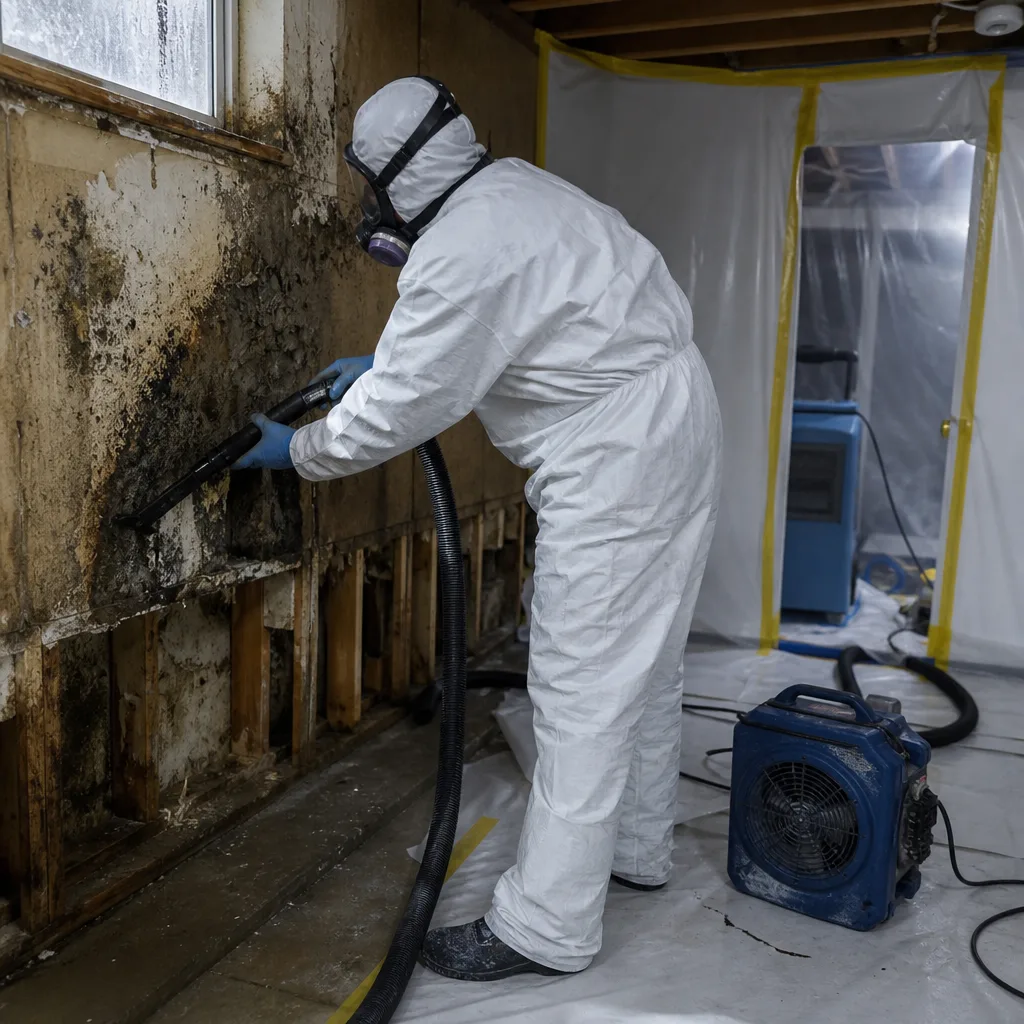
Call a professional restoration company when: the affected area exceeds 10 square feet; water has penetrated to subfloor, wall cavity, or insulation; the water is Category 2 or 3; the loss involves pre-1981 construction; you need the work to be documented for insurance; or you simply want the assurance of a written price and a 365-Day Done Right Promise.
DryMark Restoration Santa Monica offers free estimates in Santa Monica - call (213) 816-0810. Every estimate includes a written scope with material classifications, a documented photo record on every visit, and the full backing of The Haven Standard. We have served Santa Monica since 2011, and we have seen what documentation gaps cost homeowners. Our founding purpose is to close those gaps before they become denials.
Frequently Asked Questions
Your insurer may pay the direct costs of materials and equipment rental if you document everything meticulously, but they will scrutinize the claim more closely and often depreciate the mitigation portion for lack of verifiable drying records. Most carriers require IICRC-standard documentation for full mitigation payment, which DIY restoration cannot produce. Call (213) 816-0810 for a Free Second Opinion on any written estimate - we’ll review your documentation at no charge.
Our live phone coverage is available 24 hours a day, 7 days a week with no voicemail on emergency lines. A technician can typically be on site in Santa Monica within 60-90 minutes of your call. For water damage, speed of response directly affects the extent of damage and the documentation quality; we prioritize emergency calls to preserve both the structure and the claim.
For Category 1 losses under 10 square feet with no structural penetration, surface cleaning and drying may be adequate if documented. For anything larger, deeper, or involving Category 2 or 3 water, full professional remediation is necessary for health protection and insurance documentation. The cost of inadequate remediation - mold, structural decay, claim denial - far exceeds the cost of proper initial treatment.
At DryMark Restoration Santa Monica, we coordinate directly with your adjuster, providing the daily drying logs, photo documentation, and written scope that satisfy their review checklist. Our documentation is formatted to IICRC, RIA, and IFA standards specifically to streamline adjuster review. You are never left to explain technical drying data to an insurance representative.
Haven Standard, Clause 1 requires a line-item written scope showing: affected areas by square footage; material classifications (Category and Class); equipment type, quantity, and estimated rental duration; labor hours by task; and total price with no additions once work begins. This scope is signed by both parties before any equipment is placed or any demolition begins. No exceptions.
The cost must be evaluated against the risk, not just the immediate damage. A “small” leak in Santa Monica’s humid coastal climate can sustain mold growth in 48-72 hours and cause hardwood floor cupping that requires full replacement. Professional documentation protects against these downstream costs by proving that drying was completed to standard. For losses under $2,500, we offer assessment-only services that provide the documentation you need to handle repairs yourself while preserving your claim position.
The Bottom Line
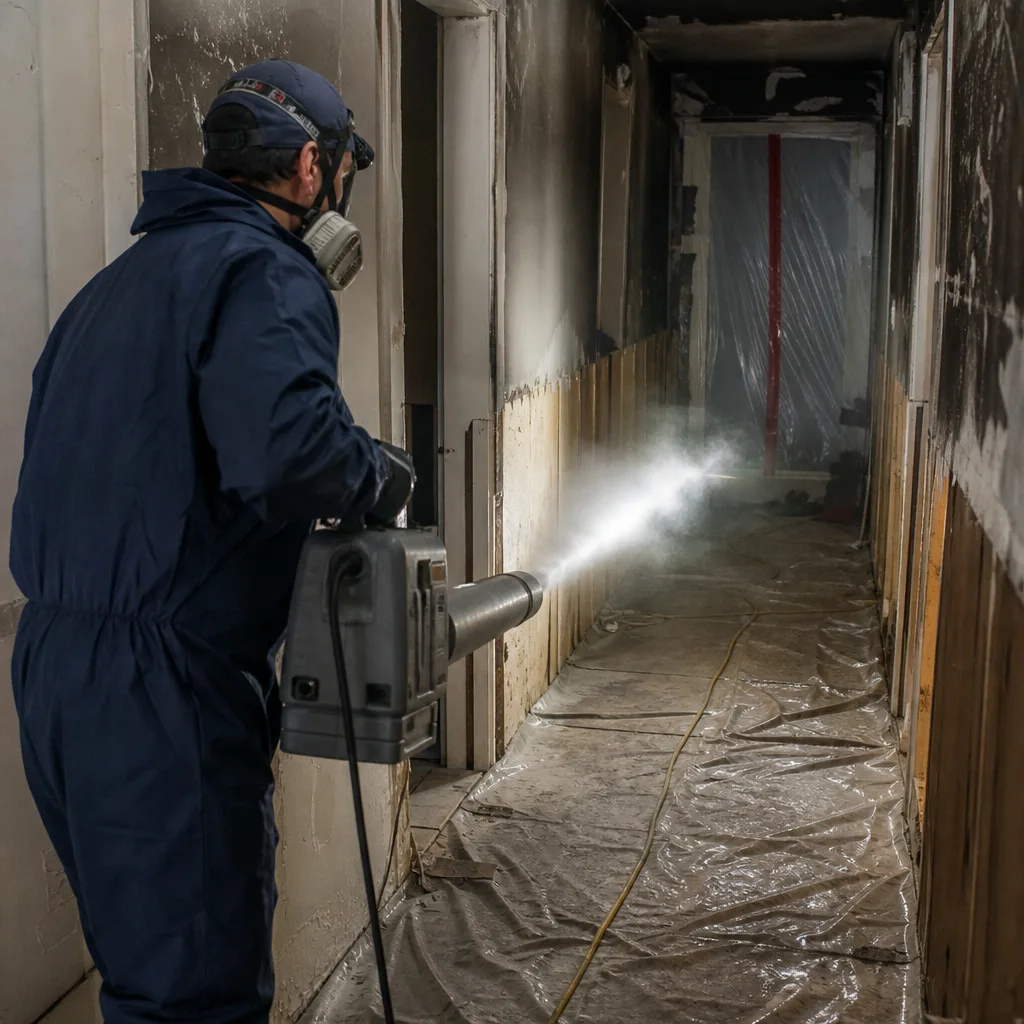
The DIY-versus-professional question is not about whether you can run a shop vacuum. It is about whether you can produce the documentation that transforms mitigation effort into a payable insurance claim. For Category 1 losses under 10 square feet, careful DIY with meticulous documentation is defensible. For everything else, the documentation threshold - calibrated psychrometric readings, IICRC-standard drying logs, third-party photo timestamps, and a written scope signed before work begins - requires professional execution. In Santa Monica’s humid coastal climate, with aging housing stock and stringent insurance review standards, the gap between capable and documentable is where claims are won or lost. The Haven Standard was built to close that gap. A written price before work starts, a photo record on every visit, and a 365-Day Done Right Promise give you what DIY cannot: evidence that stands up to review.
Written by Alicia Brennan, Owner at DryMark Restoration Santa Monica, serving Santa Monica since 2011.